Comic Book Collecting & Investing Guide · Updated
Collect comics. Understand the market.
A beginner-friendly route through comic history, key books, current releases, price research, condition, grading and selling—so you can buy with purpose rather than chase every spike.
Before you spend
A collection is personal. A market position needs evidence.
Comic collecting can be a reading hobby, a hunt for favourite characters, a way to own important pieces of popular culture—or all three. Some books rise substantially in value, many move sideways, and others fall once attention shifts. The safest starting point is a collection you would still enjoy if prices stopped moving.
This guide explains the habits that improve decisions: identify the exact edition, understand condition, compare like-for-like sold copies, count every cost and decide why you are buying before you buy.
Buy the book, not the rumour. Research the copy, not just the issue. Set a budget, keep records and never rely on a single app, asking price or screen announcement.
The beginner route
Start small. Learn fast.
You do not need a vault, a grading account or a list of “hot” books. You need a defined lane, a repeatable research method and enough patience to walk away.
Choose one lane
A character, creator, genre, publisher, era or finite run gives the collection shape and limits distraction.
Set two budgets
Keep a monthly collecting budget and a separate ceiling for any single book. Include postage and fees.
Learn ten books
Track repeated sales, grades and defects for a small watchlist before buying the first attractive copy.
Record every buy
Issue, printing, variant, grade estimate, date, source and full cost will make later decisions much clearer.
A very short history
From disposable entertainment to documented assets.
Collectors existed from the beginning, but the machinery around the hobby—price guides, specialist shops, grading and searchable sales—arrived in stages.
Read, swapped, discarded
Comics were inexpensive mass entertainment. Wartime paper drives, rough handling and ordinary disposal helped make surviving high-grade early issues scarce.
Organised fandom
Fanzines, mail-order dealers and conventions connected readers, documented Golden Age creators and made back-issue trading more systematic.
Guides and comic shops
The Overstreet guide began in 1970. Specialist shops and the direct market turned back issues and carefully stored new comics into a visible collecting economy.
The speculation lesson
Variants, “collector’s editions” and huge print runs drew new money, then a sharp contraction. Scarcity printed on a cover was not the same as lasting demand.
Slabs, data and global buyers
CGC was founded in 2000; third-party grading and online marketplaces made condition easier to compare and worldwide sales easier to research—without removing risk.
Record-sale desk
Landmark reported comic sales.
These results show what exceptional copies can command. They do not show a normal return, and private transactions cannot be examined as fully as public auctions.
| Date | Comic | Copy | Price | Sale type | Source |
|---|---|---|---|---|---|
| Feb 2010 | Action Comics #1 | CGC 8.0 | $1.0m | ComicConnect auction | CGC retrospective ↗ |
| 12 Sep 2021 | Amazing Fantasy #15 | CGC 9.6 | $3.6m | Heritage auction | Heritage archive ↗ |
| Jan 2022 | Superman #1 | CGC 8.0 · Mile High pedigree | $5.3m | Private sale | Overstreet report ↗ |
| 7 Apr 2024 | Action Comics #1 | CGC 8.5 · Kansas City pedigree | $6.0m | Heritage auction | Heritage archive ↗ |
| 20 Nov 2025 | Superman #1 | CGC 9.0 · first printing | $9.12m | Heritage auction | Heritage report ↗ |
| 9 Jan 2026 | Action Comics #1 | CGC 9.0 · Nicolas Cage copy | $15.0m | Private sale | Associated Press ↗ |
| 5 Feb 2026 | Batman #1 | CGC 9.4 · highest graded | $6.0m | Private Heritage sale | Heritage report ↗ |
On smaller screens, scroll the table sideways to see every column.
Read records carefully: a famous first appearance, extraordinary grade, recognised pedigree and exceptional provenance can all be present in the same sale. A lower-grade ordinary copy is a different market. Public Heritage auction prices reported here include the buyer’s premium; the 2026 Batman transaction was private.
Value is layered
What can make one comic matter more than another?
No single feature guarantees value. Strong books usually combine lasting demand with some form of genuine constraint.
Story significance
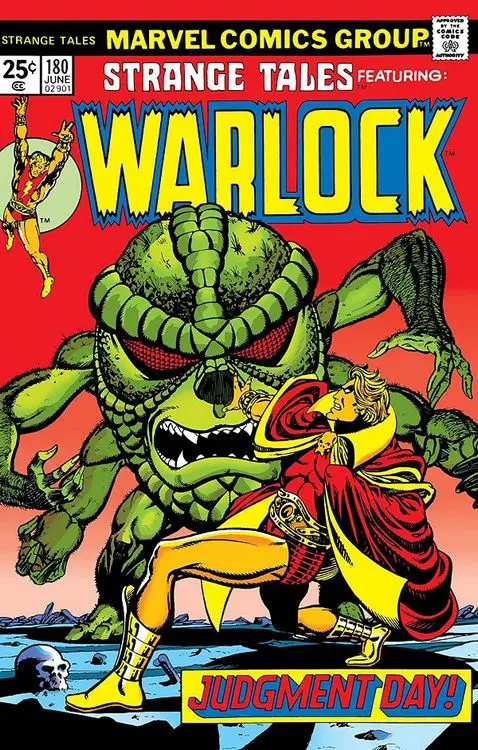
First appearances, origins, deaths, major costume changes and decisive story chapters can keep an issue relevant—but “first issue” alone means little.
Character demand
A scarce book needs buyers. Long-lived characters and stories with cultural reach generally have deeper demand than a momentary rumour.
Condition
For the same edition, a small grade difference can produce a large price difference. Missing pages, restoration and colour touch can change the market completely.
Supply and survival
Print run is only a starting point. Surviving copies, certified populations, newsstand distribution, regional variants and high-grade scarcity all matter.
Creator and cover
Important writers and artists, classic covers, first professional work and signature series can create demand beyond the featured character.
Edition accuracy
First printing, later printing, retailer incentive, newsstand copy, UK price variant and facsimile may share artwork while having very different markets.
Know what you are buying
One issue number can hide several different comics.
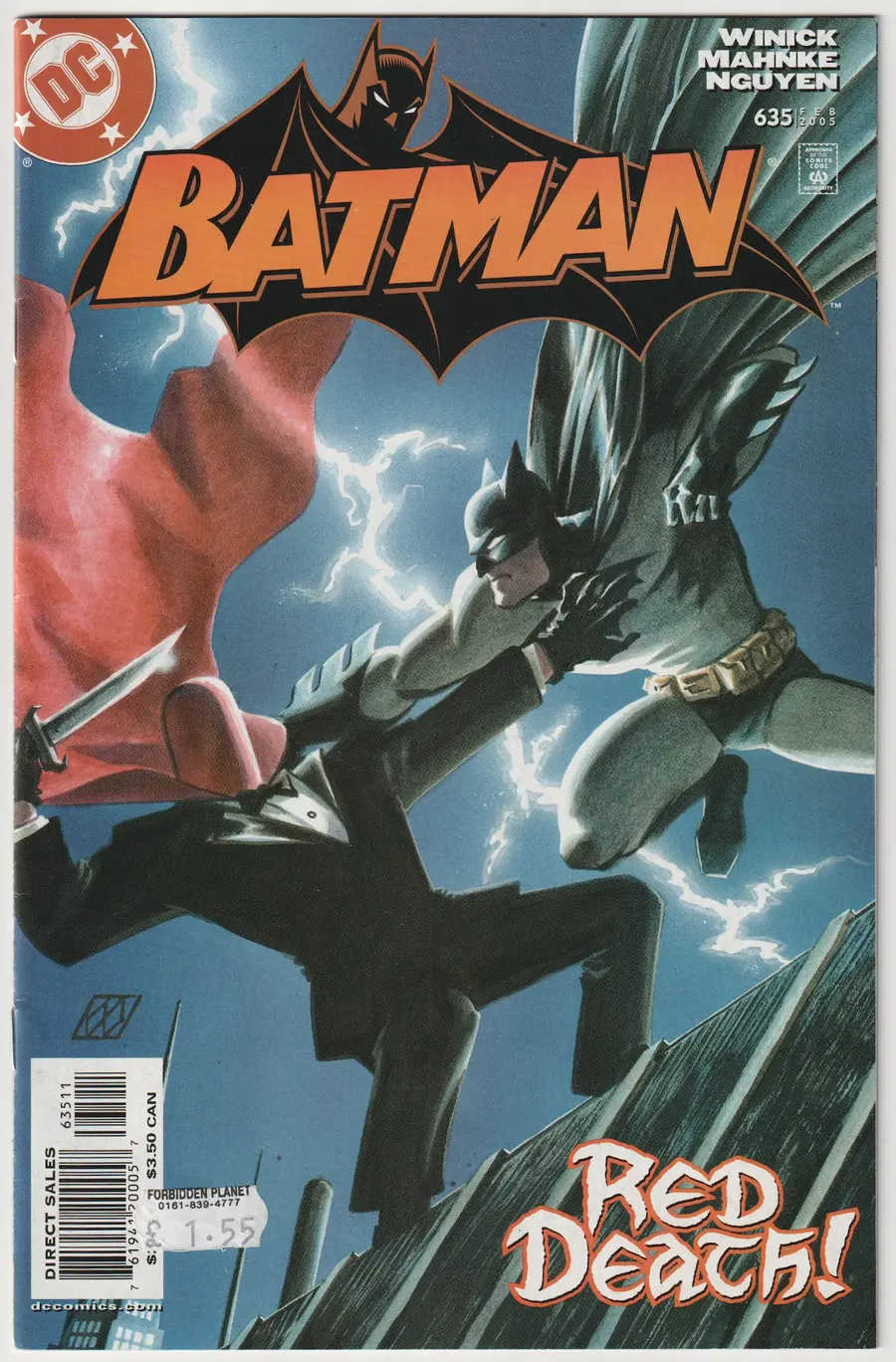
A title and issue number are only the start. Near-identical covers can belong to different printings, variants, distribution channels or regional editions—and an unseen missing insert can change completeness and value. Identify the exact copy before you search for a price.
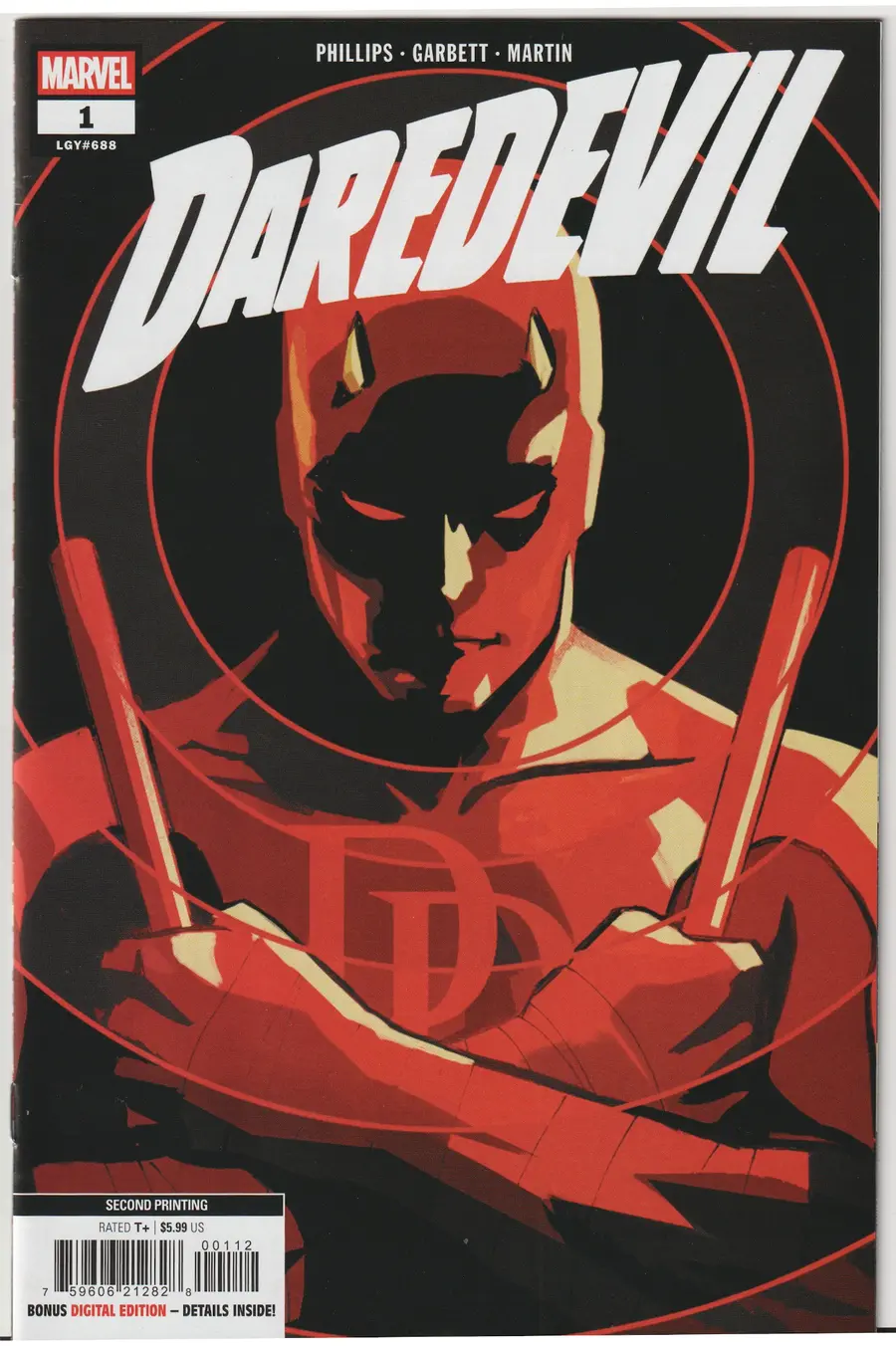
The 90-second identification routine
Front and back: note cover price, currency, barcode, cover artist and any edition wording.
Indicia: read the small publication block inside for the official title, publisher and printing clues.
Interior: inspect the centrefold, coupons, posters and inserts; check both staples and page count.
Exact match: compare the cover and details with Grand Comics Database or League of Comic Geeks.
Do not guess: barcode conventions vary by publisher and period, so use them as clues—not universal proof.
Then price it: compare sold copies of the same printing, cover, edition, completeness and condition.
First and later printings
A first printing is the issue’s first production run; a later printing sends that issue back to press. Later prints often change the cover colour or art, but the indicia is the strongest starting point and may state “Second Printing” or similar.
A Cover B can still be a first printing: cover choice and printing are separate facts. First prints are often preferred, but a genuinely scarce and desirable later print can sell for more. Match the exact printing rather than assuming.
Cover variants
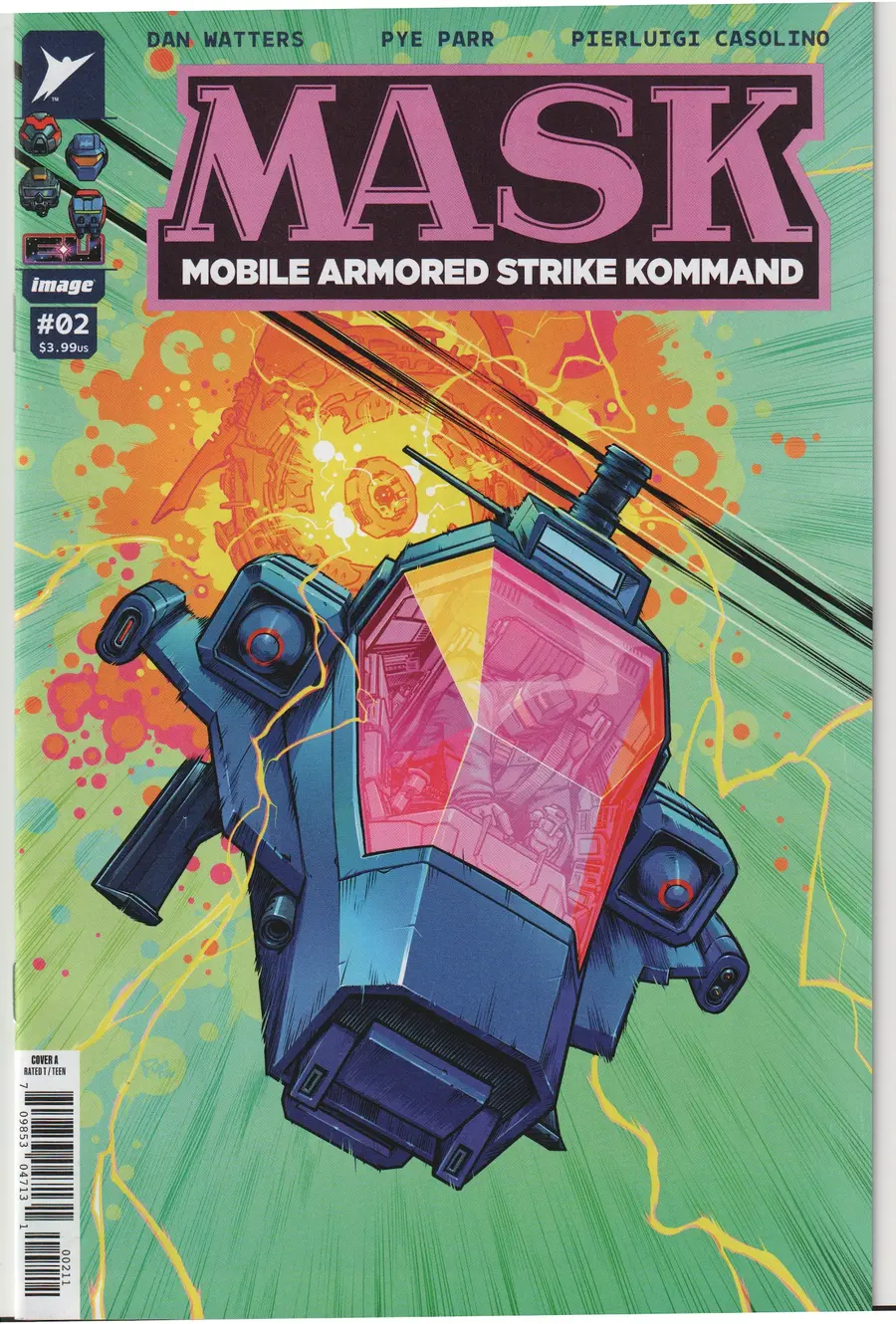
Alternative covers normally wrap the same interior issue. Common types include open-order Cover A/B, retailer and event exclusives, virgin, sketch, blank sketch, foil, lenticular and connecting covers.
“Virgin” means the title logo, price/barcode and normal cover text have been removed; a printed sketch cover is not original art. Different does not automatically mean scarce. Confirm the cover artist, code and edition, then judge real supply, condition and continuing demand.
Ratio and incentive covers
A 1:25 incentive usually describes retailer eligibility: one incentive copy may be ordered after buying 25 qualifying copies under that solicitation’s rules. It does not certify that exactly one was printed for every 25 standard covers.
Not every retailer claims an allocation, publishers may print overruns, and ratios on high-order books can be plentiful. Treat the ratio as an ordering condition—not a print run, rarity grade or guaranteed premium.
Facsimiles and replicas
A facsimile is a modern reproduction of an older comic and may repeat the original cover, story, advertisements and back matter. Some are convincing at first glance.
Check the current copyright information and date in the indicia, modern price and barcode, paper and publisher listing. A facsimile can have its own variants and later printings, but it is not the original first appearance. Price it as the exact modern edition.
Newsstand and direct editions
These terms describe distribution channels. Newsstand copies went to returnable general retail; direct editions mainly went to comic shops on non-returnable terms. They are not automatically different printings.
Many older newsstand copies use a scannable UPC where the direct copy has character art, a slash or direct wording—but later direct copies can also have barcodes. Identification varies by publisher and year. Some later newsstands are difficult in high grade; that does not make every newsstand copy rare.
Regional and price variants
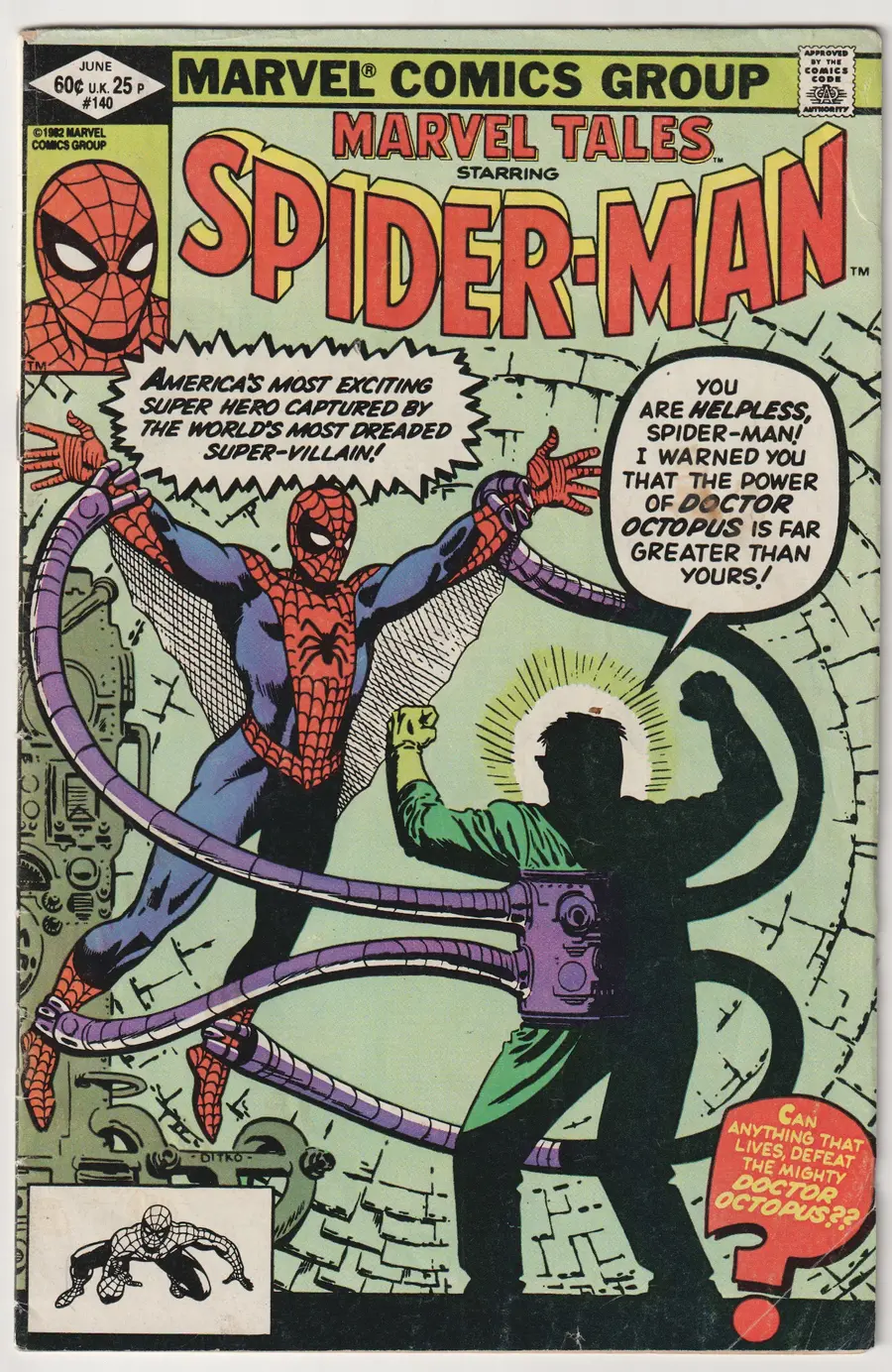
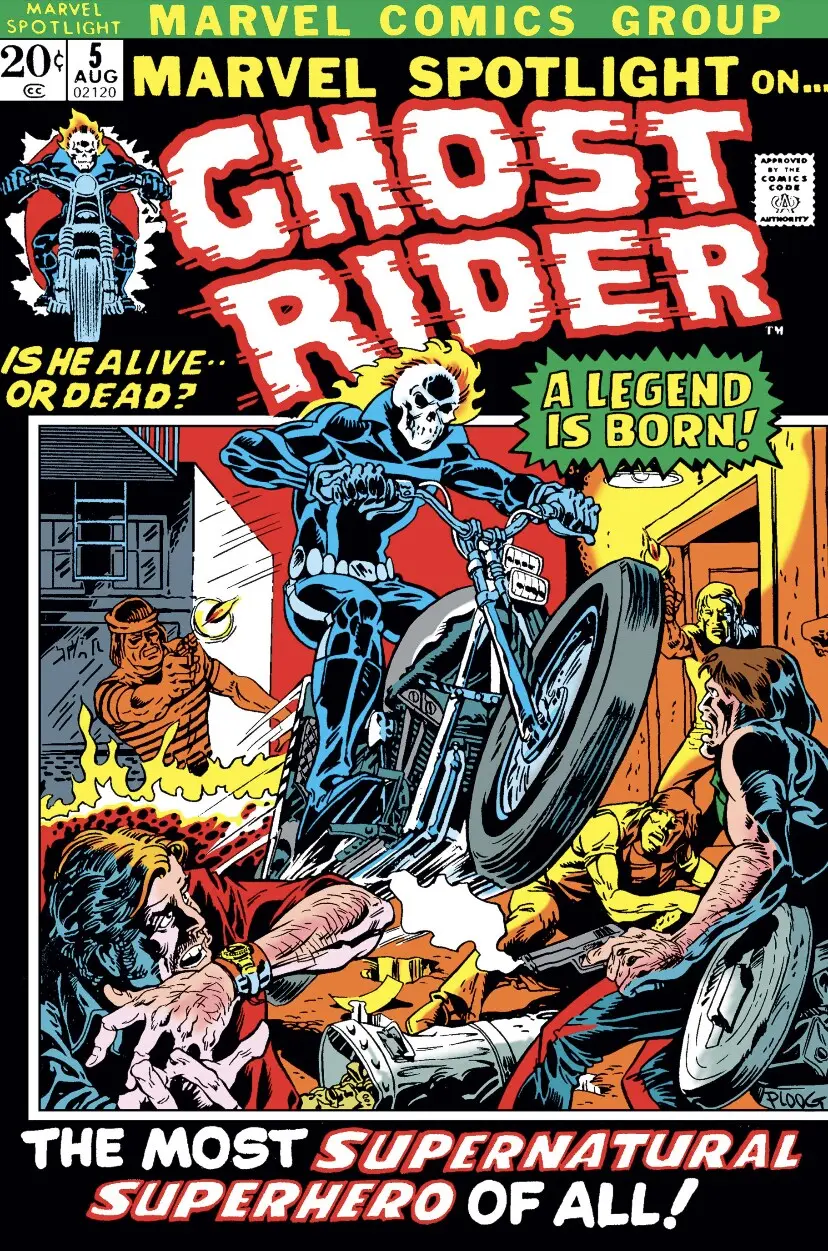
Separate a printed regional cover price from an import price stamp and from a locally manufactured reprint. They are different things. Many classic Marvel pence copies were printed alongside the cents run and are not automatically later reprints; Canadian, Australian and other editions follow their own patterns.
Check currency, indicia, publisher, contents and barcode against a documented record. Compare exact regional sales, then account for exchange rates, postage, VAT, buyer’s premium and import charges.
Mark Jewelers inserts
A Mark Jewelers copy contains a separately bound jewellery advertisement associated with selected 1970s–1980s comics distributed through or near US military outlets. A normal printed Mark Jewelers advert is not the special insert, and a newsstand cover does not prove one is inside.
Inspect the centrefold, paper and original staples. Ask for interior photographs when buying raw. There is no reliable fixed “Mark Jewelers multiplier”: issue, grade, demand, intact insert and credible comparable sales all matter.
Marvel Value Stamps (MVS)
Marvel’s 1970s Series A and Series B promotions invited readers to cut numbered character stamps from selected comics and paste them into books. That makes completeness a serious Bronze Age check—especially on keys.
Use an issue-level MVS list ↗, then verify the expected stamp number and page in the exact issue before inspecting it. If the stamp has been cut out, the comic is incomplete even when the story appears readable; removal can also damage story content on the reverse. Disclose it clearly and never compare its price with an intact copy. Marvel’s MVS history ↗

Choose your collecting lane
Focus makes the hobby cheaper—and better.
A clear lane helps you recognise fair prices, spot missing issues and ignore purchases that only feel urgent. It can still evolve as your taste develops.
- CharacterBuild the main series, appearances or a defined era.
- CreatorFollow a writer, artist, inker or cover artist.
- RunComplete a finite title, volume or creative team.
- GenreHorror, war, romance, crime, superhero or independent.
- EraLearn one market: Golden, Silver, Bronze or Modern.
- MilestonesFirst appearances, origins, keys or personal moments.
Trend and release desk
Watch the whole cycle, not one hot list.
New books move through a predictable information cycle. The earlier signal is not always the better buy; it may simply carry more uncertainty.
Key Collector
Useful for discovering why an issue may be a key, weekly releases and trend alerts. Treat every alert as a research prompt, not an instruction to buy.
Open Key Collector alerts ↗Publisher calendars
Use the publisher’s own pages to confirm announced titles and release information. Dates are often US-led and can change.
Open Marvel’s calendar ↗FOC and distributors
Final Order Cutoff helps retailers plan stock. For UK orders, ask your comic shop before the stated distributor deadline.
Open PRH Comics Retail ↗Repeatable research
How to price-check a comic.
The goal is not one magic number. It is a defensible range for this exact copy, in this market, after costs.
Identify the exact book.
Confirm title, volume, issue, year, publisher, printing, cover, barcode, price variant, inserts and whether it is a facsimile.
Estimate a condition range.
Note spine ticks, creases, tears, stains, page quality, detached parts, writing, missing inserts or coupons and possible restoration.
Search completed, sold copies.
Start with eBay UK sold results. Completed results include unsold items; active listings are only sellers’ ambitions.
Match like with like.
Raw is not slabbed. A 9.8 is not a 9.4. A first print is not a later print. Compare dates, location and postage too.
Cross-check another source.
Use CovrPrice, GoCollect or Heritage according to the book. Look for at least three recent, credible comparables where possible.
Calculate the real cost.
Convert currency, then include buyer’s premium, postage, VAT/import charges, grading, insurance and selling fees.
Set a buy ceiling.
Decide the most you will pay and what would make you sell before bidding. A missed book is cheaper than a bad buy.
Condition, grading and slabs
Grade the comic before you grade the idea.
A number on a label helps buyers compare, but it does not make an ordinary book rare or desirable. Learn to inspect raw comics even if you plan to use a professional service.
Raw collecting
Lower cost, direct access to the book and often best for reading or affordable runs. Your grade is a working estimate, so document and disclose every material defect.
Third-party grading
Authentication, an assigned grade and encapsulation can improve confidence and liquidity for the right book. Fees, postage, insurance and turnaround time reduce the gain.
Labels and notes
Restoration, conservation, qualified or incomplete copies, signatures, pedigree and page quality all affect comparability. The number is only part of the label.
Population reports
A census shows copies graded by that company—not the print run, surviving supply or buyer demand. Resubmissions can also complicate the count.
The complete reference
Comic grading scale: 10.0 to 0.5
This follows CGC’s published 10-point sequence. The descriptions are practical orientation—not a rigid defect allowance or a promise that another grader will agree.
| Number | Letters | Grade name | Plain-English condition guide |
|---|---|---|---|
| 10.0 | GM | Gem Mint | No evident production or handling defect. |
| 9.9 | MT | Mint | Near-perfect; one minute production flaw and no handling wear. |
| 9.8 | NM/M | Near Mint/Mint | Nearly perfect, with only negligible flaws. |
| 9.6 | NM+ | Near Mint+ | Exceptional copy with a few tiny flaws. |
| 9.4 | NM | Near Mint | Excellent preservation; minor wear or small defects only. |
| 9.2 | NM− | Near Mint− | High grade with light wear and several small flaws. |
| 9.0 | VF/NM | Very Fine/Near Mint | Strong eye appeal with a number of minor defects. |
| 8.5 | VF+ | Very Fine+ | Attractive; one moderate flaw or several small ones. |
| 8.0 | VF | Very Fine | Attractive, with moderate or accumulated minor wear. |
| 7.5 | VF− | Very Fine− | Above average; noticeable but contained wear. |
| 7.0 | FN/VF | Fine/Very Fine | Above average despite one significant or many small defects. |
| 6.5 | FN+ | Fine+ | Solid copy with a significant flaw plus lesser wear. |
| 6.0 | FN | Fine | Slightly above average; a major defect plus smaller flaws, or accumulated minor wear. |
| 5.5 | FN− | Fine− | Sound overall, but several moderate defects are evident. |
| 5.0 | VG/FN | Very Good/Fine | Average used copy with several moderate defects. |
| 4.5 | VG+ | Very Good+ | Below average, with numerous moderate defects. |
| 4.0 | VG | Very Good | Clearly worn, with multiple moderate defects. |
| 3.5 | VG− | Very Good− | Heavily worn; serious or accumulated defects dominate. |
| 3.0 | G/VG | Good/Very Good | Significant handling wear with several moderate-to-major defects. |
| 2.5 | G+ | Good+ | Extensive wear with multiple substantial defects. |
| 2.0 | G | Good | Heavily worn, with numerous substantial defects. |
| 1.8 | G− | Good− | Severe wear and numerous major defects. |
| 1.5 | Fa/G | Fair/Good | Very heavy wear with major defects throughout. |
| 1.0 | Fa | Fair | Extremely poor condition; extensive damage. |
| 0.5 | PR | Poor | Severely damaged or defaced, with pieces missing. |
On a small screen, swipe sideways to see every column.
Read the number and the words. “Fine” and “Good” are technical grades here, not everyday compliments. Shorthand varies: some dealers use GD instead of G and FR instead of Fa. Grade the whole comic cumulatively; one severe defect, incompleteness, brittleness or restoration can outweigh otherwise strong presentation.
Page quality is recorded separately
Record colour and structural condition as well as the grade. White, off-white, cream, tan, brown and brittle pages are not interchangeable, and some page or brittleness designations cap the maximum numeric grade.
Category is separate
Universal, Qualified, Restored, Conserved, cover-only, individual-page and No Grade records do not compare like-for-like. Read every note, not only the number.
Age earns no allowance
An older comic is not graded more generously because it is old. Rarity and historical importance may affect price, but condition is assessed on the copy in hand.
DIY raw grading and cataloguing
Record the evidence before choosing the number.
A useful home grade is repeatable, conservative and traceable to notes and images. Use the same routine every time so your catalogue remains useful when you buy, insure, rebag or sell.
- Identify the exact edition
Record title, volume, issue, publisher, date, printing, cover, barcode or price edition, regional version and inserts before assessing value.
- Prepare safely
Use clean, dry hands, a clear supported surface and bright neutral light. Remove the comic from its bag without dragging tape across the cover.
- Confirm completeness
Check cover, page count, centre wrap, staples, coupons, posters, Marvel Value Stamp and any Mark Jewelers or other expected insert.
- Inspect the exterior
Work around front, back, spine, corners and edges. Separate colour-breaking ticks and creases from dents or bends that do not break colour.
- Inspect the interior
Check attachment, tears, writing, stains, rust, odour, page colour, brittleness and signs of cleaning, trimming, colour touch or repair.
- Map every defect
Write measurable facts before a grade: quantity, position and size. “Seven spine ticks; two break colour” is more useful than “nice copy”.
- Choose a range first
Compare the accumulated defects with the scale. Start with a bracket such as 6.0–6.5; if one number is required, choose conservatively.
- Capture the evidence
Scan front and back at 300 dpi where practical. Add spine, interior and angled defect photographs when a flat scan misses gloss, texture or a dent.
- Date and revisit
Save who estimated the grade and when. Recheck after treatment, before sale or if storage damage is suspected—do not silently overwrite the old record.
Minimum catalogue fields
- IdentityTitle, volume and issue
- PublicationPublisher and cover date
- EditionPrinting, cover, price and barcode
- CompletenessPages, centre wrap and inserts
- ConditionGrade range, estimate and date
- DefectsMeasured, located notes
- PaperPage colour and brittleness
- TreatmentPressing, cleaning or restoration
- PurchaseDate, source and full cost
- StorageBox, drawer or shelf location
- EvidenceScan and detail-photo links
- CertificationCompany and certificate number
Write it like this
Condition: estimated 6.0–6.5, FN to FN+; raw owner estimate dated 19 September 2026.
Defects: seven spine ticks, two colour-breaking; 12 mm lower-right cover crease; light back-cover soiling.
Completeness: cover, pages and centre wrap present; both staples attached; no cut-outs; expected insert checked.
Pages: cream to off-white by visual description; supple, with no brittleness observed.
Treatment: none known; not professionally screened. Front and back 300 dpi scans plus three defect photographs saved.
Never present a home estimate as certification. Write “estimated 9.4 NM, raw” rather than “CGC 9.4” unless the comic is actually in a verified CGC holder. If you cannot decide between two grades, keep the range or use the lower number.
When authentication, condition certainty or easier resale is likely to add more than the total grading risk and cost. It rarely makes sense to slab every inexpensive modern comic by default.
Planning the exit
When—and how—to sell.
Sell because the book no longer fits, you need funds, the price has reached your planned target or demand is stronger than your conviction—not merely because one post says the market is moving.
eBay
Suitable for many raw and graded books, with control over auction or fixed price. You handle images, description, packing, service and current fees.
Check current eBay fees ↗Heritage Auctions
Potential fit for exceptional, rare or high-value books with an established auction audience. Discuss estimates, seller terms, buyer’s premium and timing first.
Explore Heritage Comics ↗Dealer or collector
Potentially faster and simpler, but offers usually leave room for resale, risk and overhead. Know your recent comparables before negotiating.
Contact Comic Agent ↗Before listing
- Confirm exact edition and completeness
- Choose auction only when demand is deep enough
- Scan or photograph front, back and defects clearly
- Never promise a raw grade you cannot support
- Disclose restoration, pressing and detached parts
- Check platform fees and net proceeds
- Use rigid, waterproof comic-safe packaging
- Insure and track valuable international shipments
The collector resource desk
Use each tool for the job it does best.
No single service sees the whole market. Begin with tools that help you organise, plan and identify; then use several sources to test price and scarcity. Access levels, coverage and pricing can change, so check each provider’s current terms.
CLZ Comics
Catalogue owned books and your wish list by barcode or title, then record grades, purchase details and notes. Paid plans; check which mobile, Web or bundle option suits you.
Open CLZ Comics ↗League of Comic Geeks
Browse cross-publisher weekly releases, covers and variants, build a pull list and track what you read or own. Core tools are free; confirm UK dates with your retailer.
Open League releases ↗Grand Comics Database
A free volunteer reference for exact issues, covers, creators, stories, characters, reprints and series history. Excellent for research, but not a price guide.
Open GCD ↗Discover, value and verify
Discover key issues, why they matter, weekly releases and alerts. Some features require a subscription. Useful for a watchlist; verify every buying decision elsewhere.
Sales history, market trends and graded-comic data. Strongest when you match the exact grade, variant, date and page quality.
Marketplace sales, raw and slabbed estimates, collection tracking and new releases. Raw grades are seller-reported and data is not exhaustive.
Sold search is the quick UK starting point. Product Research requires an eBay sign-in and Seller Hub, then offers a longer view and accepted-offer data. Match edition, condition, location, date and postage.
Detailed public-auction records for high-grade, historic and unusual material. Factor in premium, currency, shipping and import costs.
Official grading scale, process, certification checks, services, fees and census; the population report may require an account sign-in. It counts CGC-graded copies—not total survival, rarity or demand.
Start with official release pages for new titles and on-sale information. UK arrival dates can differ and schedules can move.
Advanced sources for distributor listings and Final Order Cutoff. Ask a UK retailer for its actual customer pre-order deadline.
Useful for British comics, annuals, free gifts and pence/cents distinctions; full values require a subscription. Treat guide values as context and verify the exact copy with realised sales.
A deep UK auction archive for British and US comics, annuals and art. Its stated prices realised include buyer’s premium; always check how another auction reports totals.
Comic Agent is not affiliated with or endorsed by the services, marketplaces, grading companies, distributors or publishers listed above. External links are provided for research and may offer free and paid features.
Your first-month checklist
Ten habits before ten “investments”.
- Choose one collecting lane
- Set a monthly budget
- Create a ten-book watchlist
- Learn the grading scale
- Inspect front and back covers
- Check at least three sold comps
- Confirm printing and variant
- Record the full purchase cost
- Store every comic safely
- Write an exit reason and price
Learn the history. Then find your book.
Use the Character Files as your collecting crib sheets.
Each file maps a character’s beginnings, major series, creators, crossovers and defining issues—an easier way to choose what matters to your own shelf.
The comic-supplies button is a paid Amazon affiliate link. As an Amazon Associate, Comic Agent earns from qualifying purchases.