
The quick identification
Publisher: DC; much of the original run carries the Vertigo imprint.
First full appearance: The Saga of the Swamp Thing #37 (1985).
First solo ongoing: Hellblazer #1 (1988).
First appearances, unforgettable stories and a collection you can build one good book at a time.
FIND YOUR FIRST BOOKFOLLOW THE TIMELINE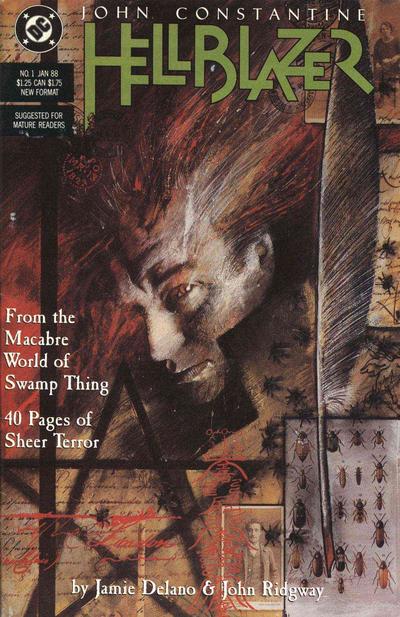
John Constantine can talk his way past a demon and still leave his friends paying the price. The trench coat and cigarettes are recognisable; guilt, manipulation and flashes of compassion make him worth reading. His best stories put ordinary lives next to extraordinary horror, then ask what surviving actually costs.
He begins in Swamp Thing, becomes the lead of Hellblazer, and later moves between mature-reader horror and the wider DC universe. Those branches share a character, but they do not form one uninterrupted numbered series. This guide helps you choose the stories and identify the editions before spending money.
Publisher: DC; much of the original run carries the Vertigo imprint.
First full appearance: The Saga of the Swamp Thing #37 (1985).
First solo ongoing: Hellblazer #1 (1988).
Chas is the friend pulled into John's disasters. Swamp Thing connects him to a larger supernatural world. Zatanna and the other occult figures of DC become especially important when you explore the team books.
A defining first appearance, a long original series, remarkable cover artists and several complete reading routes. You can enjoy most of that without starting with the most expensive comic.
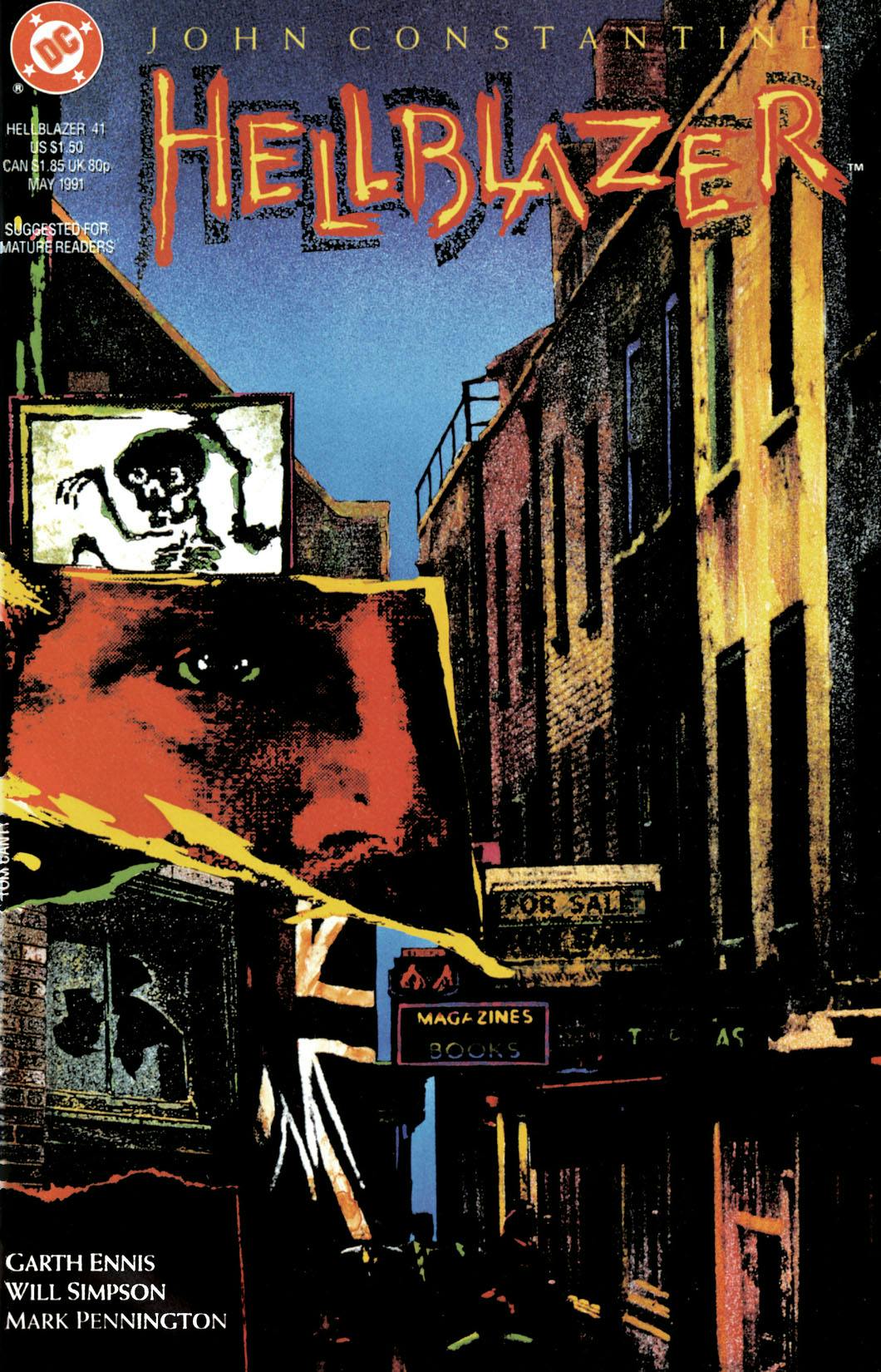
Read Hellblazer #41–46, by Garth Ennis and Will Simpson, in a collected edition or as a complete set. Faced with a threat he cannot simply bluff away, Constantine becomes both unusually vulnerable and very dangerous. It is a compact introduction to the character's appeal.
Prefer to begin at the beginning? Choose Original Sins, collecting #1–9; the expanded edition also includes Swamp Thing #76–77. For a sampler across different creators, the 30th Anniversary Edition includes the debut and selected later stories. Check a collection's contents: an anniversary sampler is not the complete Dangerous Habits arc.
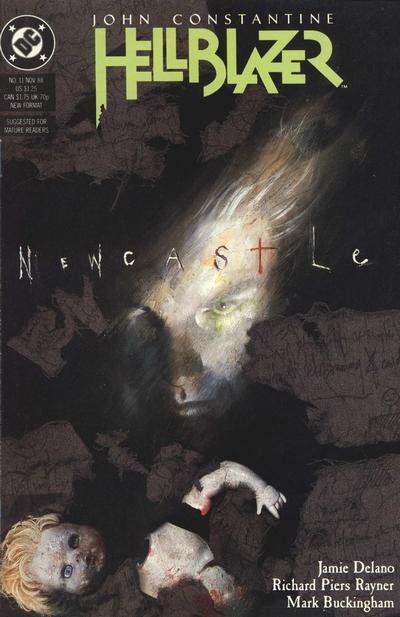
Choose a Newcastle backstory issue, a favourite cover, or one complete story run. Hellblazer #11, #63 and #120 offer different reasons to collect. Buy complete, presentable copies; common issues become expensive when bought one at a time with separate postage.
Put Hellblazer #1 at the centre, then add #27 for Gaiman and McKean or #41 for the start of Ennis's run. Around £100 can build a focused group rather than force a single purchase. Use the guide below to set limits.
The recognised debut is the main long-term collecting target. A sound, complete mid-grade original can be a more attainable goal than a pristine example. Compare the exact copy, printing and condition; the facsimile is a separate purchase.
These are collecting targets and story milestones, not ten claims of rarity. Prices are indicative raw buying ranges in GBP, researched 28 September 2026. Each row explains the condition or evidence behind it. Delivery, import costs and graded copies are excluded.
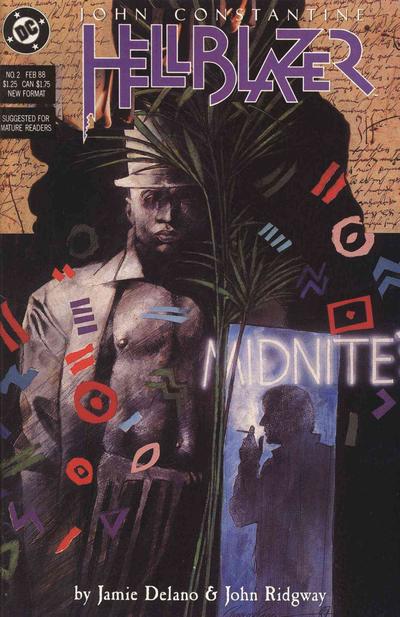
Early original-series reading; A Feast of Friends.
2026 reported raw sales included VF at $4.88 and $7.99; NM at $13.54.
Reported ungraded completed sales. Aggregated seller descriptions; grades were not independently verified. Original standard edition assumed.
Newcastle backstory: a meaningful story purchase.
2026 reported raw examples: VF− $8.76; NM $14.95 and $18.
Reported ungraded completed sales. Aggregated seller descriptions; grades were not independently verified. Original standard edition assumed.
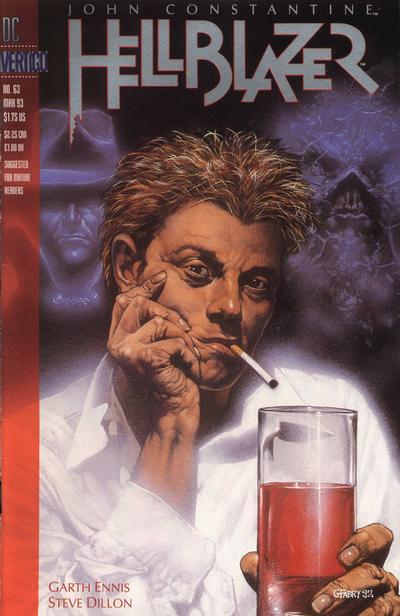
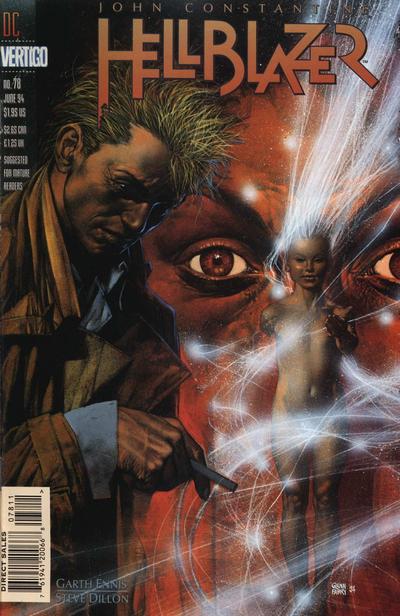
Forty: Constantine’s birthday; Glenn Fabry cover.
2026 raw sales included $1.50–2.71; a seller-described high-grade copy made $8.29 in October 2025.
Reported ungraded completed sales. Aggregated seller descriptions; grades were not independently verified. Original standard edition assumed.
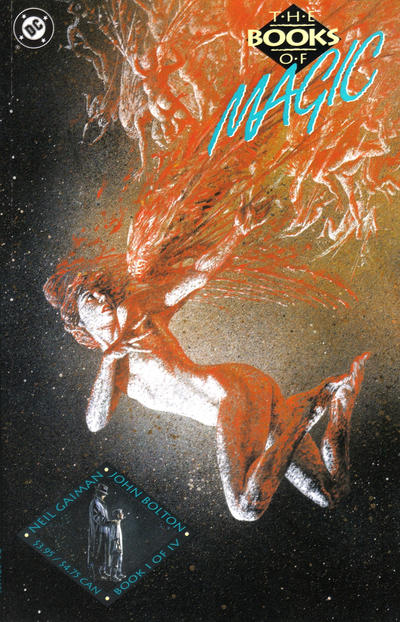
Original prestige miniseries; a wider magical-world connection.
2026 raw examples: VF $8.30; VF/NM $7.98; NM− $5. Four-issue sets excluded.
Reported ungraded completed sales. Aggregated seller descriptions; grades were not independently verified. Original standard edition assumed.
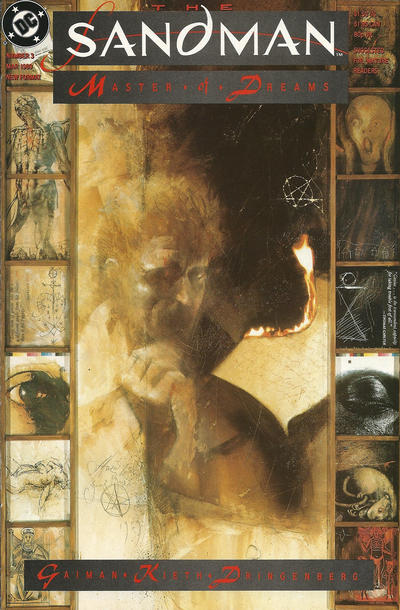
Early Constantine guest story; Dave McKean cover.
2026 raw examples: FN/VF $13.42; NM− $14.74; NM $19.75.
Reported ungraded completed sales. Aggregated seller descriptions; grades were not independently verified. Original standard edition assumed.
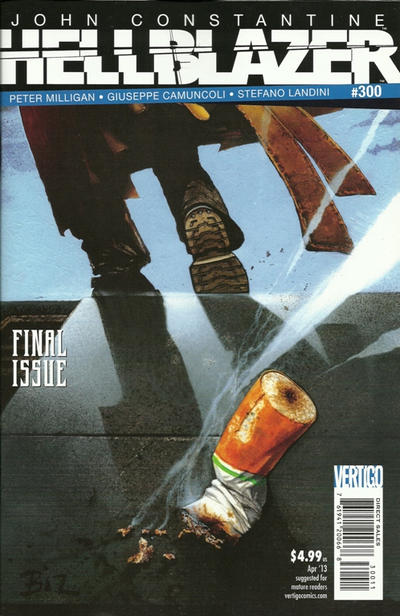
Original-series finale; standard Simon Bisley cover.
2026 reported raw sales: FN/VF $9.99; VF $15.98 and $17.98; NM $13.23.
Reported ungraded completed sales. Aggregated seller descriptions; grades were not independently verified. Original standard edition assumed.
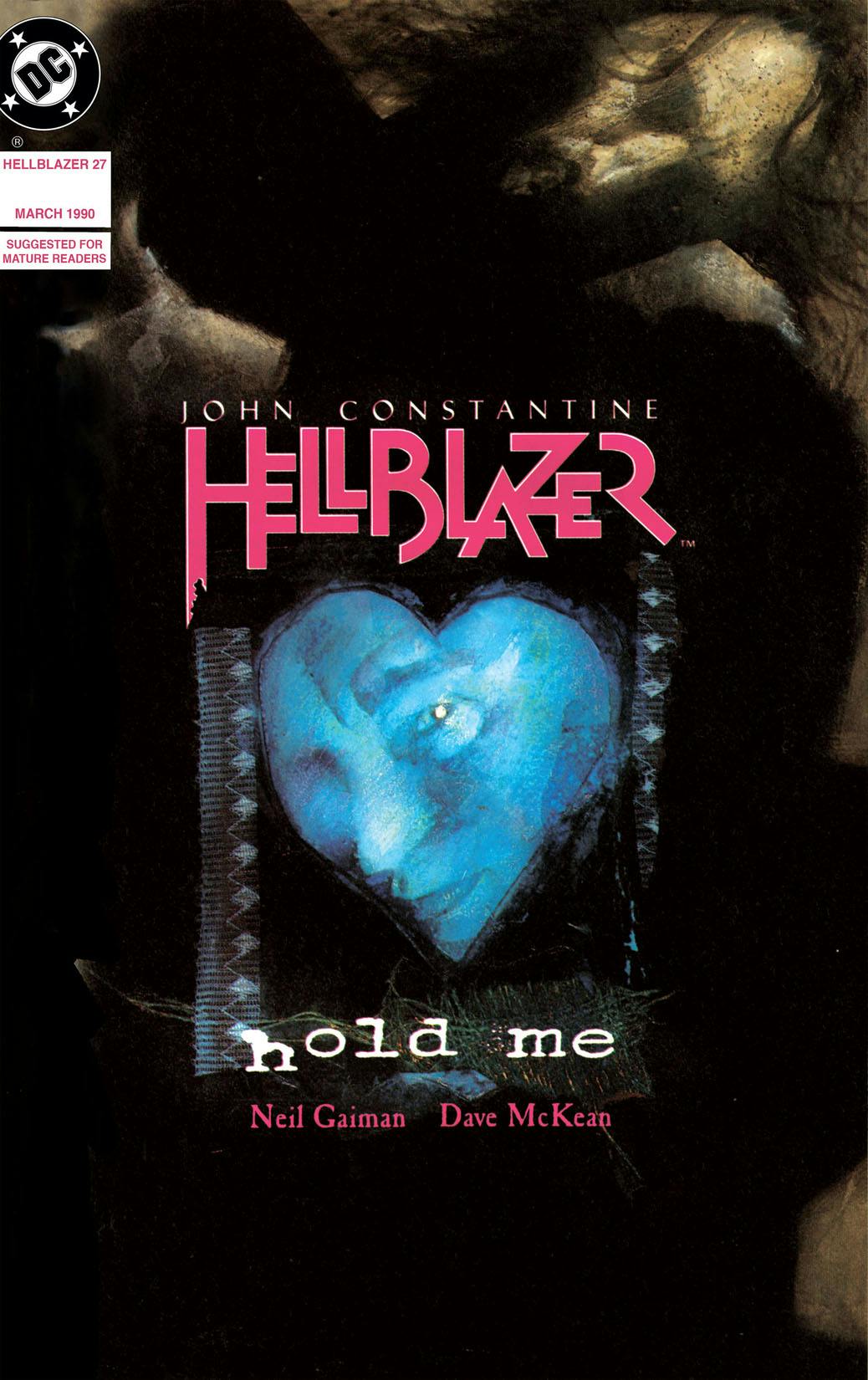
Hold Me: Neil Gaiman and Dave McKean.
2026 raw examples: FN $14 (August); FN/VF with insert $22 (May); NM $39.99 (September).
Reported ungraded completed sales. Aggregated seller descriptions; grades were not independently verified. Original standard edition assumed.
Ennis begins; Dangerous Habits part one; Tom Canty cover.
August–September 2026 examples: seller-described high grade $9.99; VF/NM $19.99; NM $39.
Reported ungraded completed sales. Aggregated seller descriptions; grades were not independently verified. Original standard edition assumed.
Launch of the original solo ongoing; Dave McKean cover.
September 2026 reported raw sales included $27.88, $36 and $46.57. Seller-described NM at $36.34; VF at $59.61 shows the noisy evidence.
Reported ungraded completed sales. Aggregated seller descriptions; grades were not independently verified. Original standard edition assumed.
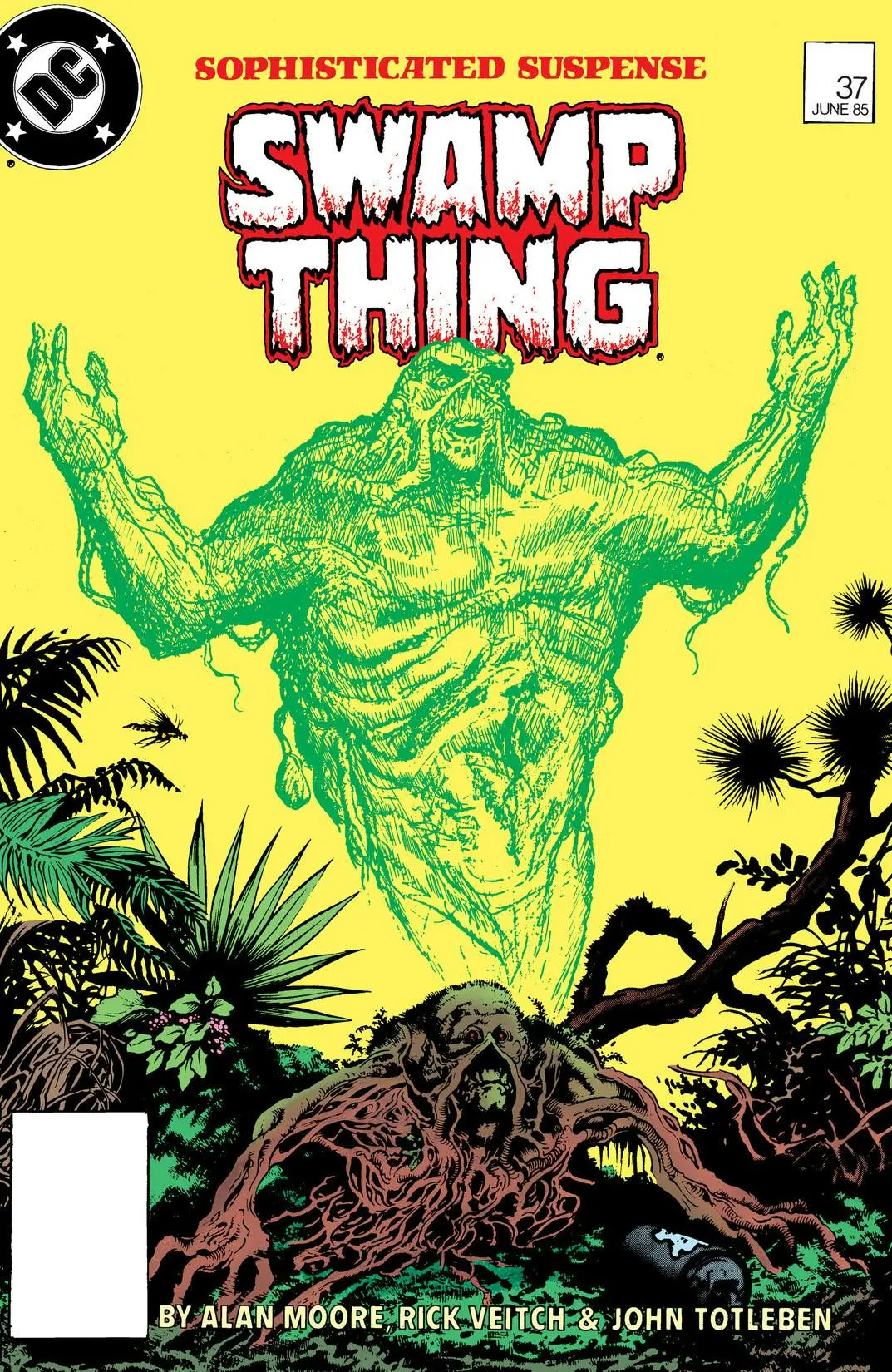
Recognised first full appearance; principal character key.
2026 raw examples: FN− $75; FN $76; VF $131.50; VF/NM $160. Within the broad lower band, target roughly £60–100 for FN and £100–180 for VF. The stronger-copy band is a cautious editorial budget, not a verified grade-specific UK median.
Reported ungraded completed sales. Aggregated seller descriptions; grades were not independently verified. Original standard edition assumed.
FN = Fine; VF = Very Fine; NM = Near Mint. These broad condition bands describe buying targets, not guaranteed grades.
Start by comparing an original Hellblazer #1, #27 and #41, then use what remains for a complete story or a cover you love. That gives you the launch, a distinctive standalone and the start of a defining run. If the debut matters more than variety, save towards a complete Swamp Thing #37 instead of paying a premium for unrelated modern variants.
The longer view: recognised first appearances and enduring stories give a collection a clear identity. They do not guarantee a return. Over ten years, demand could rise, remain flat or fall; selling fees, inflation and condition can absorb apparent gains. Buy a copy you would still enjoy owning if screen news never arrives.
A Sting-like figure in Swamp Thing #25 is often sold as a prototype or cameo. Treat it as a separate collecting curiosity. DC identifies #37 as Constantine's debut; a precursor image is not the same event.
Swamp Thing #37 introduces the named character as Alan Moore's horror expands beyond the swamp. Follow #37–50 for the wider American Gothic journey and its supernatural gathering. #50 is a major story destination, rather than another Constantine first appearance.
Collecting anchor: Swamp Thing #37 · Reading route: #37–50
Jamie Delano and John Ridgway establish the original ongoing series, with Dave McKean's covers setting an unsettling tone. The Newcastle disaster becomes essential to understanding the guilt that follows John.
Start: Hellblazer #1–9 · Then explore #11
Neil Gaiman and Dave McKean make #27 a distinctive standalone about a ghost and the people a city overlooks. It is a strong creator-led purchase, and an easy way to sample a different voice without buying a long run.
Spotlight: Hellblazer #27
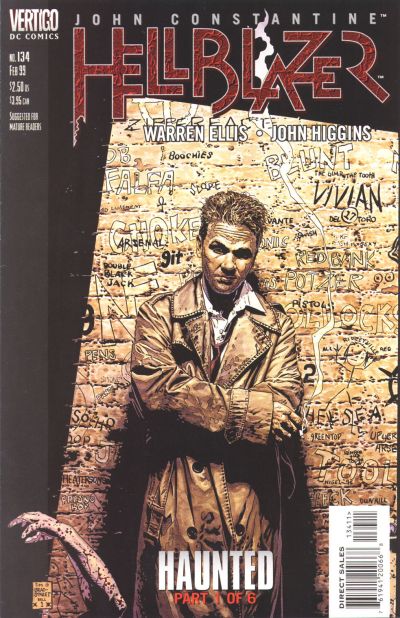
Garth Ennis begins with Dangerous Habits in #41–46. Will Simpson draws that opening arc; Steve Dillon becomes central to the later run. #63 marks John's fortieth birthday, while #78–83 delivers Rake at the Gates of Hell.
Spotlights: #41, #63 · Read complete arcs
Paul Jenkins and Sean Phillips, Warren Ellis and John Higgins, Brian Azzarello and collaborators, Mike Carey and Leonardo Manco, Denise Mina, Andy Diggle and Peter Milligan all contribute to the original title's later identity. The run ends with #300 in 2013. Pick a creator or story before committing to all three hundred issues.
Try: #120 · Haunted #134–139 · All His Engines
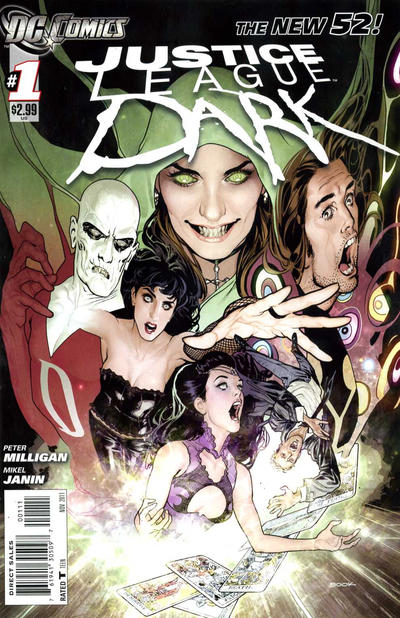
Justice League Dark brings Constantine into a supernatural team setting. Constantine, Constantine: The Hellblazer and The Hellblazer follow as separate series. The original mature-reader title overlaps with the team launch: this is a branching publishing history.
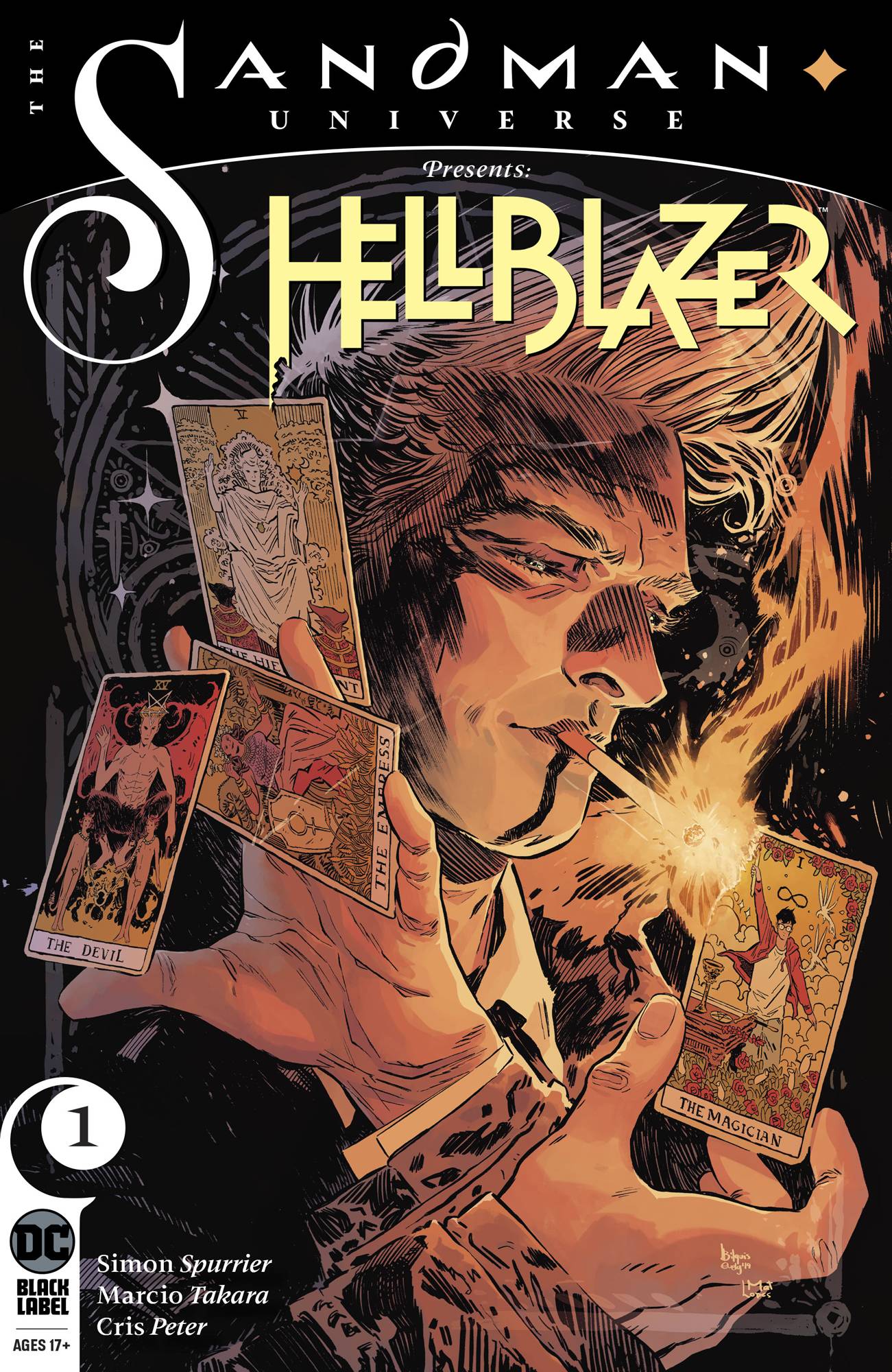
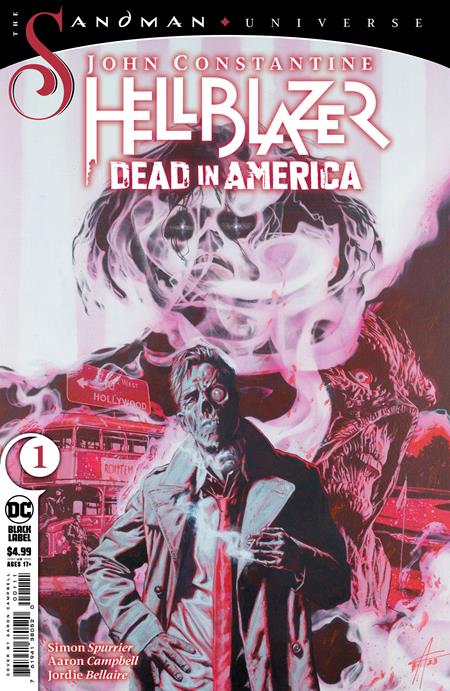
Si Spurrier and Aaron Campbell's John Constantine: Hellblazer returns to the character's mature-reader roots. Begin with The Sandman Universe Presents: Hellblazer #1, then the twelve-issue series.
Spurrier and Campbell continue with John Constantine, Hellblazer: Dead in America #1–11. Read their earlier series first for the strongest sense of continuity. This is a completed series, not a promise of a current monthly title.
Alan Moore, Stephen Bissette and John Totleben are the central creation credits. Rick Veitch pencilled the formal debut in #37, with Totleben inking. Distinguish creating the character from drawing his first full story. Bissette and Totleben provide that issue's cover.
Jamie Delano and John Ridgway launch the solo book. Dave McKean's covers make a small early-issue collection rewarding as an art collection too. #1 is both a publishing milestone and the beginning of a distinctive visual identity.
Ennis's run gives newcomers a clear story route. Simpson is the principal penciller of Dangerous Habits; Dillon is closely associated with the later stories. The cover of #41 is by Tom Canty, while #63 has a Glenn Fabry cover.
#27 is a single-issue collaboration, with McKean on interiors as well as the cover. Collect it for the specific story and creative pairing; it is not the start of an extended Gaiman run on Hellblazer.
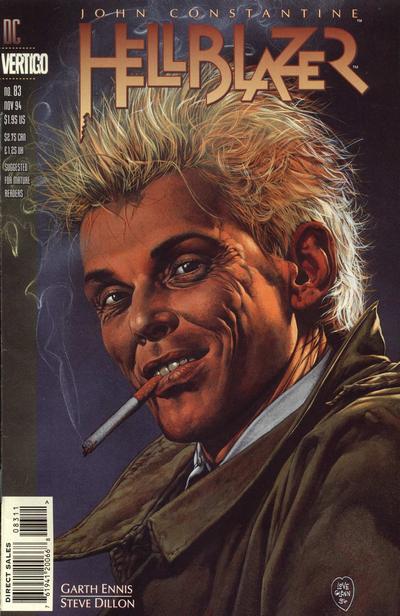
Sean Phillips, Glenn Fabry and Tim Bradstreet offer very different visual routes through the series. Choose the actual covers you like. For #120, Phillips supplies the cover as well as interior art alongside writer Paul Jenkins.
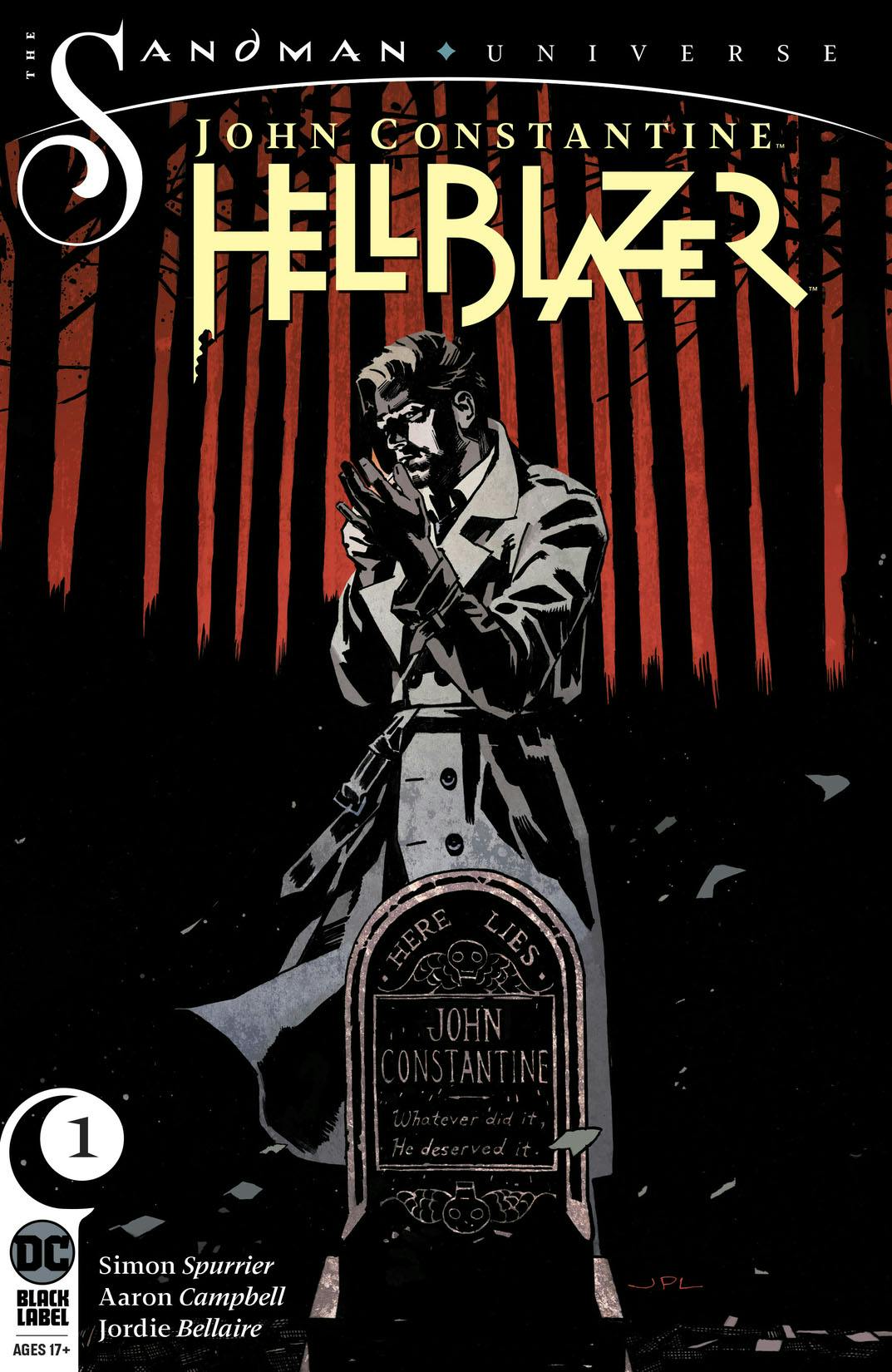
The 2019 revival and Dead in America provide a manageable modern reading project. Keep cover-artist and interior-artist credits separate when buying variants; the artist named in a listing may have drawn only the cover.
Swamp Thing #37 is the recognised debut. That makes its collecting purpose clear. #25's precursor status should be explained separately, particularly in a sales description.
Hellblazer #1 launches the original solo ongoing. The number one alone does not make every later relaunch equally significant. Always include the series year.
#11, #27, #41, #63 and #120 offer backstory, creative teams or memorable standalone reading. Their inclusion in DC's anniversary selection supports their story significance; it says nothing by itself about print-run scarcity.
Ask for the front, back, spine and interior publication details. Check completeness, staple attachment, staining, restoration and whether the item is an original, reprint or facsimile. A glossy reproduction can look impressive in a thumbnail. Swamp Thing #37 has a modern facsimile; the Millennium Edition of Hellblazer #1 is a reprint, not the 1988 original. A UK pence price alongside US and Canadian prices is not by itself proof of a scarce variant. The cover image on this guide identifies the issue; it is not evidence of the condition of a seller's copy.
For slabs, compare the exact grading label and census entry, including grade and edition. A CGC census records submitted copies, not every surviving comic. No live population figure is quoted here because a dated, edition-matched census check is required before using one to judge scarcity.
| Start here | What to buy or read | Why choose it? |
|---|---|---|
| Original Sins | Hellblazer #1–9; expanded collected edition adds Swamp Thing #76–77. | The original voice and setting. |
| Dangerous Habits | Hellblazer #41–46. Check contents when choosing a collection. | Our compact first reading pick. |
| Hold Me | Hellblazer #27. | Gaiman and McKean in one issue. |
| The Family Man | The named collection; the DC edition cited below gathers #23–24 and #28–33. | A disturbing route into Delano's stories. #25–27 interrupt the numbered sequence. |
| Rake at the Gates of Hell | Hellblazer #78–83; the original collection also includes Heartland. | A later Ennis and Dillon destination, best after earlier Ennis stories. |
| Haunted | Hellblazer #134–139, Warren Ellis and John Higgins. | A contained later-run investigation. |
| All His Engines | The standalone graphic novel by Mike Carey and Leonardo Manco. | A longer story without assembling a monthly run. |
| The modern route | The Sandman Universe Presents: Hellblazer #1 → John Constantine: Hellblazer #1–12 → Dead in America #1–11. | A defined Spurrier and Campbell reading project. |
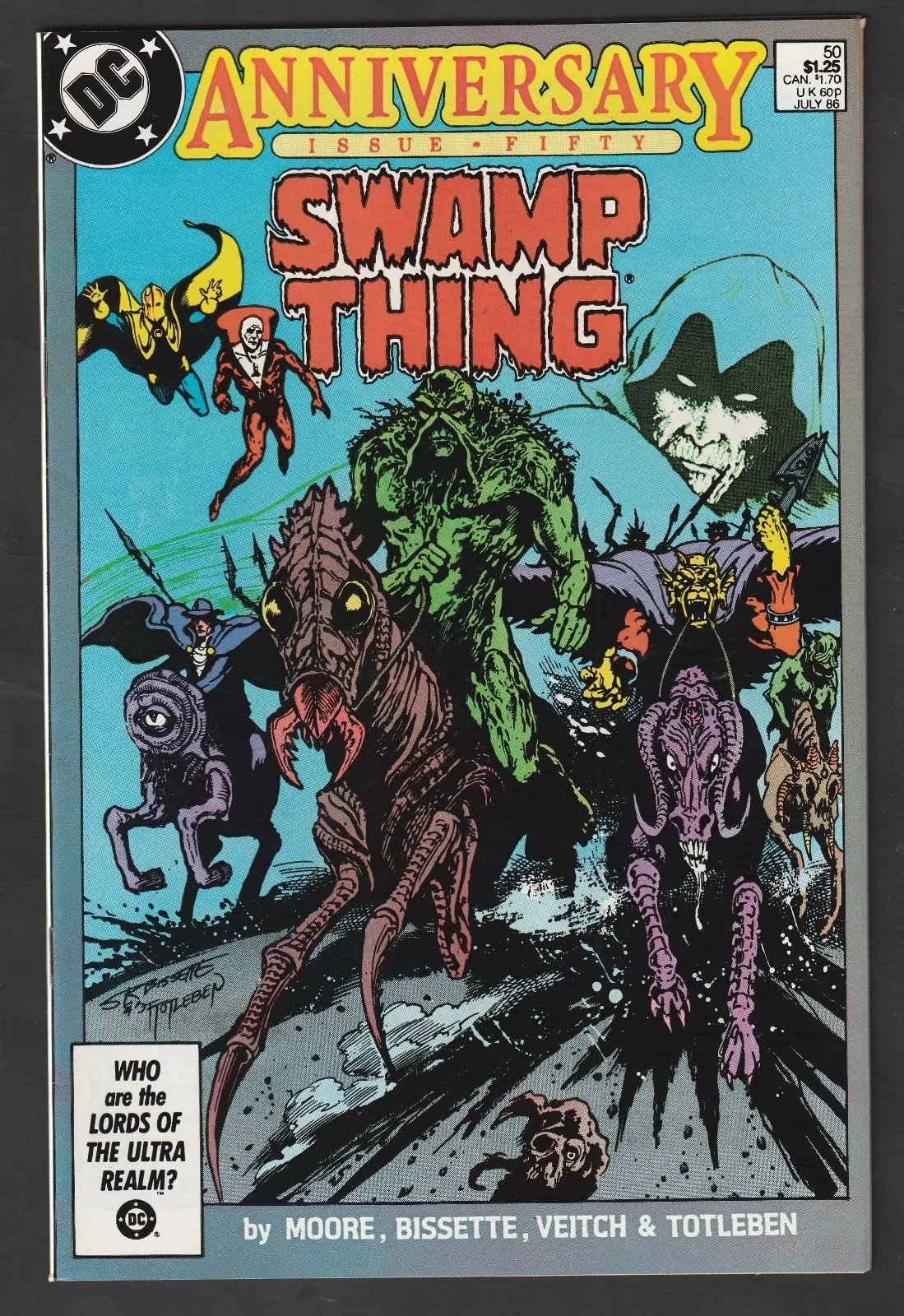
Return to #37–50 for Constantine's early role in Moore's larger supernatural story. Start with the Swamp Thing file if you want the surrounding series explained.
The Sandman #3 connects Constantine with Dream's search for his missing tools. The original four-part The Books of Magic introduces a wider tour of DC's magical world. They are useful additions for readers who want the connections, rather than another solo-series restart.
The 2011 team launch is the straightforward starting point for the superhero branch. Buy it when that ensemble interests you. It does not replace the original Hellblazer run, which was still being published when the team book began.
Use the full title and starting year when searching, cataloguing or buying. This is a map of the principal solo series, with the team branch alongside; it is not every Constantine appearance.
| Series | Issue range | Place in the collection |
|---|---|---|
| Hellblazer (1988–2013) | #1–300, plus specials and annuals | The original long-running title; begins at DC and later carries Vertigo. |
| Justice League Dark (2011) | Team-series branch; begins with #1 | Runs alongside the final years of the original title. |
| Constantine (2013–2015) | #1–23 | The New 52 solo branch. |
Constantine: The Hellblazer (2015–2016)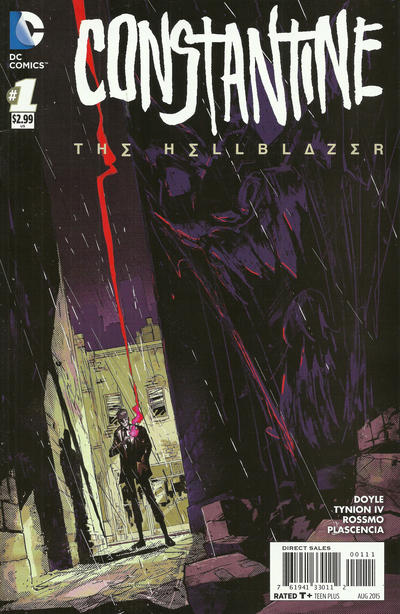 | #1–13 | A separate solo relaunch. |
| The Hellblazer (2016–2018) | Rebirth one-shot, then #1–24 | Keep the one-shot distinct from the ongoing #1. |
| John Constantine: Hellblazer (2019–2020) | Sandman Universe Presents one-shot, then #1–12 | The Spurrier and Campbell mature-reader revival. |
| John Constantine, Hellblazer: Dead in America (2024) | #1–11 | Continuation of the modern reading route. |
Nineteen full-cover references, from the debut and original Hellblazer run to the later series. Covers retain their natural proportions. Check the publication details inside a physical copy when authenticating a printing; digital and promotional references can alter price boxes.
Publication details and reading ranges are linked to DC, DC Universe Infinite and the Grand Comics Database throughout this file. Creator interpretation and the buying order are Comic Agent's editorial choices. The timeline concentrates on the principal published routes through Dead in America; it does not claim to list every later guest appearance.
Market method: indicative ranges are editorial estimates from PriceCharting’s reported completed eBay sales, with 2026 raw examples and a few older comparisons. Original listings, accepted-offer accuracy and physical condition were not independently verified. We used a rounded conversion assumption of US$1 ≈ £0.75, not a live exchange quote or a UK-only sales index. Figures are deliberately broad; low-cost sales and outliers exist. Recheck comparable completed sales before buying. PriceCharting’s graded price columns were not treated as raw values.
Cover artwork and characters belong to their respective rights holders. Images are presented as editorial issue references; no general reuse licence is asserted. Fourteen cover references were supplied for this guide, including the original Hellblazer #1 cover design with its price box. The #27, #41 and 2019 ongoing #1 references come from DC Universe Infinite; #27 has a digital price-box change. The two Swamp Thing references come from our Swamp Thing file. Images identify the artwork and issue; they do not authenticate a physical copy’s printing or condition.
Choose your first read, find a cover you love, then work towards the debut when the right copy appears. Explore the Comic Agent shop or get in touch about a book: not every comic is listed on eBay.
EXPLORE THE COMIC AGENT SHOP