
The person
Johnny Storm, created by Stan Lee and Jack Kirby. His first appearance is Fantastic Four #1, cover-dated November 1961. The team’s encounter with cosmic rays gives him his powers.
The hothead, the hero and the heart behind the fire. Follow Johnny Storm through the comics worth reading, the covers worth finding and the milestones worth understanding.
Johnny is Sue Storm’s younger brother, Ben Grimm’s favourite sparring partner and the Fantastic Four’s most impulsive adventurer. The flames get your attention. His loyalty makes the best stories matter.
Johnny Storm, created by Stan Lee and Jack Kirby. His first appearance is Fantastic Four #1, cover-dated November 1961. The team’s encounter with cosmic rays gives him his powers.
Johnny can ignite his body, fly and control flame. He is more than a human firework: precision, restraint and responsibility matter as much as spectacle. His powers do not make everyone around him fireproof.
Family arguments, Spider-Man banter, spectacular cosmic rescues and moments of unexpected vulnerability. A Torch collection works especially well when it combines solo features with carefully chosen Fantastic Four stories.
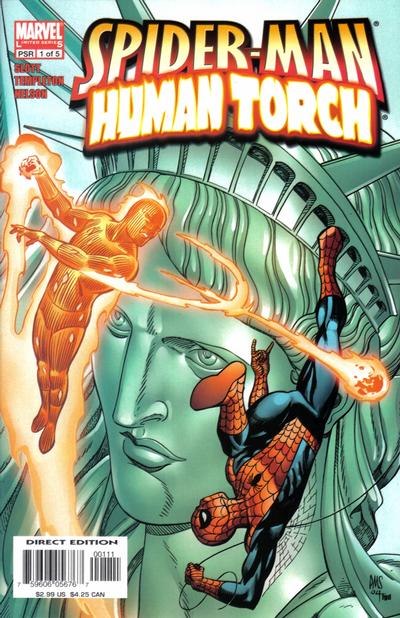
Dan Slott and Ty Templeton’s five-issue 2005 miniseries follows Peter Parker and Johnny through different stages of their friendship. The competitive humour makes it welcoming; the affection underneath gives it staying power.
Read #1–5 as a complete set or in a collection. Marvel’s I’m with Stupid digest collects all five. You do not need a valuable original to enjoy the story.
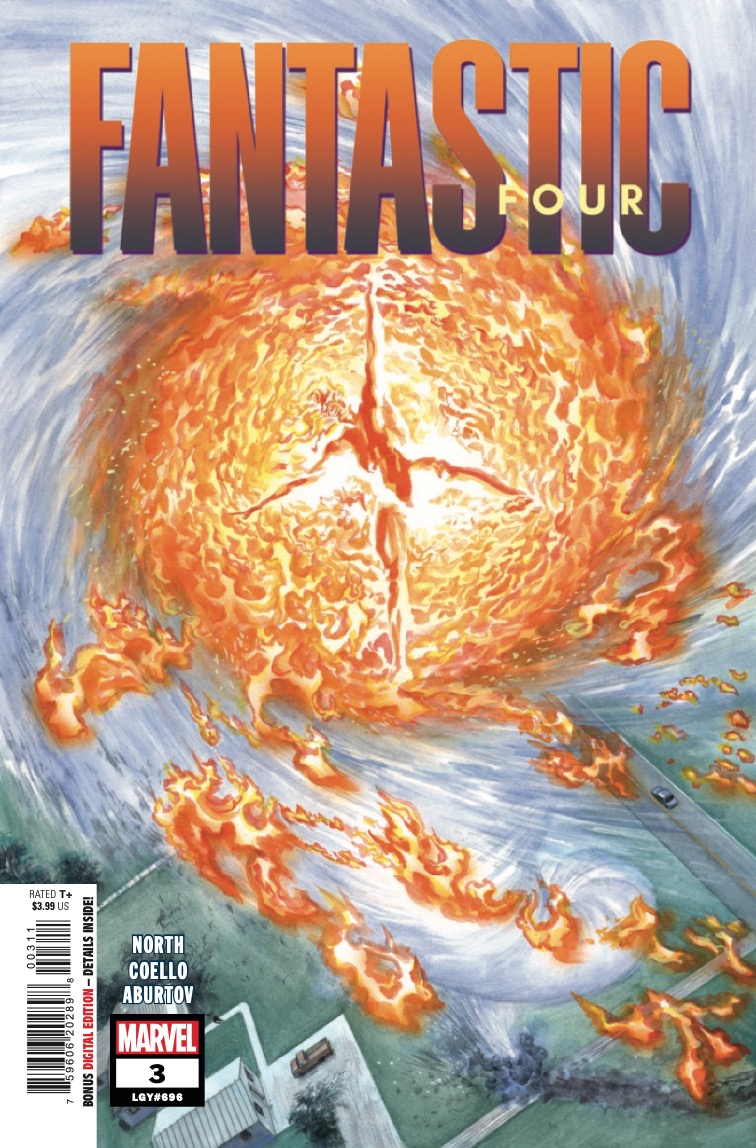
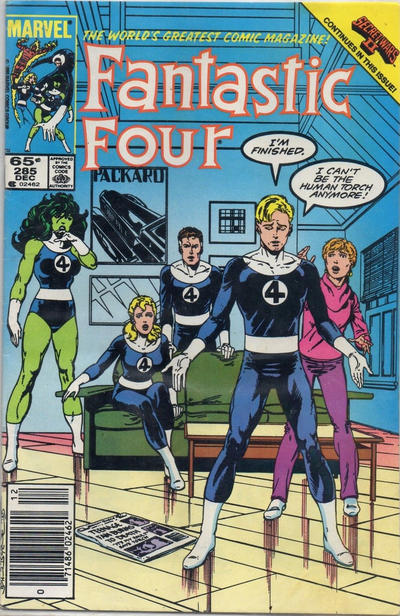
One issue instead? Try Fantastic Four #285, “Hero”, for a serious Johnny story, or Fantastic Four (2022) #3 for a modern spotlight.
These ten collecting picks move from inexpensive reading copies to major originals. Each has a reason to be here. The sterling figures are converted provider guides, not verified UK sale prices. Delivery can exceed the price of a cheap issue; complete runs can offer better reading value.
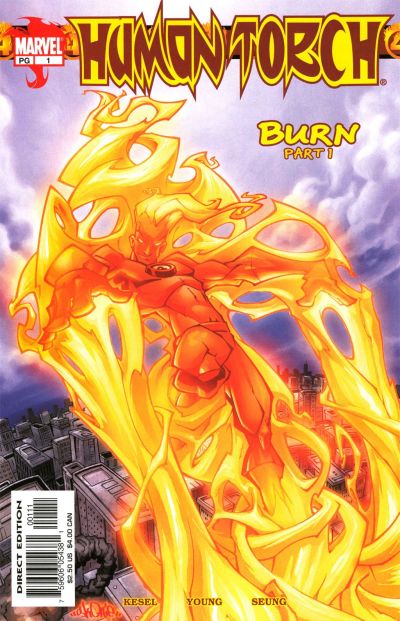
A self-titled Johnny Storm launch with an immediately recognisable Skottie Young look. A manageable twelve-issue reading project.
Raw acquisition guide · not a recorded sale
2003 regular first print. The 1974 reprint title and 2009 Jim Hammond series are different books.
Key Collector issue guide: low / mid / high $1 / $2 / $3. Retrieved 29 September 2026; price-update date unspecified. Method and rounding.
Our first reading pick starts here. Buying all five issues makes more sense than treating #1 alone as the complete story.
Raw acquisition guide · not a recorded sale
2005 standard #1. A collected edition may be the more practical way to read the complete miniseries.
Key Collector issue guide: low / mid / high $1 / $2 / $3. Retrieved 29 September 2026; price-update date unspecified. Method and rounding.
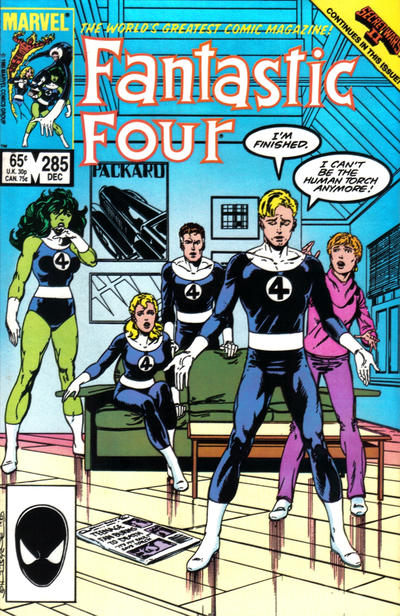
John Byrne’s Hero gives Johnny a difficult, deeply personal test. A story-led choice rather than a first appearance.
Raw acquisition guide · not a recorded sale
1985 original. Direct edition shown; the newsstand comparison below is a separate edition check, with no automatic premium assumed.
Key Collector issue guide: low / mid / high $1 / $2 / $3. Retrieved 29 September 2026; price-update date unspecified. Method and rounding.
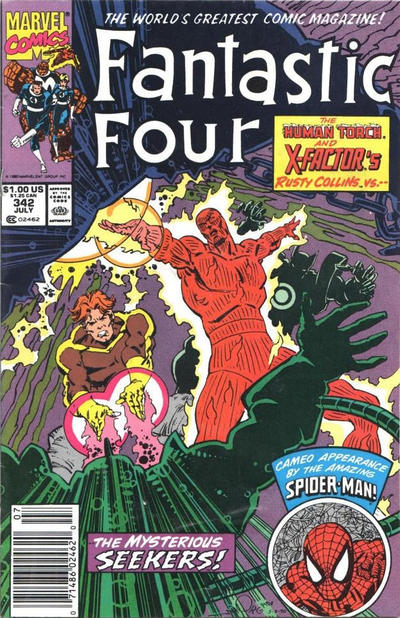
A Torch-focused Fantastic Four issue with Rusty Collins and a bold flame-filled cover. Useful for a smaller Johnny collection.
Raw acquisition guide · not a recorded sale
1990 standard original. Check the issue number: the New Fantastic Four replacement-team story starts later, in #347.
Key Collector issue guide: low / mid / high $1 / $2 / $3. Retrieved 29 September 2026; price-update date unspecified. Method and rounding.
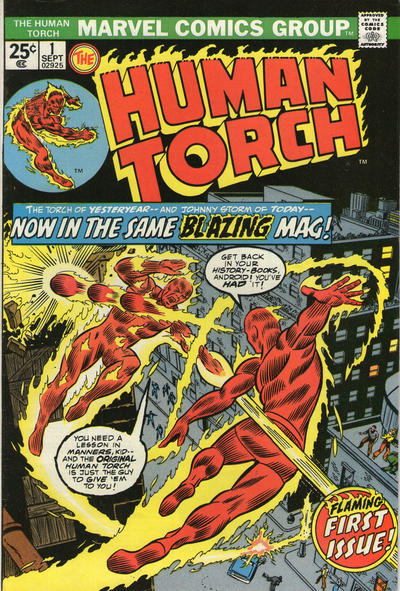
A Bronze Age number one that brings Johnny and the Golden Age Torch onto the same cover. Collect the format and artwork with the reprint status understood.
Raw acquisition guide · not a recorded sale
1974 reprint anthology. This is not either character’s debut and not a new 1974 Johnny origin.
Key Collector issue guide: low / mid / high $5 / $12 / $40. Retrieved 29 September 2026; price-update date unspecified. Method and rounding.
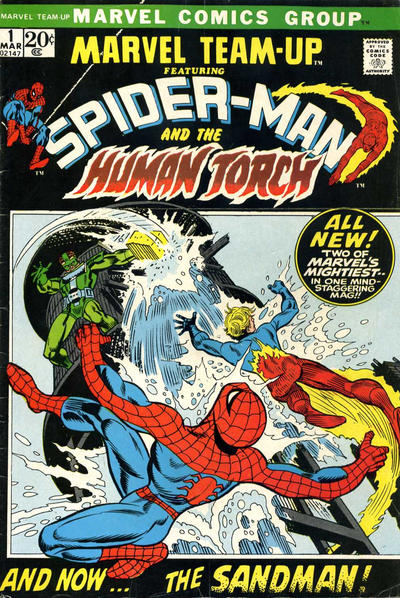
Spider-Man and Johnny launch one of Marvel’s major team-up titles. A clear series milestone with strong cover appeal.
Raw acquisition guide · not a recorded sale
Original March 1972 cover-dated edition. Match an original against originals, not a facsimile or later reprint.
Key Collector issue guide: low / mid / high $20 / $75 / $220. Retrieved 29 September 2026; price-update date unspecified. Method and rounding.
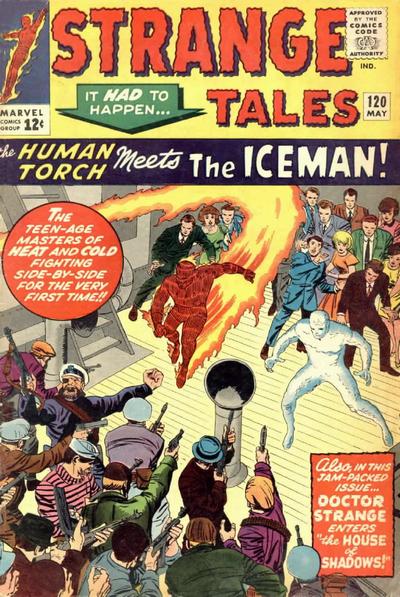
The fire-and-ice pairing makes a distinctive Silver Age crossover target. Buy for Johnny and Iceman’s meeting and the cover composition.
Raw acquisition guide · not a recorded sale
1964 original. Provider categories cover a wide spread of raw condition; inspect spine, staples and completeness.
Key Collector issue guide: low / mid / high $40 / $120 / $420. Retrieved 29 September 2026; price-update date unspecified. Method and rounding.
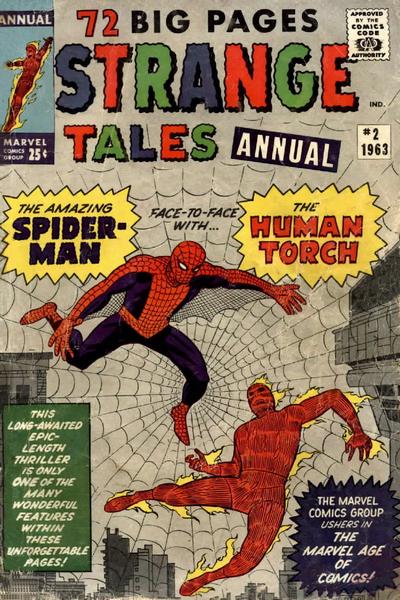
An early Spider-Man / Torch encounter in an oversized annual. A substantial companion to the solo-feature launch.
Raw acquisition guide · not a recorded sale
1963 original annual. Check the square-bound spine, glue, cover attachment and complete interior. It is not their first meeting.
Key Collector issue guide: low / mid / high $150 / $500 / $1,500. Retrieved 29 September 2026; price-update date unspecified. Method and rounding.
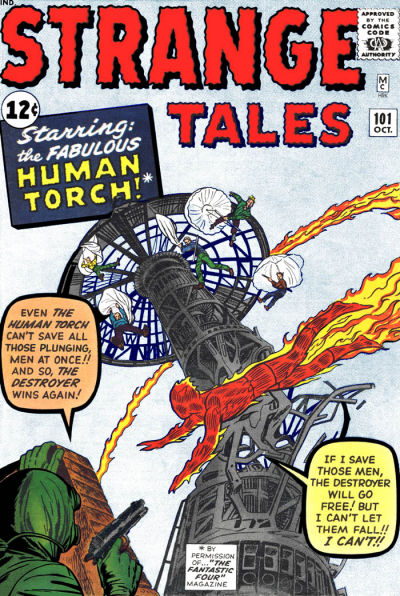
Johnny’s first solo feature gives this issue a direct place in a focused Human Torch collection, without confusing it with his debut.
Raw acquisition guide · not a recorded sale
1962 US original. Pence editions, restored copies and graded examples require separate comparisons.
Key Collector issue guide: low / mid / high $175 / $450 / $1,900. Retrieved 29 September 2026; price-update date unspecified. Method and rounding.
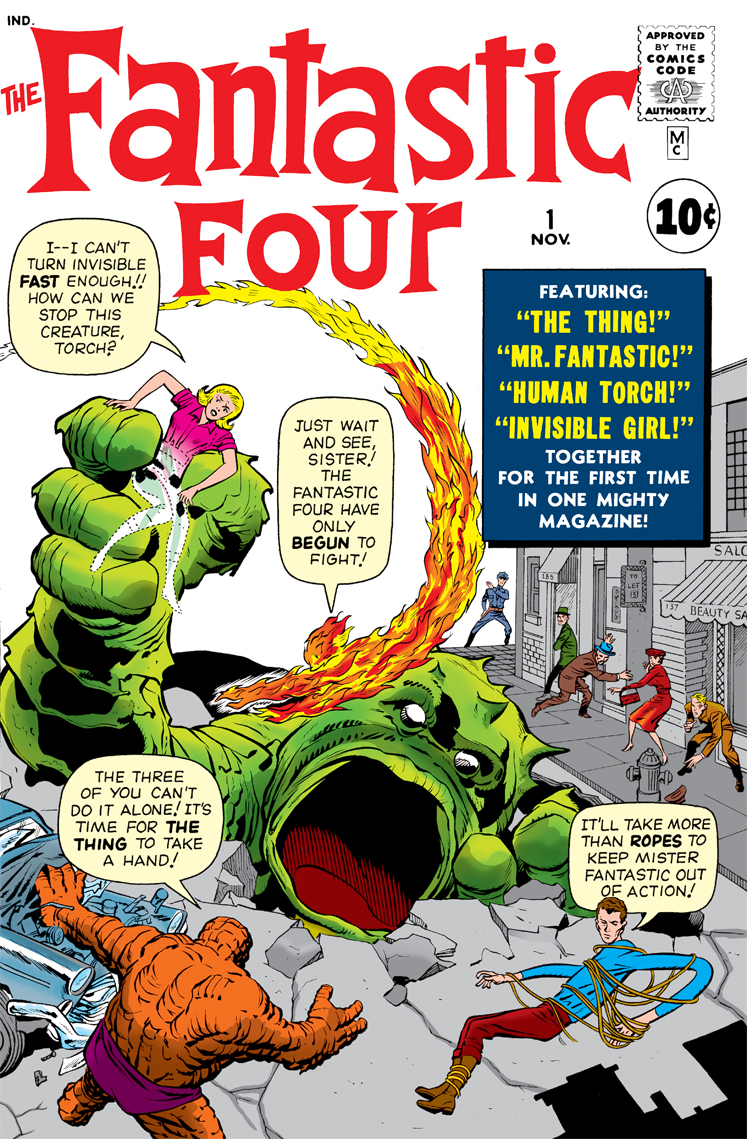
The first appearance of Johnny Storm and the Fantastic Four. An optional long-term destination; reprints deliver the story at a completely different cost.
Raw acquisition guide · not a recorded sale
1961 original only. This broad provider guide cannot value a particular copy. Completeness, restoration, grade and provenance need specialist scrutiny and matching recent sales.
Key Collector issue guide: low / mid / high $12,000 / $49,500 / $240,000. Retrieved 29 September 2026; price-update date unspecified. Method and rounding.
Key Collector’s published low / mid / high raw acquisition guides were retrieved on 29 September 2026. This is our retrieval date, not a dated sale or confirmation of when the provider last changed its estimates. We have not verified a matched sample of UK completed sales.
We use an illustrative conversion of US$1 = £0.75, rather than a live exchange quote. Range endpoints are rounded outwards to whole pounds, with a £1 minimum. The mid-category guide is rounded to whole pounds below £100, tens below £10,000 and hundreds above that. These are the provider’s condition categories, not numerical grades we have assigned.
Compare recent completed sales for the same printing, edition, condition and restoration status before setting a budget. Asking prices and guide estimates are different kinds of evidence. Fees, postage and selling time matter; no appreciation or resale return is promised. For Fantastic Four #1, a copy-specific appraisal and relevant sales evidence matter far more than a broad guide.
A selected publication timeline, read from top to bottom. Cover dates identify the older books; release dates are called out where they differ.
Lee and Kirby introduce Johnny alongside Sue, Reed Richards and Ben Grimm. He is the youngest member of a team that quarrels like a family because it is one. His first appearance belongs to the same issue as the team’s debut.
Fantastic Four #1
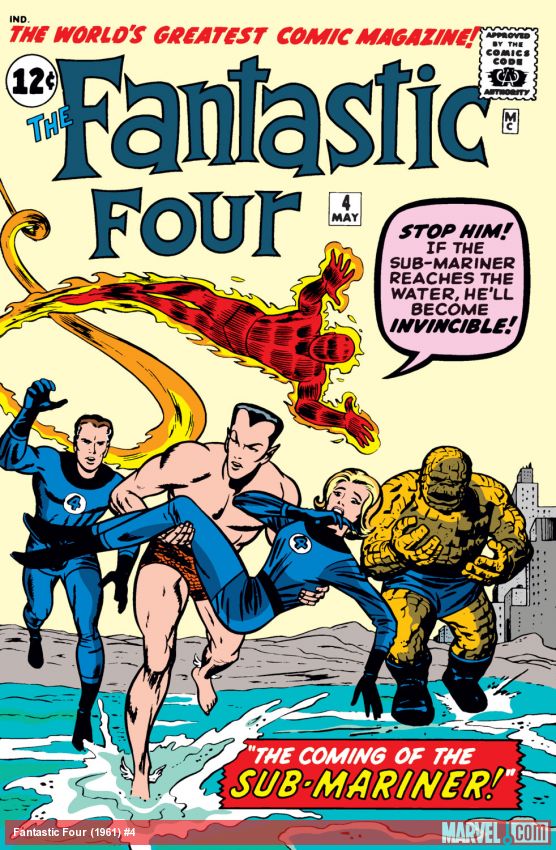
In Fantastic Four #4, Johnny encounters an amnesiac Namor and helps uncover his identity. It connects Marvel’s new family to a major Golden Age character. The issue is Namor’s Silver Age return, not his first appearance ever.
Fantastic Four #4
Strange Tales #101 begins Johnny’s feature. The Torch material runs through #134, with the Thing increasingly sharing the action. It is a defined collecting project, but the original comics also contain other features: buying the whole anthology and reading a Torch-only collection are different experiences.
Strange Tales #101–134 · Annual #2
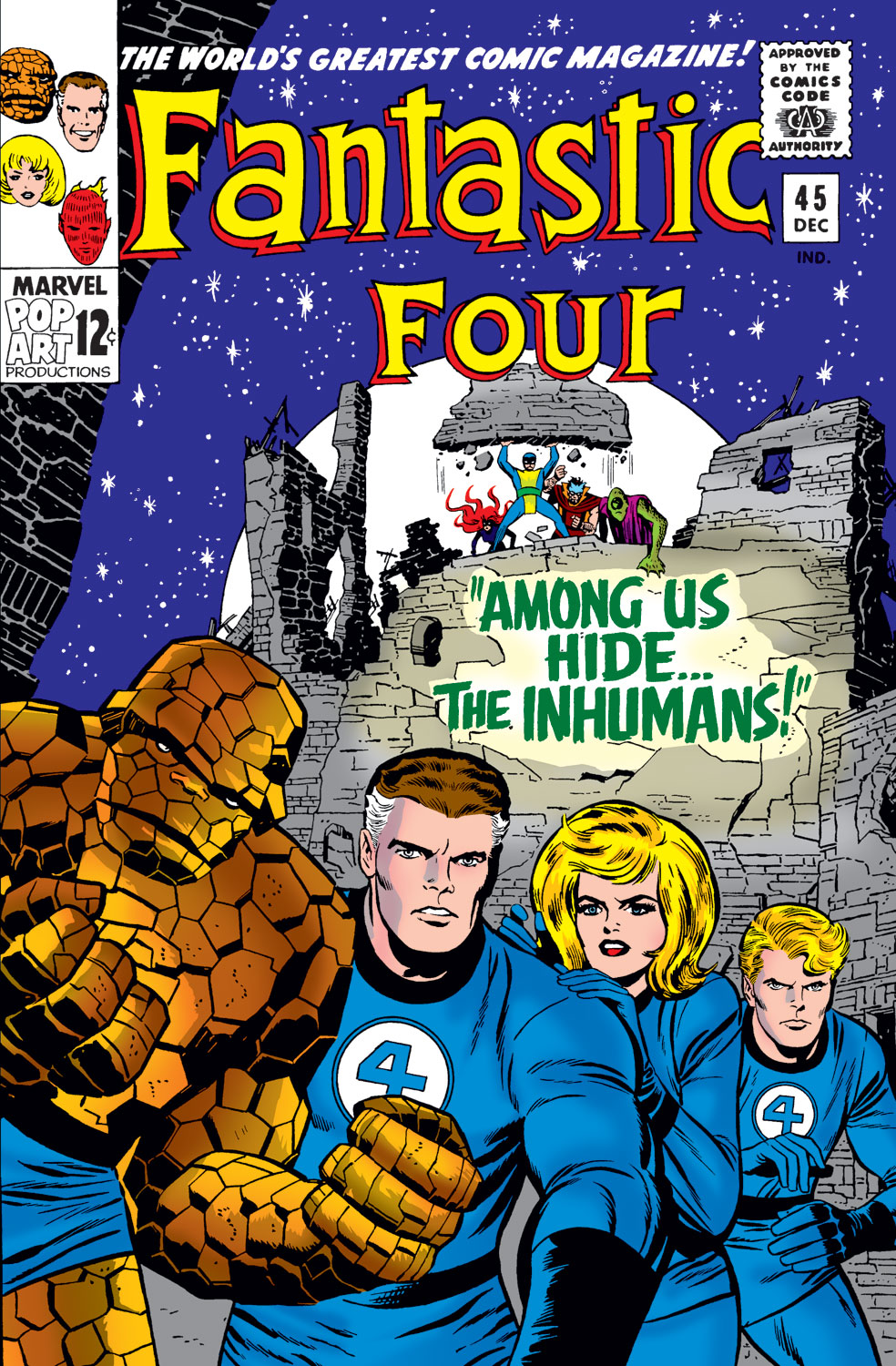
Johnny’s connection with Crystal is central to his early personal story. Fantastic Four #45 introduces Crystal and the Inhumans as a group, expanding the family’s world beyond familiar city streets. Some Inhumans had appeared earlier, so this is not every member’s individual debut.
Fantastic Four #45 onward
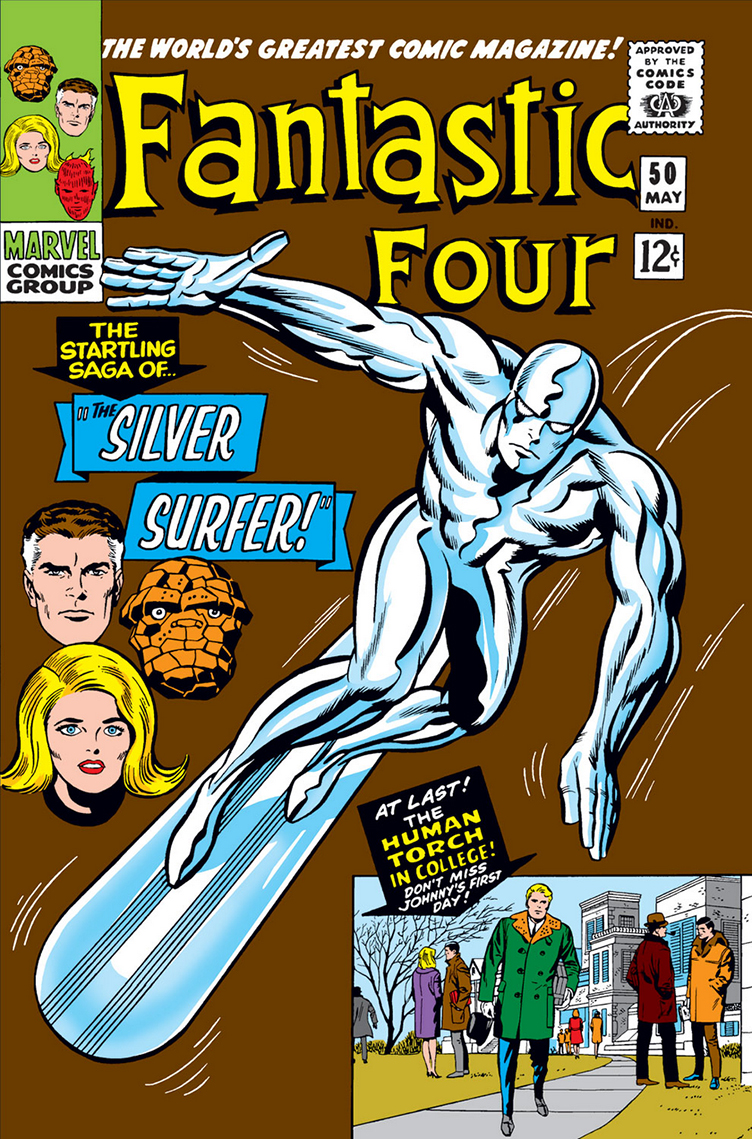
During #48–50, Johnny makes the dangerous journey to obtain the Ultimate Nullifier. The mission gives him a decisive role in the family’s response to Galactus. Read the complete trilogy: #50 is its conclusion, not a standalone origin.
Read Fantastic Four #48–50
Marvel Team-Up #1 brings Johnny and Peter together against Sandman. It is an appealing series-launch collectible and part of a much longer friendship. The cover reads March 1972; the comic went on sale in December 1971.
Marvel Team-Up #1
The eight-issue Human Torch series reprints earlier material. Its first cover puts Johnny beside the original Torch, making the shared name impossible to miss. Collect it as a Bronze Age reprint series with its own physical and visual appeal.
The Human Torch #1–8
John Byrne puts Johnny’s public image under painful scrutiny after a young admirer suffers a fatal accident imitating him. It is a serious story about responsibility and grief, with Spider-Man helping Johnny confront what happened. A valuable reading landmark even without a major debut.
Fantastic Four #285 · Themes include a child’s death
Johnny shares a Torch-focused issue with Rusty Collins from the X-Factor corner of Marvel. Fantastic Four #342 offers a smaller collecting target and a cover that places Johnny’s flame powers front and centre.
Fantastic Four #342
Karl Kesel and Skottie Young launch the twelve-issue Human Torch series in 2003. Slott and Templeton follow with the five-issue Spider-Man/Human Torch miniseries in 2005. One explores a solo spotlight; the other makes the long friendship the main attraction.
Human Torch #1–12 · Spider-Man/Human Torch #1–5
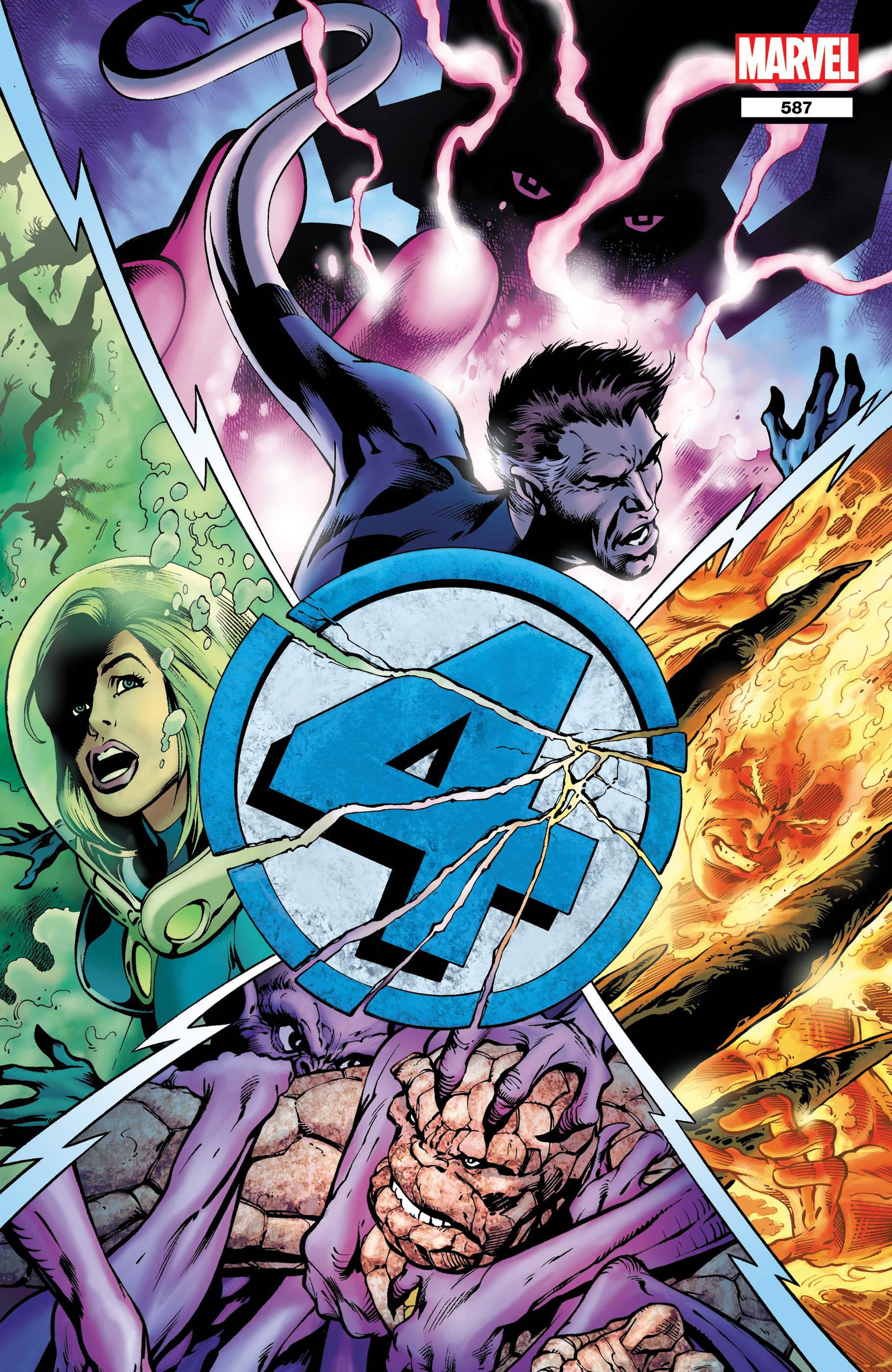
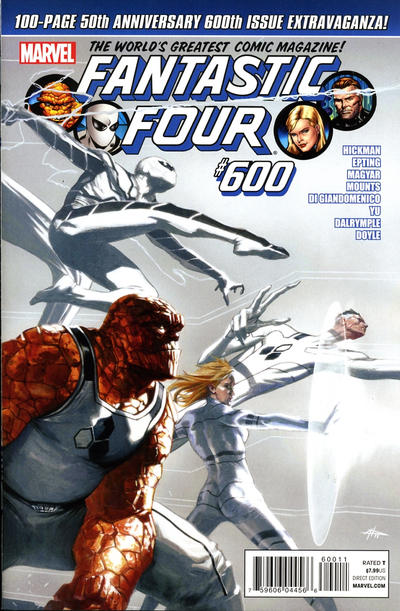
Jonathan Hickman’s “Three” reaches its apparent fatal sacrifice in #587. Johnny’s return is revealed in #600 later that year. These are major story markers, but Hickman’s Fantastic Four and FF chapters belong to a larger reading sequence.
Fantastic Four #587 and #600
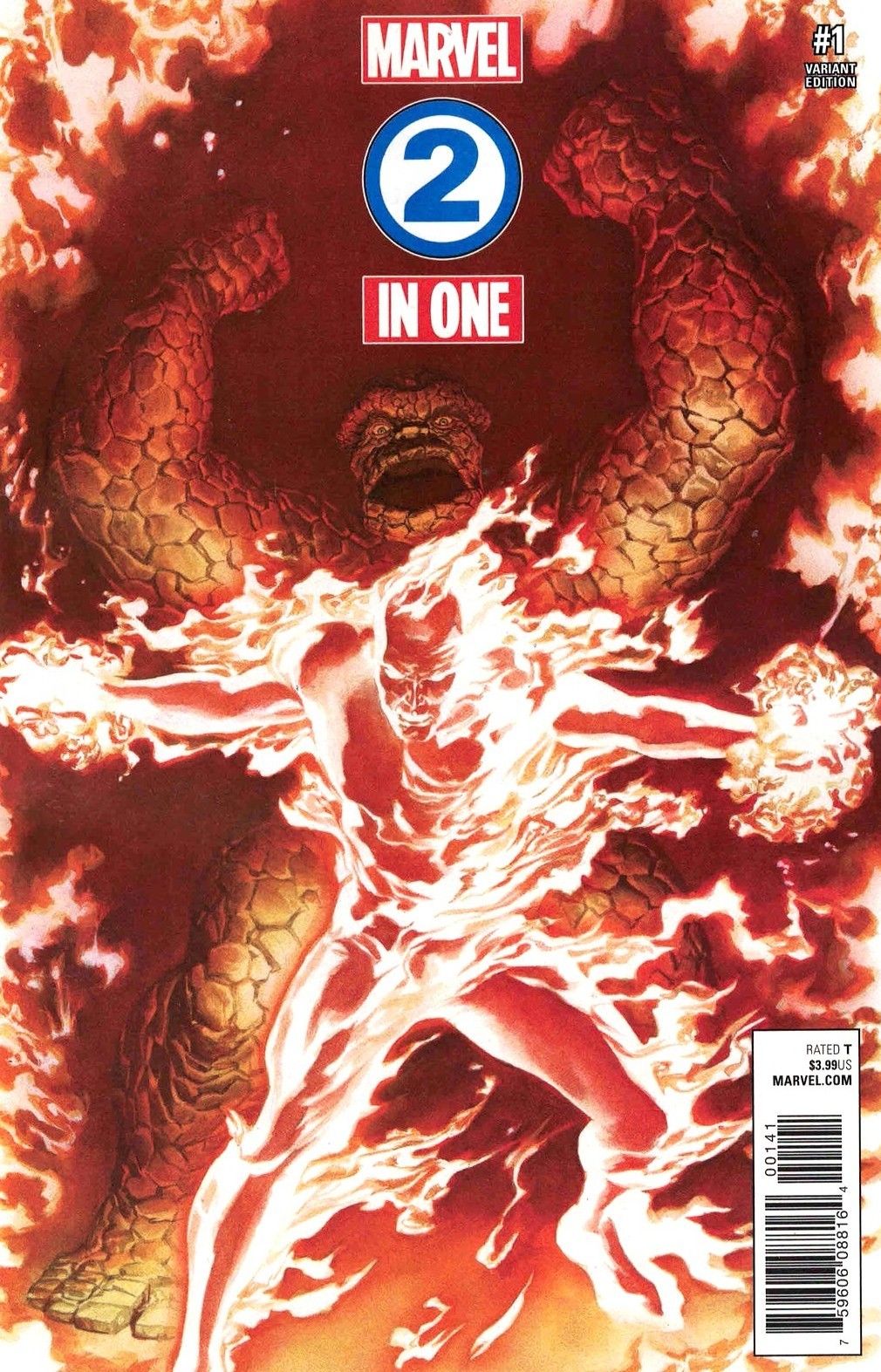
Chip Zdarsky and launch artist Jim Cheung begin Marvel 2-in-One, following the Thing and Torch while the family is separated. Ben’s stubbornness and Johnny’s vulnerability make this a strong companion to the team book.
Marvel 2-in-One (2017) #1–12 · Annual #1
Ryan North and Iban Coello put Johnny at the centre of the third issue of the series launched in 2022. The comic was released in January 2023. Keep both the series year and issue number in your search: New Fantastic Four #3 is a different book.
Fantastic Four (2022) #3 · Alex Ross main cover
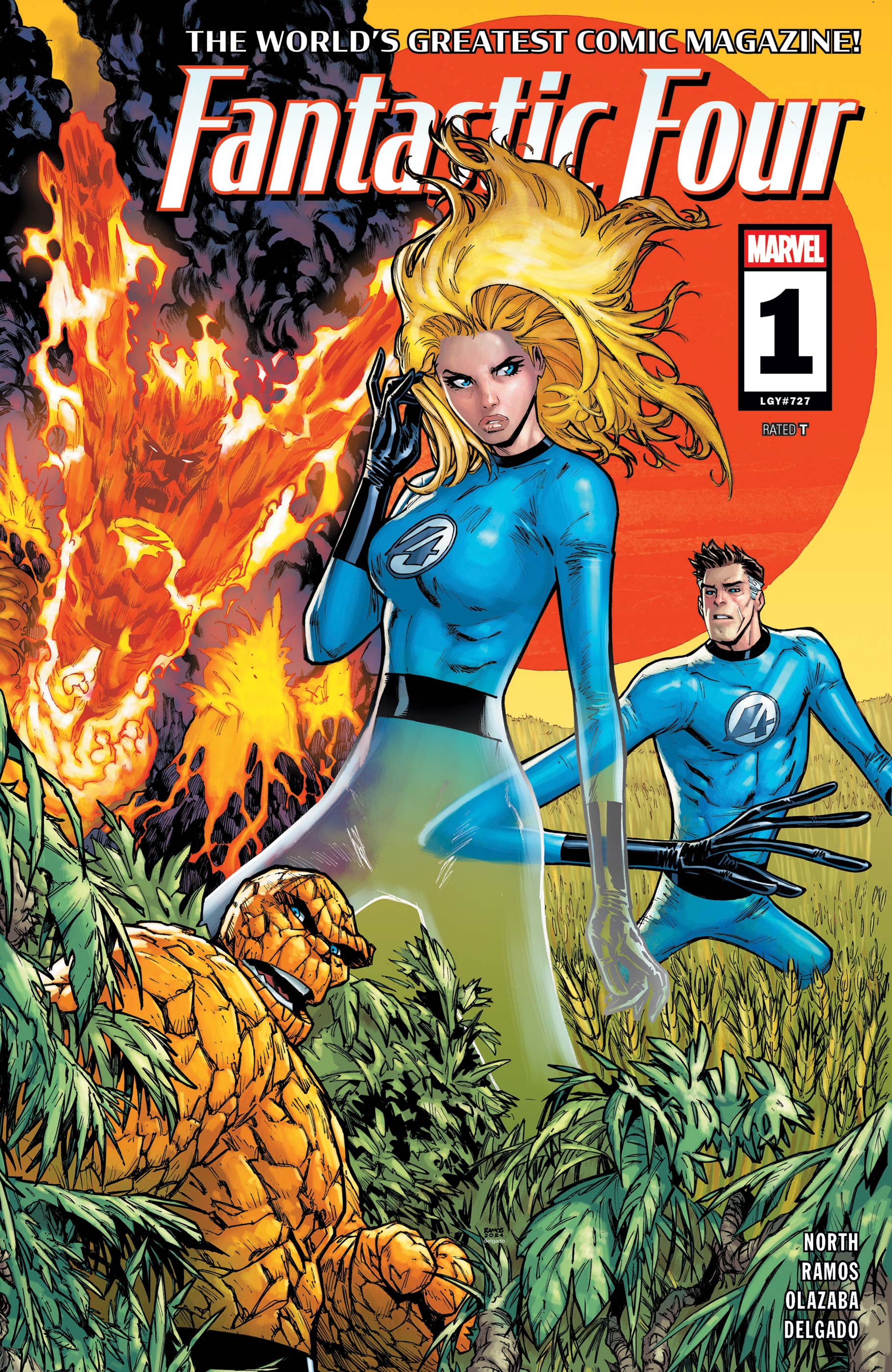
Ryan North continues into the 2025 Fantastic Four relaunch with Humberto Ramos. For the wider team’s later issues, legacy numbering and reading routes, follow our Fantastic Four field guide. This Torch file selects the landmarks most useful for Johnny’s own shelf.
Fantastic Four (2025) #1
The creators establish Johnny’s brash energy and place in the family. Kirby’s visual imagination lets a flaming teenager belong in street-level fights and cosmic landscapes. Joe Sinnott’s inking is central to the look of many later classic issues, including #50.
Lee, Larry Lieber, Kirby, Dick Ayers and later contributors build Johnny’s early solo corner. Credits vary by story and issue. Doctor Strange’s separate feature shares the anthology; a Ditko story inside does not automatically mean a Ditko Torch cover.
Byrne’s writing and drawing make “Hero” an especially direct example of his character work. Start with #285, then explore his wider Fantastic Four run if you want the surrounding family history.
The 2003 launch gives Johnny a bold, youthful visual identity. Young’s exaggerated shapes and movement suit a lead who rarely stays still. Buy the full twelve-issue series for the reading project; #1 is the starting marker.
The 2005 miniseries turns competition into affection. Templeton’s expressive storytelling supports Slott’s jokes without losing the human moments. It is our easiest recommendation for meeting Johnny through a friendship.
North and Coello tell the story inside the 2023 spotlight; Ross paints its cover. That separation matters when collecting for an artist. The Ross Marvel 2-in-One image elsewhere in this guide is a variant cover, not the interior art team.
Fantastic Four #1 introduces Johnny. Marvel Comics #1 introduces Jim Hammond. Strange Tales #101 begins Johnny’s solo feature. Those are three separate milestones.
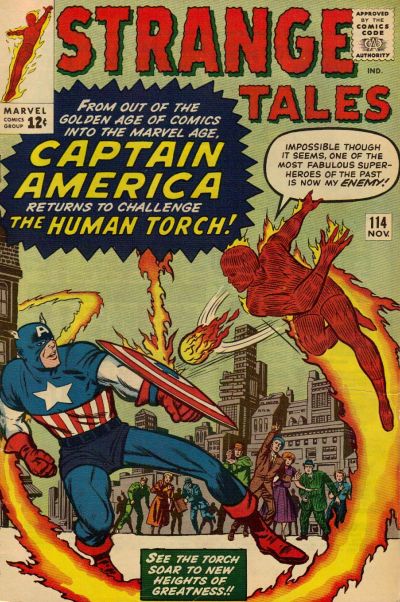
The figure on Strange Tales #114 is the Acrobat impersonating Captain America. Steve Rogers’ recognised Silver Age return comes in Avengers #4. A familiar costume alone does not establish a character’s return.
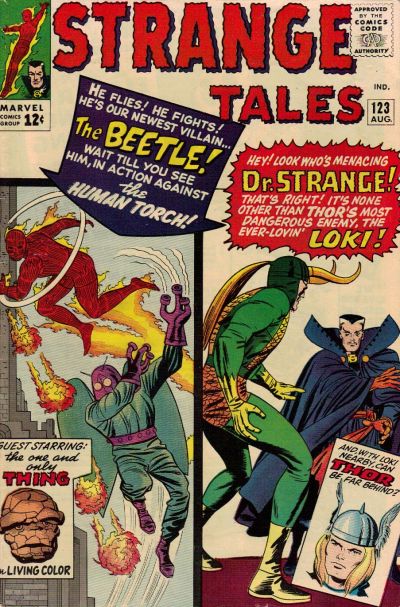
Strange Tales #123 introduces the Beetle in the Torch/Thing feature. That is a genuine first-appearance reason to collect it, alongside the cover and its place in Johnny’s early run.
The direct-market cover has the Spider-Man symbol in its lower-left box. The newsstand cover has a barcode. They contain the same “Hero” story.
These references also differ in scan colour. That does not by itself establish a printing variation. A barcode alone does not prove rarity or justify a premium: compare the exact edition and condition against relevant sales.
Check the interior publication details, printing, completeness, staples, spine and any restoration. Later facsimiles can reproduce the classic cover very closely. Our images identify issues and artwork; they are not condition reports for copies offered for sale.
For graded books, compare the same issue, edition, grade and label. A CGC Census count measures graded submissions, not every surviving copy. We do not assign scarcity from a cover scan or quote an undated population number.
Read: #1–5 (2005). Our first choice for humour, rivalry and the affection behind the arguments. The collection I’m with Stupid contains the complete miniseries.
Read: Torch material from #101–134 and Annual #2. Marvel Masterworks: The Human Torch volume 1 covers #101–117 and Annual #2; volume 2 covers #118–134.
Read: Fantastic Four #48–50. Johnny’s mission for the Ultimate Nullifier is a reminder of how much courage lies beneath the showmanship.
Read: Fantastic Four #285. One issue with a heavy emotional subject: a child’s fatal imitation of his idol. Choose it for character depth rather than light adventure.
Read: Fantastic Four #583–588, then continue Hickman’s interwoven FF / Fantastic Four run. #587 and #600 are milestones within the longer story. A collected reading sequence keeps the chapters in order.
Read: Marvel 2-in-One (2017) #1–12 and Annual #1. The larger Fantastic Four: Fate of the Four collection contains the full run; shorter volume-one editions do not.
These books make a lively side collection, or a cover sequence that tells a story as you flick through it. Some are team-ups; others are guest appearances or unusual anthology moments.
Strange Tales Annual #2 (1963) gives the pair an early clash. They had already met in Amazing Spider-Man #1; avoid describing the annual as their first meeting.
Strange Tales #120 (1964) pairs Johnny with Iceman. The opposed powers give the cover an immediate visual hook and connect the Torch to the early X-Men world.
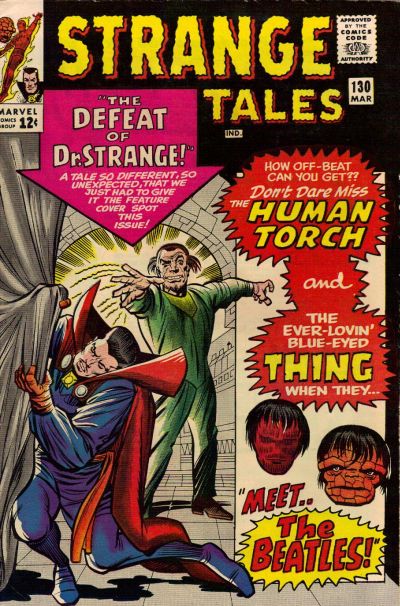
Strange Tales #130 (1965) sends Johnny and Ben into a Beatles-themed story. Doctor Strange takes most of the cover; the Torch connection is advertised in the smaller panel.
Marvel Team-Up #1 is an excellent bridge from Johnny’s shelf to Spider-Man’s. It begins the team-up title, not the friendship itself.
Fantastic Four #342 (1990) adds Rusty Collins to the mix. It is a useful Torch-focused cover beyond the obvious major first appearances.
The 2017 Marvel 2-in-One launch is a natural modern pairing. The Alex Ross variant shown here works as an artwork choice; price it against that variant, not the standard cover.
A selected map of the publications discussed here. The Fantastic Four series guide explains the wider team’s relaunches and legacy numbering.
| Series / period | What to look for | What it means |
|---|---|---|
Marvel Comics (1939)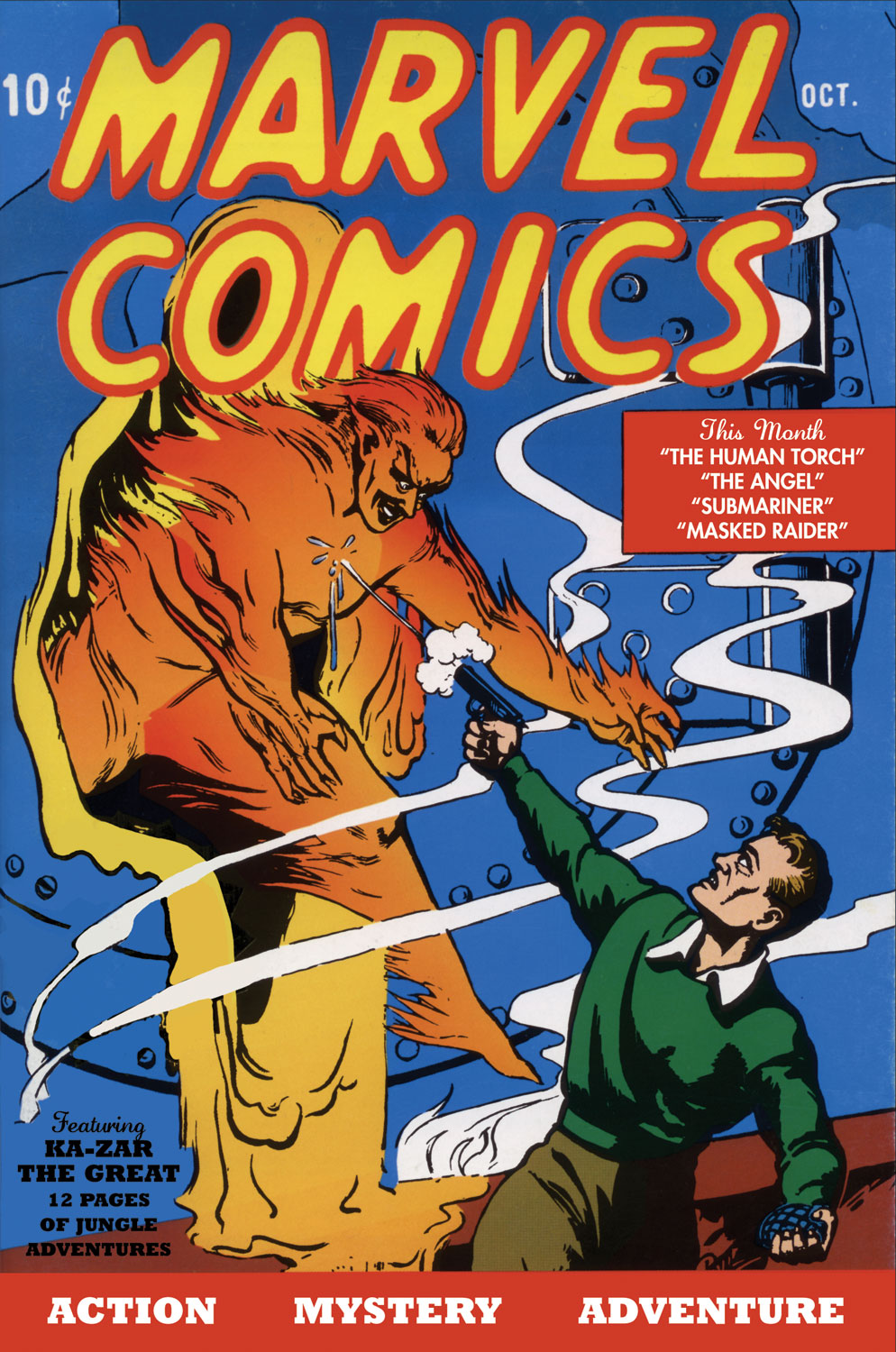 | #1 | Jim Hammond’s debut. A separate character from Johnny. |
| Fantastic Four (1961) | #1; later selected milestones include #4, #45, #50, #285 and #342. | Johnny’s debut and main publishing home. Later volumes reuse the title. |
| Strange Tales / 1962–65 | Torch features in #101–134, plus Annual #2. | A solo feature, later shared with the Thing, inside an anthology. |
| The Human Torch (1974) | #1–8 | A reprint series; both Johnny and Golden Age Torch material. |
| Human Torch (2003) | #1–12 | Johnny’s modern solo series, launched by Kesel and Young. |
| Spider-Man/Human Torch (2005) | #1–5 | Slott and Templeton’s complete miniseries. |
| The Torch (2009) | #1–8 | Jim Hammond and Toro. Keep this separate from Johnny’s solo titles. |
| Fantastic Four / FF (2011) | Fantastic Four #587–588; FF #1–11; Fantastic Four returns with #600 while FF continues. | The numbering accounts for the FF issues. There is not a missing set of Fantastic Four #589–599 to buy. |
| Marvel 2-in-One (2017) | #1–12, plus the 2018 Annual #1. | Thing and Torch. Different from the long-running Marvel Two-in-One title begun in 1974. |
Fantastic Four (2022)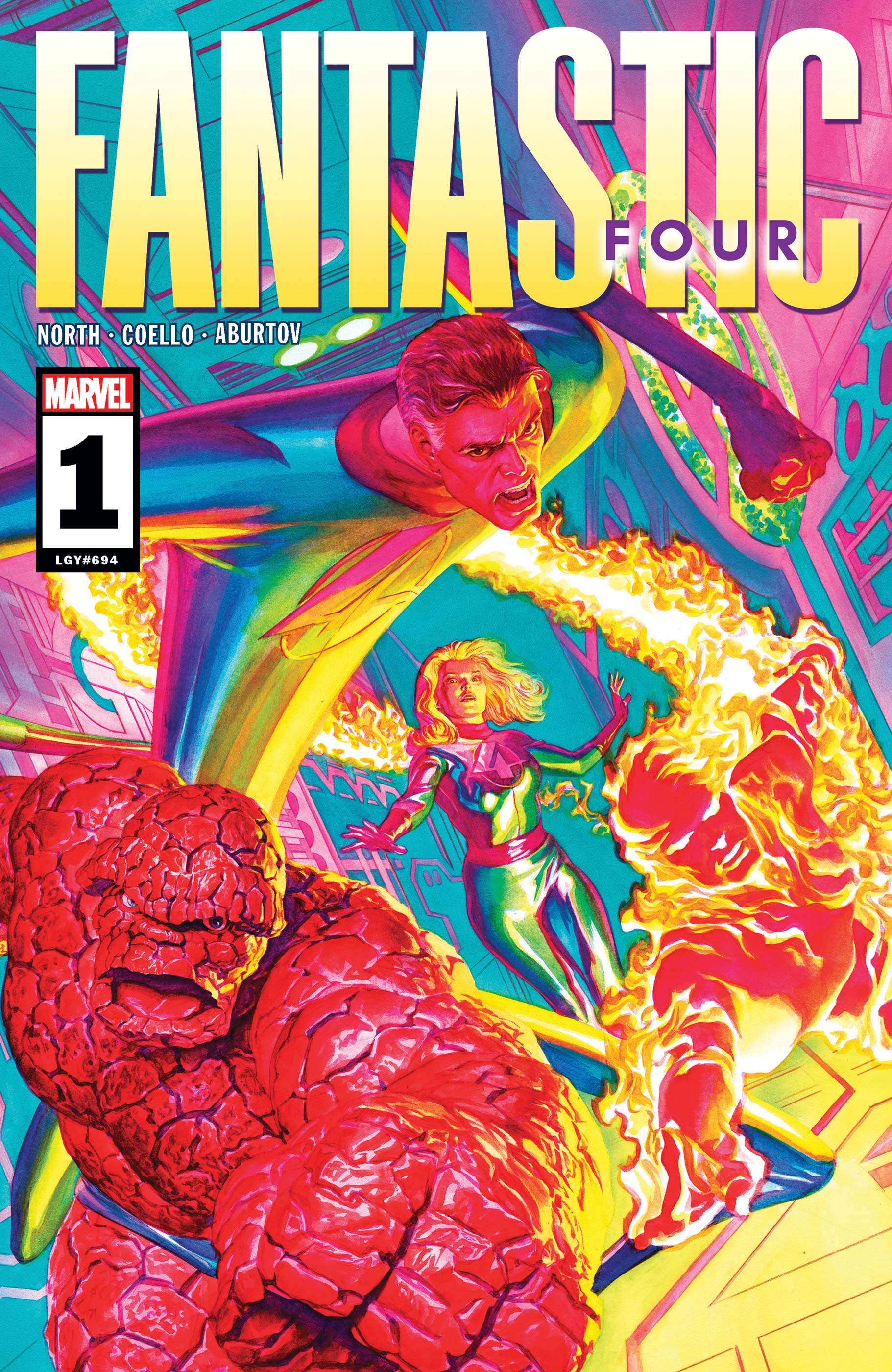 | Johnny spotlight: #3, released January 2023. | Ryan North’s 2022-series launch. New Fantastic Four #3 is a separate title. |
| Fantastic Four (2025) | Relaunch from #1. | North and Ramos begin a new volume; use the team guide for the wider reading route. |
Full covers, with their original proportions preserved. This gallery contains 23 different issues and the additional newsstand version of #285. Open any cover to see the supplied image at full size.
Issue credits, reading contents and publication history are linked to Marvel and the Grand Comics Database throughout this file. The selected reading route and collecting order are Comic Agent’s editorial choices. Older cover dates and actual release dates can differ; #600 and the 2023 Johnny spotlight are labelled explicitly.
The ten price cards use Key Collector’s raw guide categories. Each card links to its edition and shows the original dollar figures. Read the pricing method before treating an estimate as a buying budget.
Sixteen cover references were supplied for this guide. Six are reused from our Fantastic Four file, and two were added from publisher artwork: the original #4 and Alex Ross’s cover for Fantastic Four (2022) #3. The latter comes from Marvel’s preview published by AIPT. Digital references may differ from a physical printing’s colour, price box or footer.
Cover artwork and characters belong to Marvel and their respective rights holders. Images are editorial references, not proof of ownership, condition or a general reuse licence. Comic Agent is an independent collector resource.
Start with the five-issue Spider-Man friendship story, choose a cover you love, then work towards the early landmarks at your own pace. Explore the Comic Agent shop or get in touch about a book: not every comic is listed on eBay.
EXPLORE THE COMIC AGENT SHOP