Unless a different series is named, #1–358 refer to the 1961 series. Modern legacy numbers are identified in their entries. Years normally follow cover dates; #600’s 2011 release is explicitly distinguished. A grouped entry covers several physical issues.
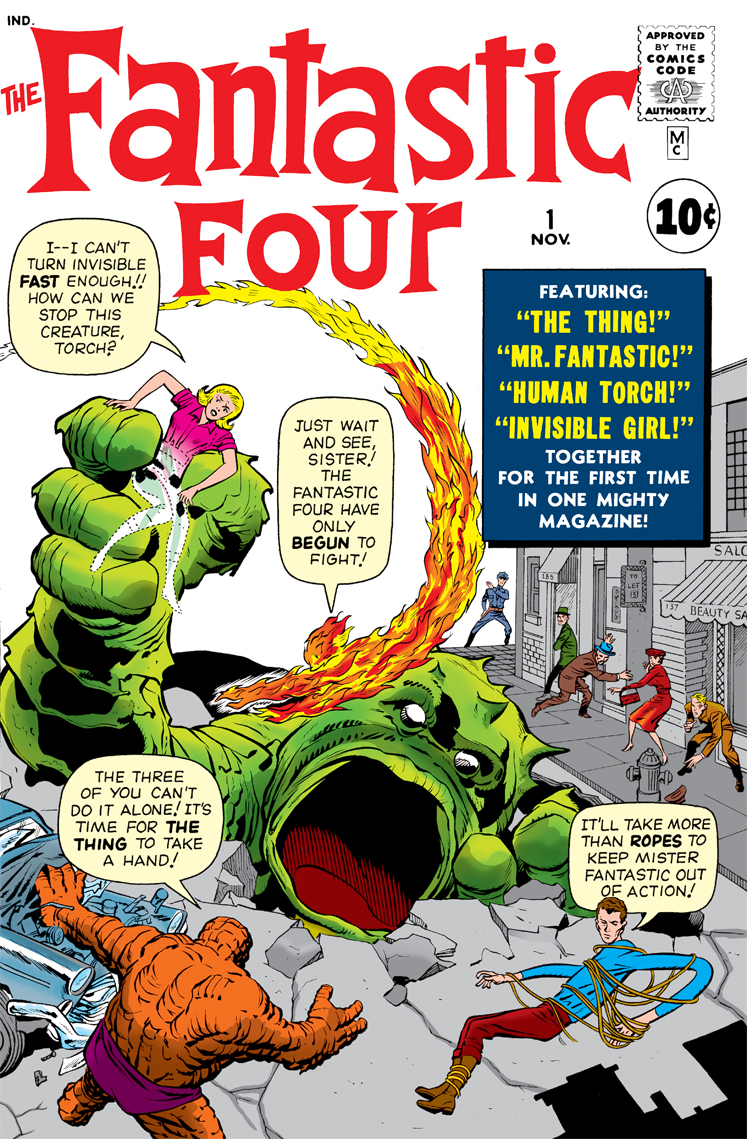
Character & world-building keyFantastic Four #1 (1961)
First Fantastic Four and Mole Man; the team’s origin and the beginning of its title. Foundational Marvel history. Its importance is the birth of this team and title; calling it the first comic ever published under the Marvel name is an oversimplification.
Character & world-building keyFantastic Four #2 (1962)
First Skrulls; establishes shapeshifting aliens who become a major part of Marvel’s universe. Last ten-cent issue of this title.
Family & team milestoneFantastic Four #3 (1962)
First team uniforms, Fantasti-Car and Baxter Building headquarters. A development-of-the-team key, with a collecting identity beyond character debuts.
Character & world-building keyFantastic Four #4 (1962)
Namor’s first Silver Age appearance and return to the modern Marvel setting. He originated in the Golden Age; this is not his first-ever appearance.
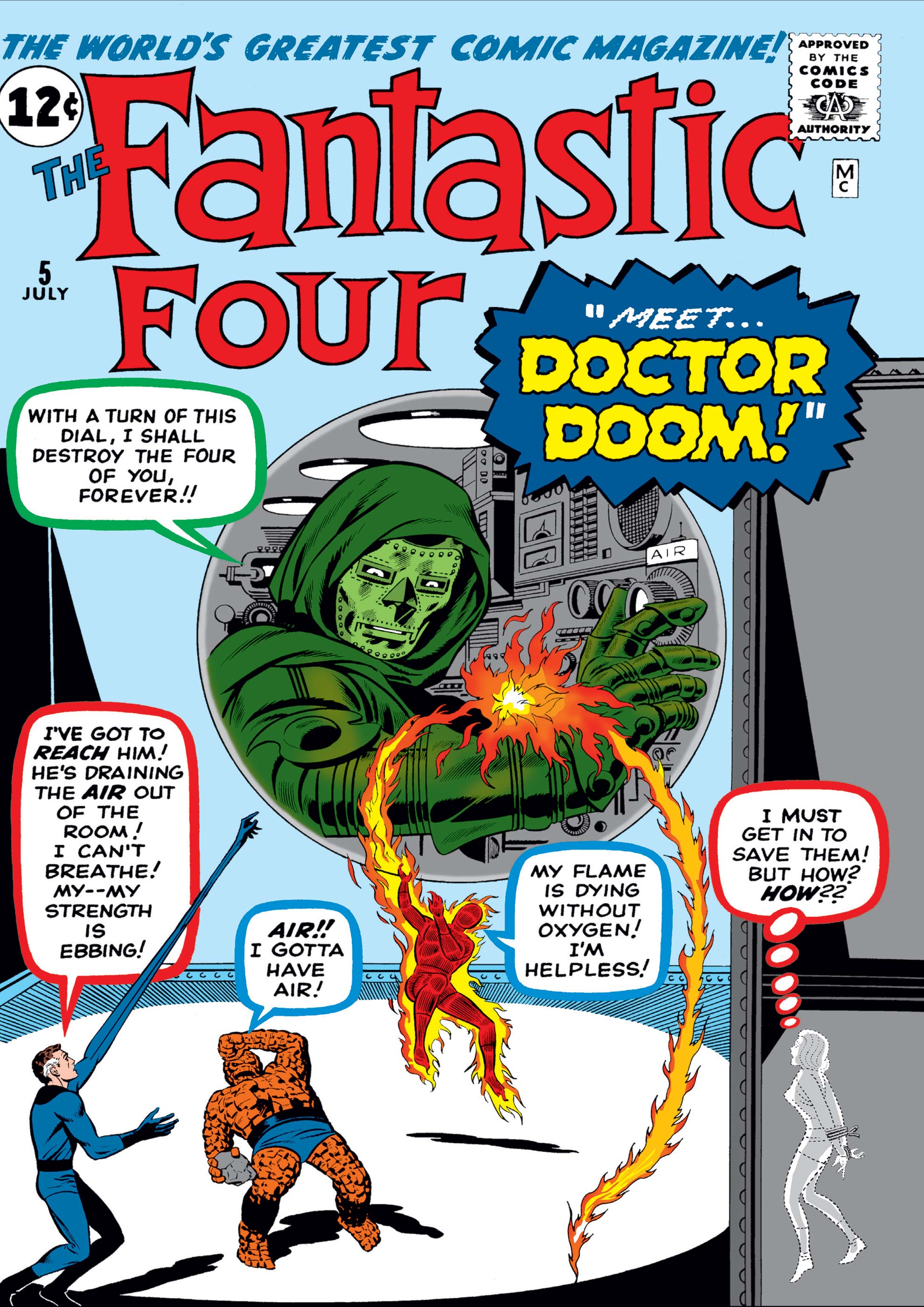
Character & world-building keyFantastic Four #5 (1962)
Doctor Doom’s first appearance. One of the title’s central villain keys; his fuller origin is developed later. Cover Kirby/Sinnott.
Character & world-building keyFantastic Four #8 (1962)
First Puppet Master and Alicia Masters. Alicia matters to the family’s continuing emotional history, not just its villains. Cover Kirby/Dick Ayers.
Character & world-building keyFantastic Four #13 (1963)
First Uatu the Watcher, Red Ghost and Super-Apes. An early cosmic-worldbuilding issue. Kirby pencils; Steve Ditko inks on the story.
Character & world-building keyFantastic Four #18 (1963)
First Super-Skrull, Kl’rt. Distinguish this individual from the Skrull race’s debut in #2.
Character & world-building keyFantastic Four #19 (1963)
First Rama-Tut, later connected to Kang. Avengers #8 introduces the Kang identity, a different collecting milestone.
Character & world-building keyFantastic Four #20 (1963)
First Molecule Man, Owen Reece. His later significance increases the historical interest, but adaptation predictions remain speculation.
Character & world-building keyFantastic Four #21 (1963)
First Hate-Monger; Nick Fury crosses into the contemporary FF setting. Fury already debuted in Sgt. Fury and His Howling Commandos #1.
Character & world-building keyFantastic Four #36 (1965)
First Frightful Four and Medusa. The villain team includes already established characters; this is not the first Wizard or Sandman.
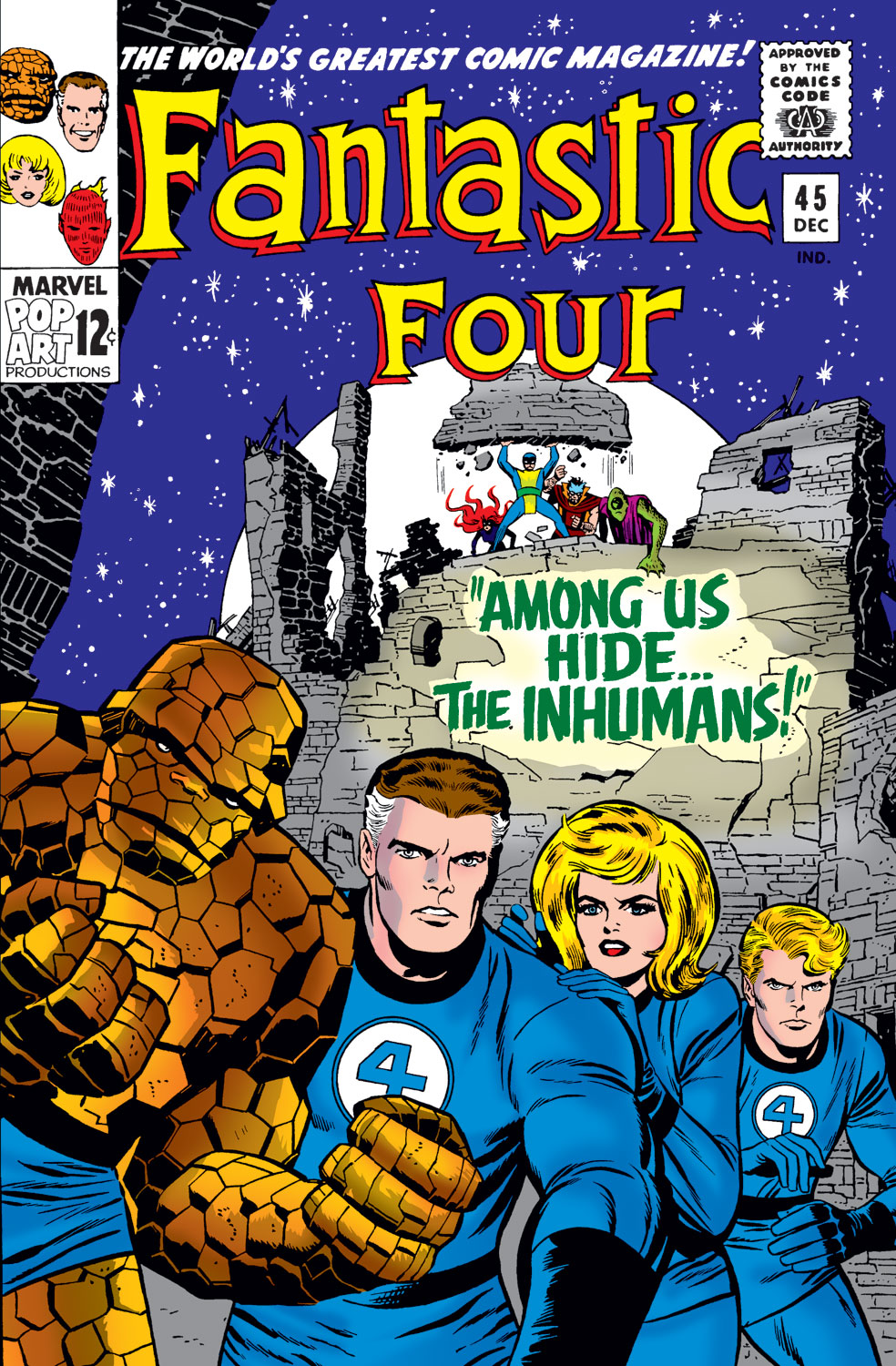
Character & world-building keyFantastic Four #45–46 (1965–66)
#45 introduces the Inhumans as a group, Crystal, Karnak, Triton and Lockjaw, with Black Bolt cameo. #46 is his first full appearance. Medusa and Gorgon appeared earlier.
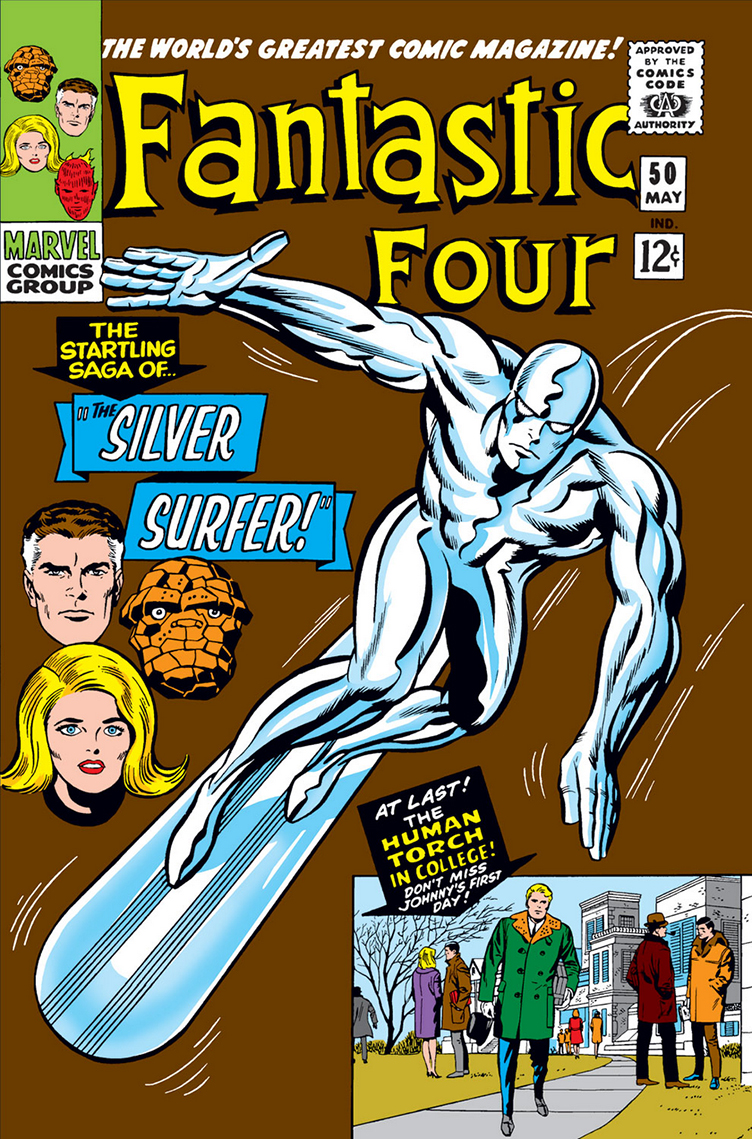
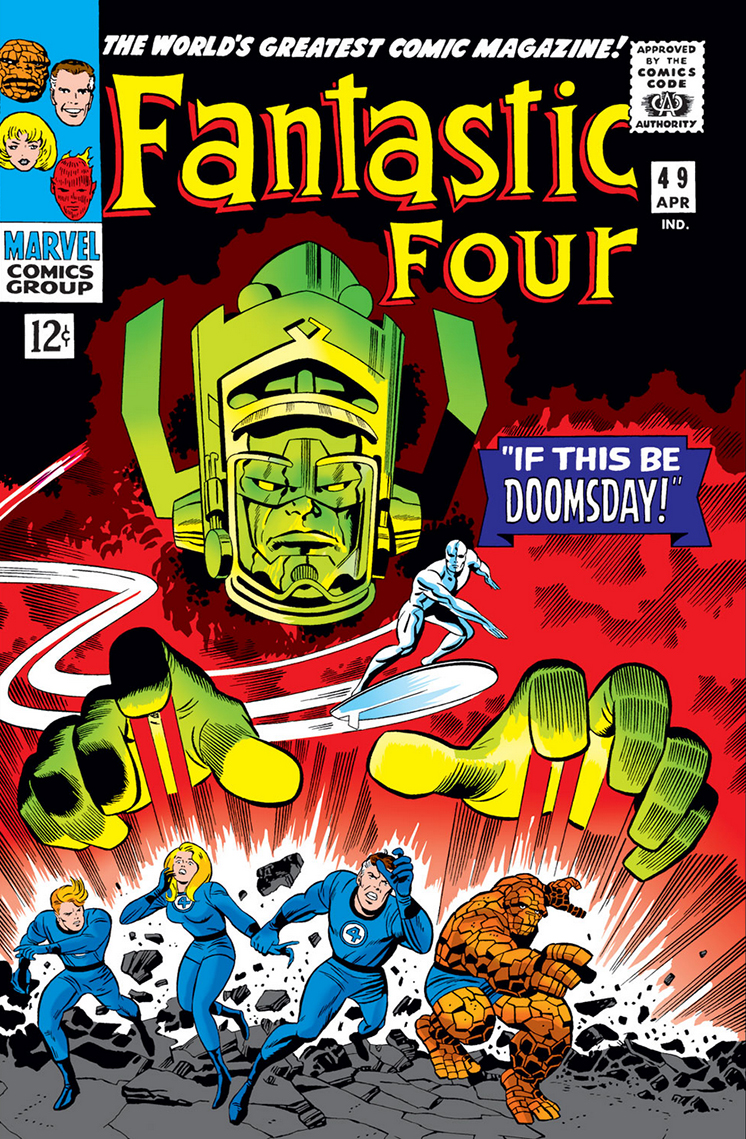
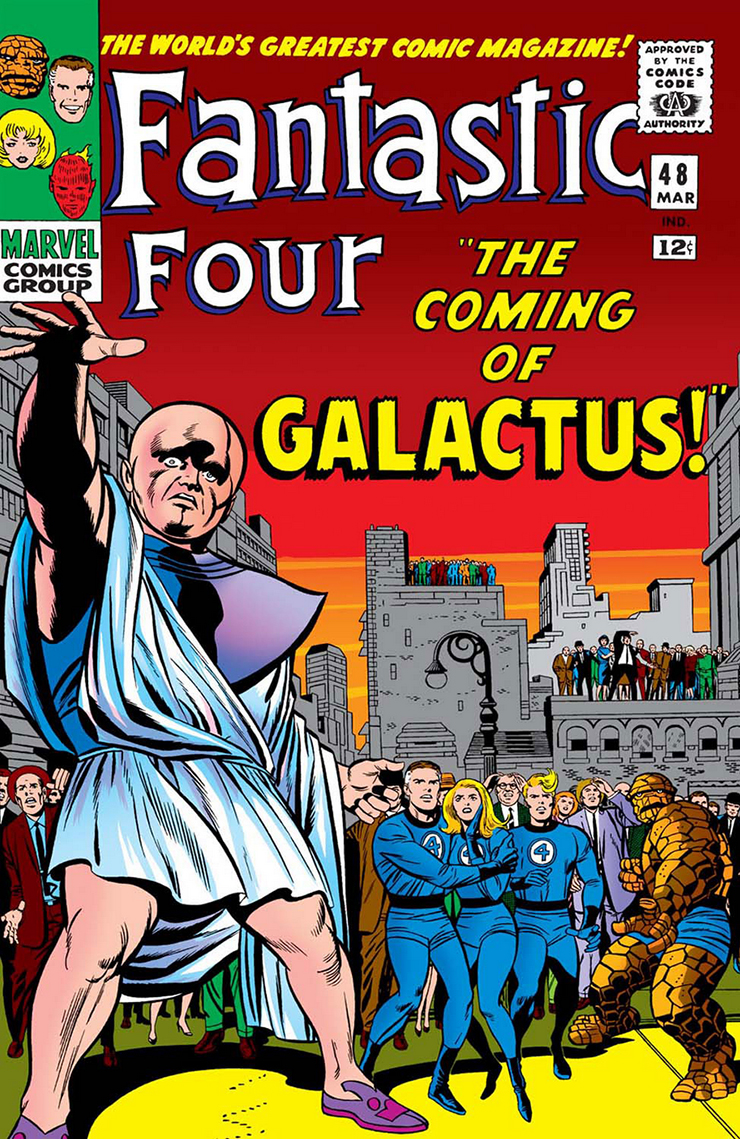
Character & world-building keyFantastic Four #48–50 (1966)
Galactus Trilogy: #48 first Silver Surfer and Galactus cameo; #49 first full Galactus and first cover appearances of Galactus/Surfer; #50 conclusion, first Wyatt Wingfoot and celebrated Surfer cover. These are three different collecting reasons.
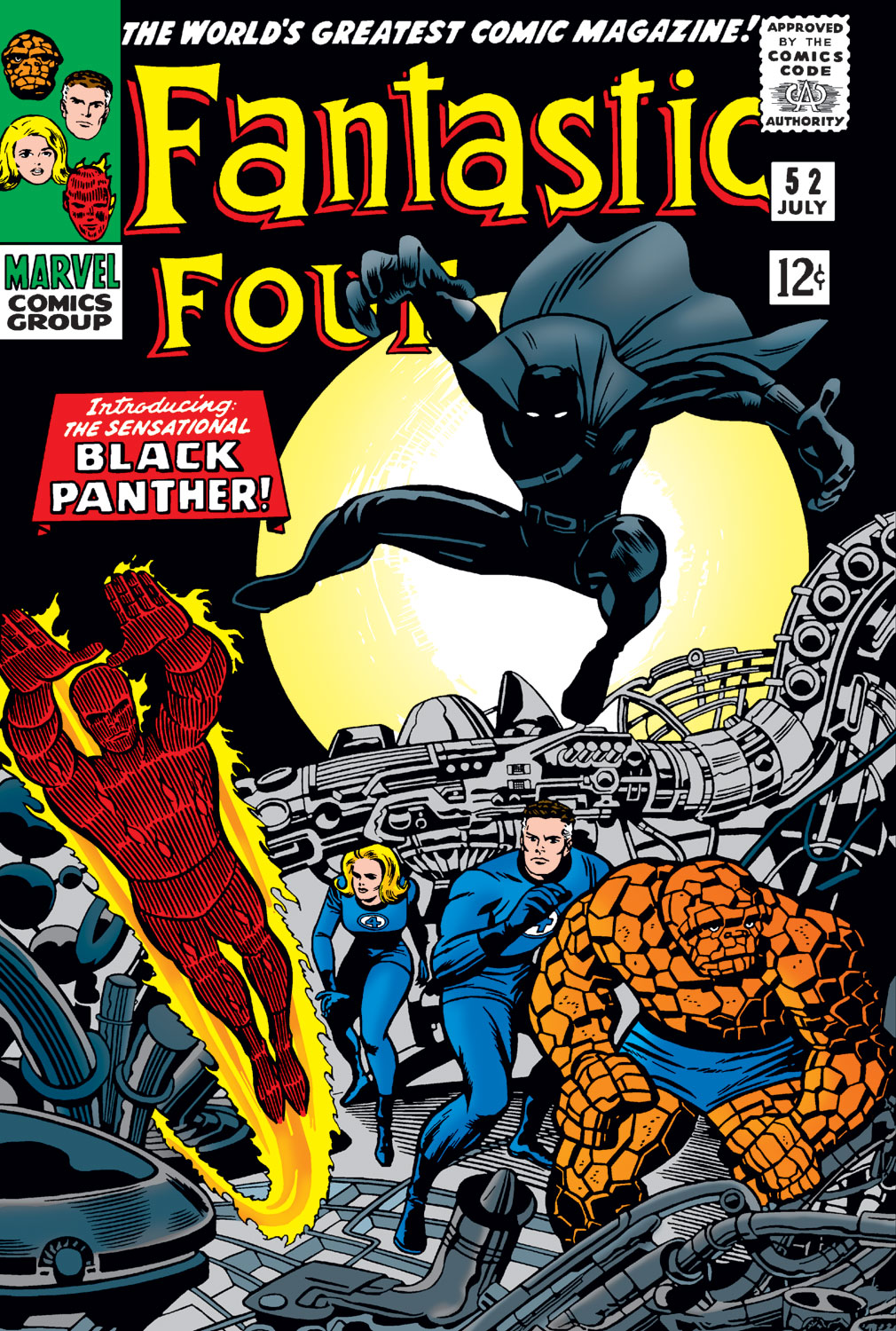
Character & world-building keyFantastic Four #52–53 (1966)
#52 first T’Challa/Black Panther. #53 adds his origin and introduces Klaw. #53 is a meaningful companion, not a substitute first appearance of Black Panther.
Character & world-building keyFantastic Four #65 (1967)
First Ronan the Accuser; continues the emerging Kree mythology. It is not the first Kree-related issue: the Sentry story precedes it in #64.
Character & world-building keyFantastic Four #66–67 (1967)
Him’s origin begins in #66, including the cocoon; #67 provides his brief revealed appearance. The market commonly calls Thor #165 his first full appearance; Marvel Premiere #1 introduces the Warlock identity. “First Adam Warlock” alone obscures this sequence.
Character & world-building keyFantastic Four #94 (1970)
First Agatha Harkness and Ebony. A genuine character debut independent of television-driven demand. Cover Kirby/John Verpoorten; story inks Sinnott.
Character & world-building keyFantastic Four #211 (1979)
First Terrax. Marv Wolfman writes; John Byrne layouts/pencils with Joe Sinnott finishes; cover Byrne/Sinnott. This predates Byrne’s sustained writer-artist run.
Character & world-building keyFantastic Four #244 (1982)
Frankie Raye becomes Nova, herald of Galactus. Not Frankie’s debut: that is #164. Also not Richard Rider’s Nova debut. John Byrne story/art/cover.
Character & world-building keyFantastic Four #272 (1984)
Brief first Nathaniel Richards, Reed’s father; #273 continues his full introduction. Byrne story/art/cover. Reed’s father is not Kang, despite sharing the name Nathaniel Richards.
Character & world-building keyFantastic Four #353 (1991)
Commonly designated first full, named Mobius M. Mobius. Earlier unidentified TVA-management cameos in #346/#352 complicate shorthand. Walt Simonson story/art/cover; collect for his TVA story as well as the character.
Character & world-building keyFantastic Four #358 (1991)
First Paibok the Power Skrull and a thirtieth-anniversary die-cut package. Tom DeFalco/Paul Ryan main story; Ryan/Danny Bulanadi cover. A minor character/format key; Lyja’s disguised appearances make a simple “first Lyja” claim misleading.
Story / art / run selectionFantastic Four #6 (1962)
Doctor Doom and Namor’s first team-up; Doom’s second appearance. An early shared-universe villain story, rather than a new-character debut. Lee/Kirby; Kirby/Ayers cover.
Story / art / run selectionFantastic Four #12 (1963)
First FF/Hulk encounter. Essential crossover history; Hulk’s own debut is a different book. Lee/Kirby; Kirby cover.
Story / art / run selectionFantastic Four #25–26 (1964)
Extended Thing/Hulk battle followed by the Avengers joining the action. A satisfying two-part early Marvel crossover. The earlier FF/Hulk meeting is in #12. Lee/Kirby; Kirby covers.
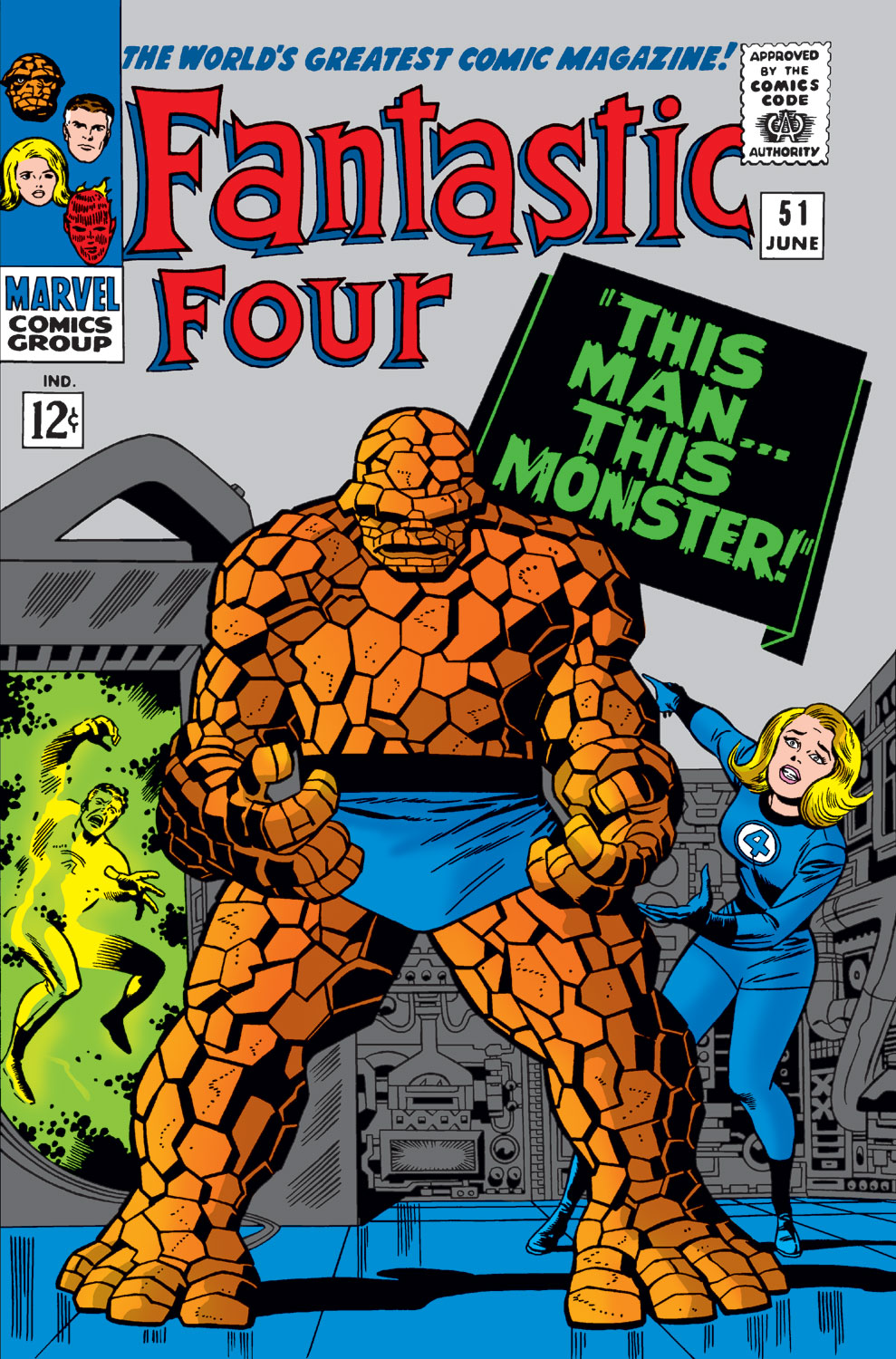
Story / art / run selectionFantastic Four #51 (1966)
“This Man… This Monster!” is a character-defining Thing story and introduces the dimension later known as the Negative Zone. Lee/Kirby; Kirby/Sinnott cover/art.
Story / art / run selectionFantastic Four #112 (1971)
Memorable Thing/Hulk confrontation and black-background cover. Stan Lee/John Buscema story; Buscema/Frank Giacoia cover. A cover/story choice, not a debut; inspect colour-breaking wear carefully.
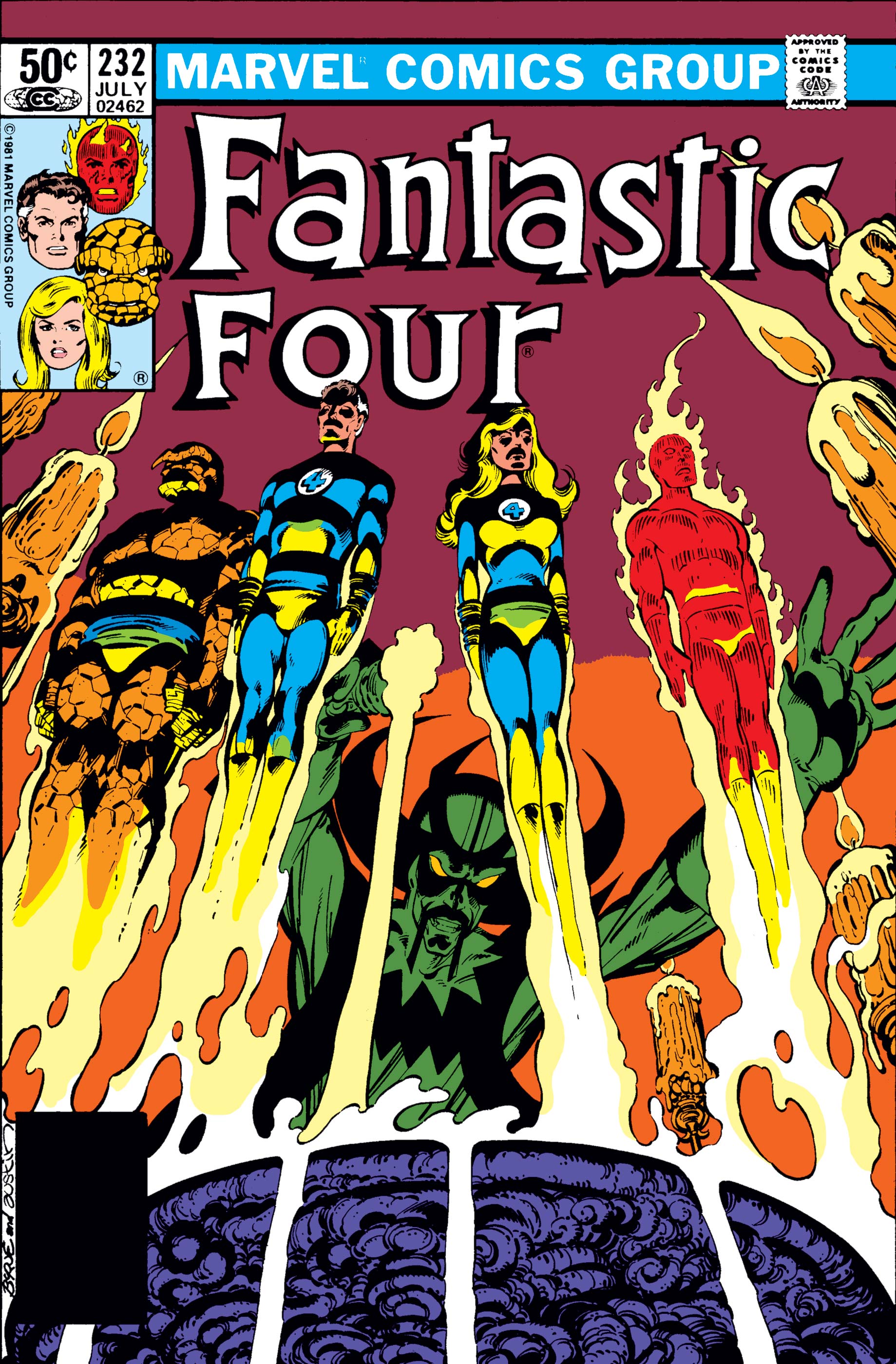
Story / art / run selectionFantastic Four #232 (1981)
Start of Byrne’s sustained writer-artist run, not his first FF work. Byrne story/art; Byrne/Terry Austin cover. A practical anchor for collecting the run.
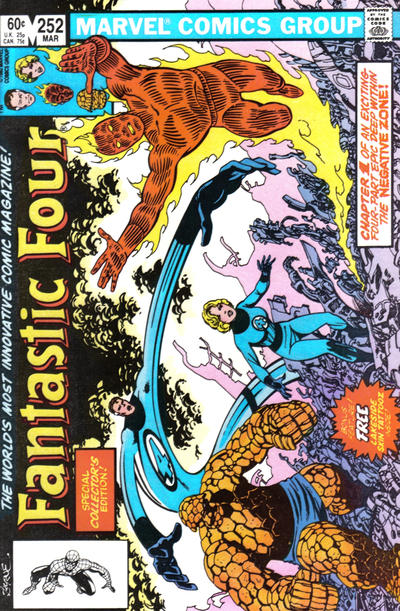
Story / art / run selectionFantastic Four #252 (1983)
Byrne’s sideways-format Negative Zone adventure. A design/story collectible with a concrete completeness concern: Tattooz on applicable editions. Byrne story/art/cover.
Family & team milestoneFantastic Four #265 (1984)
She-Hulk joins the FF, replacing the Thing. Byrne story/art/cover. Team-membership milestone, not her first appearance.
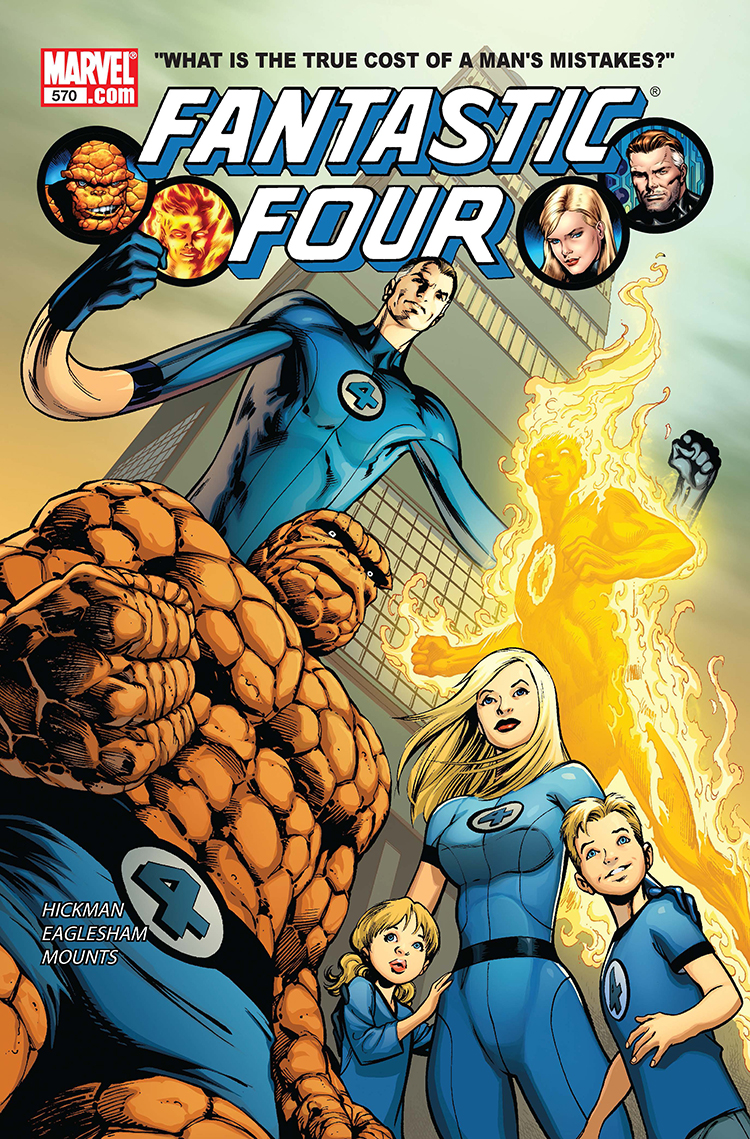
Modern story milestoneFantastic Four #570 (2009)
Hickman’s main-title run begins with “Solve Everything” and the Council of Reeds. Jonathan Hickman/Dale Eaglesham; standard cover Alan Davis, not variant artist John Cassaday.
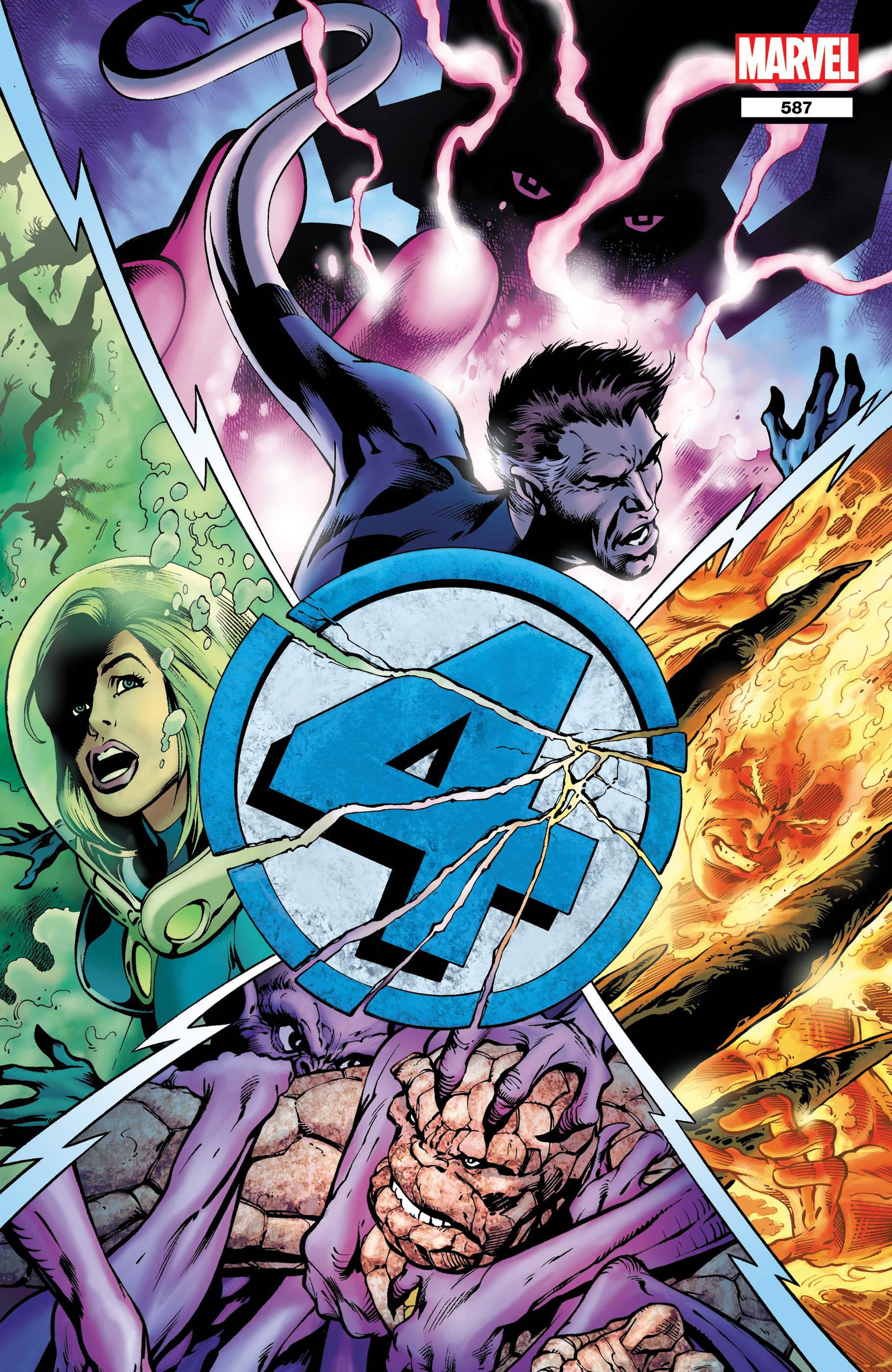
Modern story milestoneFantastic Four #587–588 (2011)
#587: Johnny’s apparent death; Hickman/Steve Epting. #588: mourning epilogue; Hickman/Nick Dragotta. Standard covers Alan Davis. Read as story milestones; neither plot prominence nor a sealed polybag establishes rarity.
Modern story milestoneFantastic Four #600 (2012; released 2011)
Fiftieth-anniversary return to the Fantastic Four title and Johnny Storm’s return. Hickman with Epting and several artists; standard cover Gabriele Dell’Otto. A milestone, not an automatic investment key.
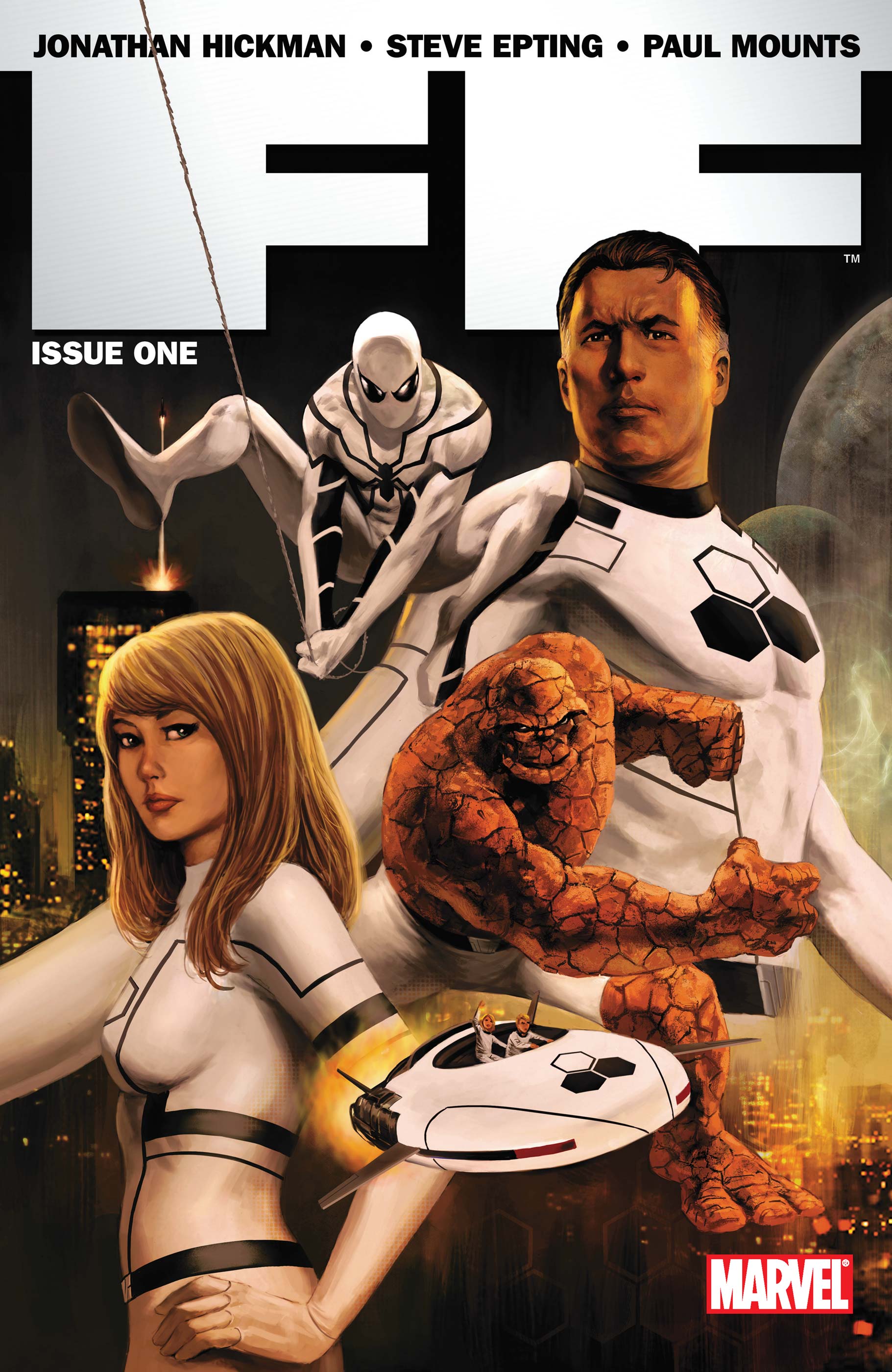
Modern story milestoneFF #1 (2011)
Hickman/Steve Epting; Epting standard cover. Launches FF with Spider-Man in the Future Foundation uniform. The Foundation concept already appears in Fantastic Four #579; this is not the concept’s first appearance.
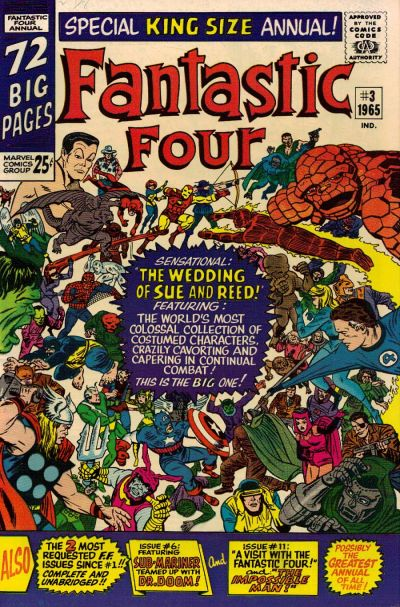
Family & team milestoneFantastic Four Annual #3 (1965)
Reed Richards and Sue Storm marry. A foundational family milestone and a gathering of Marvel characters. Stan Lee and Jack Kirby; collect the original annual for its place in the team’s life, or read it in an edition that includes the complete wedding story.
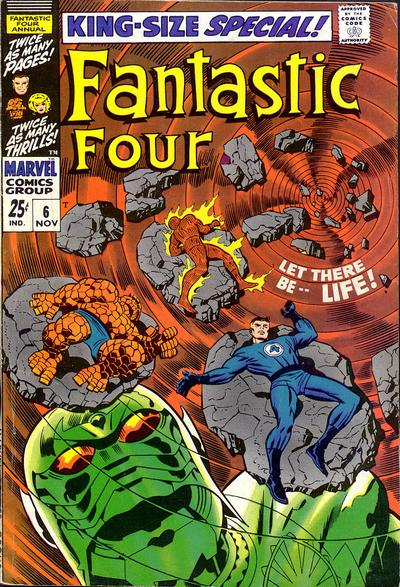
Character & world-building keyFantastic Four Annual #6 (1968)
Franklin Richards is born and Annihilus debuts during a desperate Negative Zone expedition. Lee and Kirby unite the family and cosmic sides of the series. An annual’s oversized format does not remove the need to check every page and the binding.
Family & team milestoneFantastic Four #347–349 (1990–91)
Spider-Man, Wolverine, Hulk and Ghost Rider temporarily become the New Fantastic Four. Walter Simonson and Arthur Adams turn the guest-team idea into a three-part adventure. This is a team configuration, not any member’s debut; later New Fantastic Four stories revisit this lineup.
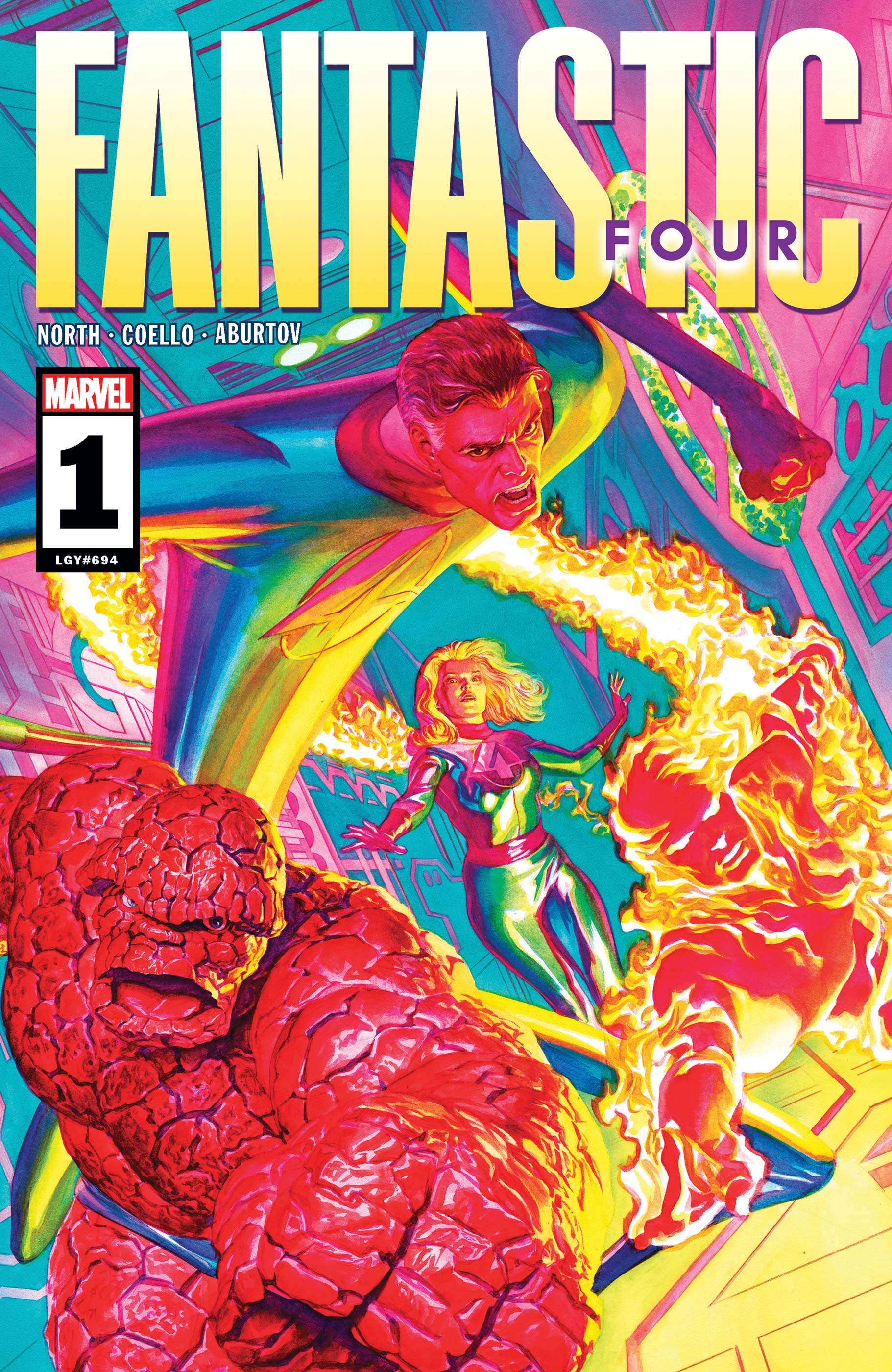
Creative-run starting pointFantastic Four (2022) #1
Ryan North and Iban Coello begin a run built around ingenious science-fiction problems and the family’s everyday humanity. Alex Ross paints the main cover. A useful reading and run-building anchor; a modern #1 is not proof of scarcity.
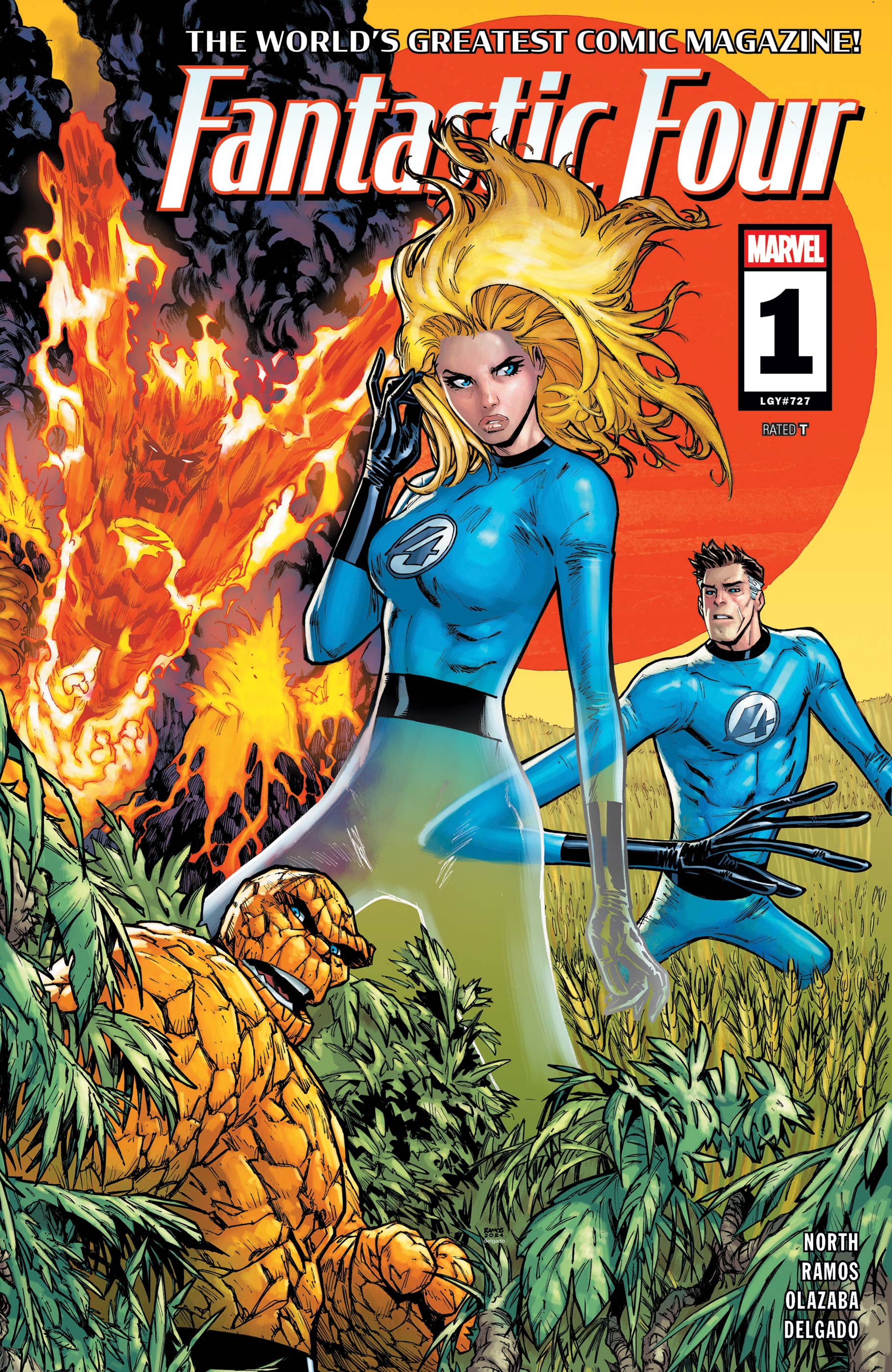
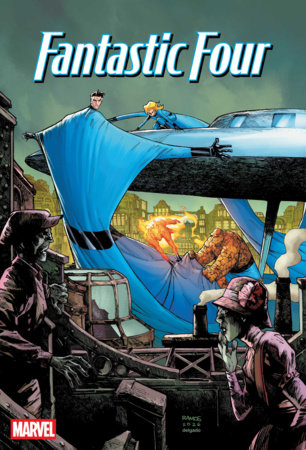
Creative-run starting pointFantastic Four (2025) #1
North continues the family’s main-continuity adventures with Humberto Ramos at the launch. New numbering, established history. Distinguish the regular issue from variants, later printings and the separate film-world First Steps #1 released on the same date.
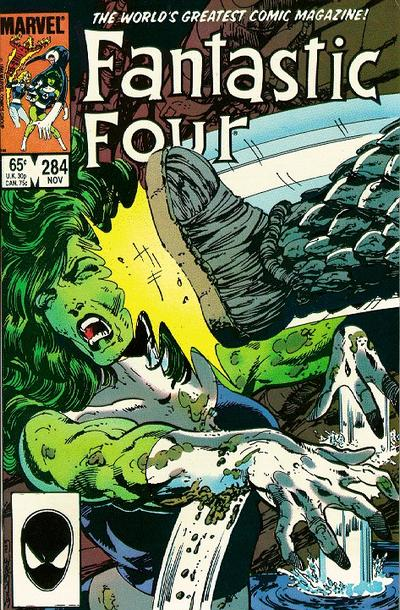
Family & team milestoneFantastic Four #284 (1985)
Sue adopts the name Invisible Woman, following the Malice/Psycho-Man storyline. A major identity and character-development milestone, not her first appearance. Read #280–284 for the context. John Byrne writes and pencils, with Al Gordon story inks; Byrne cover.