Marvel · Bruce Banner · 1962–2026

HULK

The monster. The man. The books that matter.

Sixty-four years of rage, reinvention and extraordinary comics: a reader’s route into the stories and a collector’s guide to the issues, editions and prices.

FIND YOUR FIRST BOOK →

Research checked 24 September 2026
Character File No. 11 · Reading and collecting guide

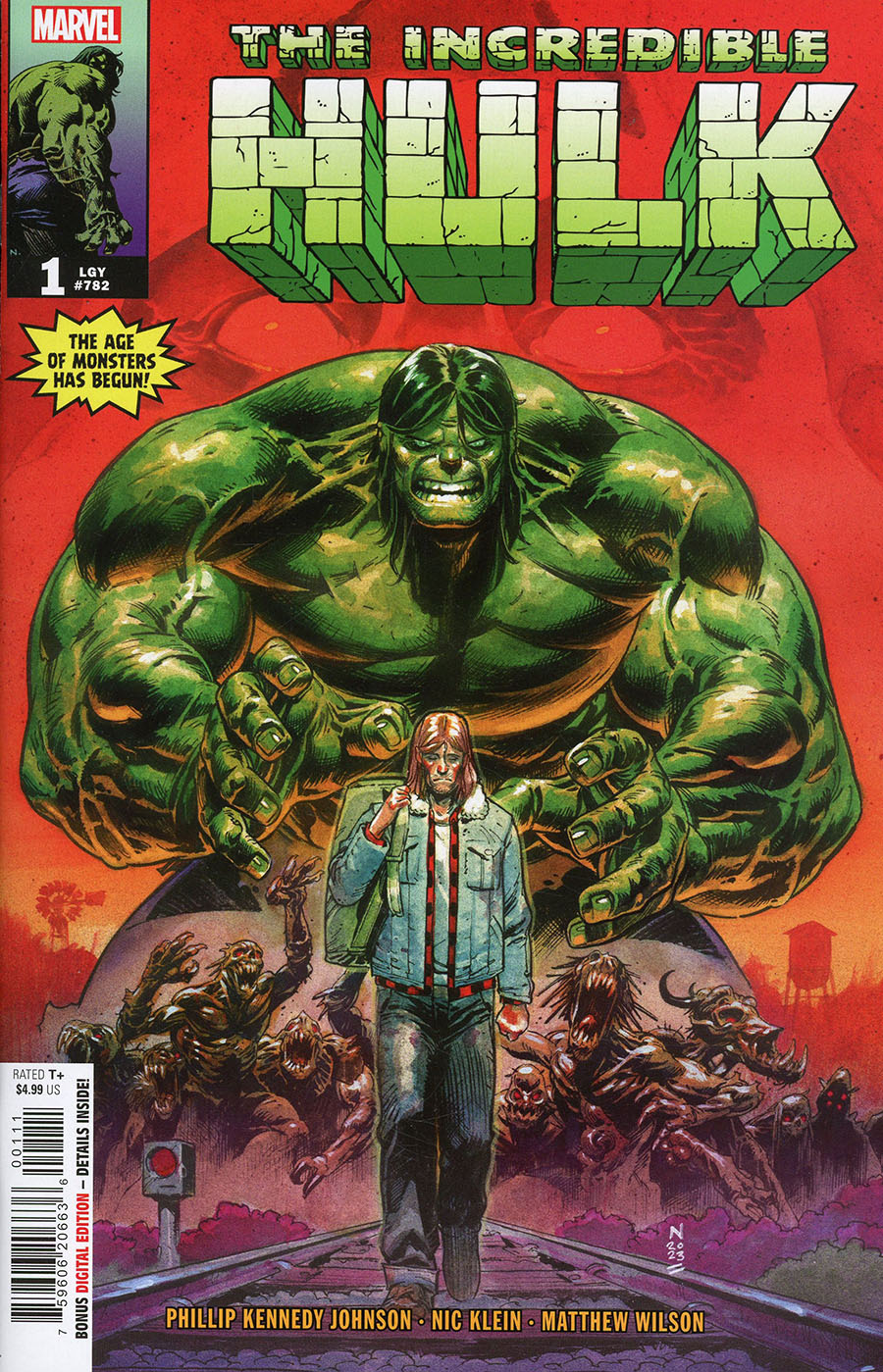
Incredible Hulk #1 (2023)

The character file

There is more than one way to love the Hulk.

A hunted scientist. A frightened child with impossible strength. A sharp-suited Las Vegas enforcer. A gladiator, a tyrant and a creature who will not stay dead. Hulk comics can be science fiction, psychological drama, superhero spectacle or outright horror. The best starting point depends on which of those sounds irresistible to you.

This file connects the characters, the changing series titles and the landmark stories to practical collecting decisions. Begin with a story you want to own. Then decide whether your next purchase should be a reading copy, a favourite cover, a complete run or a significant original issue. You do not need an expensive first appearance to become a Hulk reader.

01

Start with what you enjoy

Your way into Hulk.

First choice / I’m not interested in investing

Just read and enjoy.

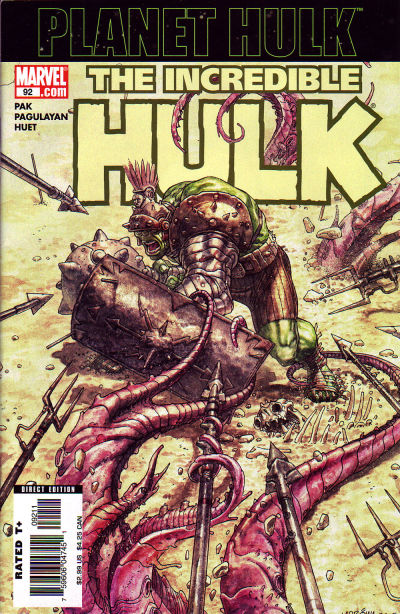
I’m not interested in investing — I just want to read and enjoy. Start with Planet Hulk, chiefly Incredible Hulk (1999 series) #92–105, by Greg Pak and a team of artists including Carlo Pagulayan and Aaron Lopresti. Exile turns into a gladiator epic with friendships, politics and a satisfying sense of place. An ordinary collected or digital edition is ideal.

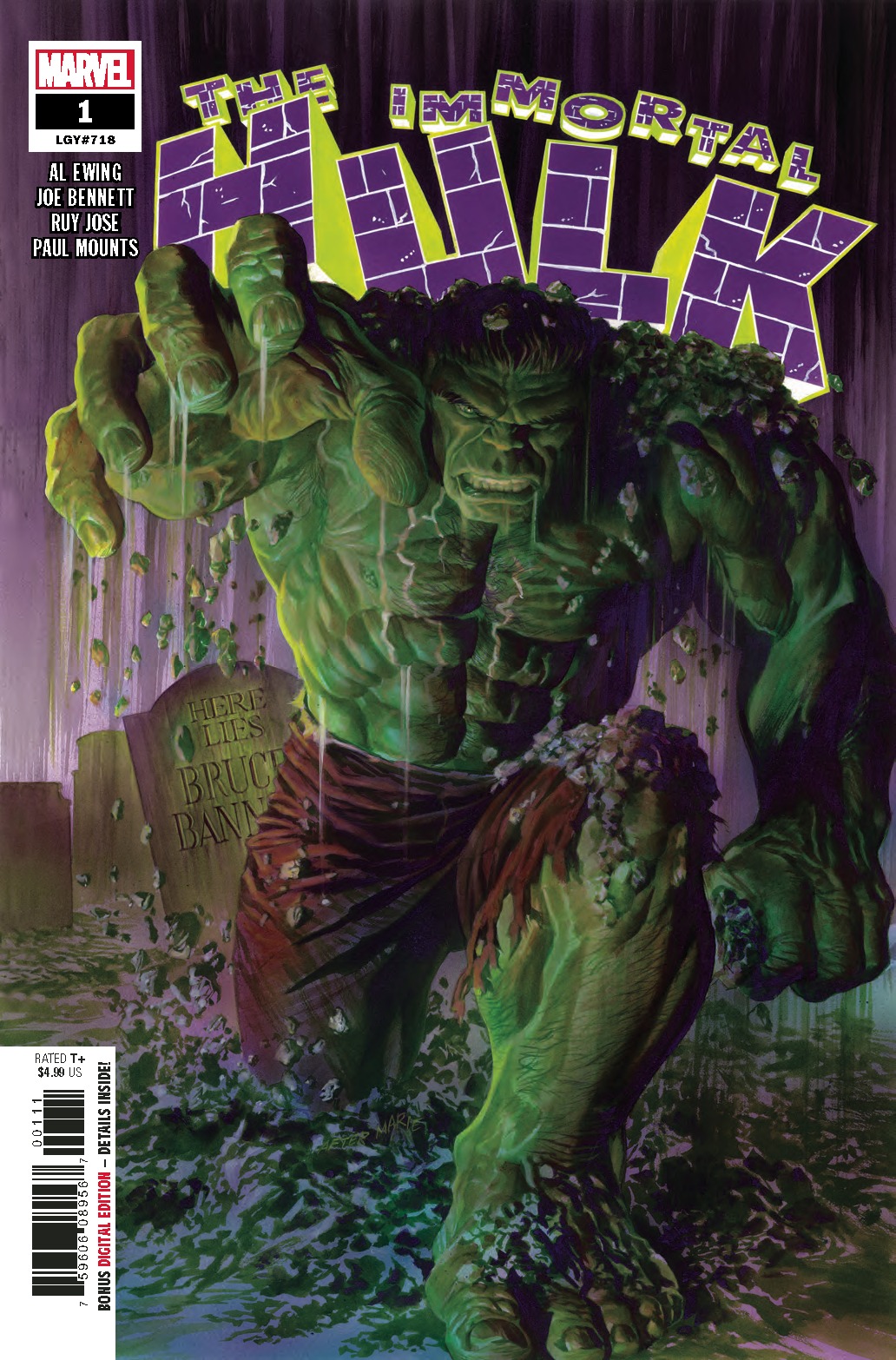
For the horror route, begin with Immortal Hulk #1–5, by Al Ewing, Joe Bennett and collaborators. It turns the familiar transformation into a disturbing question: what comes back after Bruce Banner dies? The main series runs to #50. This is adult body horror, so choose Planet Hulk if that is not your taste.

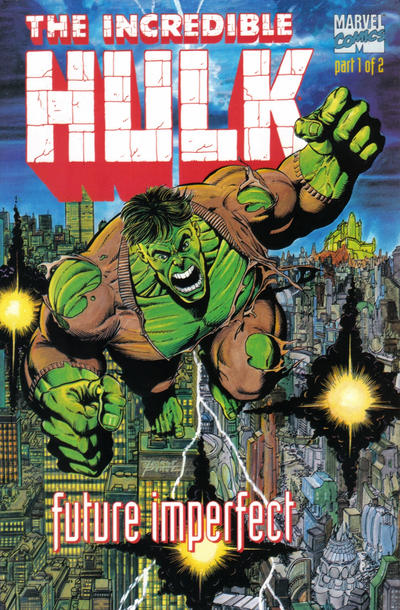
For a shorter classic, read Hulk: Future Imperfect #1–2 by Peter David and George Pérez. You get an imposing future Hulk, a ruined world and a complete confrontation in two prestige-format issues. Read the book, enjoy the artwork, and let that be enough.

Incredible Hulk #92 (2006)
Build a reading shelf

Affordable beginnings

Choose a run you want to read. Ordinary editions and collected books can give you the story without a key-issue premium.

Follow the character

Classic milestones

Look for the first solo stories, the original ongoing series and the creators who changed the book.

A long-term collecting goal

A grail to aim for

Understand the edition, completeness and condition before pursuing the debut. Owning a grail is optional.

Raw acquisition snapshot · 24 Sep 2026 · GBP

Ten books. Different reasons to collect.

Raw buying snapshot, checked 24 September 2026. Approximate GBP conversions of published US acquisition-guide estimates, not independently measured UK fair market values. The Low / Mid / High columns describe the provider’s broad raw condition bands. Read the edition and completeness checks before using a number.

Approximate raw guide values, rounded to the nearest £1. Low / Mid / High are the provider’s broad condition bands.
Book & editionWhy it mattersLowMidHigh
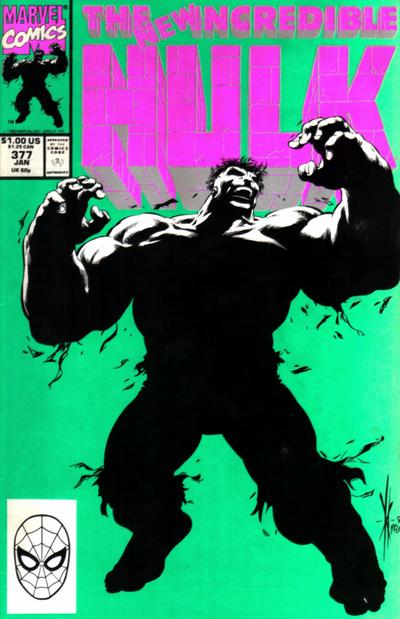
Affordable story keyIncredible Hulk #377 (1991)Regular US first printing, neon-green background; standard direct-market entryMerged / Professor Hulk turning point.Find it in the timeline →View price source£1£2£8
Modern horror entryImmortal Hulk #1 (2018)Regular first printing, Alex Ross coverLaunch of Al Ewing’s completed horror run.Find it in the timeline →View price source£1£2£8
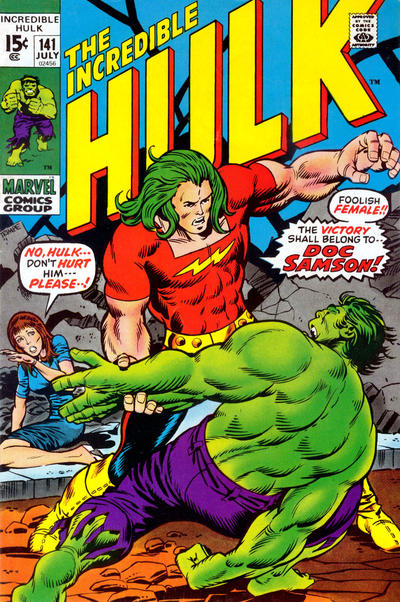
Bronze Age character keyIncredible Hulk #141 (1971)Regular US 15-cent first printingDoc Samson’s first appearance, origin and first cover.Find it in the timeline →View price source£11£38£113
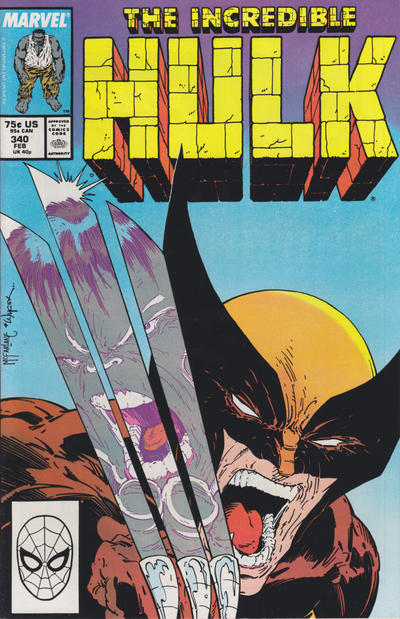
Cover-art milestoneIncredible Hulk #340 (1988)Regular US first printing; standard direct-market entryTodd McFarlane’s celebrated Wolverine reflection cover.Find it in the timeline →View price source£15£60£207
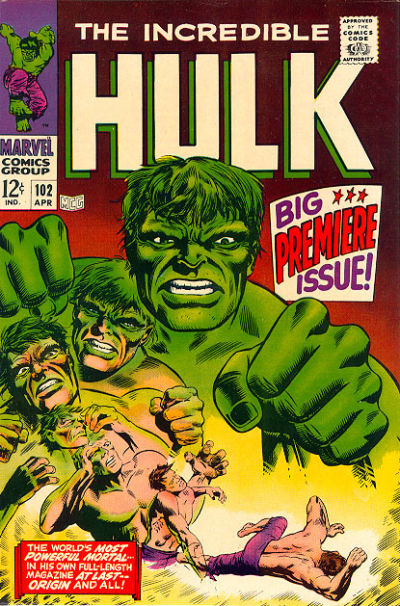
Silver Age foundationIncredible Hulk #102 (1968)Regular US 12-cent first printingThe Hulk title resumes as Tales to Astonish numbering continues.Find it in the timeline →View price source£23£75£249
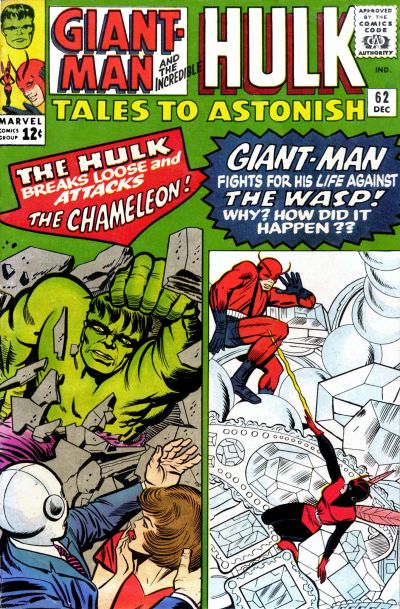
Villain foundationTales to Astonish #62 (1964)Regular US 12-cent first printingThe Leader’s brief debut; fuller introduction follows in #63.Find it in the timeline →View price source£30£90£302
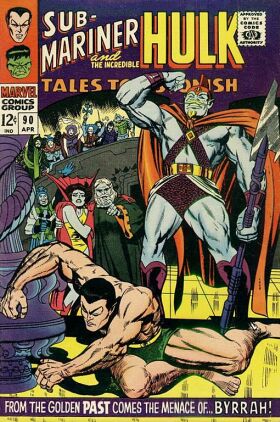
Villain foundationTales to Astonish #90 (1967)Regular US 12-cent first printingAbomination’s first appearance and origin.Find it in the timeline →View price source£34£94£347
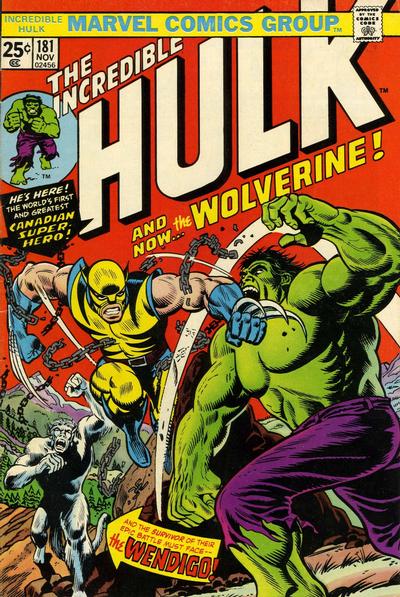
Major Bronze Age grailIncredible Hulk #181 (1974)Regular US 25-cent first printing, complete and unrestoredWolverine’s first full story and first cover appearance.Find it in the timeline →View price source£565£1,357£5,880
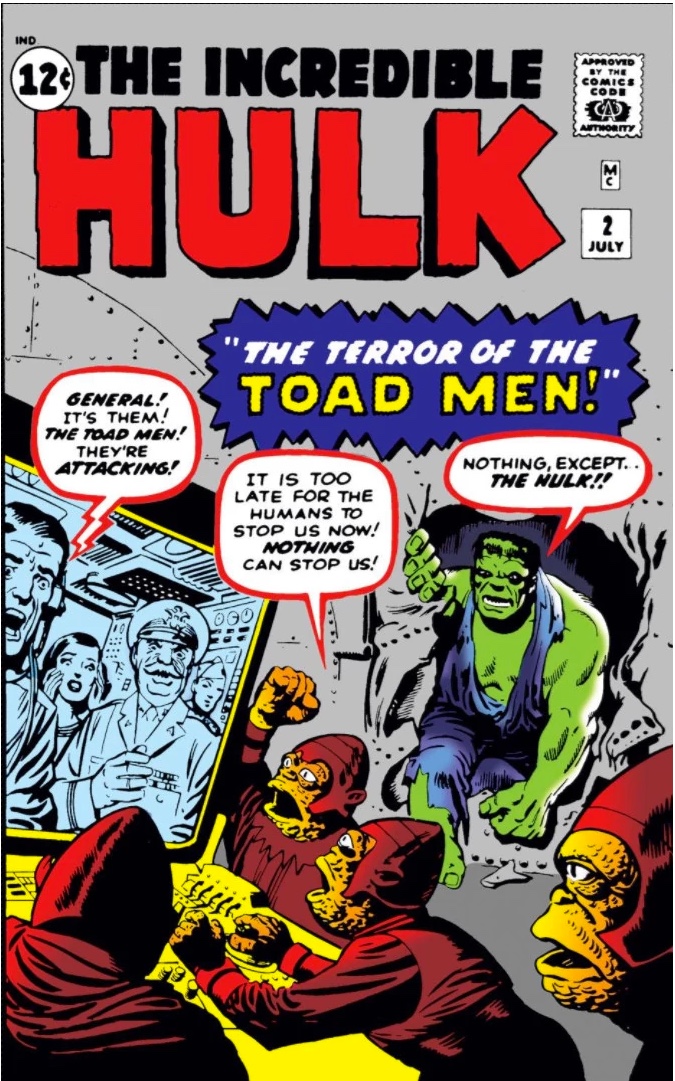
Early Silver Age grailIncredible Hulk #2 (1962)Regular US 12-cent first printing, complete and unrestoredHulk’s second appearance and first green skin.Find it in the timeline →View price source£1,055£3,619£10,629
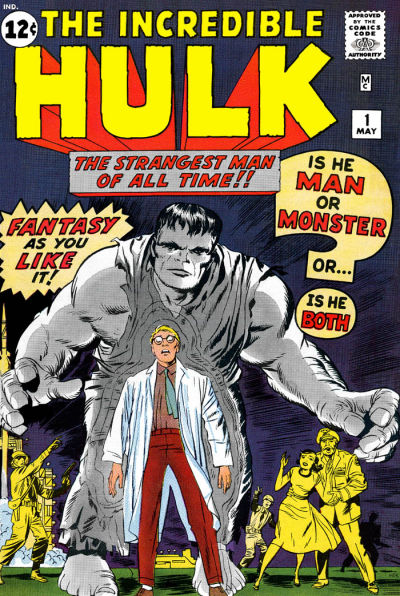
Foundational grailIncredible Hulk #1 (1962)Regular US 12-cent first printing, complete and unrestoredBruce Banner/Hulk’s debut and origin, alongside Betty Ross, Rick Jones and General Ross.Find it in the timeline →View price source£5,277£27,893£158,311

A selection of useful entry points and milestones, rather than a ranking of the most expensive variants. Converted at US$1.3265 per £1; allow for rounding, postage and any import costs.

Read the price methodology and edition checks

Key Collector describes an acquisition guide based on up to ten ungraded secondary-market transactions in a month, with an approximate 10–15% reduction. Its public issue pages do not disclose each book’s underlying sale dates, sample size or most recent valuation update. “Checked” means when the displayed figures were inspected, not when every underlying sale occurred.

The original USD figures are retained in the evidence appendix. GBP = USD ÷ 1.3265, rounded to the nearest pound, using the Bank of England’s displayed spot reference for 23 September 2026. Currency conversion does not establish a UK market price. Small rounded figures can be below ordinary shop prices; they do not mean a copy is available at that price.

Low, Mid and High are broad raw condition categories. They are not grades 2.0, 6.0 and 9.8, and the High figure is not a pristine-copy ceiling. Certified sales, scarce variants, incomplete copies and restored copies need separate comparisons. Shipping, import costs, purchase fees and eventual selling costs are additional.

Use these numbers to decide what to research next. Before paying, compare recent completed sales of the same issue, printing, price edition and comparable condition. Asking prices and unsold listings do not establish value. For a substantial purchase, examine clear photographs of the front, back, spine, staples and interior.

We have not established a matched ten-year raw sales series. A defensible uplift would require like-for-like editions and condition, comparable sale samples at both dates, and a clear treatment of fees and inflation. We therefore publish no ten-year percentage or promised return. These are collecting choices with resale risk, not guaranteed investments.

For Hulk #1, #2 and #181, the generic raw guide bands are orientation only. Authentication, exact grade, completeness and restoration can outweigh the apparent precision of the displayed figure. The high column is not an estimate for any unseen copy or a ceiling for exceptional copies.

Incredible Hulk #377 (1991)USD $1 / $2 / $10. Edition priced: Regular US first printing, neon-green background; standard direct-market entry. Buying check: Do not apply this row to the black-and-gold second print, the later third print, newsstand premiums or facsimiles. Source.

Immortal Hulk #1 (2018)USD $1 / $2 / $10. Edition priced: Regular first printing, Alex Ross cover. Buying check: Check first printing and exact cover. Incentives, exclusives and reprints have separate markets. Source.

Incredible Hulk #141 (1971)USD $15 / $50 / $150. Edition priced: Regular US 15-cent first printing. Buying check: The UK pence edition is a separate listing; do not blend its guide points or sales into this row. Source.

Incredible Hulk #340 (1988)USD $20 / $80 / $275. Edition priced: Regular US first printing; standard direct-market entry. Buying check: Distinguish the original, newsstand and reprints. Inspect black areas and spine for colour-breaking stress. Source.

Incredible Hulk #102 (1968)USD $30 / $100 / $330. Edition priced: Regular US 12-cent first printing. Buying check: This is the 1968 issue, not Incredible Hulk #102 from the 2000s series or an international reprint. Source.

Tales to Astonish #62 (1964)USD $40 / $120 / $400. Edition priced: Regular US 12-cent first printing. Buying check: Separate the original from reprints, and distinguish the initial cameo from later fuller appearances. Source.

Tales to Astonish #90 (1967)USD $45 / $125 / $460. Edition priced: Regular US 12-cent first printing. Buying check: The Sub-Mariner cover can disguise an important Hulk story inside. Confirm US versus UK edition and completeness. Source.

Incredible Hulk #181 (1974)USD $750 / $1800 / $7800. Edition priced: Regular US 25-cent first printing, complete and unrestored. Buying check: Require the Marvel Value Stamp and every page; incomplete/restored copies need separate comparisons. Numerous facsimiles and toy-pack reprints exist. Source.

Incredible Hulk #2 (1962)USD $1400 / $4800 / $14100. Edition priced: Regular US 12-cent first printing, complete and unrestored. Buying check: The UK pence edition has a separate entry. Restoration, missing pieces/pages and actual grade dominate the price. Source.

Incredible Hulk #1 (1962)USD $7000 / $37000 / $210000. Edition priced: Regular US 12-cent first printing, complete and unrestored. Buying check: Get specialist authentication and grade-specific completed-sale comparisons. A generic high-band estimate is not a defensible quote for an unseen raw copy. Source.

02

Understand the people

Understand the Hulk you are reading.

Bruce Banner

The scientist whose attempt to save Rick Jones from a gamma-bomb test creates the original Hulk. His wish to control or cure the transformation collides with other people’s fear of it. Later writers make his childhood, guilt and relationship with his other selves central to the book.

Savage Hulk

The familiar green figure with immense strength and often childlike speech. His desire to be left alone is as important as his anger. Treat him as a character with loyalties and fears, not simply a fight waiting to happen. His intelligence and relationship with Banner vary across eras.

Grey Hulk / Joe Fixit

The grey Hulk is present at the beginning; the calculating Las Vegas persona develops much later. Joe Fixit brings appetite, humour, scheming and an urban setting into a series often associated with wilderness and pursuit. Grey does not automatically mean the identical characterisation in every story.

The merged Hulk / Professor

In the Peter David era, the apparently combined qualities of Banner, the grey Hulk and the green Hulk create a new status quo at #377. Later stories complicate that model. “Smart Hulk” is a convenient screen-era shorthand, but it is not a substitute for following the comic’s changing identities.

Devil Hulk and Immortal Hulk

Immortal Hulk draws on Banner’s internal world while treating resurrection, the Green Door and the body as sources of horror. The title is a particular series and creative vision, not a label for every comic in which Hulk survives an impossible injury.

Maestro and Infernal Hulk

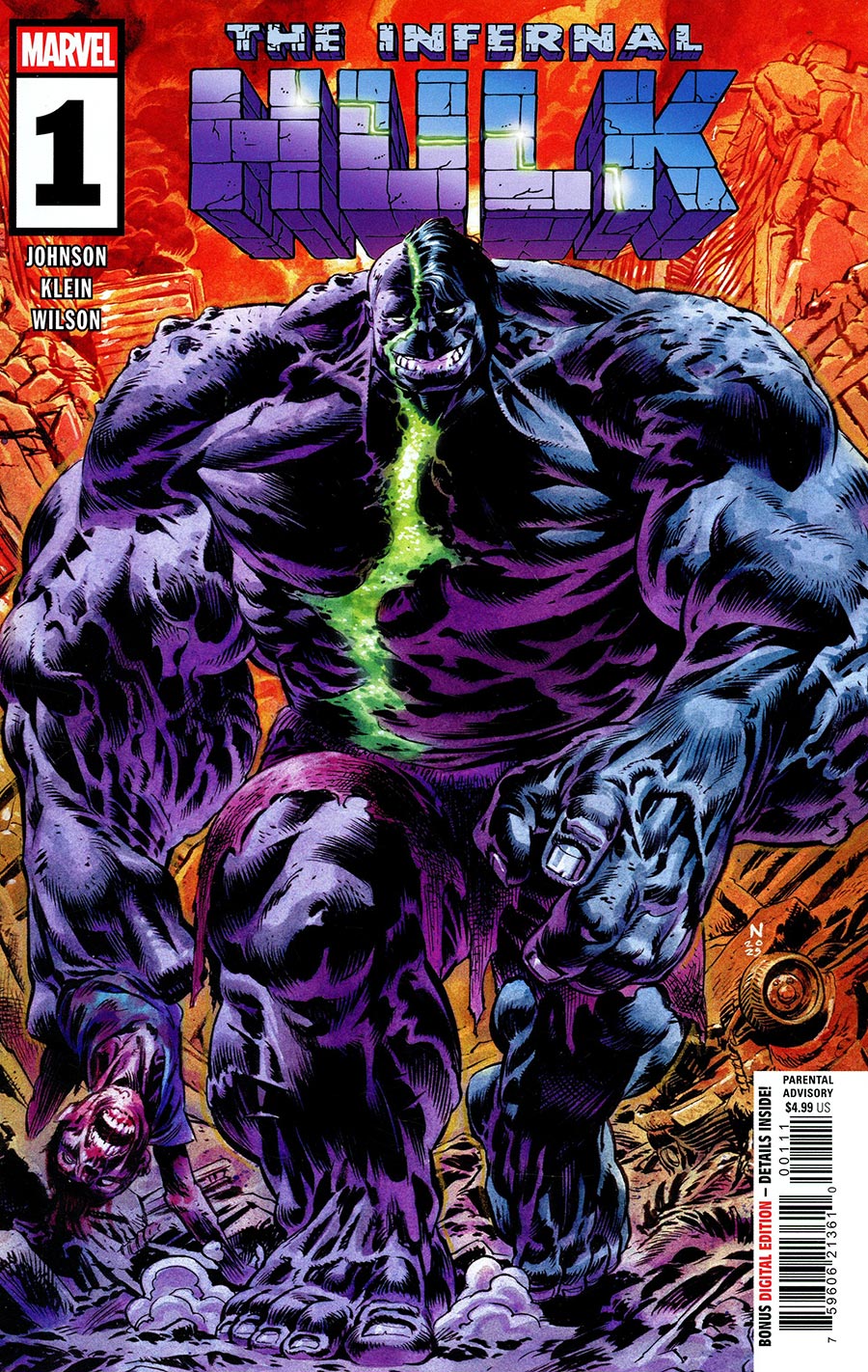
Maestro is a tyrannical future Hulk, introduced in Future Imperfect. Infernal Hulk is a different premise: Eldest has taken the Hulk’s body after separating Hulk and Banner. Neither should be casually filed as another name for the everyday green Hulk.

The people and powers around him

Rick Jones

Banner saves Rick before the gamma explosion. Rick becomes friend, witness and a recurring link to other corners of Marvel. His presence makes the origin an act of rescue as well as a scientific catastrophe.

Betty Ross

A relationship at the emotional centre of the books, with a history much larger than the role of the hero’s partner. Betty’s own transformations and choices become especially important in later Hulk stories.

Thunderbolt Ross

Military pursuit begins as part of the original setup. Ross’s conflicts with Banner, his family and eventually his own gamma identity make him more than a recurring general shouting orders.

Doc Samson

A gamma-powered psychiatrist introduced in Incredible Hulk #141. He is important to the series’ attempts to understand Banner and the Hulks; his stories also show how unstable a simple “cure” can be.

The Leader and the Abomination

Intelligence and physical force become different kinds of threat. The Leader begins in Tales to Astonish #62; the Abomination debuts in #90. Their importance comes from repeated storytelling, not just the first-appearance label.

Jennifer Walters, Amadeus Cho and Red Hulk

She-Hulk is Jennifer Walters, with her own identity and publishing history. Amadeus Cho later leads Totally Awesome Hulk. Red Hulk’s 2008 introduction eventually connects to Ross. These books belong on the wider gamma map, but a title containing “Hulk” does not always star Bruce Banner.

Jarella, Caiera and Skaar

Jarella offers Hulk a home and relationship on a different scale; Caiera is central to Planet Hulk and becomes Skaar’s mother. These relationships help explain what Hulk wants to protect, and why exile and loss recur so powerfully in the stories.

Jim Wilson and Charlie

Jim Wilson is an important human friend in the older series. Charlie anchors the journey of the 2023 run. Hulk often becomes more interesting when a companion sees something in him that the surrounding world does not.

Wendigo

A separate supernatural monster associated with a curse, rather than another product of Banner’s gamma experiment. Its role in the Wolverine debut sequence is one reason Hulk collections overlap with Marvel’s horror shelves.

03

The series map

A timeline told through the comics.

Follow the issue year as well as the number. Several different Hulk series begin with #1; classic years here identify the publication, not an exact on-sale date.

1962–1963

The experiment begins

The Incredible Hulk #1–6 · Stan Lee, Jack Kirby and Steve Ditko

The first issue introduces Bruce Banner, Rick Jones, Betty Ross, General Ross and a grey Hulk. #2 gives the Hulk his familiar green appearance. The initial six-issue run is brief, and its transformation rules are still changing: this is the foundation, not a finished instruction manual for every later story.

Read the early material to see Marvel working out the balance between monster comic, tragic science fiction and superhero adventure. An inexpensive reprint can deliver that experience just as effectively as a valuable original.

Collector’s distinction#1 is the foundational grail. #2 is a separate early milestone, not merely a cheaper substitute with the same historical claim.

1963–1964

A guest becomes a regular

Avengers #1 · Tales to Astonish #59–60

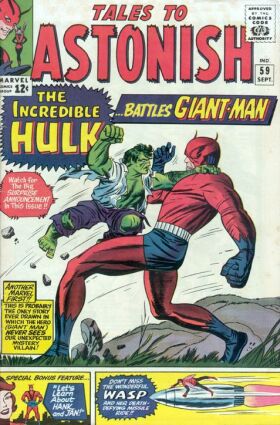
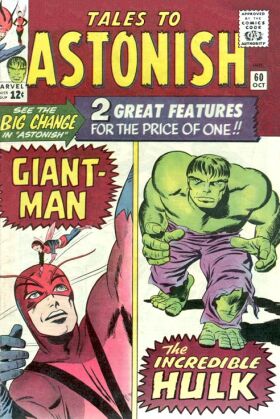
After the original solo title ends, Hulk remains in Marvel’s wider world. Avengers #1 makes him a founding team member. Tales to Astonish #59 brings him into Giant-Man’s feature; #60 begins his own recurring feature in the shared anthology.

That distinction matters to a collector: a prominent cover appearance and the beginning of an ongoing strip can be adjacent issues with different reasons to own them.

Collector’s distinctionKeep #59 and #60 separately labelled. Neither is the Hulk’s first appearance.

1964–1967

The enemies acquire staying power

Tales to Astonish #62 and #90

The Leader and the Abomination give the Hulk durable opponents with different strengths. #62 contains the Leader’s brief hooded debut, with a fuller introduction in #63; #90 introduces the Abomination. Together they explain why the shared-title years matter far beyond filling the gap between two solo series.

The cover is not a reliable guide to every important event inside an anthology. The Abomination’s debut issue leads with a Sub-Mariner cover, so learn the contents as well as the image.

Collector’s distinctionPrioritise the debut you actually want, then inspect the whole issue: anthology contents and page completeness are part of the purchase.

1968

The solo title returns at #102

The Incredible Hulk #102 · continues Tales to Astonish after #101

The shared anthology becomes The Incredible Hulk with #102. The retained numbering can make the series look confusing, but the handover is simple: Tales to Astonish #101 is followed by Incredible Hulk #102.

The continuing title becomes the long home of the Hulk. For a beginner collecting older issues, ordinary readable copies from this broad run offer much more choice than concentrating only on debut issues.

Collector’s distinctionA major title milestone and first issue under the new title; not a new first appearance of the character.

1971

Strength gets a psychological counterpoint

The Incredible Hulk #141 · first Doc Samson

Doc Samson brings gamma-powered strength and a psychiatrist’s interest in Banner into the supporting cast. That combination becomes increasingly important as later writers explore what the different Hulks mean to Banner.

A strong supporting-character key can be a focused collection in its own right. It is also a useful reminder that the most revealing Hulk stories are not always the biggest fights.

Collector’s distinctionTreat #141 as a Doc Samson first appearance, with its own market and story significance.

1974

Three issues. Three different claims.

The Incredible Hulk #180–182 · Len Wein, Herb Trimpe and collaborators

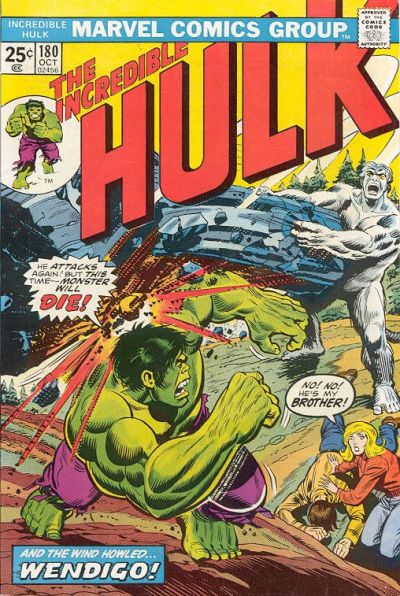
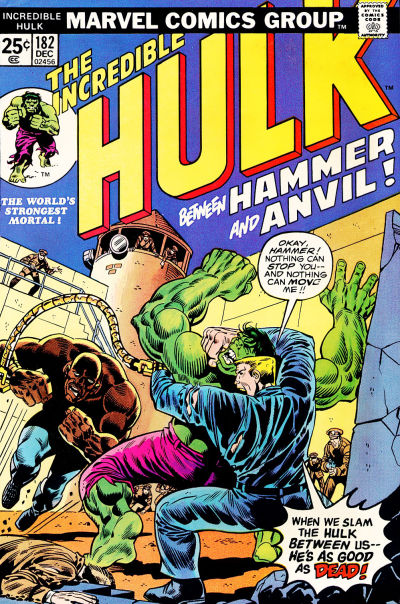
Wolverine enters in the final panel of #180. In #181 he becomes a full participant in the Hulk/Wendigo story. #182 includes a brief follow-up appearance. The market’s preference for #181 does not erase what is printed in #180.

The three supplied covers make the distinction easy to remember. #181 is the headline grail for many collectors; #180 remains historically significant on its own terms. The correct choice depends on whether your goal is the first printed appearance, the first full story or the complete sequence.

Collector’s distinctionRequire completeness checks, including the appropriate Marvel Value Stamp. A readable story with a clipped stamp is still an incomplete comic.

1980s–1990

The inner life becomes the engine

Incredible Hulk #312 · Peter David begins his main run at #331 · #340

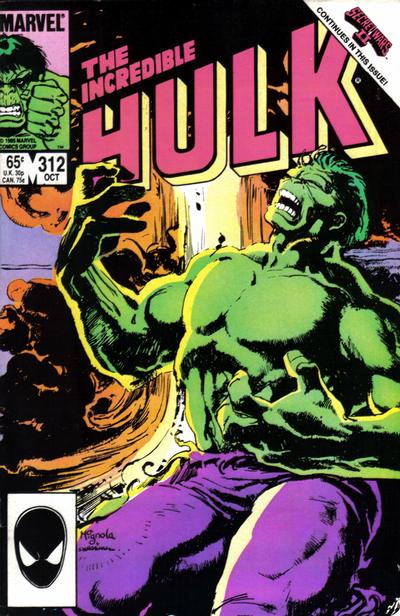
Bill Mantlo and Mike Mignola’s #312 is a crucial childhood-origin chapter. Peter David’s long run, beginning with #331, develops the character through humour, conflict and lasting consequences. The grey Hulk’s later Joe Fixit phase adds a very different mood and setting.

Todd McFarlane’s #340 is both a Hulk/Wolverine encounter and one of the era’s instantly recognisable covers. It is an art and story collecting target, not a Wolverine first appearance. Jeff Purves’s subsequent work also matters to the visual identity of the grey-Hulk years.

Collector’s distinctionFollow the creators and the issues around a favourite cover. A single key can become the doorway to a run.

1991

A new Hulk, and a printing trap

The Incredible Hulk #377 · Peter David and Dale Keown

The apparent merging of Banner, the grey Hulk and the savage Hulk gives the book a striking new status quo. #377 is the milestone associated with that change, while the surrounding David/Keown issues supply its context.

Its different printings are also a collector’s lesson. An issue number and an attractive cover photograph are not enough: match the exact printing before comparing prices. The green-and-pink design supplied for this file represents the first-print cover treatment.

Collector’s distinctionKeep first-, second- and third-print sales separate. This file’s raw-price row is for the ordinary first printing.

1992–1993

The future turns strength into tyranny

Hulk: Future Imperfect #1–2 · Peter David and George Pérez

A future world ruled by Maestro turns the Hulk’s power into an unsettling possibility. Pérez fills the setting with visual history, while David makes the conflict personal rather than simply arranging a bigger opponent.

The two-issue format makes this an unusually approachable classic. You can collect the original prestige issues or buy a collected edition. Later Maestro stories expand the idea, but they are not required before reading this introduction.

Collector’s distinctionA first appearance and a complete story can align. Buy both chapters if reading is your priority.

1999–2005

The title changes, the thread continues

Hulk (1999) · Incredible Hulk from #12 · Bruce Jones era

A new Hulk series starts in 1999 and takes the Incredible Hulk title at #12. Bruce Jones’s run shifts the book towards fugitive suspense and conspiracy, a useful alternative for readers who prefer tension to cosmic spectacle.

This is the series that later reaches Planet Hulk at #92. The restart at #1 and the later title change do not create a requirement to buy every preceding issue before reading that story.

Collector’s distinctionCheck series year and contents when a collection or listing uses a familiar title with unfamiliar numbering.

2006–2007

The exile builds a world

Incredible Hulk #92–105 · Planet Hulk

Banished from Earth, Hulk becomes a gladiator on Sakaar. Greg Pak and the art teams turn that setup into a story about comradeship, revolt and belonging. The supporting cast and worldbuilding make the consequences matter beyond the fight scenes.

The main narrative runs through #92–105. Collected editions may include additional prelude or related material; compare their contents rather than assuming every book called Planet Hulk contains the same extras.

Collector’s distinction#92 is the opening chapter of the main arc. A collected edition is the straightforward reading purchase; an original #92 is a separate collecting choice.

2007

The consequences return to Earth

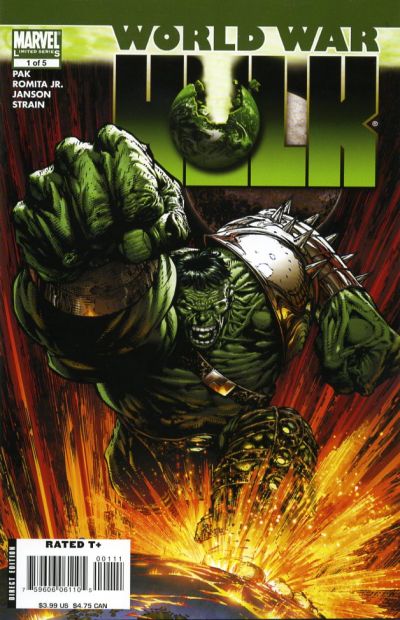
World War Hulk #1–5 · Greg Pak and John Romita Jr.

World War Hulk follows Planet Hulk, bringing its consequences back into the superhero world. The five-issue core event supplies the main path; tie-ins widen the view, but they are not the first thing a newcomer needs to purchase.

Read Planet Hulk first if you want the emotional context. Starting with the event alone gives you the confrontation before you have lived through the relationships that drive it.

Collector’s distinctionWorld War Hulk #1 is an event launch, not the Hulk’s origin. Check whether a bargain set contains all five core issues.

2008–2017

More Hulks, more titles, more ways in

Hulk (2008) · Indestructible Hulk · Totally Awesome Hulk · Hulk (2016)

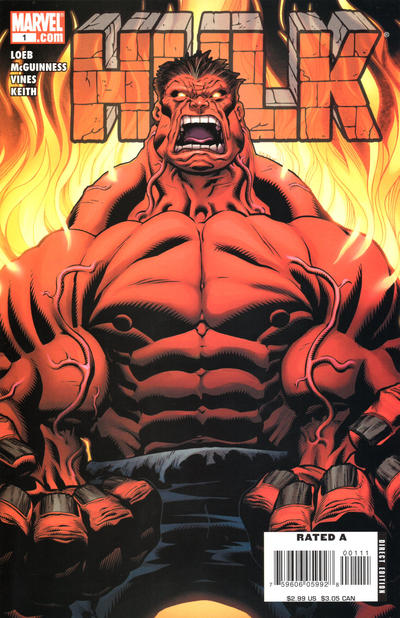
Jeph Loeb and Ed McGuinness introduce Red Hulk in the 2008 Hulk launch. Later titles continue to change the focus: Mark Waid’s Indestructible Hulk puts Banner to work with S.H.I.E.L.D.; the 2014 Hulk series develops the Doc Green direction; Totally Awesome Hulk follows Amadeus Cho.

The Banner legacy title also returns at #600, becoming Incredible Hulks at #612 as the gamma family expands. Greg Pak and Paul Pelletier’s Heart of the Monster closes that phase at #635. Jason Aaron’s subsequent Incredible Hulk (2011) separates Banner and Hulk before the next relaunches.

Jennifer Walters leads Hulk (2016), written by Mariko Tamaki. These are not interchangeable Bruce Banner #1s. Use protagonist, creative team and series year to choose a run. Banner’s fate in Civil War II and his later return also shape the route towards Immortal Hulk.

Collector’s distinctionHulk #1 (2008) launches Red Hulk. Cho’s first appearance as Hulk is not his earlier first appearance as a character.

2018–2021

The monster becomes horror again

Immortal Hulk #1–50 · Al Ewing, Joe Bennett and collaborators

Immortal Hulk makes death, transformation and the boundary between worlds central to the series. Ewing and the artists use the monster to ask who holds power, who suffers from it and what Banner’s different selves are trying to protect.

Begin with #1–5, then continue in order if the voice and imagery work for you. The completed fifty-issue main series gives collectors a defined project. One-shots and related stories can be added after you understand the core.

Collector’s distinctionChoose the standard first printing if that is what the price row describes. A ratio variant, later printing or signed copy needs its own evidence.

2021–2023

A deliberate change of direction

Hulk (2021) #1–14 · Donny Cates, Ryan Ottley and collaborators

The 2021 relaunch follows the horror run with the “Starship Hulk” concept and a much more explosive science-fiction approach. The main series reaches #14; Ottley also takes writing duties on its concluding stretch.

Banner of War crosses the run with Thor. Readers who buy only a single title’s issues should check the event contents so they do not mistake missing chapters for deliberately confusing storytelling.

Collector’s distinctionThis is a different Hulk #1 from the 2023 monster-road series. Match the creators as well as the cover.

2023–2025

The road leads back into the dark

Incredible Hulk (2023) #1–30 · Phillip Kennedy Johnson, Nic Klein and collaborators

Johnson and Klein make Hulk a wandering presence in a world of monsters, with Charlie as a vital companion. It is atmospheric, grotesque and steeped in a growing mythology of Eldest and the Mother of Horrors.

The first collection, The Age of Monsters, contains #1–5 and Hulk Annual (2023) #1. The run reaches #30 before the change to Infernal Hulk. Following this series gives that later transformation far more context than simply collecting successive #1s.

Collector’s distinctionThe supplied #1 is the 2023 Nic Klein cover. Its narrative importance is a new creative era, not a first appearance of Bruce Banner.

2025–24 September 2026

The body is familiar. The occupant is not.

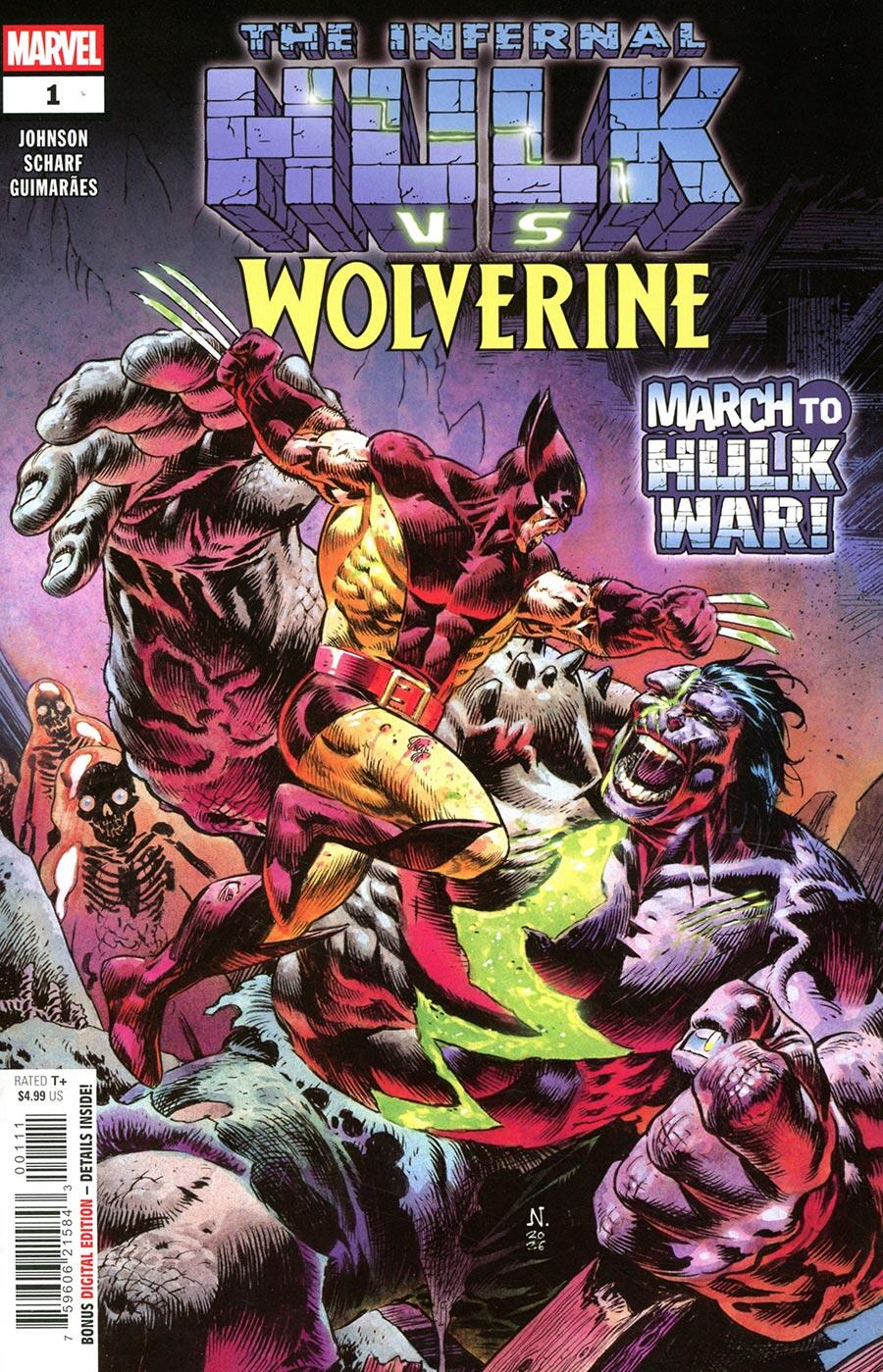
Infernal Hulk #1–10 · Infernal Hulk vs. Wolverine #1

Infernal Hulk begins on 26 November 2025 after Eldest separates Banner and Hulk and takes the Hulk’s body. This is a continuation of Johnson and Klein’s monster mythology with a changed central threat, not simply another costume or mood for Banner.

At this file’s cutoff, #10 has been released and Infernal Hulk vs. Wolverine #1 arrived on 23 September 2026, written by Johnson with interior art credited by the distributor to Jonas Scharf and Kieran McKeown, and a Nic Klein cover. It belongs to the “March to Hulk War” sequence. Publication status and story significance should be checked separately from speculation about future prices.

Collector’s distinctionA newly released special is current reading. Time, demand and actual sales will determine whether it develops a durable collecting premium.

Current position / 24 September 2026

Where the file stops today.

As of 24 September 2026, the main route reaches Infernal Hulk #10 (12 August), then Infernal Hulk vs. Wolverine #1 (23 September). The announced next one-shots are vs. Fantastic Four on 14 October and vs. Spider-Man on 4 November. The #1–10 Infernal Hulk paperback is due 10 November, so it is not yet a current buying option. Those dates can change; the Wolverine special is released reading, while the later books are still forthcoming.

04

Read by experience

Choose the Hulk you want to meet.

Incredible Hulk #92 (2006)

The adventure gateway

Planet Hulk · Incredible Hulk #92–105

Our first choice for a newcomer who wants a substantial story. Exile, gladiatorial combat and hard-won friendships make a world that is worth spending time in. Buy a collected edition with the full main arc, then consider World War Hulk.

Immortal Hulk #1 (2018)

The horror gateway

Immortal Hulk #1–5, then #6–50

The opening volume is a manageable test of whether this darker approach works for you. Night-time dread, resurrection and disturbing physical transformations lead into a much larger completed work. Follow issue order rather than assembling only the popular covers.

Hulk: Future Imperfect #1 (1992)

The short classic

Hulk: Future Imperfect #1–2

A complete two-part story with a sharply defined premise and exceptional visual density. It works as both a reading destination and the introduction of Maestro. The original format is attractive, but the contents matter more than the edition for a first reading.

Incredible Hulk #377 (1991) — first-print cover design.

The psychological turning point

Incredible Hulk #372–377; earlier context in #312

The end of this sequence reaches the status quo associated with #377. Reading the build-up helps it feel like a story rather than a checklist entry. #312 is an important earlier childhood chapter; it is also emotionally heavier than a conventional superhero origin.

Incredible Hulk #181 (1974)

The Wolverine introduction

The Incredible Hulk #180–182

A compact sequence with substantial collecting history. Read it as a complete encounter, then decide whether owning one of the originals matters to you. The final-panel/full-appearance distinction becomes obvious when you actually read the chapters.

World War Hulk #1 (2007)

The event payoff

World War Hulk #1–5

Read after Planet Hulk. This is the large-scale confrontation route, with John Romita Jr.’s action staging at its centre. Start with the five core issues; only add tie-ins if you want to follow particular characters’ reactions.

Incredible Hulk #1 (2023)

The modern monster road

Incredible Hulk (2023) #1–5, then continue to #30

The Age of Monsters gives you Johnson and Klein’s entry point, with Charlie and a distinctive new mythology. Continue through the run before Infernal Hulk if you want the change of premise to carry its intended weight.

Infernal Hulk vs. Wolverine #1 (2026)

The current chapter

Infernal Hulk #1 onward; vs. Wolverine #1 (2026)

For readers already following the 2023 run, this is the route to the present. Read the main series before treating the Wolverine special as your starting point. Use dated release information, and keep forthcoming chapters separate from books actually on sale.

Incredible Hulk #312 (1985)

The earlier psychological journey

Crossroads · Incredible Hulk #300–313; Alpha Flight #28–29 for its exit

A longer route for readers interested in the Hulk’s interior life. Bill Mantlo’s stories and the work of Sal Buscema and other artists lead towards the childhood material in #312, illustrated by Mike Mignola. Check collected-edition contents: some include additional lead-in issues. The material includes childhood abuse.

Two more distinct voices

Hulk: Gray #1–6 (2003)

Jeph Loeb and Tim Sale offer an emotional origin retelling. Choose it for the expressive art and relationship focus.

Incredible Hulk: The End #1 (2002)

Peter David and Dale Keown present a bleak possible ending. Some collections pair it with Future Imperfect; check contents before buying both.

05

Know why a book matters

Three reasons a comic becomes a key.

Character milestone

An introduction such as Hulk #1, Doc Samson in #141, or Wolverine’s #180/#181 sequence. Ask which character and which kind of appearance the claim describes.

Story or series milestone

A turning point such as #377, a title transition such as #102, or an opening chapter such as Planet Hulk #92. Its importance need not come from a new character.

Cover and artist milestone

A book such as #340 can be desirable because of its cover, its creators and its encounter. That is a valid collecting reason; it does not make it a debut issue.

Six more books to recognise

Incredible Hulk #140 (1971)

First Jarella. A supporting-character milestone for a Hulk-focused collection.

Incredible Hulk #162 (1973)

First Wendigo. Useful for readers collecting the supernatural side of Hulk.

Incredible Hulk #271 (1982)

Rocket Raccoon’s first colour-comic appearance; his earlier debut is Marvel Preview #7 (1976).

Incredible Hulk #347 (1988)

The Las Vegas grey-Hulk phase begins. It is not the first grey Hulk appearance.

Incredible Hulk #449 (1997)

Thunderbolts debut: an important key whose demand also comes from another team’s collectors.

Hulk #1 (2008)

First Red Hulk. The transformed identity’s debut is distinct from Ross’s first appearance in 1962.

06

Follow the craft

The creators are part of the reading order.

Stan Lee, Jack Kirby and Steve Ditko: the foundation

Lee and Kirby introduce the scientist and monster; Ditko draws #6 of the original series and is crucial to the early Tales to Astonish feature. The original material is lean, restless and inventive. Read it for the ideas taking shape rather than expecting the later mythology to arrive fully formed.

Herb Trimpe and Sal Buscema: movement and humanity

Trimpe’s sustained run helps define the familiar bronze-age Hulk and includes Wolverine’s debut issues. Sal Buscema gives the long-running feature clarity, force and expressive faces. A favourite artist’s stretch can be a more personal collection than a list of expensive keys.

Peter David and his collaborators: continuity with consequences

David uses wit, identity and a growing ensemble to make changes matter over time. Todd McFarlane, Jeff Purves, Dale Keown and Gary Frank give different phases a distinct visual character. George Pérez makes Future Imperfect’s future feel crowded with history.

Greg Pak, Carlo Pagulayan, Aaron Lopresti and John Romita Jr.: an epic built to escalate

Planet Hulk builds a world around an exile; World War Hulk brings the consequences home. Pagulayan and Lopresti shape much of Sakaar’s visual storytelling. Romita Jr.’s forceful staging is a major part of the event’s different rhythm.

Al Ewing, Joe Bennett and collaborators: horror as an argument

Immortal Hulk makes anatomy, page turns and disturbing transformations carry ideas about power and harm. Its appeal is the completed body of work. Buying only #1 gives you the opening, not the argument the whole series develops.

Phillip Kennedy Johnson and Nic Klein: a mythic monster book

The 2023 series uses a journey with Charlie and encounters with monsters to build its mythology. Klein’s texture and monstrous scale are central to its identity. Infernal Hulk extends that creative direction through a major change in who controls the body.

07

Beyond the solo book

The wider Marvel connections.

The Avengers and the Defenders

Hulk is a founding Avenger in Avengers #1 (1963), but he also becomes central to the very different Defenders tradition. Those team books let you read him alongside characters such as Doctor Strange and Namor without assuming every appearance belongs to the solo run.

The Fantastic Four and the Thing

Fantastic Four #12 (1963) supplies the early meeting; Hulk and the Thing become one of Marvel’s great recurring matchups. Collect the stories you like, rather than treating every later fight as an equally significant key.

Wolverine

The Hulk title launches Wolverine across #180–182 in 1974. #340 later becomes a celebrated McFarlane cover and rematch. In 2026, Infernal Hulk vs. Wolverine uses the longstanding pairing again, with a different creature occupying the Hulk’s body.

The wider gamma shelf

Savage She-Hulk #1 (1980), Hulk #1 (2008), and Totally Awesome Hulk #1 (2015) open different doors. Cho first appeared as a character earlier, in Amazing Fantasy #15 from the 2004 series, published in 2005. That is not the 1962 Spider-Man debut issue.

Hulk #1 (2008)
Hulk #1 (2008)
08

Collect with confidence

The questions to ask before you buy.

1. Identify the publication before comparing the price

Write down title, issue, series start year, printing and price edition. Incredible Hulk #1 (1962), Hulk #1 (2008), Immortal Hulk #1 (2018), Incredible Hulk #1 (2023) and Infernal Hulk #1 (2025) are entirely different purchases. A listing headline that says only “Hulk 1” is not enough.

2. First appearance and first full appearance are different claims

Wolverine appears in the final panel of Hulk #180. #181 gives him the substantial story role collectors call his first full appearance. #182 includes a brief return. Ask what the seller’s “first appearance” means, then compare the specific issue you intend to own.

3. Count pages and check the Marvel Value Stamp

For Hulk #181, ask for a clear photograph of the intact Shanna the She-Devil Marvel Value Stamp. A missing stamp makes the book incomplete even when the story remains readable. #180 and #182 also need their own completeness checks; a nice front cover cannot answer this.

4. Treat restoration and missing material as price-changing facts

Ask about colour touch, trimming, tear seals, replaced staples, detached pages and missing pieces. A raw book is not automatically unrestored. For an expensive copy, compare the exact defects and request appropriate independent examination rather than accepting a seller’s adjective as a grade.

5. Hulk #377: buy the printing you intend to buy

The first, second and third printings have distinct cover treatments and different markets. The supplied green-background, pink-lettered cover represents the first-print design. Confirm the indicia and other identifying details on the physical copy. A premium third-print sale is not evidence for the value of an ordinary first print.

6. A famous cover can exist as a reprint

Hulk #1, #181 and #340 artwork has been reused. Read the indicia, barcode, cover price and publication details, and compare them with the edition being sold. Facsimiles and affordable reprints are excellent reading and display choices when clearly identified.

7. Match the UK price edition and total delivered cost

An original UK-priced edition needs like-for-like comparison, not a discount or premium assumed from habit. Check whether a UK price was printed on the cover or added later. For imported books, add postage, taxes and handling before comparing the total with a UK seller.

8. Certified copies need a separate check

Verify the certification number, label notes, page quality, restoration status and relevant CGC census category. Compare the population in that grade and the number graded higher, with the date checked. Census population counts recorded submissions, not every surviving copy; it is not a standalone measure of demand.

Collections with a clear finish line.

The reading shelf

Start with Planet Hulk or Immortal Hulk Vol. 1, then add Future Imperfect. You will experience three very different strengths of the character before deciding which era deserves a longer run.

The milestone collection

Choose a manageable theme: the Tales to Astonish transition, the Peter David years, or the modern horror run. Budget for ordinary issues as well as the headline key. A coherent run is often more satisfying than unrelated expensive singles.

The grail plan

Set an edition, completeness and condition target for Hulk #1 or #181, then save towards that exact specification. Keep a ceiling based on comparable sold copies. A low price for an incomplete book and a higher price for a sound complete copy describe different purchases.

09

Quick answers

Clear up the common confusions.

Which Hulk should I read first?

Planet Hulk for adventure; Immortal Hulk #1–5 for horror; Future Imperfect #1–2 for a short classic. Read what attracts you. There is no requirement to start in 1962.

Why does Incredible Hulk start again at #102?

It continues the numbering of Tales to Astonish after #101. It is the return of a solo Hulk title in 1968, not his first appearance and not the 102nd issue of the six-issue 1962 series.

Is Wolverine’s first appearance #180 or #181?

#180 is the first published appearance in a final-panel cameo. #181 is the first full story appearance. Both descriptions belong in a careful collector’s guide.

Is the Immortal Hulk the same as Infernal Hulk?

No. Immortal Hulk is the 2018–2021 Ewing-led series. Infernal Hulk begins in 2025 with Eldest controlling the Hulk’s body after the separation from Banner. Keep the series and premises distinct.

Are all books called Immortal Hulk Vol. 1 the same?

No. Or Is He Both? collects #1–5 plus Avengers material, while a larger Vol. 1 collects #1–10 plus Avengers material. Match the contents or ISBN to the route you want. Collection titles alone can be ambiguous.

Is Fire & Brimstone part of the Infernal sequence?

Spider-Man/Hulk: Fire and Brimstone is a separate 2026 team-up project. It is not Infernal Hulk vs. Spider-Man, the one-shot currently announced for November. Keep the two titles separate when ordering.

Do I need every variant or crossover?

No. Follow the core story first. Buy variants for art you enjoy, and use exact contents lists when selecting collections. A cover appearance, a ratio incentive and a first narrative appearance are different reasons for owning a comic.

Should I pay extra because something is “hot”?

Only if the exact copy remains worth the price to you after the immediate excitement passes. Check completed sales, the number of comparable copies available and how quickly they actually sell. Movie rumours, cover hype and asking prices are not a valuation method.

Where is the ten-year uplift figure?

There is no defensible matched raw-sales series in this research. We have left the percentage out rather than compare different grades, printings or restoration categories and call it appreciation.

—

Evidence / checked 24 September 2026

Sources, editions and credits.

Reading recommendations and collecting priorities are editorial judgements. This guide covers the principal series, stories and milestones; it is not an inventory of every cameo, printing or variant. Provider market estimates are kept separate from the reasons to read a story.

  1. Marvel: the original Hulk stories and early guest appearances
  2. Key Collector: Incredible Hulk #2 (1962)
  3. Marvel: Bruce Banner / Hulk profile
  4. Marvel / PRH: Man or Monster? contents including Avengers #1
  5. Marvel: early Fantastic Four and Hulk encounters
  6. Marvel: Tales to Astonish #59
  7. Marvel: Hulk legacy publication map
  8. Key Collector: Leader’s brief debut in Tales to Astonish #62
  9. Key Collector: Leader’s fuller introduction in #63
  10. Marvel: Tales to Astonish #90 / Abomination debut
  11. Marvel: Incredible Hulk #102
  12. Key Collector: Incredible Hulk #141 / Doc Samson
  13. Key Collector: Hulk #180 / Wolverine’s first appearance
  14. Grand Comics Database: Hulk #181
  15. Heritage: Hulk #182 / opening-page Wolverine appearance and missing stamp example
  16. Heritage: Hulk #181 issue index / Shanna Marvel Value Stamp
  17. Grand Comics Database: Hulk #312 / Monster
  18. Marvel: the grey Hulk, McFarlane and the Vegas period
  19. PRH: Ground Zero / Incredible Hulk #331–346
  20. Key Collector: Incredible Hulk #340
  21. Marvel: Incredible Hulk #377 / credits and story
  22. Marvel: Professor Hulk reading guide
  23. Key Collector: Hulk #377 printing variants
  24. Marvel: Future Imperfect #1–2 collection
  25. Marvel: Hulk #12 / return of the Incredible title
  26. Marvel: Return of the Monster collection
  27. PRH: Planet Hulk Premier Collection contents
  28. Marvel: World War Hulk #1–5 collection
  29. Marvel: Red Hulk profile
  30. Marvel: Heart of the Monster / Incredible Hulks #630–635
  31. Marvel: Indestructible Hulk opening collection
  32. Marvel: Amadeus Cho reading guide
  33. Marvel: Jennifer Walters leads Hulk (2016)
  34. Marvel: the Hulk family tree
  35. PRH: Immortal Hulk — Or Is He Both? contents
  36. Marvel: Immortal Hulk #50 / final issue
  37. Marvel: Hulk by Cates & Ottley omnibus contents
  38. Marvel: Hulk (2021) #14 / Ryan Ottley writing and art
  39. Marvel: Banner of War crossover contents
  40. Marvel: The Age of Monsters collection
  41. Marvel: Incredible Hulk (2023) #30
  42. Marvel: Infernal Hulk preview / separation and possession
  43. Marvel: Infernal Hulk #1 / 26 November 2025
  44. Marvel: Infernal Hulk #10 / 12 August 2026
  45. PRH: Infernal Hulk vs. Wolverine #1 / 23 September 2026
  46. Marvel: March to Hulk War one-shot sequence
  47. PRH: Infernal Hulk #1–10 collection / forthcoming 10 November 2026
  48. PRH: Infernal Hulk vs. Fantastic Four #1 / announced 14 October 2026
  49. PRH: Infernal Hulk vs. Spider-Man #1 / announced 4 November 2026
  50. Marvel: separate Spider-Man/Hulk — Fire & Brimstone series
  51. Marvel: Crossroads collection
  52. PRH: Hulk — Gray #1–6 collection
  53. Marvel: The End collection / includes Future Imperfect
  54. Marvel: Marvel Preview #7 / Rocket’s earlier debut
  55. Marvel: Incredible Hulk #449 / Thunderbolts
  56. Marvel: Heart of the Atom / Jarella stories
  57. Grand Comics Database: Incredible Hulk #162
  58. Key Collector: acquisition-guide methodology
  59. Bank of England: daily exchange rates / 23 September 2026
  60. Raw price source: Incredible Hulk #377 (1991)
  61. Raw price source: Immortal Hulk #1 (2018)
  62. Raw price source: Incredible Hulk #141 (1971)
  63. Raw price source: Incredible Hulk #340 (1988)
  64. Raw price source: Incredible Hulk #102 (1968)
  65. Raw price source: Tales to Astonish #62 (1964)
  66. Raw price source: Tales to Astonish #90 (1967)
  67. Raw price source: Incredible Hulk #181 (1974)
  68. Raw price source: Incredible Hulk #2 (1962)
  69. Raw price source: Incredible Hulk #1 (1962)

Marvel characters and cover artwork © Marvel and their respective rights holders. The supplied covers identify the comics discussed. Original image proportions and complete cover artwork are preserved.