Start with a complete story.
Year One explains the man and the city. Follow it with The Long Halloween for the transition from organised crime to costumed rogues. A collected edition keeps the experience affordable.
Find your reading route →The Comic Agent flagship guide
The Dark Knight.
The villains who made him.
A city of shadows. A gallery of monsters. A lifetime of extraordinary comics. Follow Batman from his first appearance to the stories, artists and adversaries that make Gotham one of collecting’s richest destinations.
Batman is a detective story, a Gothic nightmare and a declaration that one person can refuse to surrender. The remarkable thing is how many different comics can honour that same idea.
Bruce Wayne turns the murder of his parents into a mission. His weapons are preparation, observation and an image designed to frighten criminals. But the most revealing Batman stories ask what that mission costs—and who keeps the man beneath the cowl connected to the world.
Alfred, Commissioner Gordon and the successive Robins matter as much as the machinery of the Batcave. Catwoman complicates his certainty. The Joker attacks his principles. Two-Face reflects a life split in two. Gotham becomes a place where every adversary tests a different part of Batman.
For a collector, that creates freedom. You can follow an artist, build a villain shelf, assemble a favourite story or pursue the first appearances that established the world. A coherent collection can begin with a readable paperback and grow one deliberate purchase at a time.
Year One explains the man and the city. Follow it with The Long Halloween for the transition from organised crime to costumed rogues. A collected edition keeps the experience affordable.
Find your reading route →Neal Adams’s Gothic drama, Marshall Rogers’s elegant rooftops, Tim Sale’s shadows or Jim Lee’s physical power: an artist gives a collection an immediate identity.
Meet the defining creators →Choose a period, character or story, then compare complete copies in a condition you will enjoy owning. An affordable story milestone can be a better first purchase than a compromised trophy.
Explore the buying guide →Batman’s history is a sequence of creative reinventions. The dates below describe publication eras, rather than one continuous in-universe biography.
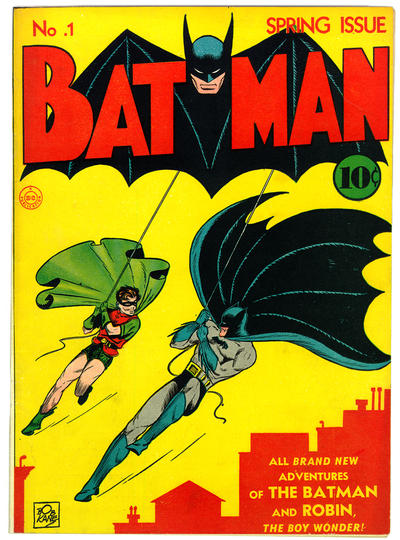
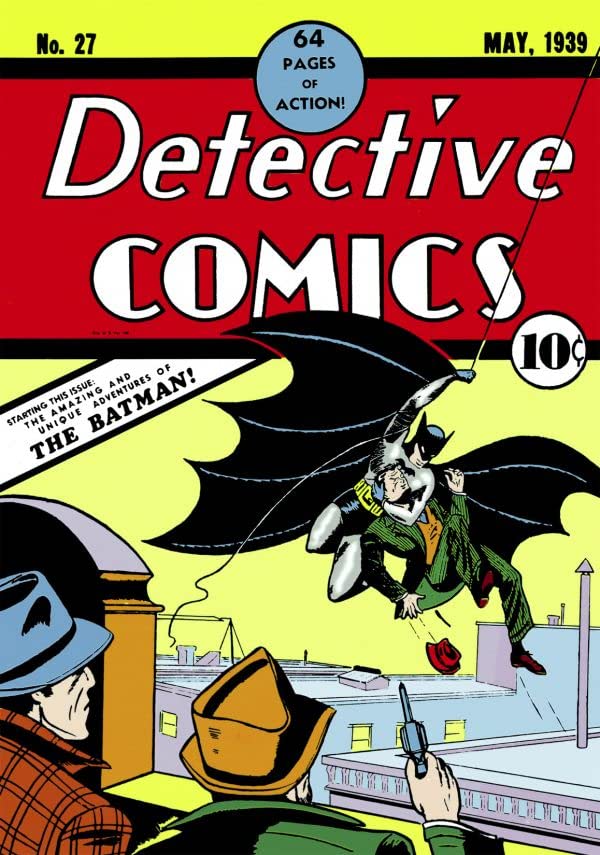
Detective Comics #27 introduces Batman. His origin follows in #33, Robin arrives in #38, and Batman #1 gives him his own title alongside the debuts of the Joker and the Cat. Within little more than a year, the central relationships of an enduring mythology are taking shape.
Scarecrow, Penguin, Two-Face and Riddler establish distinct kinds of menace. Later, the comics expand into colourful mysteries, transformations and science-fiction adventures. These books reward readers who enjoy the strange, inventive breadth of Batman, rather than expecting every era to resemble a modern crime thriller.
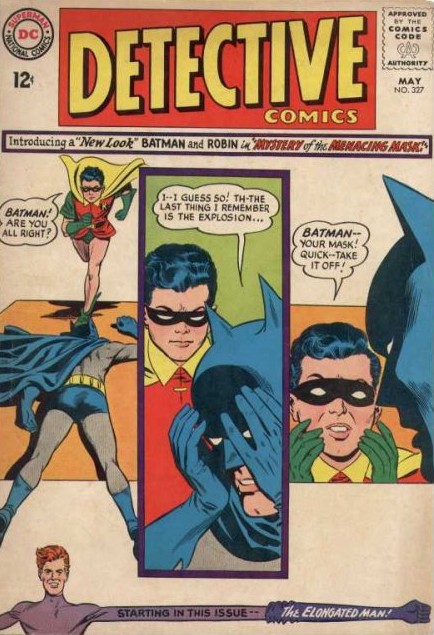
Editor Julius Schwartz and artist Carmine Infantino help refresh Batman’s presentation. Detective Comics #327 marks the New Look, with the yellow oval becoming a visual signature. The 1966 television series brings another audience, while Riddler, Poison Ivy and Scarecrow books give today’s collectors especially recognisable Silver Age targets.
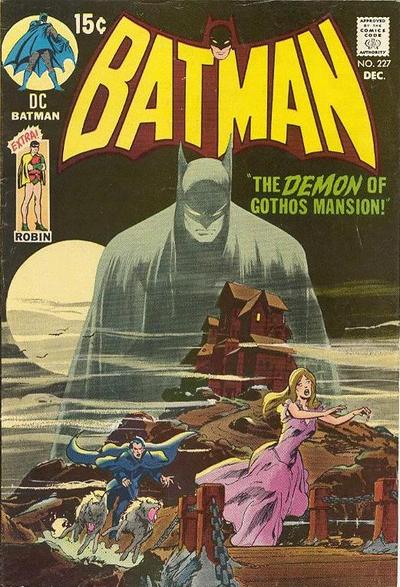
Dennis O’Neil and Neal Adams restore a tense, atmospheric Batman. Ra’s al Ghul opens the world beyond Gotham; the Joker becomes terrifying again. Steve Englehart, Marshall Rogers and Terry Austin then combine a vivid city, sophisticated relationships and theatrical villains in the work collected as Strange Apparitions.
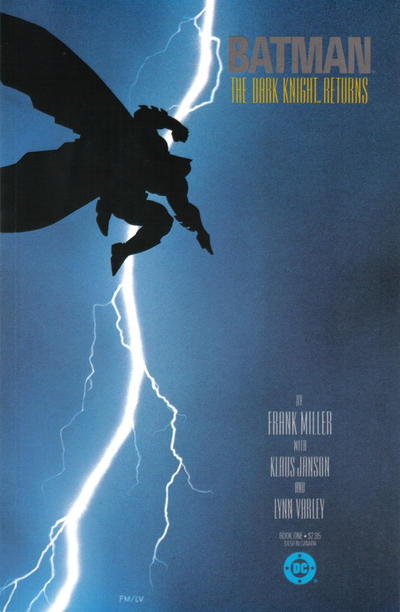
The Dark Knight Returns imagines an older Batman in a possible future. Year One returns to the beginning. The Killing Joke and A Death in the Family explore the damage surrounding his war on crime. These are different creative propositions, not four consecutive chapters of a single story.
Bane dismantles Batman’s defences in Knightfall. The animated universe brings Harley Quinn into comics. Catwoman gains an ongoing title; The Long Halloween revisits Gotham’s formative years; No Man’s Land turns a devastated city into a sprawling test of the entire Batman family.
Hush makes a tour of the rogues gallery into an accessible modern event. Under the Hood revisits Jason Todd’s legacy. Grant Morrison’s work stretches the idea of Batman across family, identity and a global mission. These directions give collectors distinct runs to pursue beyond isolated key issues.
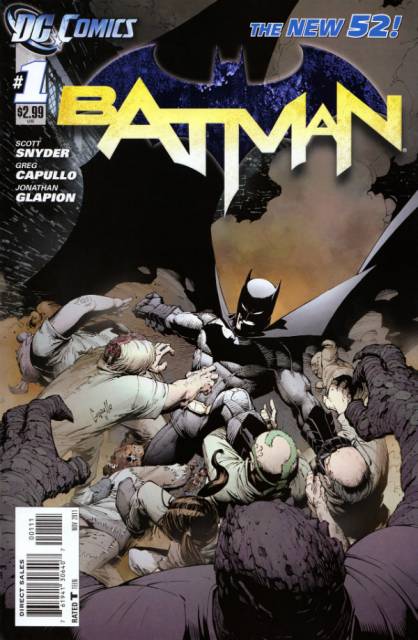
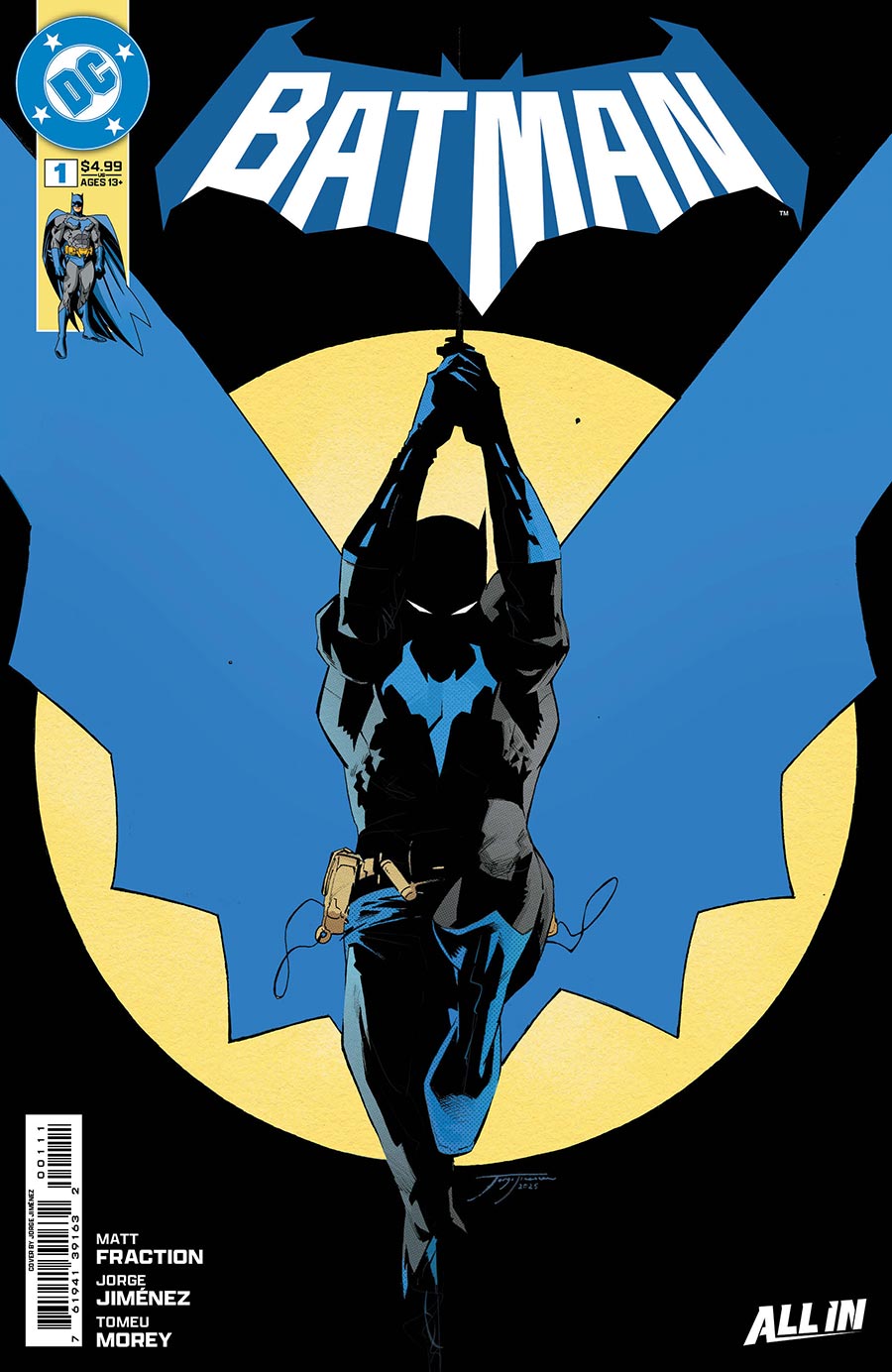
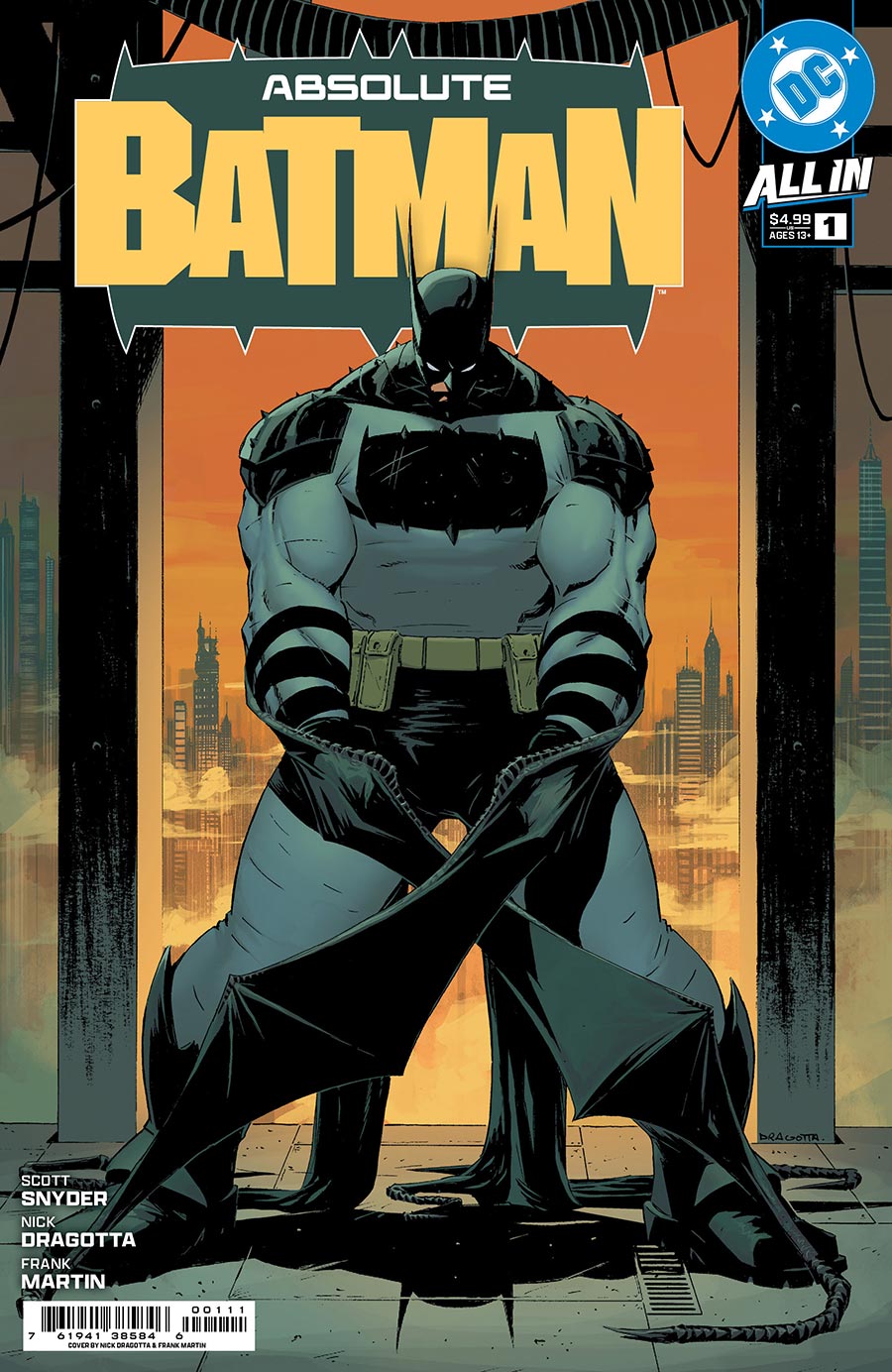
Snyder and Capullo’s 2011 series begins with the Court of Owls. The 2016 main-title relaunch opens another era. Absolute Batman launches in 2024 in its own universe; Matt Fraction and Jorge Jiménez’s Batman #1 follows in 2025 in the main line. Always include the series year when identifying a modern #1.
History: DC’s early historyA history of ongoing Batman titles
A character this enduring is a collaboration across generations. These are useful creative routes through the shelves, rather than a claim that one team owns the definitive Batman.
Bill Finger’s writing and Bob Kane’s credited visual creation establish Batman. Jerry Robinson, Dick Sprang and many other early contributors help build the character’s world and visual vocabulary. A history of Batman should make those contributions visible.
The New Look makes a strong collecting theme: a clearer detective emphasis, a refreshed silhouette and the graphic confidence of 1960s DC. Begin with Detective Comics #327.
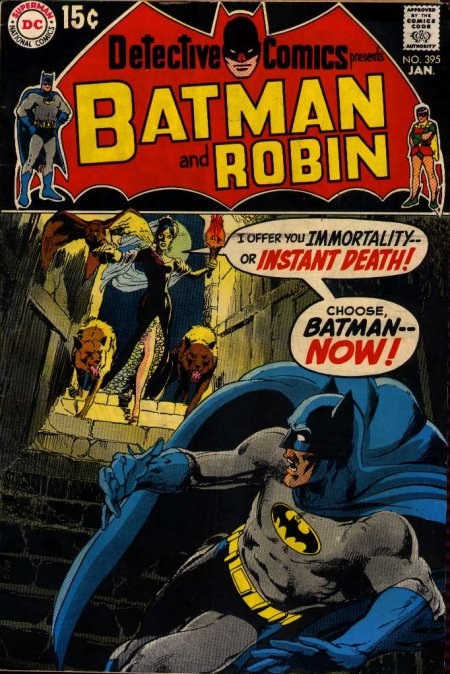
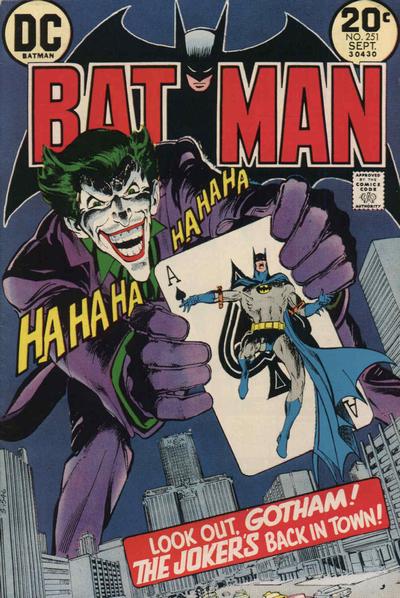
Long shadows, physical movement and danger. Follow their stories through Detective #395, Batman #232, #234, #244 and #251. Adams covers also reward collecting independently of who draws the interior story.
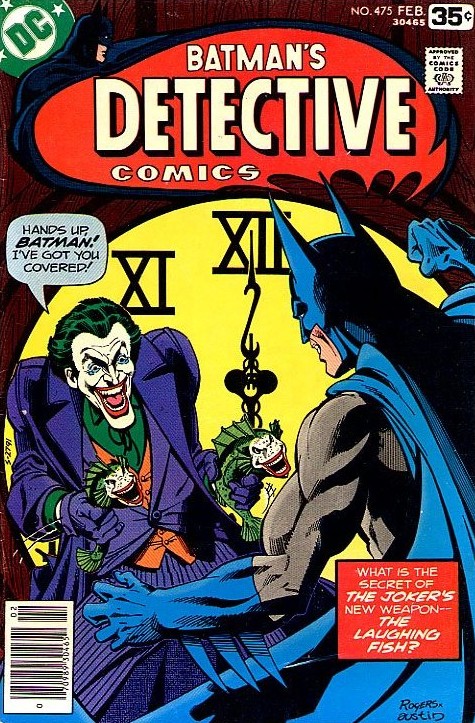
The late-1970s Detective Comics material combines architectural elegance with memorable villains. The Laughing Fish is an especially satisfying two-issue collecting objective.
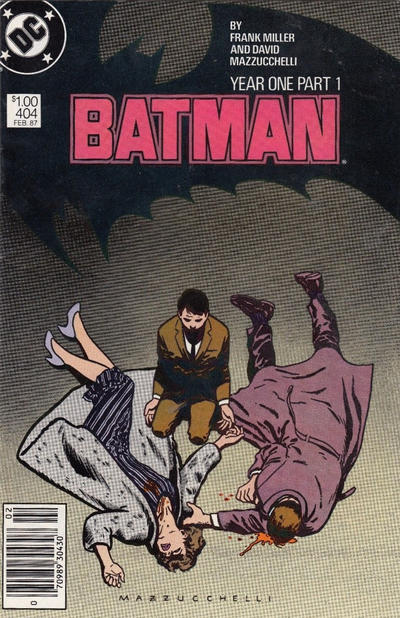
The Dark Knight Returns with Klaus Janson and Lynn Varley, and Year One with David Mazzucchelli and Richmond Lewis, offer dramatically different visual approaches to the same character.
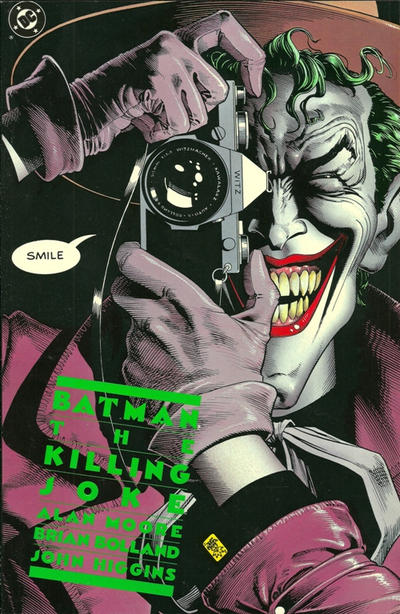
The Killing Joke gives collectors a landmark one-shot and one of the most recognisable Joker images. Original John Higgins colouring and later Bolland recolouring are distinct reading presentations.
Jeph Loeb and Tim Sale turn Gotham into a noir calendar in The Long Halloween. Loeb, Jim Lee and Scott Williams make Hush a broad, visually spectacular introduction to the cast.
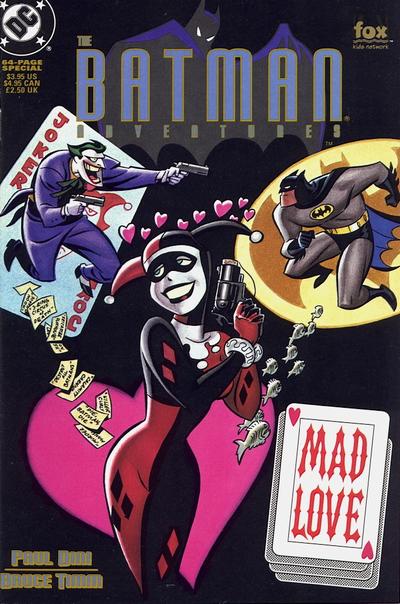
The animated universe strips the designs down to expressive essentials. Harley Quinn and Mad Love demonstrate how a new interpretation can become part of Batman’s lasting identity.
From Batman and Son to Batman and Robin and Batman Incorporated, Morrison treats decades of Batman ideas as material for a larger story about succession and legacy.
The Court of Owls makes Gotham itself feel unfamiliar. Their 2011 run is a straightforward modern collecting project, with complete arcs and a strong shared visual identity.
Absolute Batman reworks Bruce Wayne’s circumstances and physical presence. It belongs on its own shelf as a parallel interpretation, with its own issue sequence.
The 2025 main-title launch is another contemporary entry point. Record “Batman, 2025 series” precisely: its #1 is a different book from the 1940, 2011, 2016 and Absolute launches.
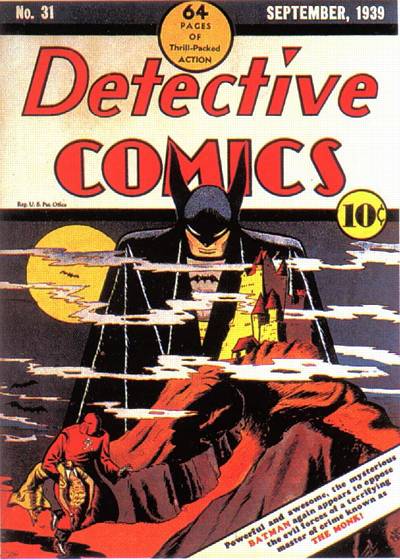
The gigantic, watching figure on Detective Comics #31 finds a striking echo in Neal Adams’s Batman #227. This is collecting through composition: a motif that connects the earliest Batman to the Bronze Age return to atmosphere and unease.
For a horror collector, this is a natural route into Gotham. Follow the haunted settings and dramatic covers, then read the stories beneath them. A famous image and an interior creative team are separate credits worth checking.
Case file / The Joker
Batman tries to make meaning from tragedy. The Joker turns meaning into a target. Their conflict gives the collection its sharpest edge.
The Joker arrives in Batman #1 in 1940, already a lethal criminal with a theatrical presence. His creation is associated with Bill Finger, Bob Kane and Jerry Robinson; the history should acknowledge all three rather than simplify a disputed creative story into one name.
Across different eras he has been a murderer, an elaborate prankster and a figure of psychological horror. That range matters. A Joker collection can tell the story of Batman’s changing tone without needing every Batman issue around it.
Batman #251 is the obvious centrepiece: O’Neil and Adams’s The Joker’s Five-Way Revenge, paired with a cover that makes Batman a tiny figure trapped in the villain’s grip. It combines story importance, a celebrated artist and immediate visual recognition.
Detective Comics #475–476 offers a different kind of menace. In The Laughing Fish, a grotesquely absurd premise becomes frightening because the Joker expects the world to obey it. Englehart, Rogers and Austin make the city and its rooftops feel as memorable as the villain himself.
The Killing Joke is a compact, disturbing encounter with the Joker’s account of himself and his assault on Barbara and Jim Gordon. Its proposed origin is framed through an unreliable perspective. Treat it as a powerful interpretation, not an uncontested biography. Its violence and treatment of Barbara also deserve critical discussion.
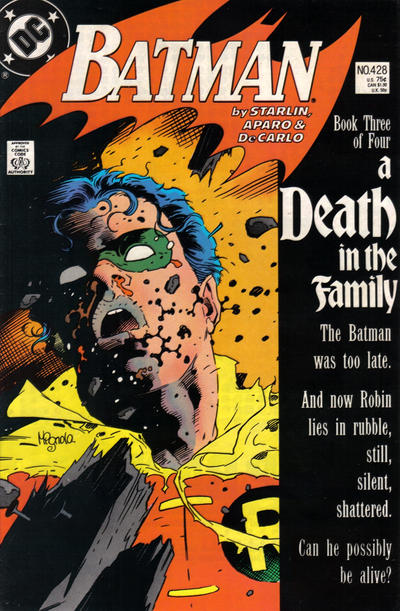
A Death in the Family, particularly Batman #428, turns the consequences of the Joker’s violence towards Jason Todd. It is a milestone in the Batman family’s history, rather than a Joker debut. Collect the full #426–429 sequence if the story is the attraction.
Start with a readable edition of The Killing Joke, then the Laughing Fish pair. Add an original #428 or the complete A Death in the Family arc. A suitable #251 can become the centrepiece when budget and condition align. Batman #1 remains the historic destination; a clearly identified facsimile is a useful way to read that beginning.
The result is a Joker collection about changing ideas, artists and consequences. That gives each purchase a reason to be there.
DC: Joker’s debut, creators and defining storiesDC: Strange Apparitions
Each adversary offers a different collecting route: a historic debut, a celebrated return, a defining story and an image that stays with you.
Selina Kyle occupies the space between adversary, ally and romantic equal. She tests the idea that every criminal belongs in the same moral category, and she gives Bruce someone who can understand the attraction of a second identity without necessarily accepting his rules.
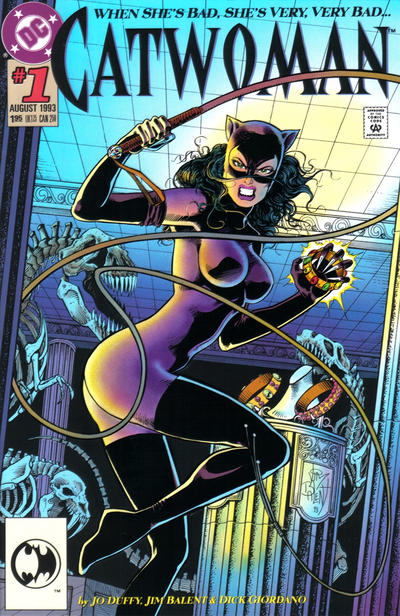
Her debut as the Cat is in Batman #1 (1940). The 1993 Catwoman #1 begins her ongoing solo series, with Jo Duffy and Jim Balent, and offers a far more accessible way to build a Selina collection. It is not her first appearance or her first solo comic: the 1989 miniseries predates it.
Collector’s route: Read a complete solo story, then choose between early Batman appearances, the 1993 ongoing run and later creator periods. Separate a series launch from a character debut.
Oswald Cobblepot makes Gotham’s criminal world feel organised, social and transactional. Beneath the formal clothes and carefully managed image is a man intent on making other people acknowledge his power. He can connect street crime, influence and the costumed underworld in the same story.
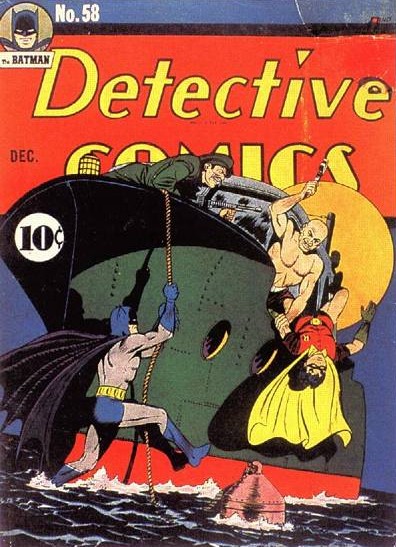
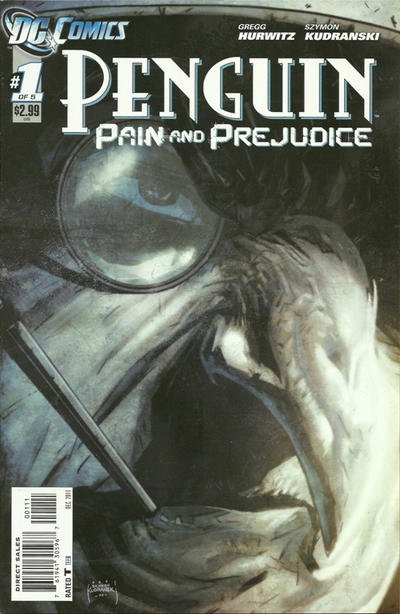
Detective Comics #58 (1941) is the historic debut. For a concentrated character study, Gregg Hurwitz and Szymon Kudrański’s five-issue Penguin: Pain and Prejudice (2011–2012) explores the cruelty beneath his cultivated manner. Its #1 is a modern story entry, not a new first appearance.
Collector’s route: Begin with Pain and Prejudice, then collect Penguin stories or covers from a favourite period. Treat #58 as a specialist Golden Age target.
Edward Nygma needs more than victory: he wants recognition that his mind is superior. His clues turn crime into a performance aimed at Batman, making the detective’s process part of the entertainment.
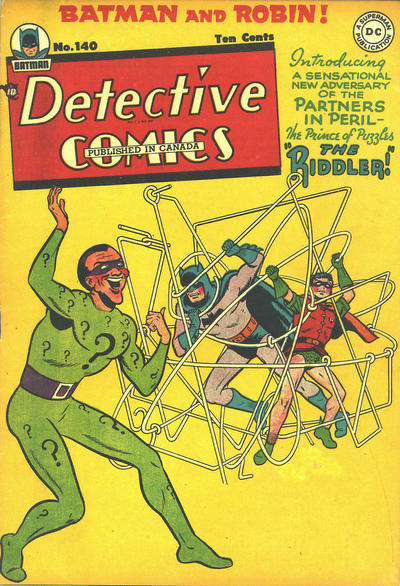
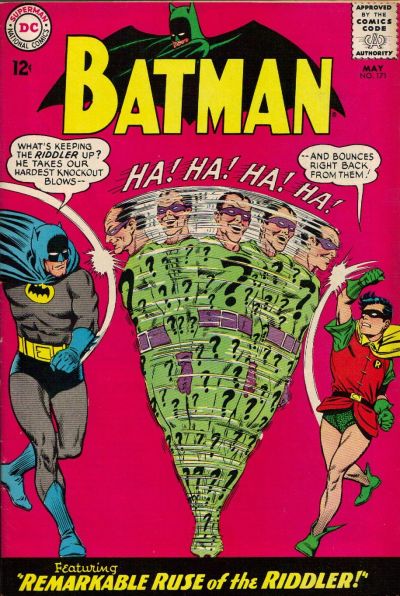
The Riddler first appears in Detective Comics #140 (1948). Batman #171 (1965) is his major Silver Age return, with a conspicuous question-mark composition that gives the book display appeal. Those are two different kinds of key: an original debut and a later revival.
Collector’s route: Pair the Silver Age return with a modern mystery such as Zero Year. Choose the puzzle-driven version of the character you enjoy, rather than collecting every cover with a question mark.
Harvey Dent makes Gotham’s tragedy personal. A public servant who might have changed the city becomes a man outsourcing decisions to a damaged coin. His split identity reflects Bruce Wayne’s, but turns discipline into surrender to chance.
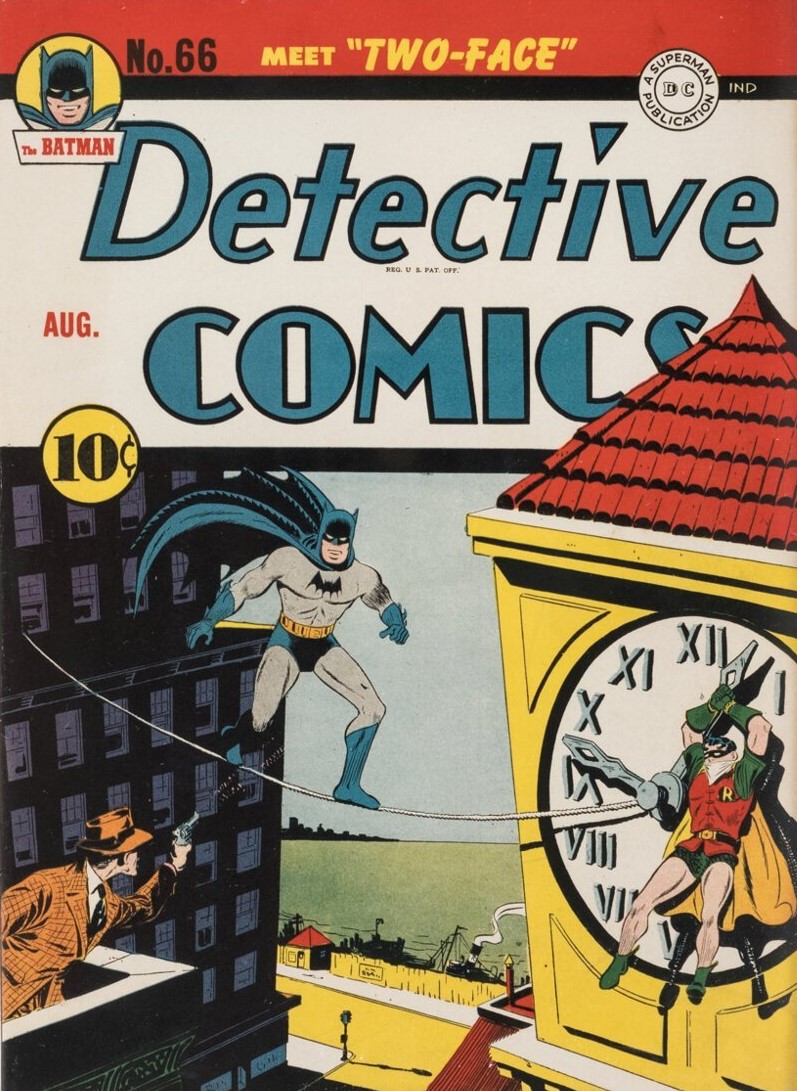
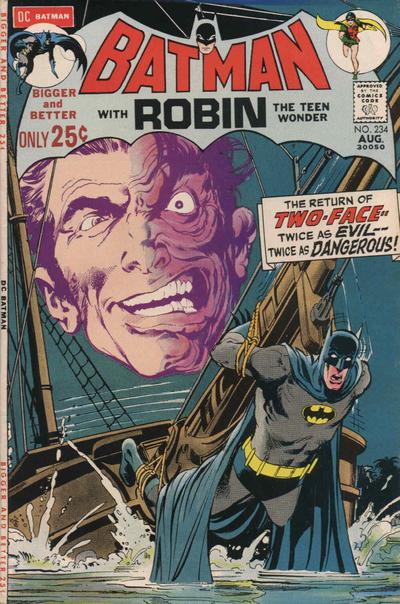
The character debuts in Detective Comics #66 (1942), originally named Harvey Kent. Batman #234 (1971), Half an Evil, brings Two-Face into the O’Neil/Adams era. Its forceful cover and short, important story give it a clear place in a Bronze Age collection.
Collector’s route: Read The Long Halloween for a later interpretation of Harvey’s fall, then consider #234 as an attainable character centrepiece. It is a return, not his original debut.
Batman uses fear to interrupt violence. Jonathan Crane studies fear so he can inflict it. Their shared interest in the mind makes Scarecrow especially suited to psychological stories and unsettling artwork.
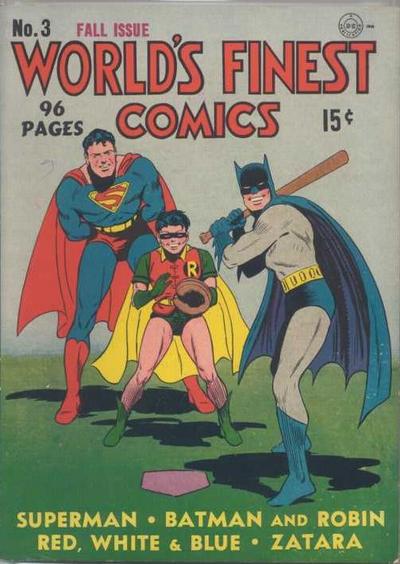
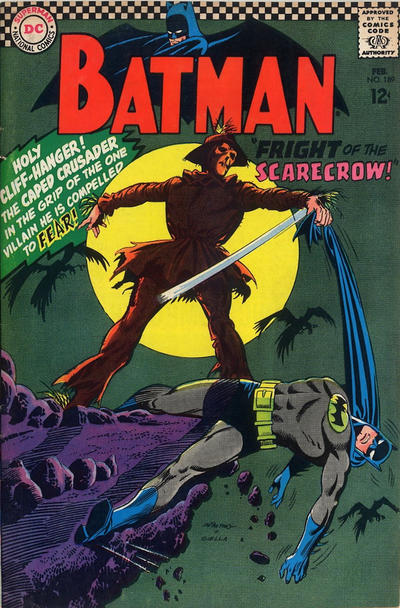
His first appearance is inside World’s Finest Comics #3 (1941). The bright patriotic cover does not advertise that milestone—an excellent reminder that the important story can sit behind an apparently unrelated anthology image. Batman #189 (1967) is the later Silver Age return, with Scarecrow prominently taking command of the cover.
Collector’s route: A horror-minded collector can start with #189 or a curated Scarecrow story collection, then follow the most atmospheric covers. Check the interior feature when judging older anthology keys.
Pamela Isley brings a different value system into Batman’s city: the interests of the natural world can outweigh the claims of its human inhabitants. Across different writers, she moves between dangerous antagonist, antihero and a character with an independent moral argument.
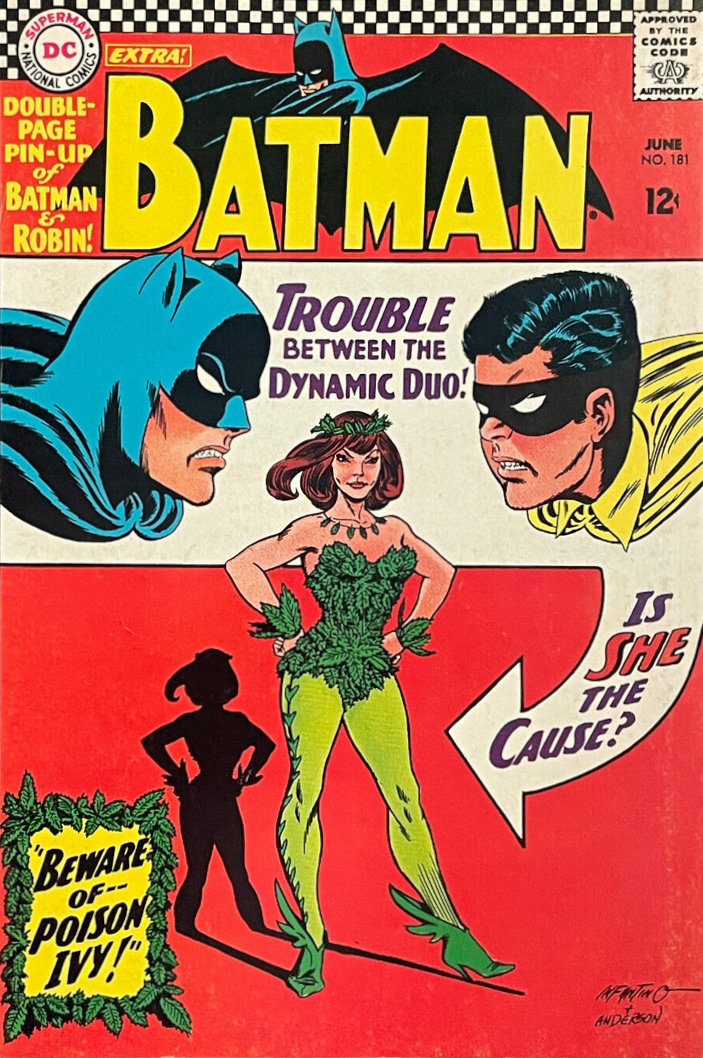
Batman #181 (1966) is the original debut. Its vivid cover makes it immediately recognisable, but the most important buying detail is inside: the Batman-and-Robin centre pin-up. A copy missing that material is incomplete, however attractive its cover may look.
Collector’s route: Ask specifically for a photograph of the centre pin-up before buying #181. For reading, later Ivy stories and her relationships with Harley provide a much broader picture than the debut alone.
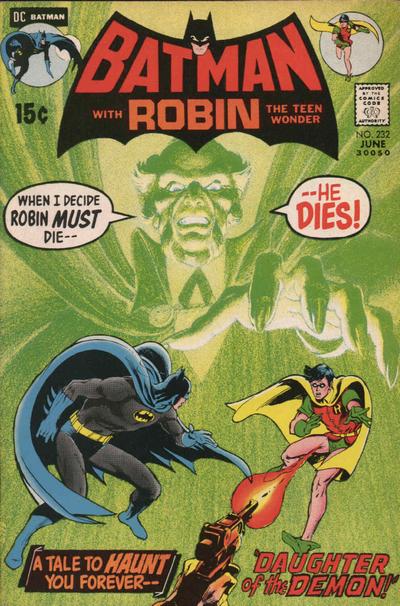
Ra’s al Ghul enlarges Batman’s stage from Gotham’s streets to an international struggle over the future of the world. He can admire Batman’s intelligence and discipline while proposing solutions Batman cannot accept. Talia makes that conflict personal as well as ideological.
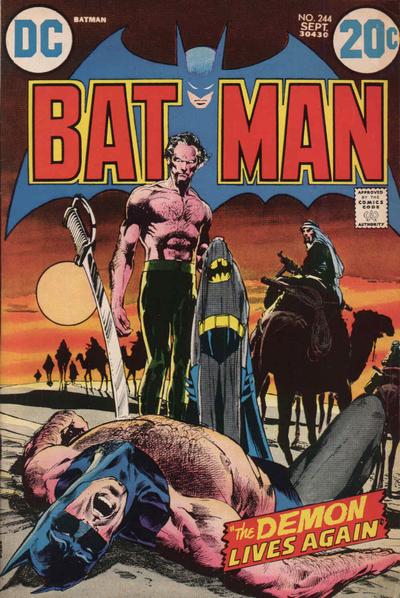
Dennis O’Neil and Neal Adams introduce Ra’s in Batman #232 (1971), Daughter of the Demon. The desert confrontation of #244 (1972), The Demon Lives Again, is another defining image and story. Collecting the two together gives you the arrival of the adversary and an extraordinary expression of their rivalry.
Collector’s route: #232 is the debut; #244 is the classic confrontation. Choose which attraction matters most, and compare complete copies in a realistic condition band.
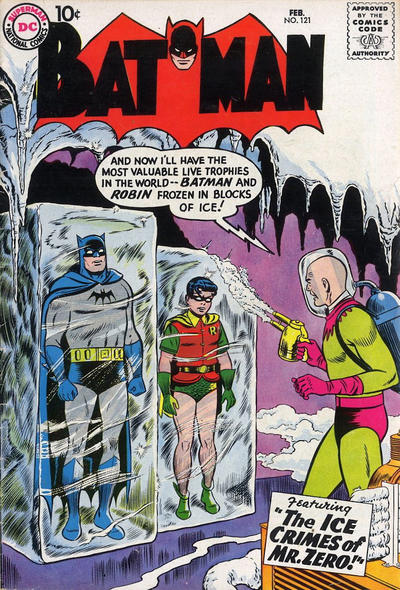
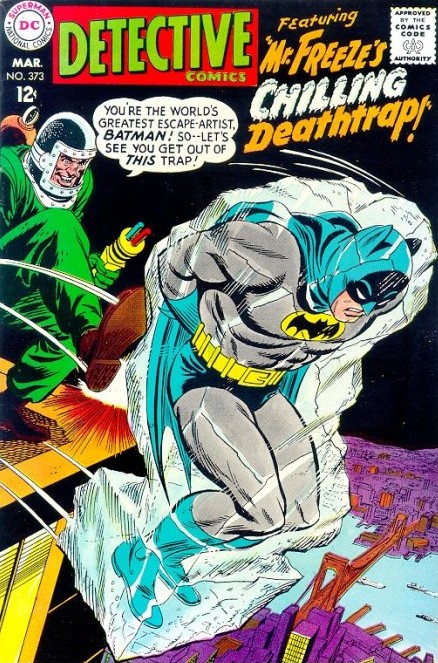
The character’s history has layers. The icy criminal introduced as Mr. Zero in Batman #121 (1959) is not yet the fully developed tragic figure familiar from later adaptations. Detective Comics #373 (1968) is the return under the Mr. Freeze name.
The animated series’ Heart of Ice gives Victor Fries and Nora an especially influential emotional foundation. That later interpretation reshapes how many readers encounter him, but should not be projected backwards as though every detail were present in the 1959 debut.
Collector’s route: Keep three milestones distinct: the character as Mr. Zero, the Mr. Freeze name in comics, and the later tragic reworking. #121 and #373 tell different parts of that history.
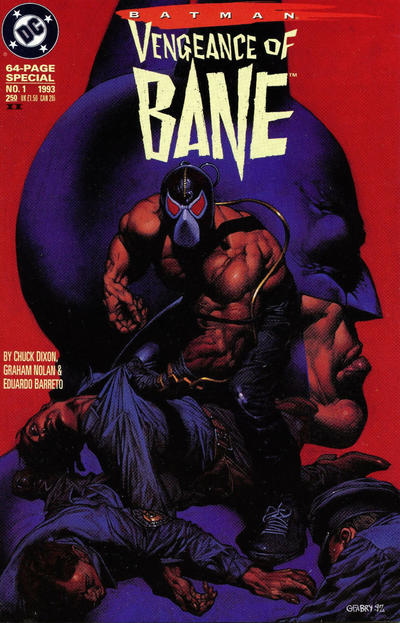
Bane’s most compelling weapon is patience. He studies Batman, exhausts him and attacks when the city’s defender is vulnerable. The famous physical victory matters because the preceding strategy makes it possible.
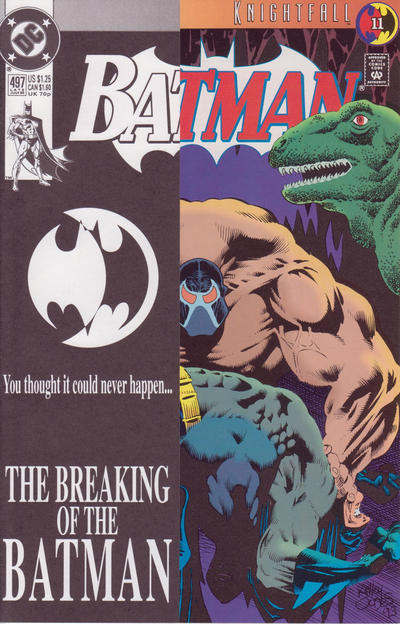
Batman: Vengeance of Bane #1 (1993), by Chuck Dixon and Graham Nolan, introduces the character and his origin. Batman #497 is the Knightfall turning point, written by Doug Moench with Jim Aparo’s interior art and Kelley Jones’s cover. The debut and the breaking of Batman are separate collecting milestones.
Collector’s route: Start with the debut story and read Knightfall. If buying #497, verify the printing and the condition of any partial overlay; the cover alone is not a conclusive edition check.
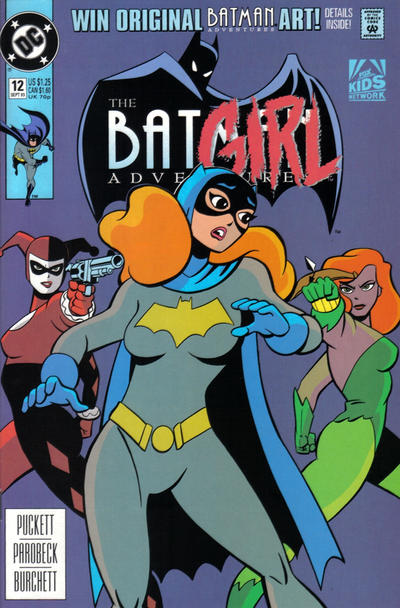
Paul Dini and Bruce Timm introduce Harley on television in Joker’s Favor (1992). Her movement from animation into comics is a useful collecting lesson: different first appearances can describe genuinely different milestones.
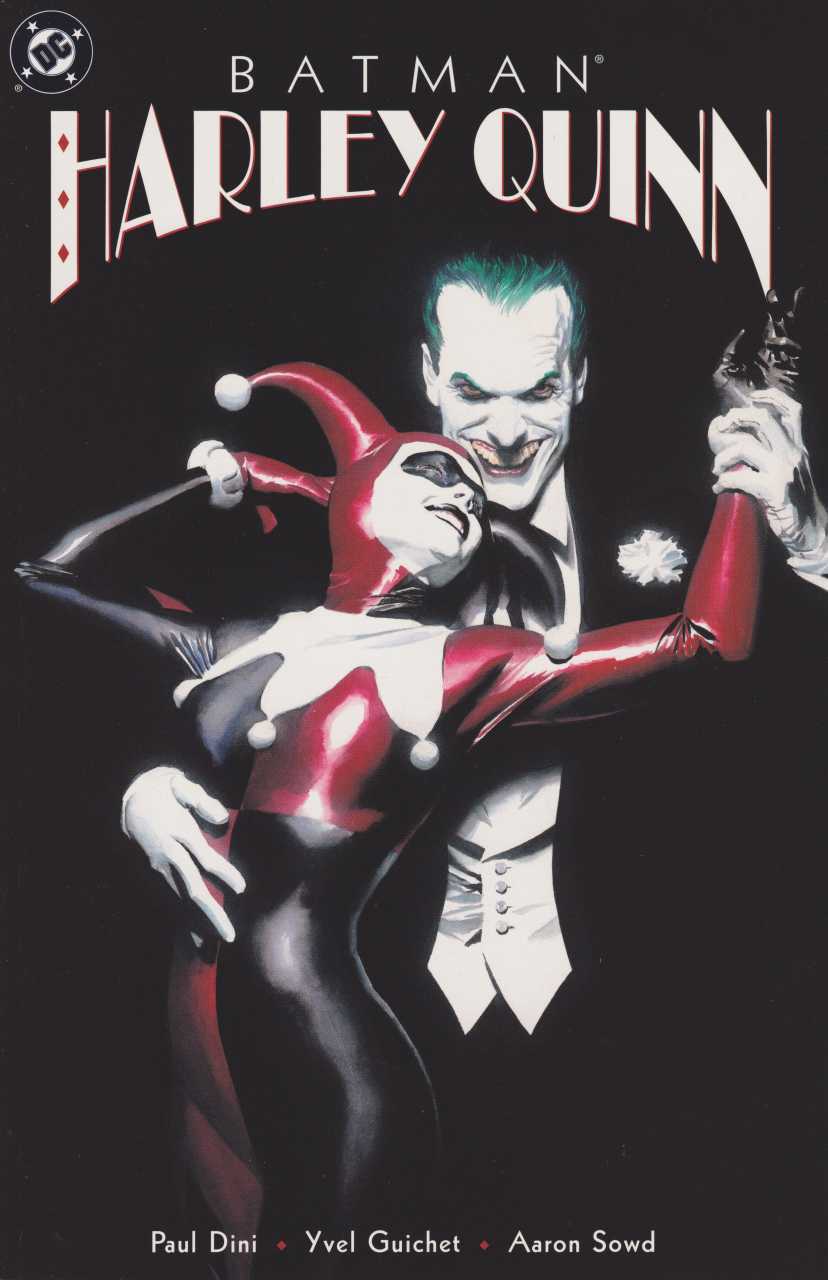
The Batman Adventures #12 (1993) is her first comic-book appearance, in the animated continuity. Mad Love—usually catalogued with a 1994 cover date—becomes a defining account of her relationship with the Joker. Batman: Harley Quinn (1999) brings her into mainline DC continuity, with an Alex Ross cover that has its own visual following.
Later Harley stories give her a life and identity beyond the Joker. A rounded character collection can reflect that development rather than stopping at the earliest three books.
Collector’s route: Label the milestone accurately: television debut, first comic appearance, defining story, or mainline introduction. These books should not be priced as interchangeable versions of one key.
Waylon Jones can be a physical threat, a hunted outsider or a figure caught between those roles. His introduction is unusually easy to oversimplify because it is spread across closely related issues.
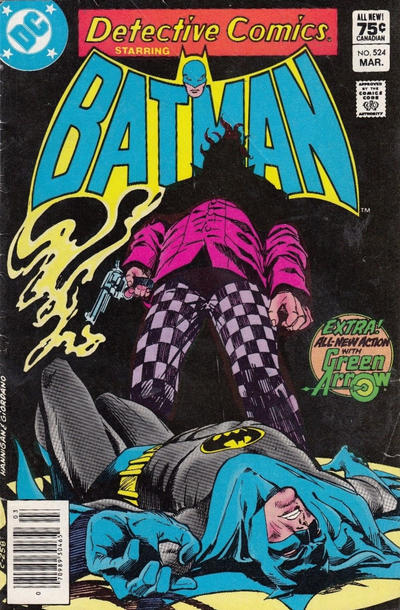
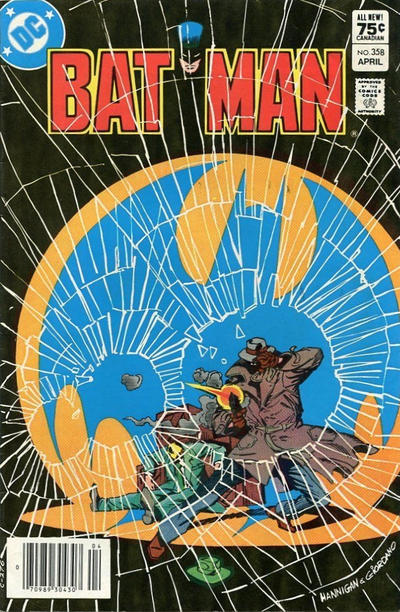
Detective Comics #523 and Batman #357 contain early obscured appearances; Detective Comics #524 reveals his face. Batman #358 supplies an early cover and story appearance. Older catalogues and grading labels have used differing first-appearance language, so name the actual cameo, reveal or cover milestone when comparing copies.
Collector’s route: The early sequence is more informative than a single blanket “first Croc” claim. The two supplied covers illustrate the reveal and an early cover appearance; inspect the exact issue and description before paying a key premium.
Hush makes Bruce Wayne’s personal history part of the attack. Thomas Elliot belongs to a story in which familiar allies and enemies become pieces in a wider plan, giving the mystery an intimate motive beneath its spectacular set pieces.
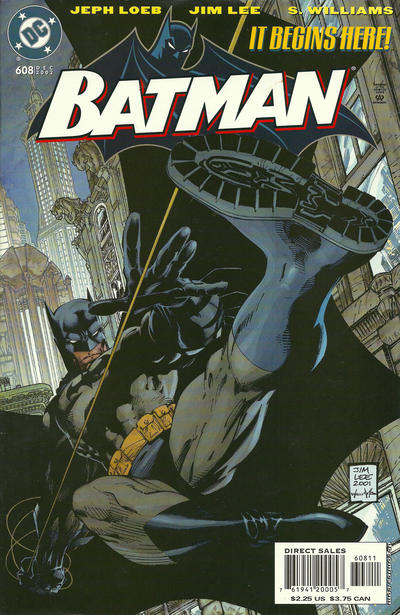
Batman #608 (2002) launches the Hush storyline. DC identifies #609 as Hush’s first appearance. That distinction matters: #608 is a major story and artistic starting point, but should not be sold to a new collector as the character’s debut.
Collector’s route: Read #608–619 as a complete arc. Compare the ordinary #608 first print, its celebrated second-print cover and later reproductions separately.
The Court attacks Batman’s confidence in his knowledge of Gotham. Its influence is embedded in the city’s history, wealth and architecture, making the setting itself part of the mystery. The Talons add a physical threat to that larger sense of hidden control.
Batman #1 (2011) begins Scott Snyder and Greg Capullo’s New 52 run and the Court of Owls storyline. Use that precise description rather than an unqualified claim that every aspect of the Court makes its first full appearance in #1.
Collector’s route: Start with The Court of Owls, collecting #1–7, then continue with The City of Owls. A complete opening run is a clear collecting objective in its own right.
The strongest purchase has a clear attraction: the character, the story, the artwork or the significance of that exact edition. Set the collecting objective first.
Paperbacks, digital editions and identified facsimiles. Spend on access to the story. An original Golden Age debut is unnecessary to enjoy the character.
Original issues such as #404, #497 and the standard #608 make purposeful starting points. Check edition, presentation and completeness.
Look at the Laughing Fish pair, Two-Face’s Bronze Age return and a defined artist run. A short, complete sequence can be deeply satisfying.
Books such as #181, #232 and #251 need close condition and completeness checks. Golden Age debuts belong to a specialist market of their own.
These broad editorial shopping ranges apply to the original raw editions and condition bands stated. They are informed by the linked UK market observations, checked 6 October 2026. They are not precise fair-market valuations of every copy. Dealer asking prices and completed auction results are identified separately in the source notes; older sales provide context rather than a current guarantee.
| Comic | Shopping budget | Copy to compare | Why it belongs |
|---|---|---|---|
| Batman #608 (2002) | £20–35 | Presentable raw original first print | Hush begins. A complete dealer-described VF+ copy was offered at £25; this is an asking price, not a recorded sale. |
| Detective Comics #475–476 (pair) | £40–90 for the pair | Complete raw mid-grade originals | The complete Laughing Fish story. A UK pence pair sold for £39 including buyer fees in March 2026; individual retail asks can be higher. |
| Batman #234 (1971) | £90–150 | Complete raw mid-grade original | Two-Face’s Bronze Age return. One mid-grade example with affected staples sold for £91 including buyer fees in August 2026. |
| Batman #251 (1973) | £200–300 | Complete raw lower/mid-grade original | Classic Joker story and Adams cover. A mid-grade copy with pen on the cover sold for £221 including buyer fees in March 2026. Cleaner copies can cost more. |
| Batman #181 (1966) | £250–350 | Lower-grade raw original, pin-up present | Poison Ivy’s debut. Context: a 3.0 copy sold at £234 in November 2024; a UK pin-up-present copy was offered at £291.80 when checked. The sold reference is older. |
Allow for postage and any auction charges not already included. Very high grades, restoration, missing material, signatures and unusual editions need separate comparisons. No price increase or resale speed is assured.
Batman #181 needs its Batman-and-Robin centre pin-up to be complete. Ask for interior photographs, staple and centre-spread views, and disclosure of repairs, trimming, added colour or replaced pages.
For #497, covers and overlays provide clues, but the presence or absence of an overlay alone cannot prove printing. For #608, the familiar standing-on-gargoyle second-print design is a different cover from the original first-print image shown here.
A digital cover image illustrates artwork; it does not authenticate a physical first printing. The DKR image supplied for this guide represents a collected edition. Facsimiles and modern reproductions should be described as such when buying or selling.
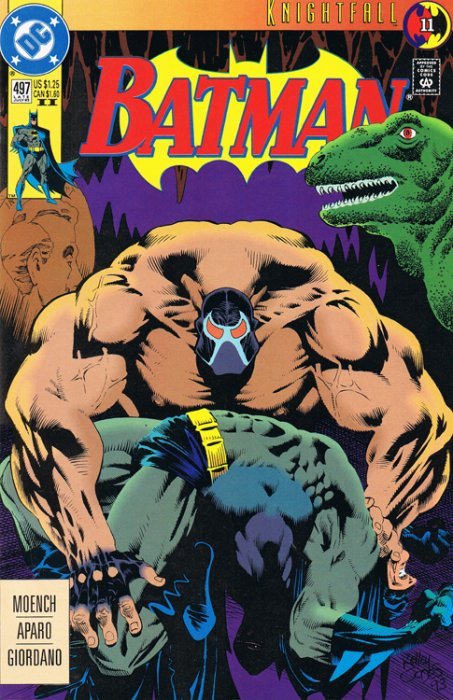
Same story, different printing references. Both supplied #497 images are retained so the visual distinction is visible. Check a physical copy’s publication information before assigning an edition premium.
This is a suggested reading order, not a promise that every story occupies the same continuity. Collected editions are often the easiest way to follow a complete arc.
Batman #404–407 · 1987
Frank Miller and David Mazzucchelli place Bruce Wayne and Jim Gordon in a compromised city. Begin here for the human scale of Batman: mistakes, resolve and the first steps towards an alliance.
13-issue series · 1996–1997
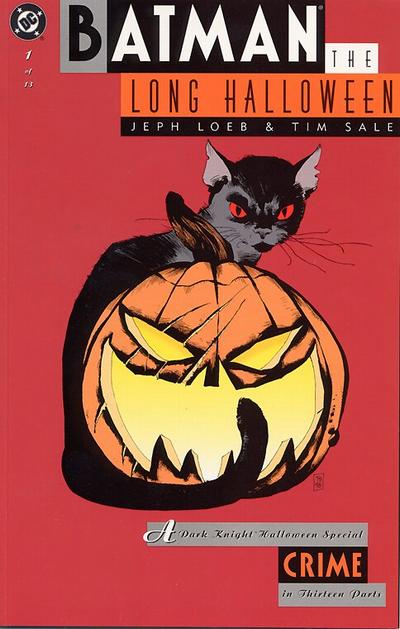
Jeph Loeb and Tim Sale follow a holiday killer through Gotham’s criminal world. It is an accessible meeting point for Batman, Harvey Dent, organised crime and the costumed cast. Continue with Dark Victory if its atmosphere captures you.
Detective Comics #469–476 · 1977–1978
Steve Englehart’s sequence, with Walt Simonson on the opening instalments and Marshall Rogers/Terry Austin on the later material, is a compact education in Gotham’s personalities. #475–476 contains the Joker’s Laughing Fish story.
One-shot · 1988
Alan Moore and Brian Bolland’s short, intense story is best approached as adult material with contested themes. Edition choice also affects colouring: the original and later recoloured versions have distinct visual moods.
Batman #426–429 · 1988–1989 cover dates
Jim Starlin and Jim Aparo tell the Jason Todd story that casts a long shadow. Later, follow Under the Hood—beginning with #635—for the return of that unresolved history.
Bane’s debut → Knightfall → Knightquest → KnightsEnd
Begin with Vengeance of Bane, then use collected editions to navigate the crossover. #497 is a major turning point within a much larger event; buying that one issue will not give you the entire story.
Batman #608–619 · 2002–2003
Jeph Loeb, Jim Lee and Scott Williams bring allies and villains into a mystery aimed at the heart of Bruce Wayne’s life. It is a visually lavish introduction to the wider cast.
Batman (2011) #1–7, then The City of Owls
Scott Snyder and Greg Capullo undermine Batman’s confidence in his own city. The opening collection is a strong modern starting point; continue into the next volume for the wider conflict.
Four-issue miniseries · 1986
An older Bruce Wayne returns to a hostile world. Frank Miller, Klaus Janson and Lynn Varley offer a deliberately forceful possible future. Read it alongside the other routes, rather than trying to slot it neatly into their chronology.
The Batman Adventures special · 1994 cover-date convention
Paul Dini and Bruce Timm explore Harley Quinn and her destructive relationship with the Joker. It belongs to the animated universe, with a style and storytelling economy of its own.
DC’s Batman reading hubHush contentsThe Court of Owls contents
| Title or branch | What it offers | How to collect it |
|---|---|---|
| Detective Comics | The original home, beginning with Batman’s arrival in #27. | Follow a creator period, a villain debut or a short story sequence. Later renumbering means the series year still matters. |
| Batman | The main solo title, launched in 1940 and relaunched in later eras. | Record issue number and series year together. The 2011, 2016 and 2025 #1s are separate launches. |
| World’s Finest / Batman–Superman titles | The wider DC relationship and, historically, anthology material. | Early World’s Finest issues are not automatically Batman–Superman team-up stories. #3 matters here because Scarecrow debuts in its Batman feature. |
| The Brave and the Bold / Justice League | Batman among other heroes. | A team-up or team run expands a character collection without requiring every solo-title issue. |
| Legends of the Dark Knight / Shadow of the Bat | Additional stories, creative teams and perspectives. | Collect complete arcs or a particular creator. Event chapters may connect to the main titles. |
| Robin / Nightwing / Batgirl / Catwoman | Gotham’s extended family and independent leads. | Choose the character you want to follow. Their solo titles are not interchangeable with a Batman reading order. |
| Batman Adventures / Mad Love | The animated universe in comics. | Keep animated continuity distinct, especially when describing Harley’s early appearances. |
| Elseworlds / standalone graphic novels | Self-contained interpretations and alternative worlds. | Follow the story’s own premise. “Absolute” on a collected edition can refer to a premium format rather than the Absolute Universe. |
| Absolute Batman | The separate series launched in 2024. | Use its own issue sequence and verify the individual cover/printing before comparing prices. |
Matt Fraction and Jorge Jiménez’s 2025 Batman launch continues the mainline publishing tradition. Scott Snyder and Nick Dragotta’s Absolute Batman begins in 2024 with a reimagined Bruce Wayne in a separate universe.
They share a symbol, not an issue sequence. Choose the interpretation that interests you, read the first arc, then decide whether original launch covers or later variants deserve a collecting budget.
A book titled Absolute Batman: Hush is a premium collected edition of Hush; that use of “Absolute” predates and differs from the 2024 universe.
Batman’s intercompany encounters—including the two distinct 1994 Batman/Spawn projects and their later meeting—offer an artist or character crossover collection. Keep the exact title and publisher clear: Spawn/Batman and Batman/Spawn: War Devil are different comics. For the McFarlane side of the story, continue with our Spawn Character File.
Explore all 39 supplied images. Tap a cover to open the full image. Captions distinguish story milestones and edition references; historic artwork is not proof that a pictured book is an original printing.
Showing all 39 cover images
Begin with the Batman that speaks to you. Follow the artist, find the story, meet the villain. The collection becomes more interesting when every book adds something to the journey.
Comic Agent is based in the UK. Not every comic is listed on eBay—contact us if you are looking for something specific. Sale listings use 300 dpi scans; the historical reference images in this article come from the supplied cover set.
Publication facts are checked against DC’s own character, issue and collected-edition records, with specialist references for edition and completeness details. Market observations retain their dates, condition descriptions and status. The shopping ranges above are editorial estimates, not recorded transaction prices.
Cover art is reproduced for editorial identification and discussion. Batman, associated characters and artwork belong to DC and their respective rights holders. Comic Agent is an independent collector-run editorial and retail site.