
The foundations
Start with #1 and #9. Spend the extra attention on condition, completeness and the right edition.
The creator-owned revolution.
The collector’s next move.
From Todd McFarlane’s audacious 1992 debut to the return of his teenage creation in Spawn 77: the history, the essential comics and the difference between a famous cover and a smart buy.
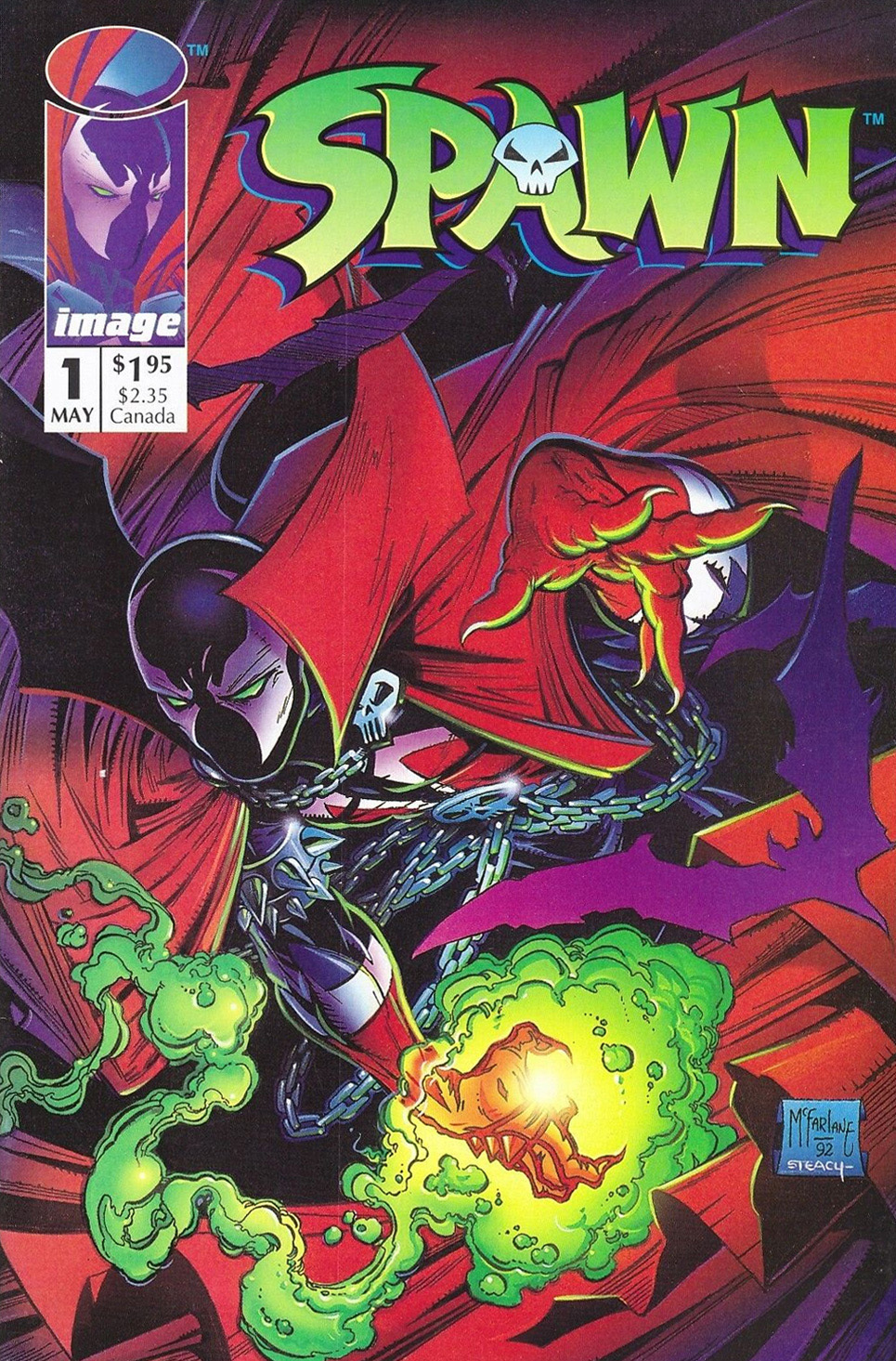
Some characters have a costume. Spawn has a silhouette: impossible cape, white mask, chains, a flash of green in the dark.
That visual certainty has survived changing artists, changing readers and an industry that once treated every new number one as tomorrow’s treasure. The remarkable thing is how much collecting territory now sits beneath that one title.
A clean original #1 is still an approachable piece of comics history. A Gunslinger key is a different proposition. A lower-order issue from the long middle years asks a different question again: how many collectors want it when you decide to sell?
This is a guide to building a collection with taste and a reason for every purchase. Buy the history. Follow an artist. Find the story that stays with you. Then make the price earn its place.
A curated first-series shortlist, from affordable foundations to specialist targets. These are priorities for building a collection—not predictions of which comic will rise fastest.
Start with #1 and #9. Spend the extra attention on condition, completeness and the right edition.
#119, #165 and selected colour homages offer distinct collecting stories without moving straight to the expensive keys.
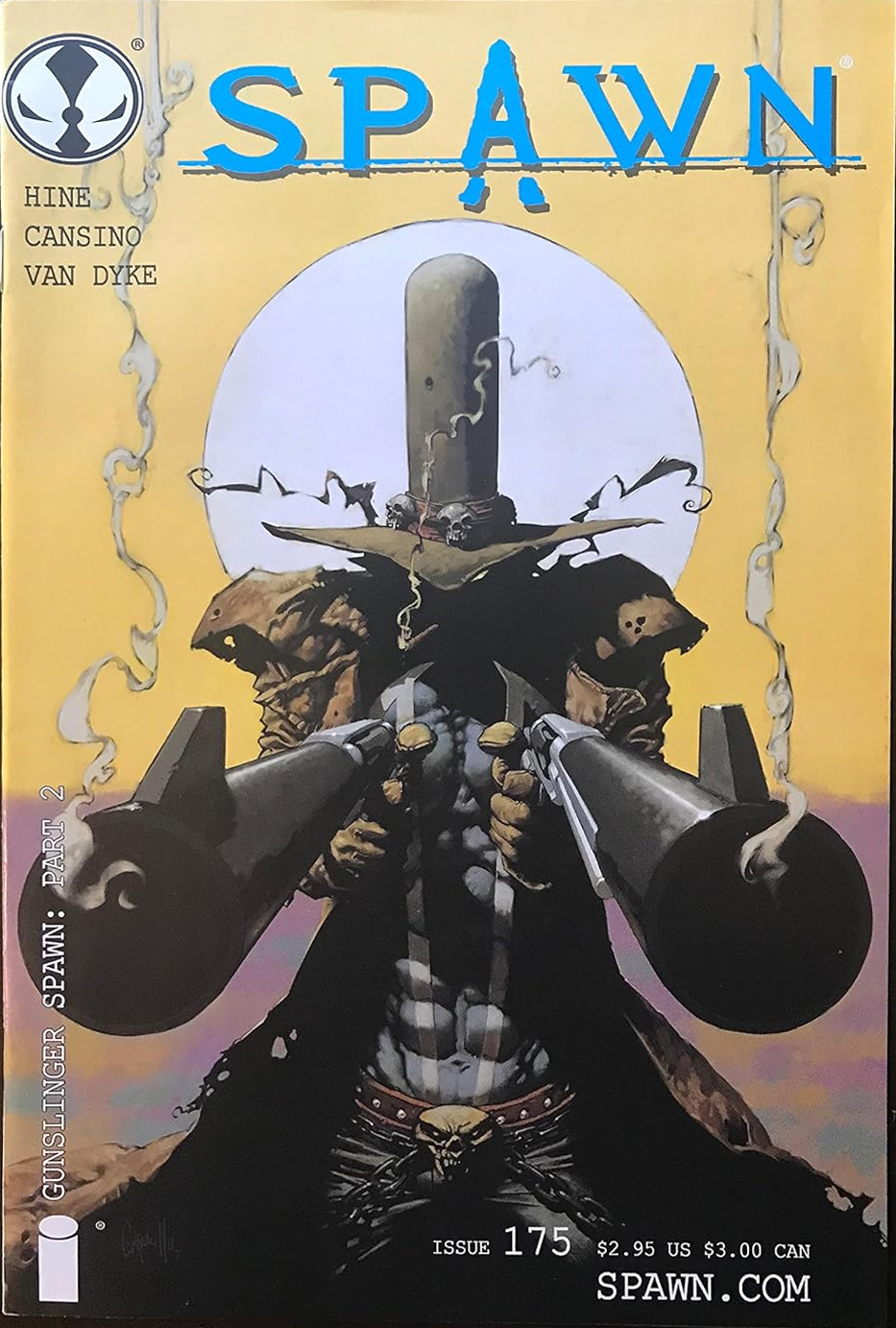
#174, #175 and #243 deserve patience, comparable copies and a purchase price you can defend.
The original Al Simmons debut, with McFarlane writing and drawing. Its importance is enormous; ordinary first-print supply is substantial. Prioritise an attractive, complete copy with its poster.
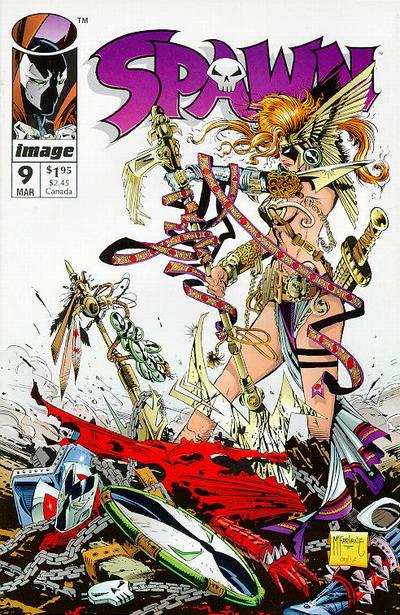
Angela, Medieval Spawn and Cogliostro arrive in one issue. A particularly strong first purchase for readers interested in where the mythology branches. Check the poster in a direct copy.
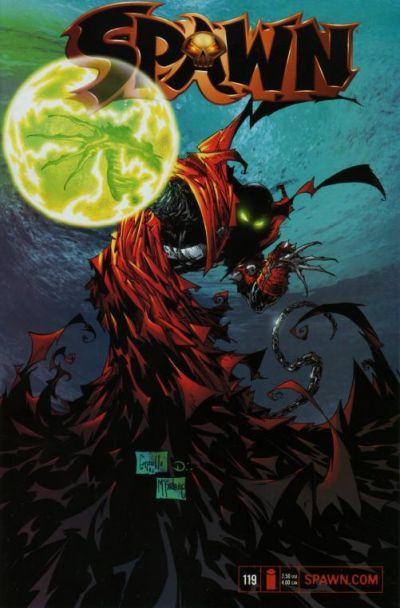
The early Gunslinger cameo/artwork reference. Understand that label before paying: this is a different collecting milestone from the substantial story in #174–175.
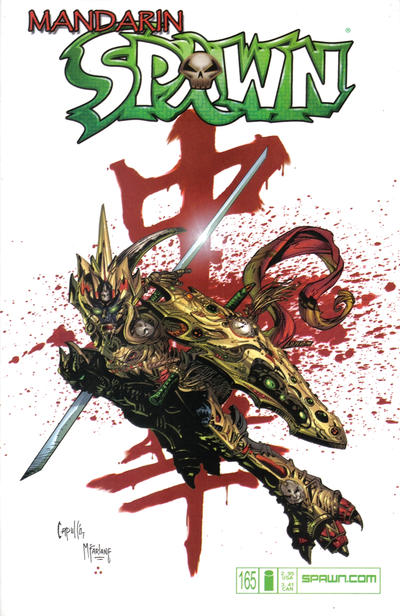
The Mandarin Spawn origin issue, written by David Hine with art by Lan Medina. A focused character story and striking visual identity make it a thoughtful around-£100 candidate.
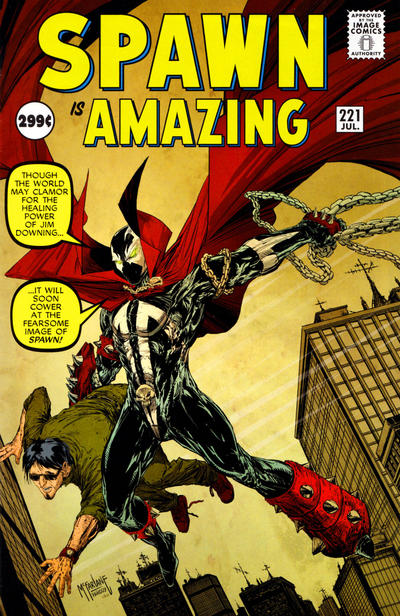
An Amazing Fantasy #15 homage with broad cover-collector appeal. Buy the original colour edition deliberately; sketch incentives and later reproductions are different comparisons.
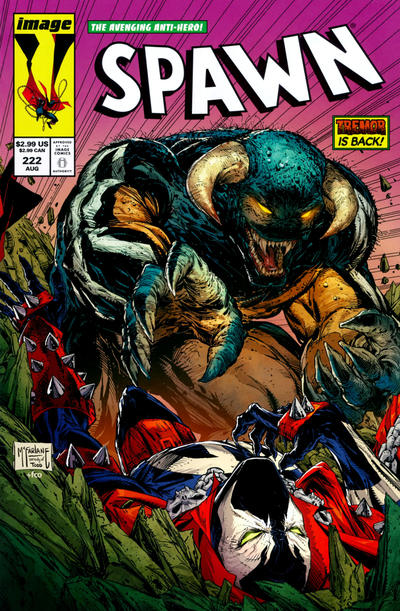
The Amazing Spider-Man #316 homage turns a familiar McFarlane composition into a compact collecting theme. A compelling visual companion to the other Spider-Man-inspired covers.
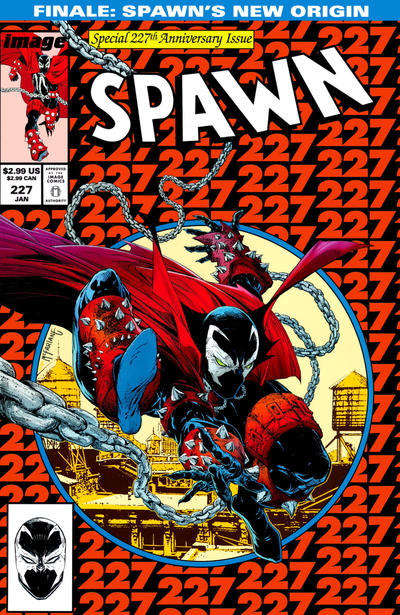
An Amazing Spider-Man #300 homage that needs little introduction. Strong recognisability is the attraction; condition and edition still determine whether a particular asking price makes sense.
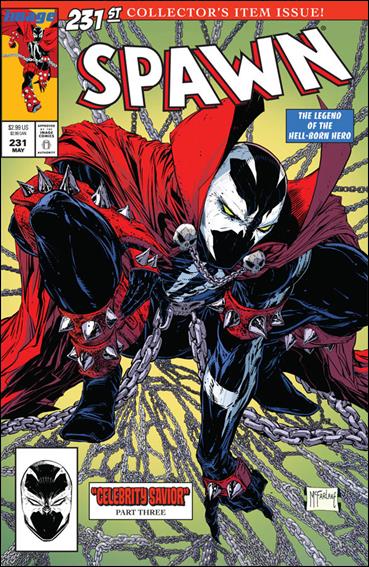
The Spider-Man #1 homage connects McFarlane’s Marvel-era image-making with his own creation. A manageable way to build an artist-led collection around recognisable compositions.
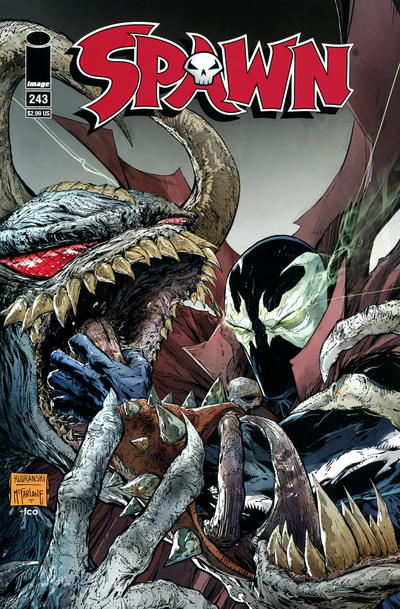
A celebrated lower-order regular issue: 11,714 estimated North American retailer orders in its release month. Buy the actual copy carefully; that figure is not the number printed or still in existence.
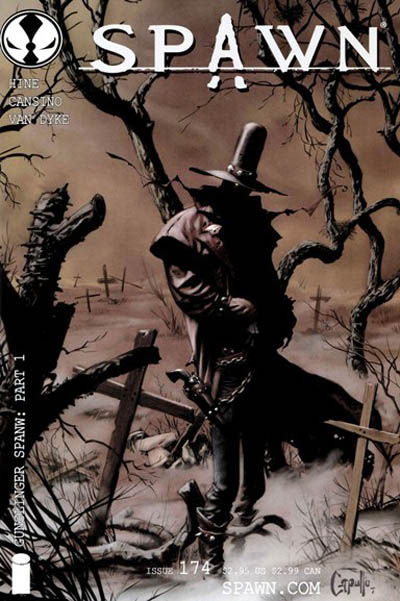
The first full Gunslinger story is the advanced target. Pair it with #175 for the two-part narrative; budget roughly £120–190 for #175 separately, and judge each copy on its own condition.
Indicative raw buying budgets, checked 29 September 2026. These editorial planning ranges blend accessible UK listings and published US issue guides, with sold evidence where available. They are not a sold-price average, formal valuation or forecast. They generally assume complete, attractive VF/NM–NM original US first printings and ordinary colour covers; postage and import costs are additional.
The clearest recent UK sale checked was a seller-described VF/NM original Spawn #1 at £24 on 18 September 2026. In contrast, #9 at £18.95, #119 at £47.06 and #165 at £64.48 were asking prices when reviewed. The £340 dealer ticket for #174 was marked sold out; that does not establish the transaction price. The specialist ranges have thinner UK transaction evidence and should be treated accordingly.
Compare the same printing, cover, format and condition. Newsstands, graded copies, signed books, sketch incentives, foreign editions and modern foil recreations require separate comparisons. The research notes identify the market sources.
The £100 approach. Choose one strong #165 or #119, or build a small #1-and-#9 foundation with money left for reading. For bundles, calculate the price of the books you actually want; a long run is not a reason to value every ordinary issue as a key.
Before Spawn became a universe, Todd McFarlane made a decision about who should own an idea.
McFarlane’s visual language was already unmistakable at Marvel: contorted bodies, lavish detail, webs that seemed to occupy the air. His 1990 Spider-Man launch gave that drawing style the added authority of a writer-artist. Readers were buying the character, but they were also buying a McFarlane comic.
In 1992, that distinction became a business proposition. McFarlane joined Erik Larsen, Jim Lee, Rob Liefeld, Whilce Portacio, Marc Silvestri and Jim Valentino in founding Image Comics. The point was ownership. Creators could publish their work without handing the publisher the underlying characters.
For Spawn, Image supplied a route to readers while Todd McFarlane Productions retained control of its creation. That distinction explains the brand’s continuity better than any cape or logo. The character could expand into toys, screen projects and new comic lines while remaining connected to the person who had imagined him.
Image reports that the original Spawn #1 sold 1.7 million copies. It is an extraordinary measure of cultural reach—and a useful corrective to the idea that a famous first issue must be rare.
For collectors, its appeal is foundational: first appearance, first chapter, original McFarlane artwork and the opening statement of an independent franchise. Buy it because those things matter. Pay more only when the specific copy or edition justifies it.
McFarlane Toys followed in 1994. The sculptural logic was already there: Spawn’s cape behaves like architecture, his chains like a framing device. The move into figures made the design something a fan could display as well as read. The 1997 film and HBO’s animated series, launched that year, widened the audience again.
That expanded identity also creates traps for the unwary buyer. A comic supplied with a toy can be an interesting artefact without being the 1992 original. A beautiful later reproduction is still a different collecting object. Provenance begins with knowing precisely what is in your hand.
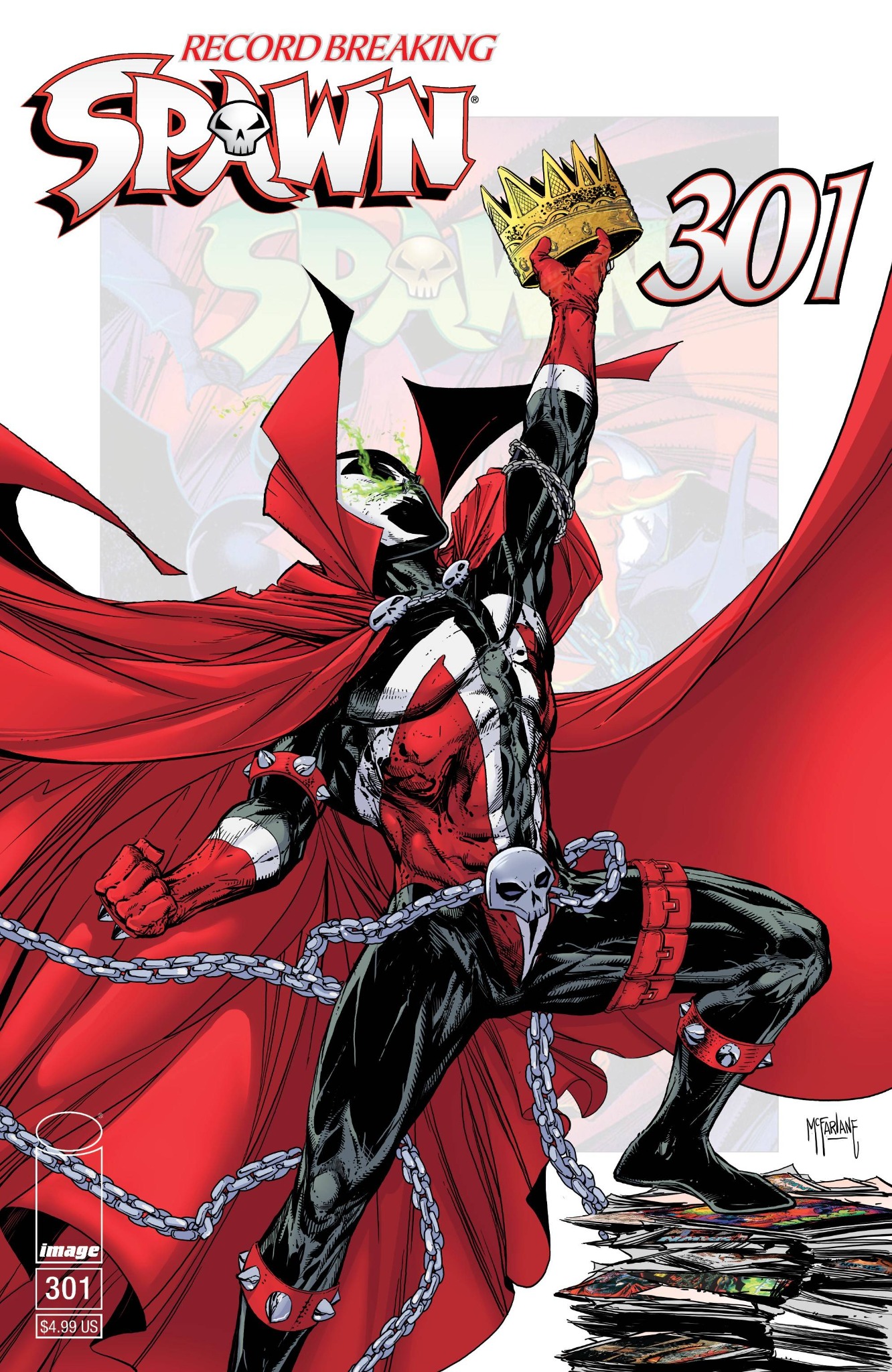
In 2019, #301 brought Guinness recognition for the longest-running creator-owned superhero comic-book series. The milestone matters because Spawn had endured beyond its launch-era spectacle. Readers stayed; new artists changed its texture; the central visual idea remained legible.
There is an editorial parallel between Simmons resisting the forces that would use him and McFarlane retaining control of his creation. It is a way of reading the work, not a substitute for the many people who helped make it.
The creator, foundational writer-artist and defining cover sensibility. His ownership and visual direction connect the eras.
Beginning with interiors on #16, Capullo brought scale, movement and a fierce sense of spectacle. His collaboration is essential to the classic shelf.
Brian Holguin became a regular writer from #71. David Hine helped shape a later, darker period. Spawn’s mythology is a collaboration.
Angel Medina’s muscular horror; Szymon Kudrański’s shadows; Jason Shawn Alexander’s nightmare textures. The current title has also welcomed Matthew Rosenberg and Stephen Segovia.
History: Image’s ownership model and foundersMcFarlane biographyGuinness record
The early launch and the quieter middle years belong to different supply stories. Learning that distinction is more useful than memorising a list of “rare” comics.
Comichron estimates of North American comic-shop orders for the listed months. These are comparable order estimates—not global print runs, final lifetime sales, or counts of surviving copies.
#243 has become a recognisable target for collectors interested in the title’s lower-order years. That reputation can support demand, but it also means the scarcity story is already reflected in asking prices.
Low supply is only half a market. The other half is someone wanting the book.
The practical opportunity is to understand the long run before buying into its reputation. #174 and #175 combine more modest order numbers with an enduring character connection. #243’s proposition leans more heavily on supply and completion demand.
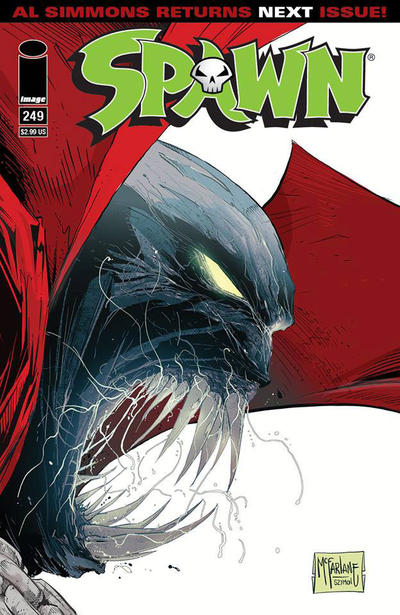
#249 is another later-run watchlist book. An indicative £55–90 planning range may help frame a search, but the UK sales evidence is thinner. Make it a considered addition, not a compulsory purchase.
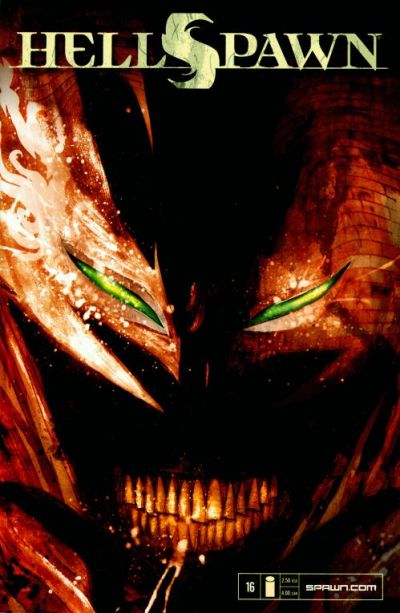
Look beyond first issues, too. Curse of the Spawn #29, the original Dark Ages #28 and Hellspawn #16 are interesting final-issue projects. Their finite positions are verified; a precise print run is not. Short series and final issues are not automatically scarce.
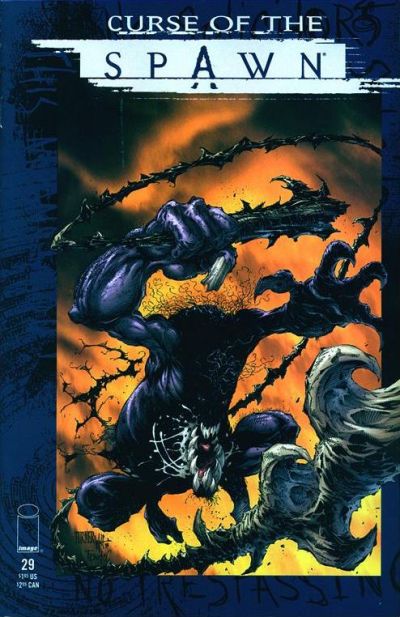
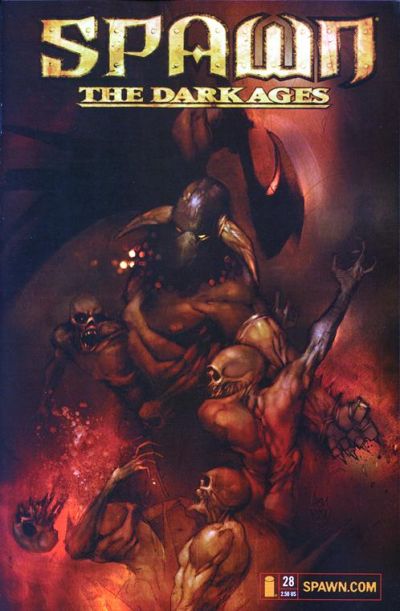
The original run’s newsstands end at #137, according to SpawnWorld’s specialist guide. There is no established universal “1%” or “1:100” ratio. Later barcodes alone do not prove newsstand status.
A 1:50 cover describes a retailer ordering threshold. It does not tell you exactly how many copies were printed, how many remain, or what the book should cost next year.
Original #1 direct and newsstand editions included a poster. Original #9 direct included one; #9 newsstand did not. Check the edition before calling a poster-less copy incomplete.
Order tables: January 2008February 2008May 2014SpawnWorld newsstand research
The publication map gives every purchase a place. Follow the early mythology, a creative team or a turning point; you do not need to collect everything to collect well.
McFarlane devises an early Spawn design at sixteen. This is the date of a concept—not the publication of the original comic.
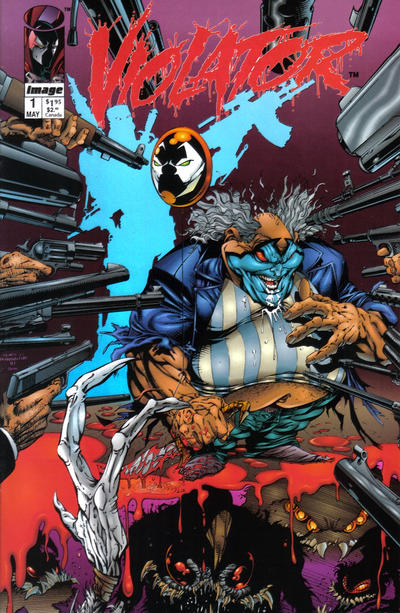
Al Simmons arrives in the original ongoing series. #2 introduces the Violator, while #5’s Billy Kincaid story establishes how far the horror can go.
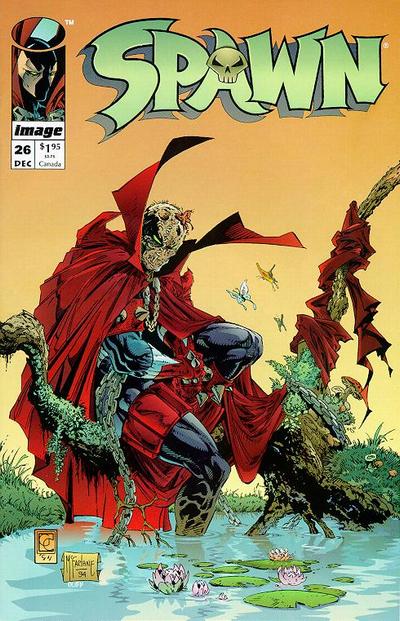
#9 introduces Angela, Medieval Spawn and Cogliostro. #16 brings Capullo’s interiors and the first Anti-Spawn/Redeemer appearance; #26 deepens the Heaven-and-Hell mythology. Early solo miniseries and the Batman crossover widen the world.
Curse of the Spawn, Dark Ages, Sam and Twitch, The Undead and Hellspawn establish distinct supernatural, historical, crime and psychological-horror routes.
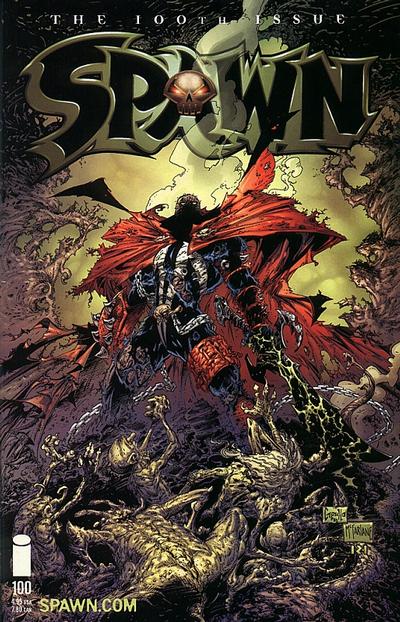
Holguin joins from #71; #100 becomes an early landmark; Angel Medina and later David Hine help reshape the main title’s texture and mythology.
#119 supplies the early Gunslinger cameo/artwork reference; #165 spotlights Mandarin Spawn. #174–175 deliver the defining early Gunslinger story pair.
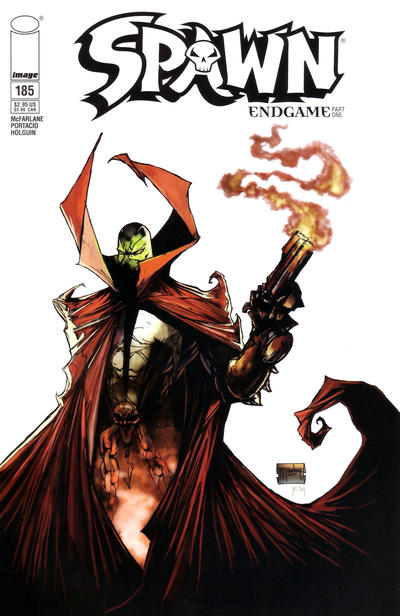
Endgame begins at #185 and opens the Jim Downing era. New Beginnings at #201 introduces a new visual atmosphere with Kudrański.
The #221–231 period offers a rewarding cover project. Later issues such as #243 attract attention for their comparatively low reported retailer orders.
Resurrection offers an Al Simmons return route. Dark Horror, beginning at #276, makes Alexander’s unsettling imagery a destination of its own.
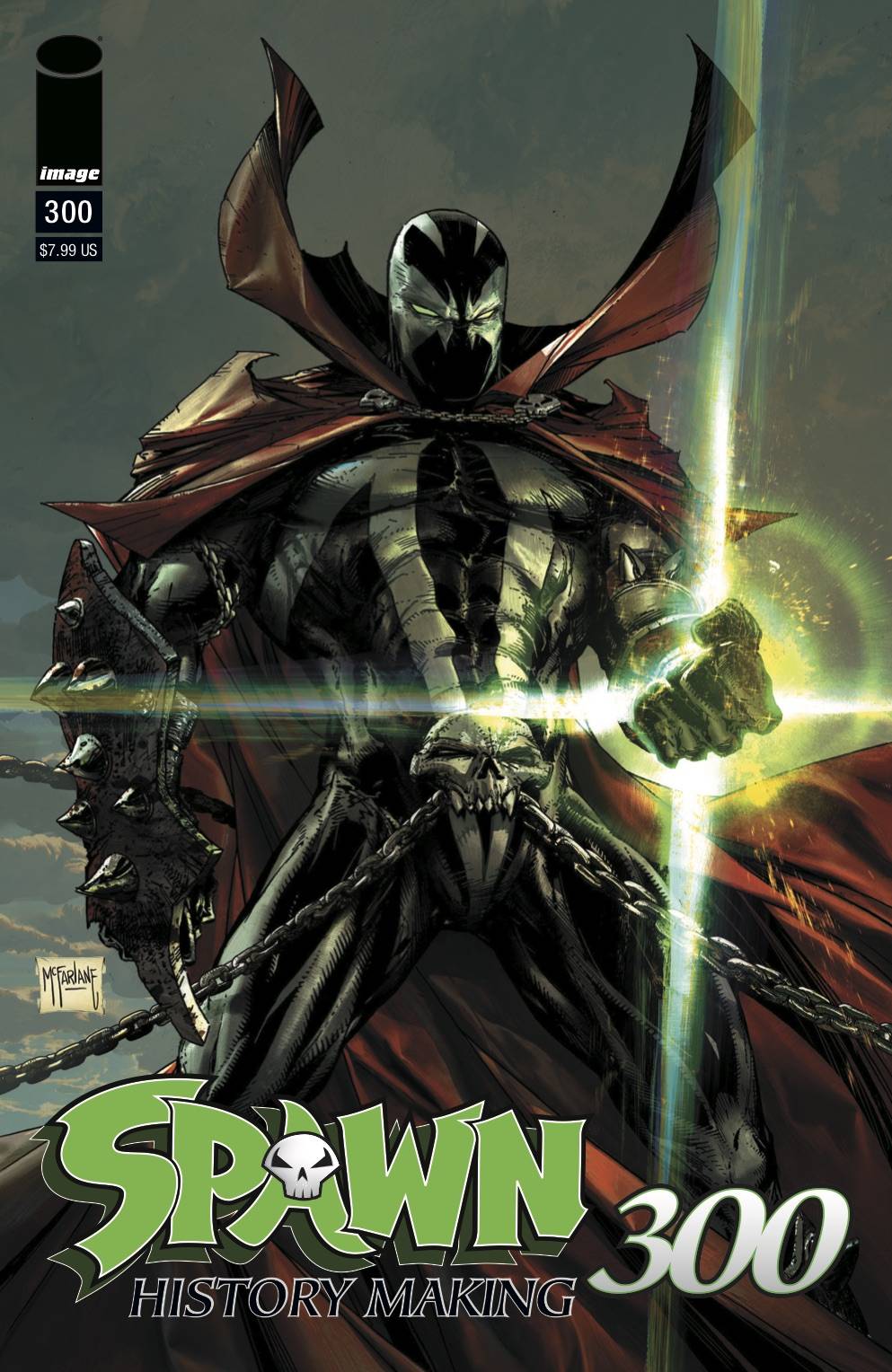
#300 celebrates the run; #301 earns the Guinness milestone. Collect the history while keeping standard editions and specific variants separate.
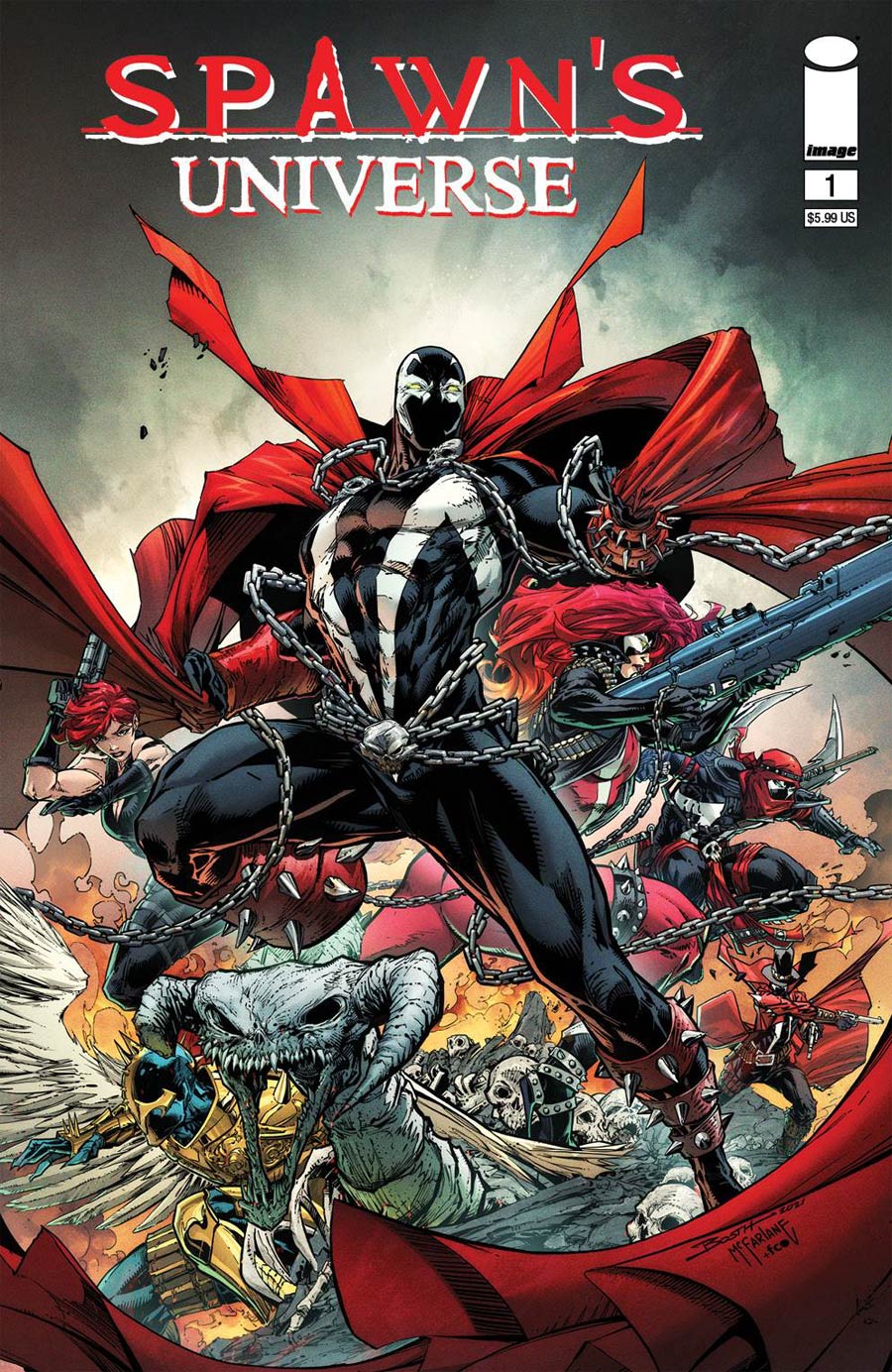
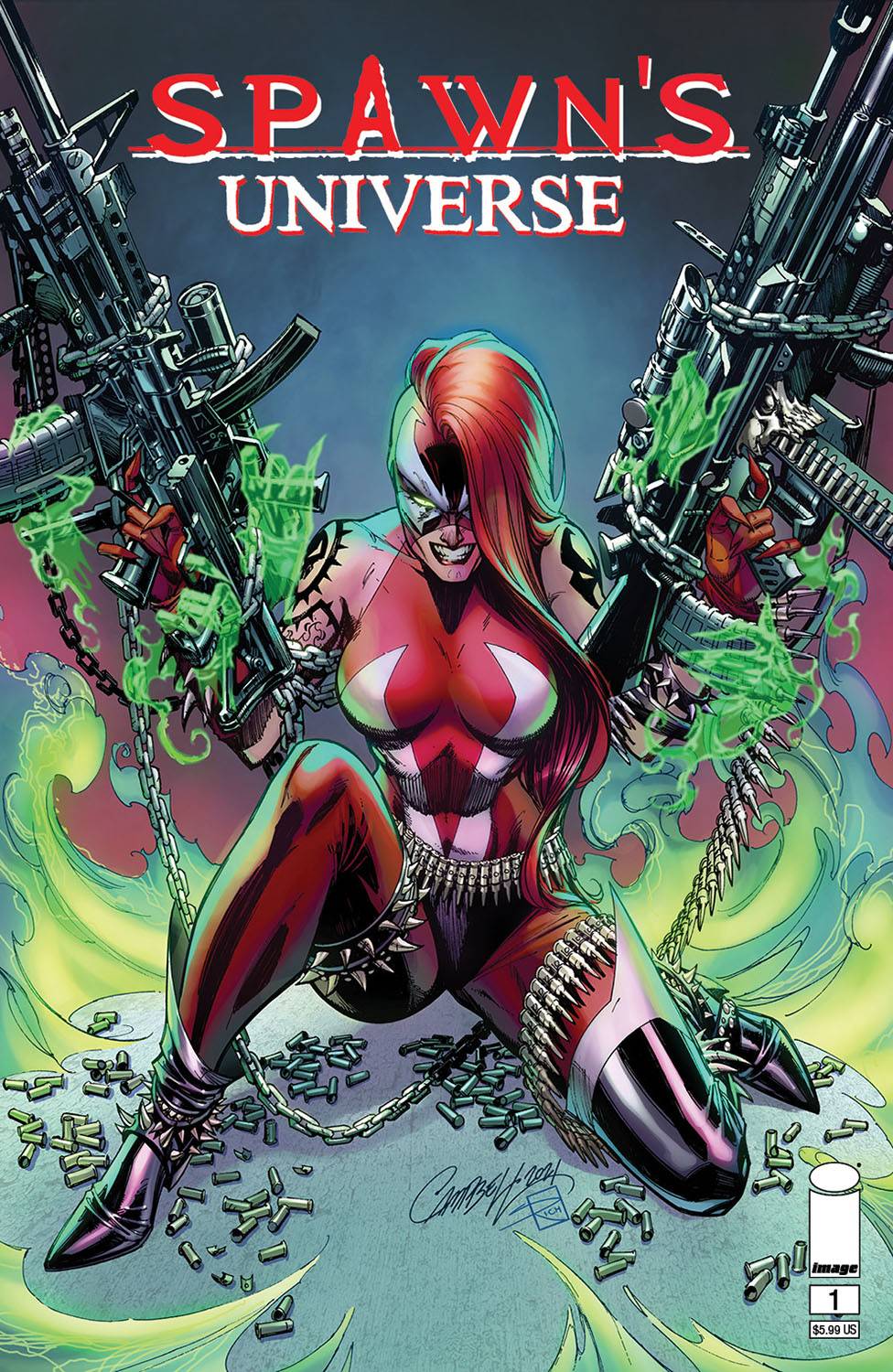
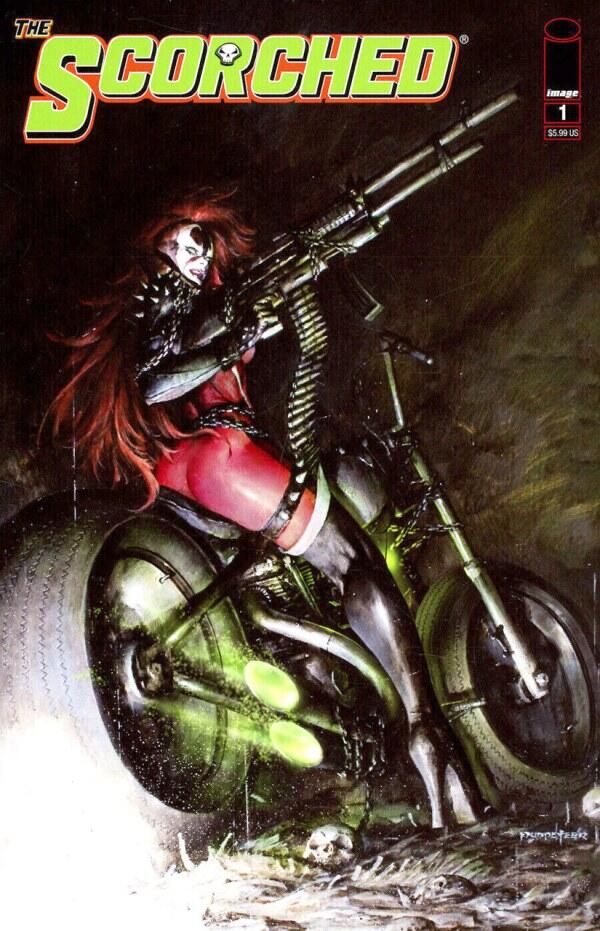
Spawn’s Universe leads into King Spawn, Gunslinger Spawn and The Scorched. #350 changes the balance in Hell; subsequent launches branch into westerns, science fiction and witchcraft.
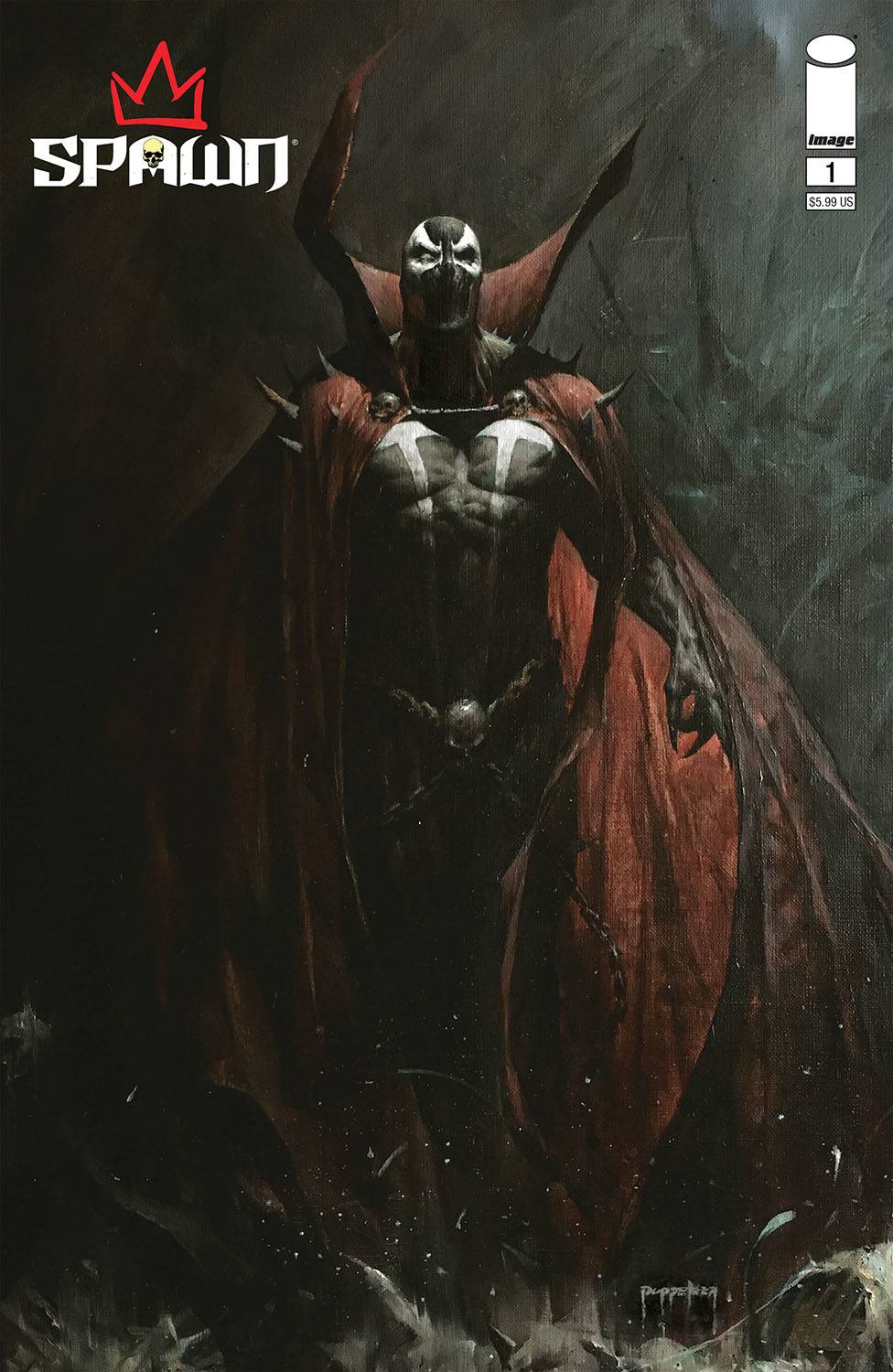
Gail Simone and Ig Guara launch She-Spawn. Rosenberg writes the main book in the #370s, while Spawn 77 returns to McFarlane’s original design for a new story.
The homage covers turn recognition into a collecting theme. Spider-Man, Venom and Batman readers already know the visual language; Spawn gives it a new silhouette.
Choose two or three favourites before committing to a full sequence. Original colour editions make a coherent collection. Black-and-white incentives, overseas editions and later foil reproductions are separate projects with different prices.
The foundational Spider-Man composition, reimagined.
A strong choice for a Venom-led cover collection.
The circular design that crosses generations of collectors.
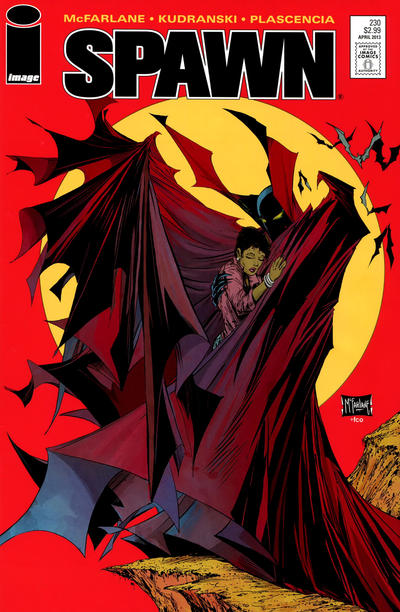
McFarlane’s cape-driven Batman image returns in a new form.
A particularly direct link to McFarlane’s pre-Image identity.
Indicative raw colour-cover budgets; the same pricing method applies. Also seek Spawn #226, the Incredible Hulk #340 homage, with an editorial budget of £45–75. Its cover is not illustrated in this selection.
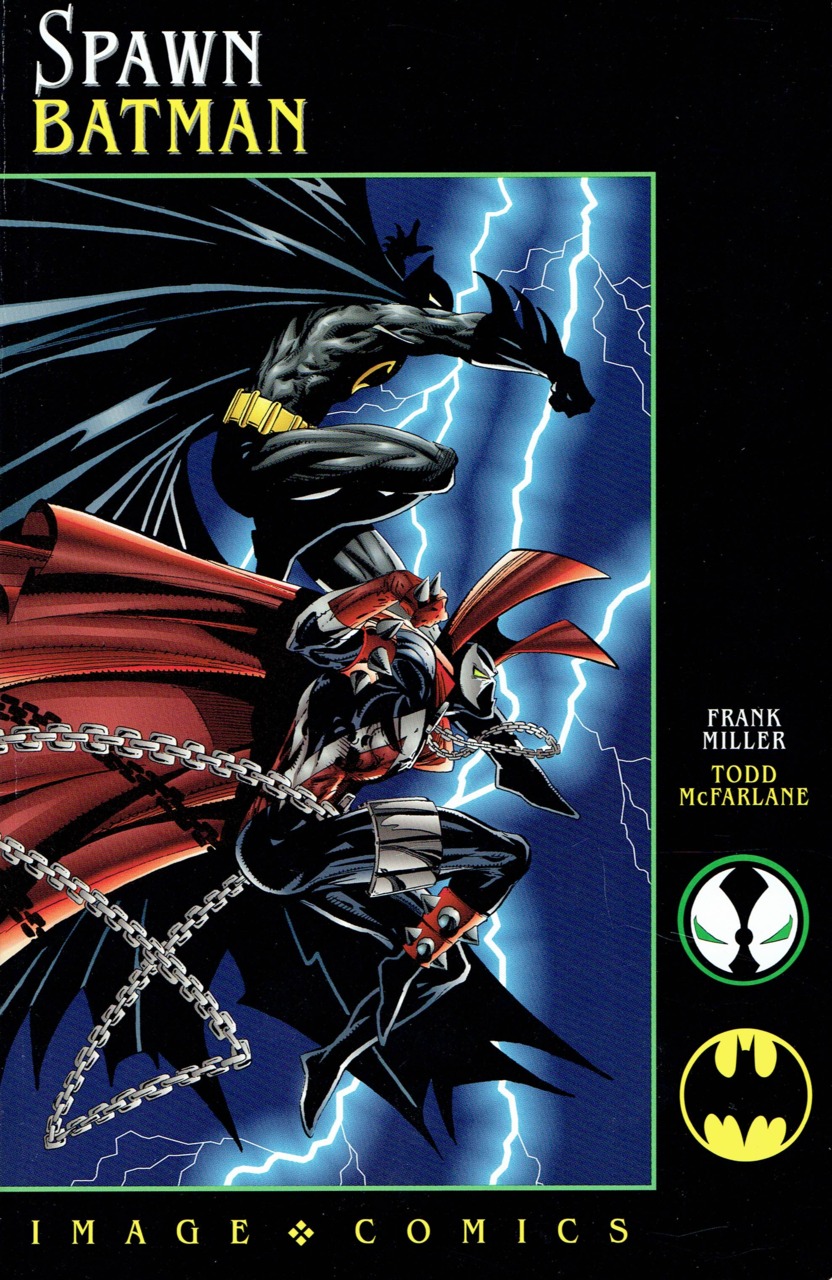
Spawn/Batman (Image, 1994), written by Frank Miller and drawn by McFarlane, is a different kind of bridge: an actual meeting of the characters. Pair it with the DC-published Batman/Spawn: War Devil from the same year if you enjoy building a small, defined crossover set. The later Batman/Spawn (2022) is another publication, not a reprint of either.
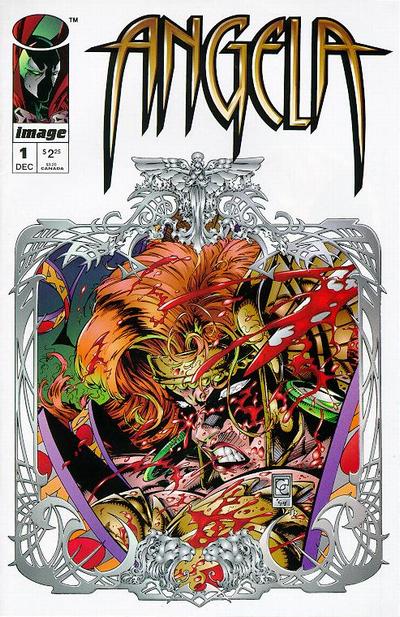
Angela’s original debut remains Spawn #9, created by Neil Gaiman and McFarlane. Her 1994 solo miniseries follows that appearance. She later entered Marvel in Age of Ultron #10 (2013), creating an unusual bridge for collectors of both publishers. Keep “first appearance” and “first Marvel appearance” distinct.
The strongest collection often begins with a story you actually love. These routes give you a manageable entry point and a clear idea of what is inside.
The original atmosphere in a short, approachable package. A good way to decide whether the voice and visual world work for you.
Collects #1–6 · trade paperback edition
A long reading runway through the early mythology. Choose the full-colour 2021 edition if colour is part of what draws you to these pages.
Collects #1–50
The transition into Jim Downing’s story gives #185 context beyond its status as a recognisable turning point.
Collects #185–196
A practical modern return route. It is easier to appreciate an individual key when the surrounding change means something to you.
Resurrection #1 + Spawn #251–255
Jason Shawn Alexander’s work makes this a particularly strong bridge from the darker side of comics into Spawn.
Collects #276–283
Bendis and Steve Niles, Ashley Wood and Ben Templesmith: a more fractured, psychological horror register, with a defined original run to collect.
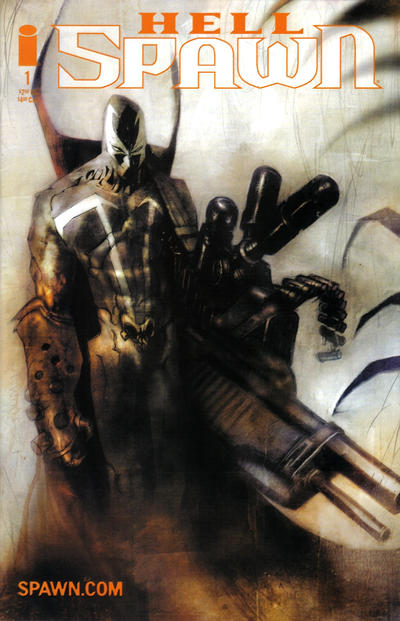
Collects #1–16
The crime route through the universe. An expansive reading collection, with the original issues remaining a separate collecting project.
Sam and Twitch #1–26; Case Files #1–25; The Writer #1–4
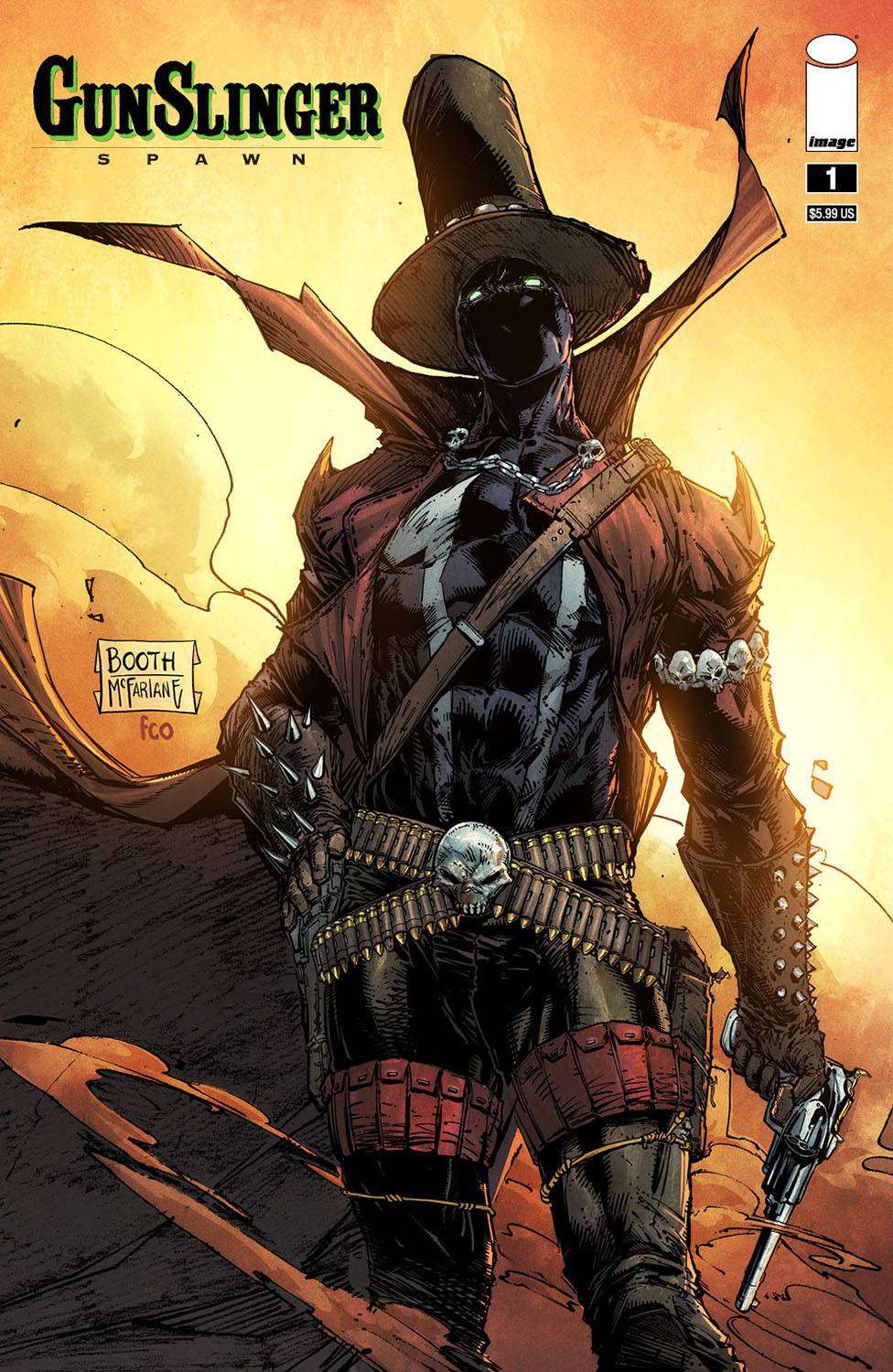
Choose future-set science fiction with Erica Schultz and Zé Carlos, or Old West atmosphere with Jimmy Palmiotti and Patric Reynolds.
Each volume 1 collects its series’ #1–6
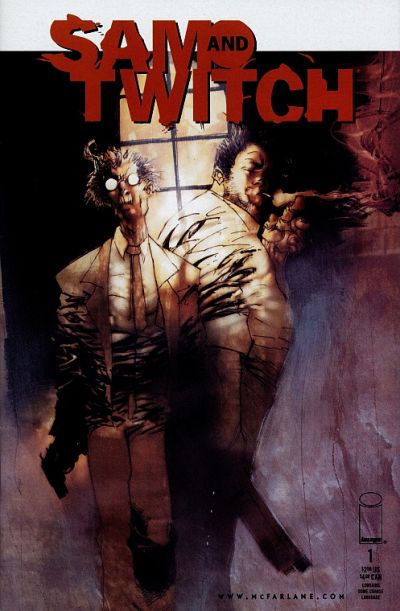
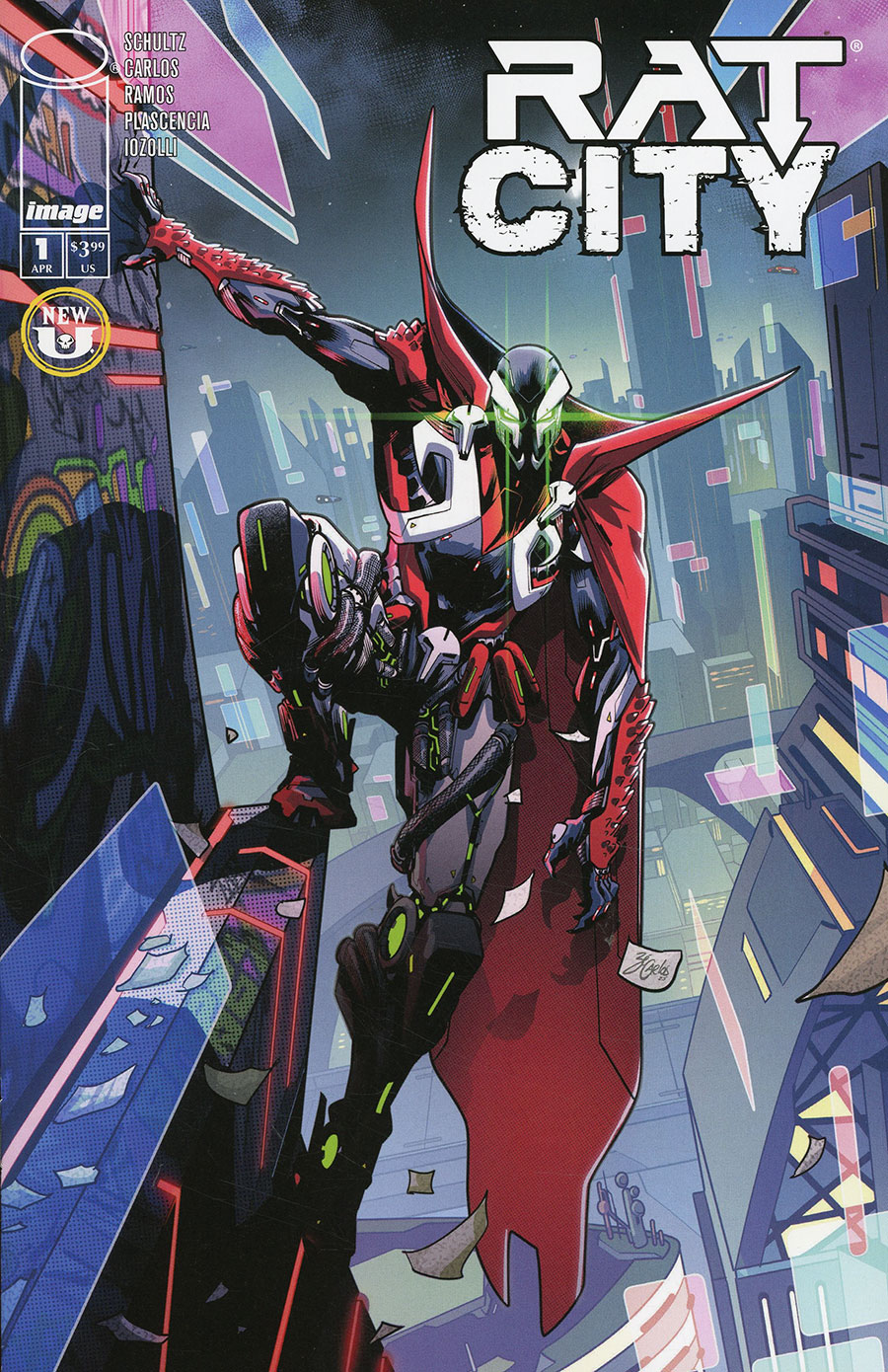
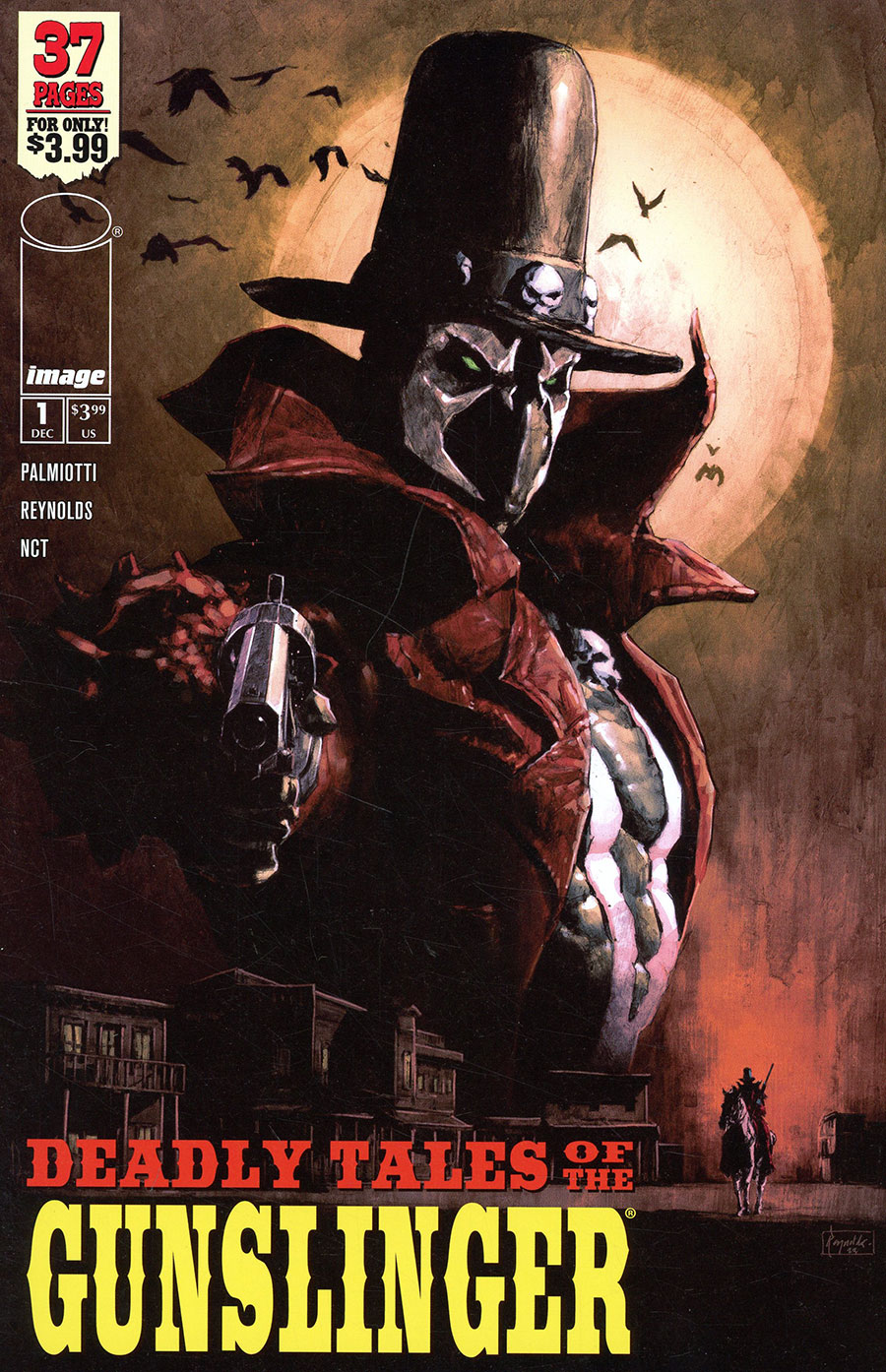
Edition check: the Origins trade paperback volume 1 above contains #1–6. The 2026 hardcover volume 1 contains #1–12. Similar titles and volume numbers do not guarantee identical contents.
The spin-offs are most rewarding as distinct shelves: early mythology, detective fiction, historical fantasy, westerns or modern horror. A short run is a satisfying project; it is not evidence of a small print run.
| Title | Launch / format | Why collect or read it? |
|---|---|---|
| Angela / Violator | 1994 · 3 issues each | Two focused early miniseries. Solo launches, not the characters’ original debuts. |
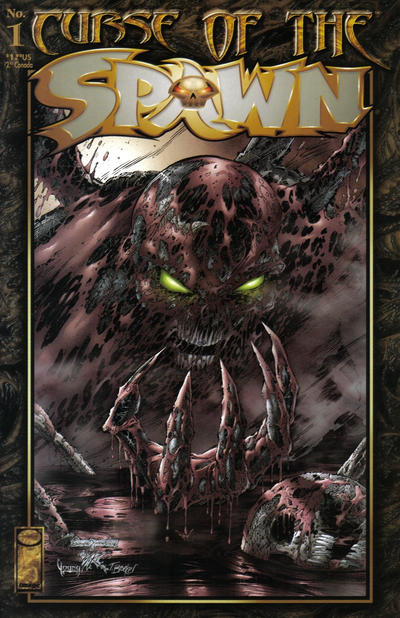
| Curse of the Spawn | 1996 · #1–29 | The broader supernatural world; #29 creates a clear endpoint for a complete run. |
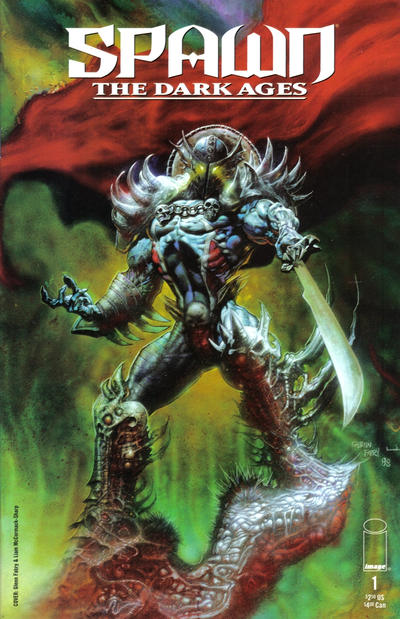
| Spawn: The Dark Ages | 1999 · #1–28 | Lord Covenant’s historical-fantasy branch. Do not confuse it with the 2025 title. |
| Sam and Twitch | 1999 · original #1–26 | Detective collecting, followed by Case Files and later series. |
| Spawn: The Undead | 1999 · #1–9 | A compact horror project by Paul Jenkins and Dwayne Turner. |
| Hellspawn | 2000 · #1–16 | An artist-led psychological-horror shelf with a finite original run. |
| Spawn’s Universe | 2021 · one-shot | The gateway to the expanded line. A choice of covers does not make it an ongoing series. |
| King Spawn / Gunslinger Spawn | 2021 · ongoing launches | Al Simmons’ companion title and a western Hellspawn in the modern world. |
| The Scorched | 2022 · ongoing launch | The team branch, including She-Spawn, Medieval Spawn and Gunslinger. |
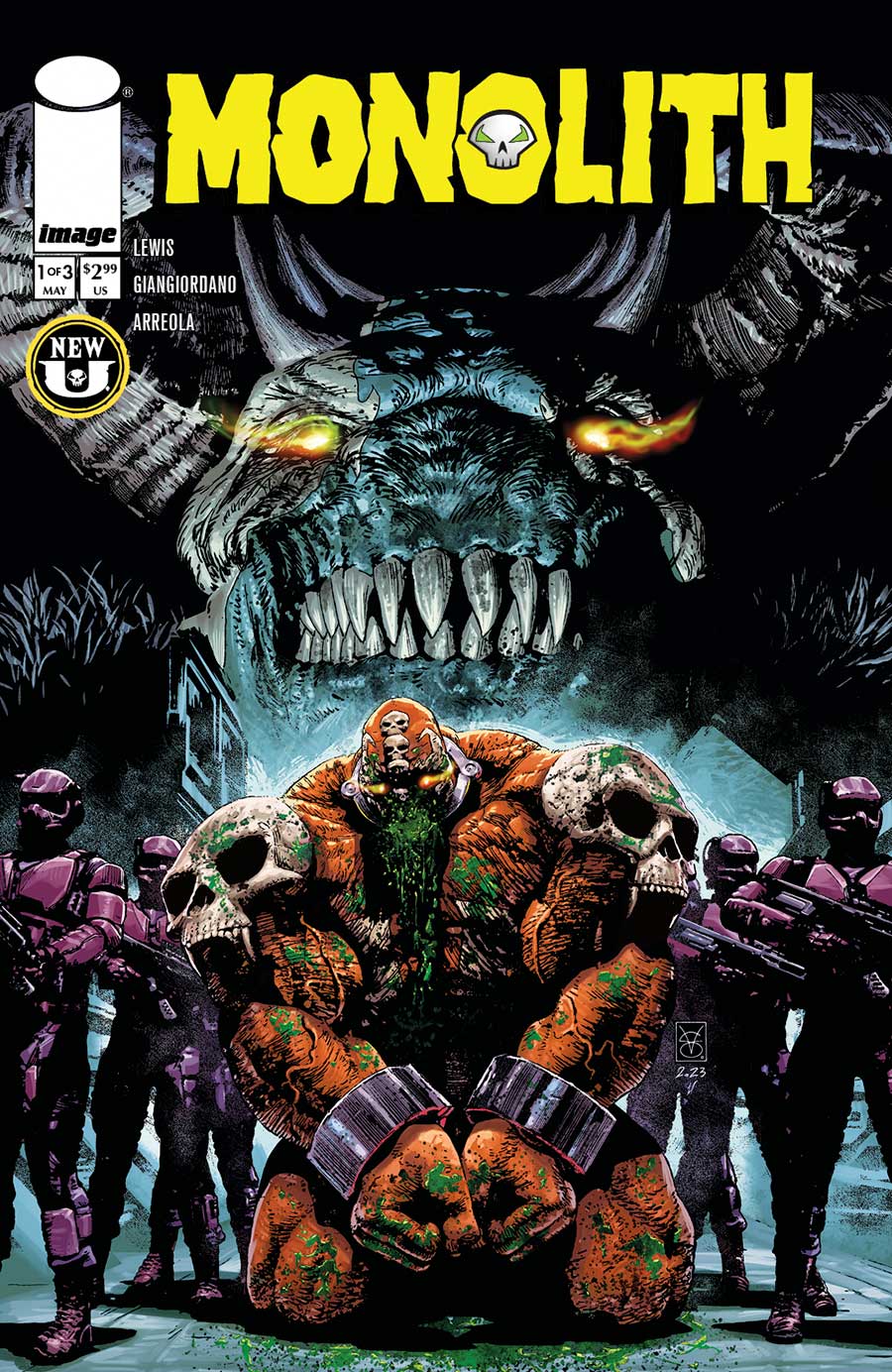
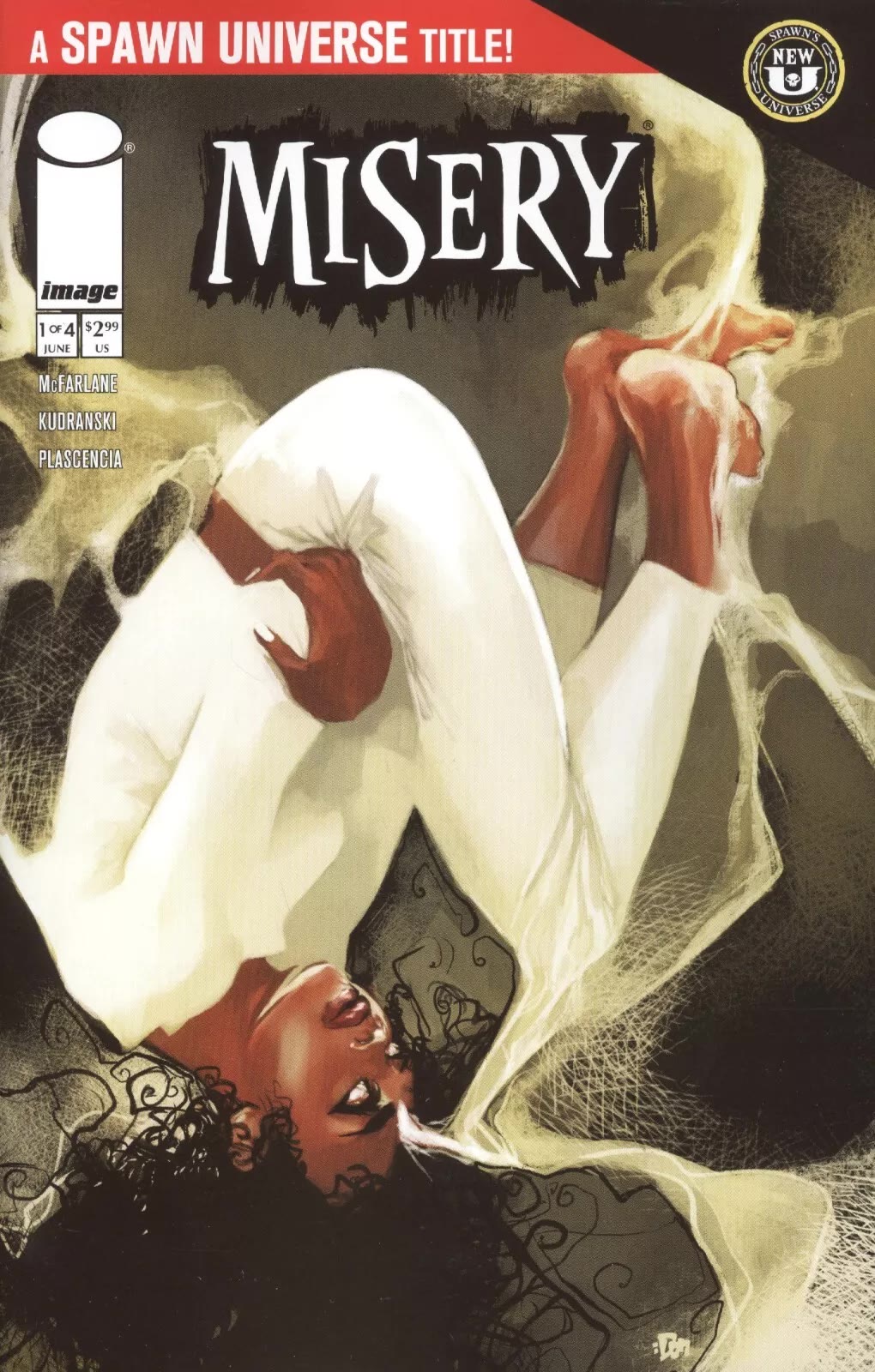
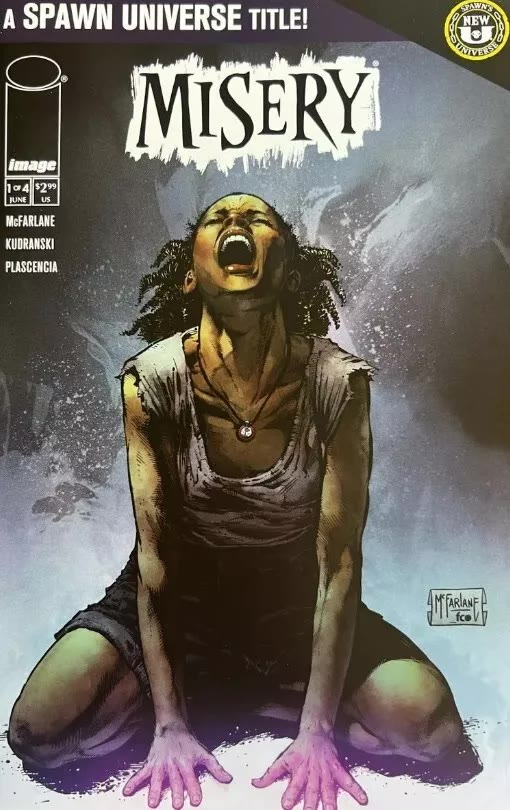
| Rat City / Monolith / Misery | 2024 · ongoing / 3 / 4 issues | Future-set science fiction; cosmic scale; Cyan-centred coming-of-age horror. |
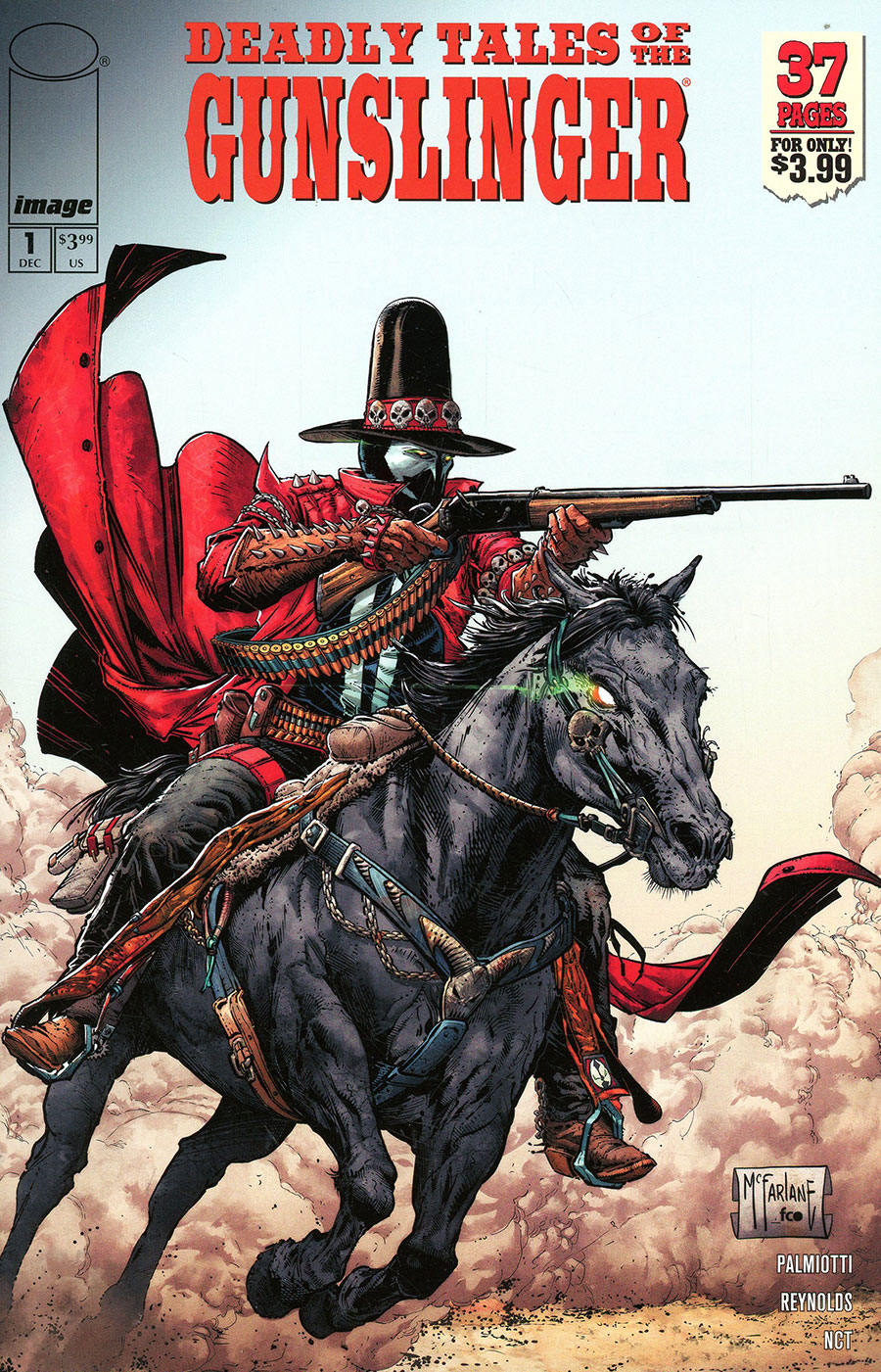
| Deadly Tales of the Gunslinger | December 2024 · ongoing launch | Old West origins, distinct from the modern-set Gunslinger series. |
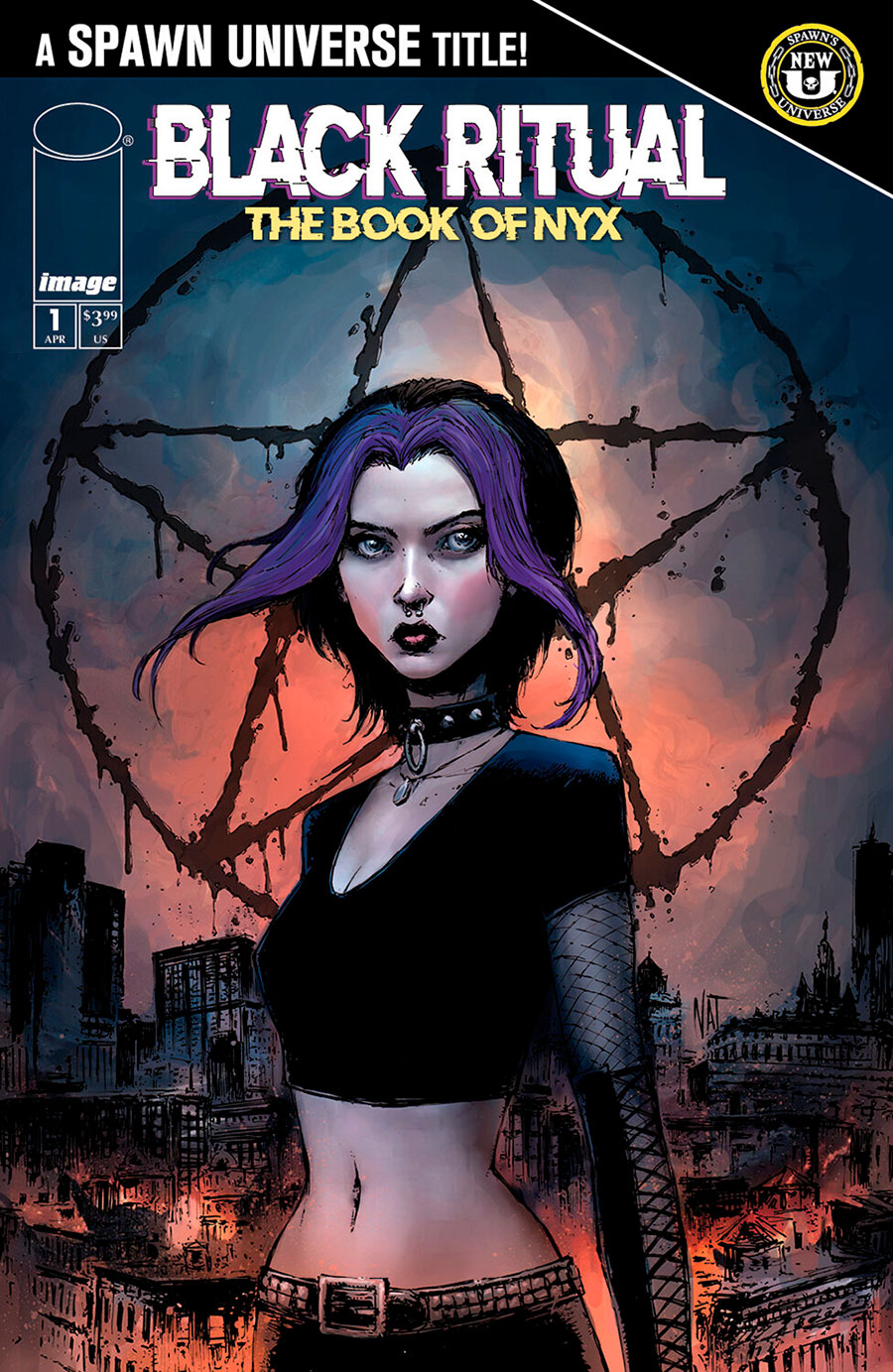
| Black Ritual: The Book of Nyx | April 2025 · 7 issues | Thomas Healy and Nat Jones explore the witchcraft branch. |
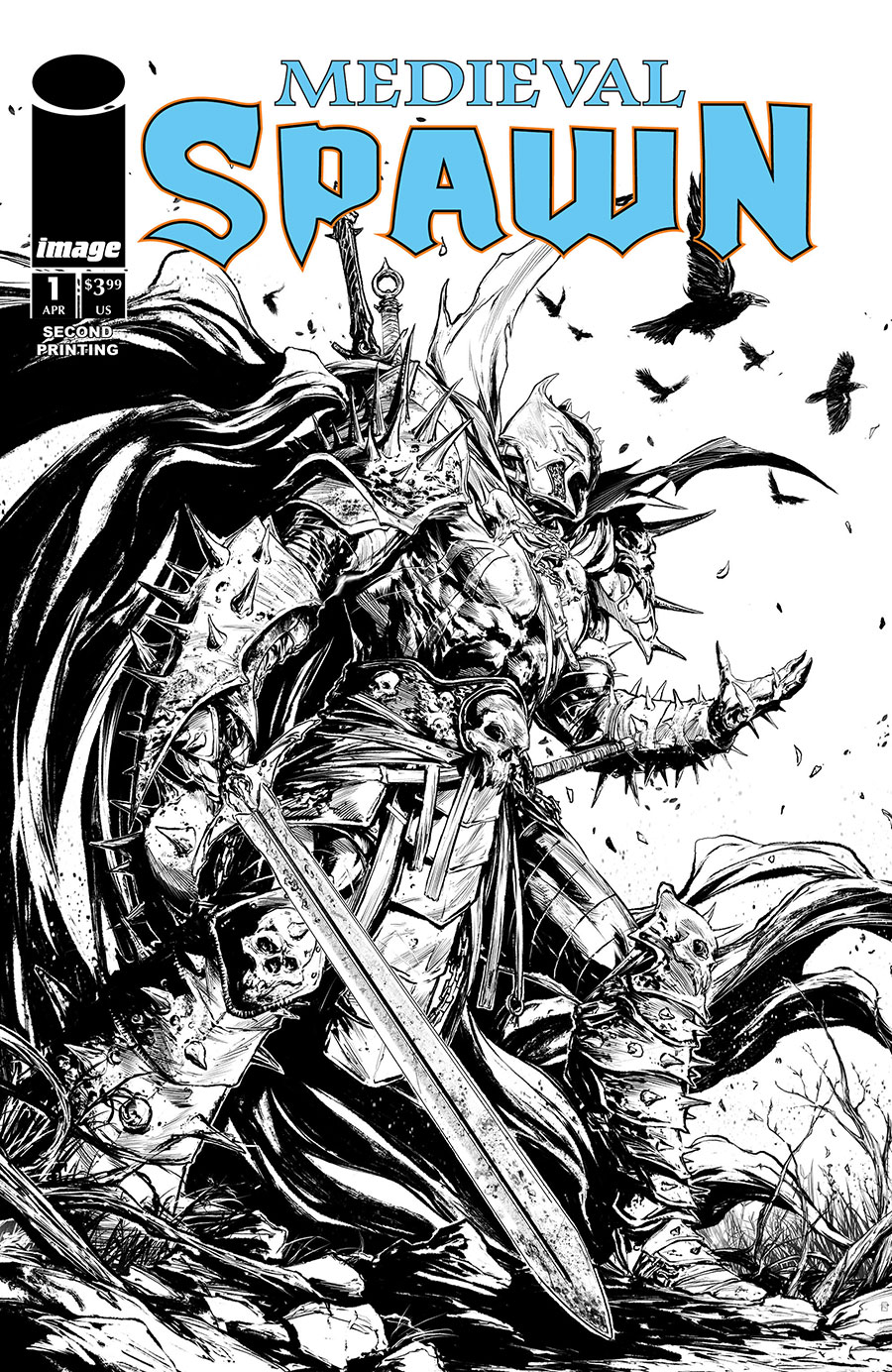
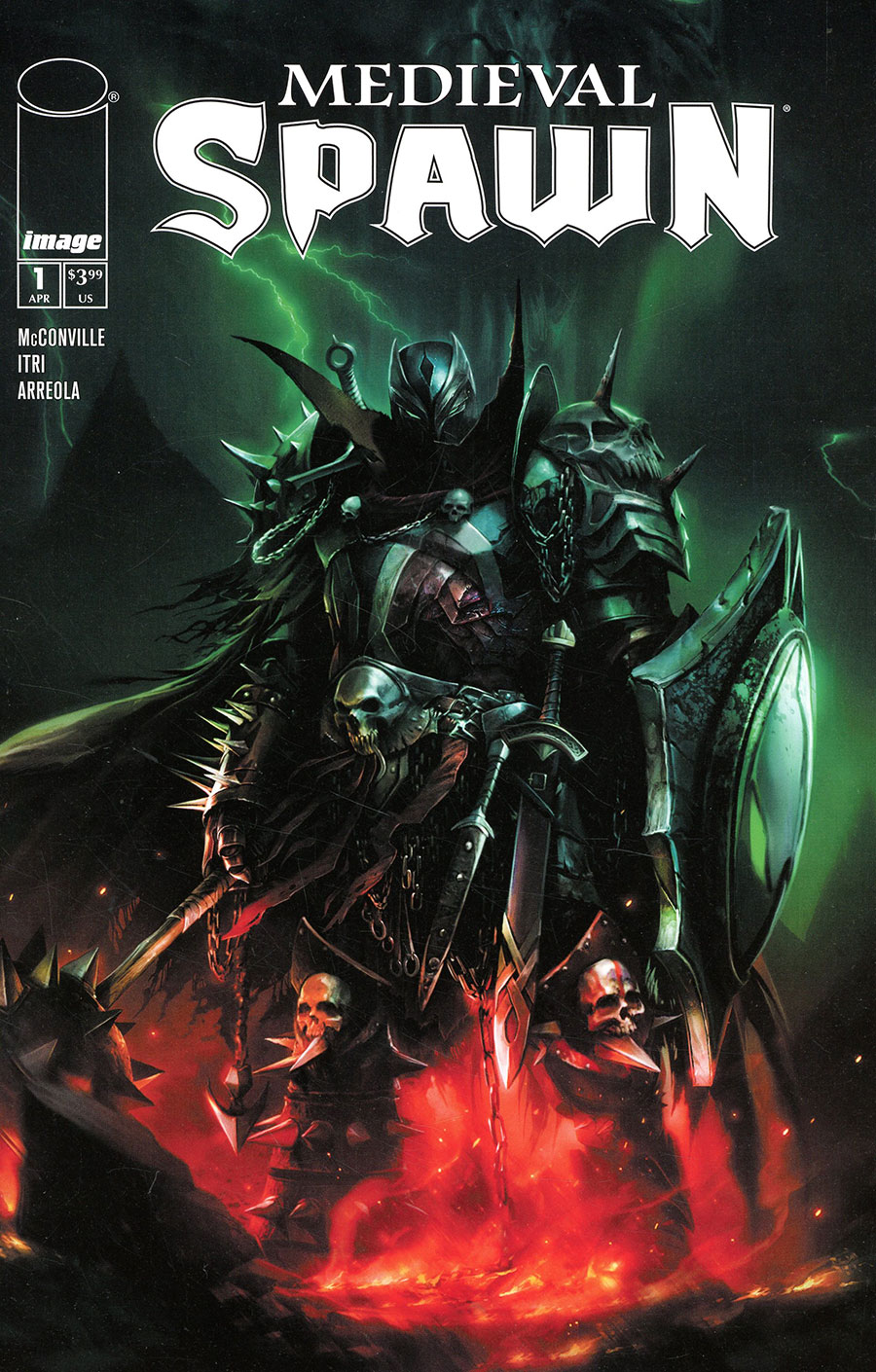
| Medieval Spawn | April 2025 · 4 issues | Rory McConville and Marco Itri’s fantasy mini. The supplied Raymond Gay monochrome #1 is explicitly a second printing. |
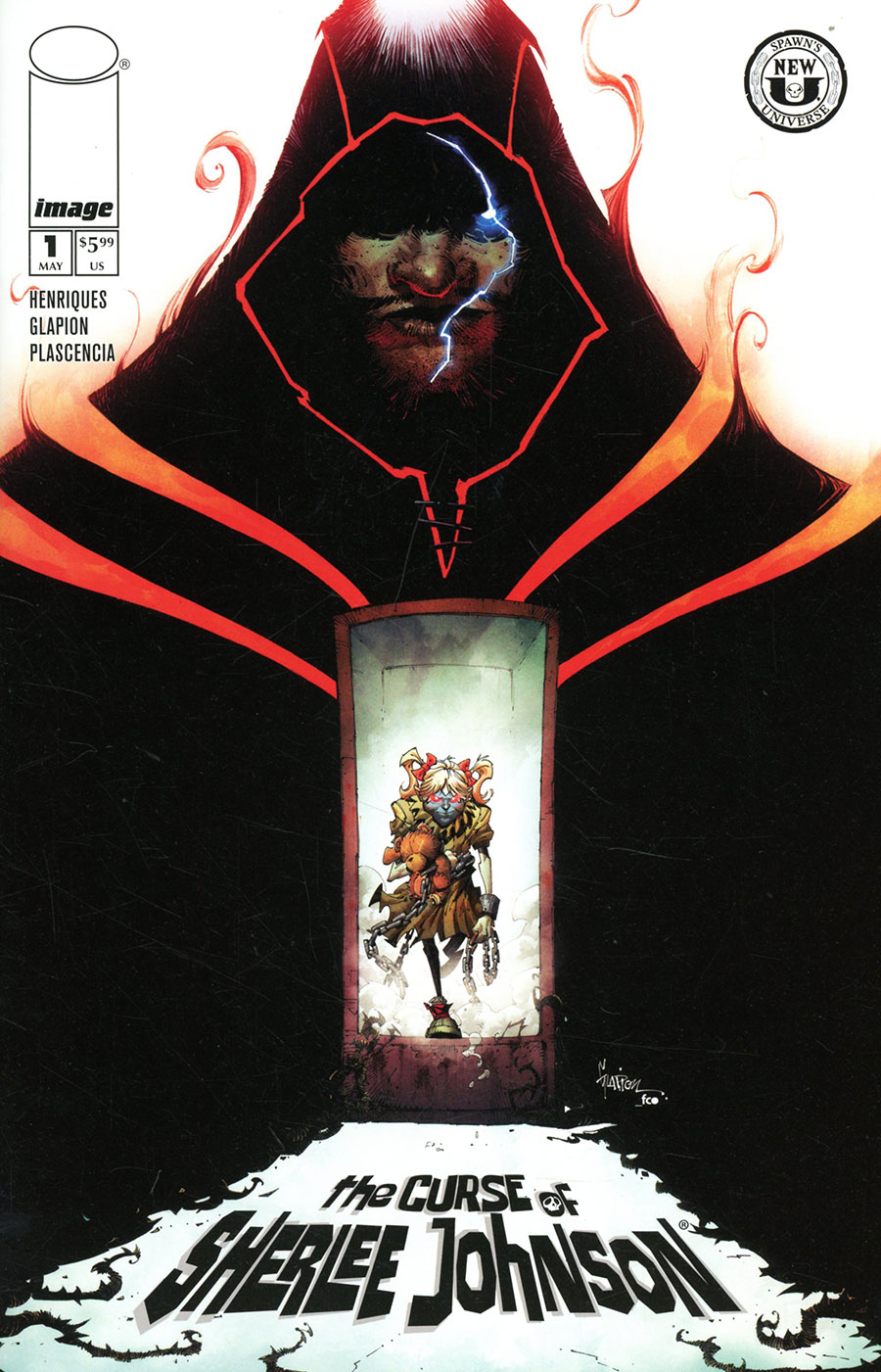
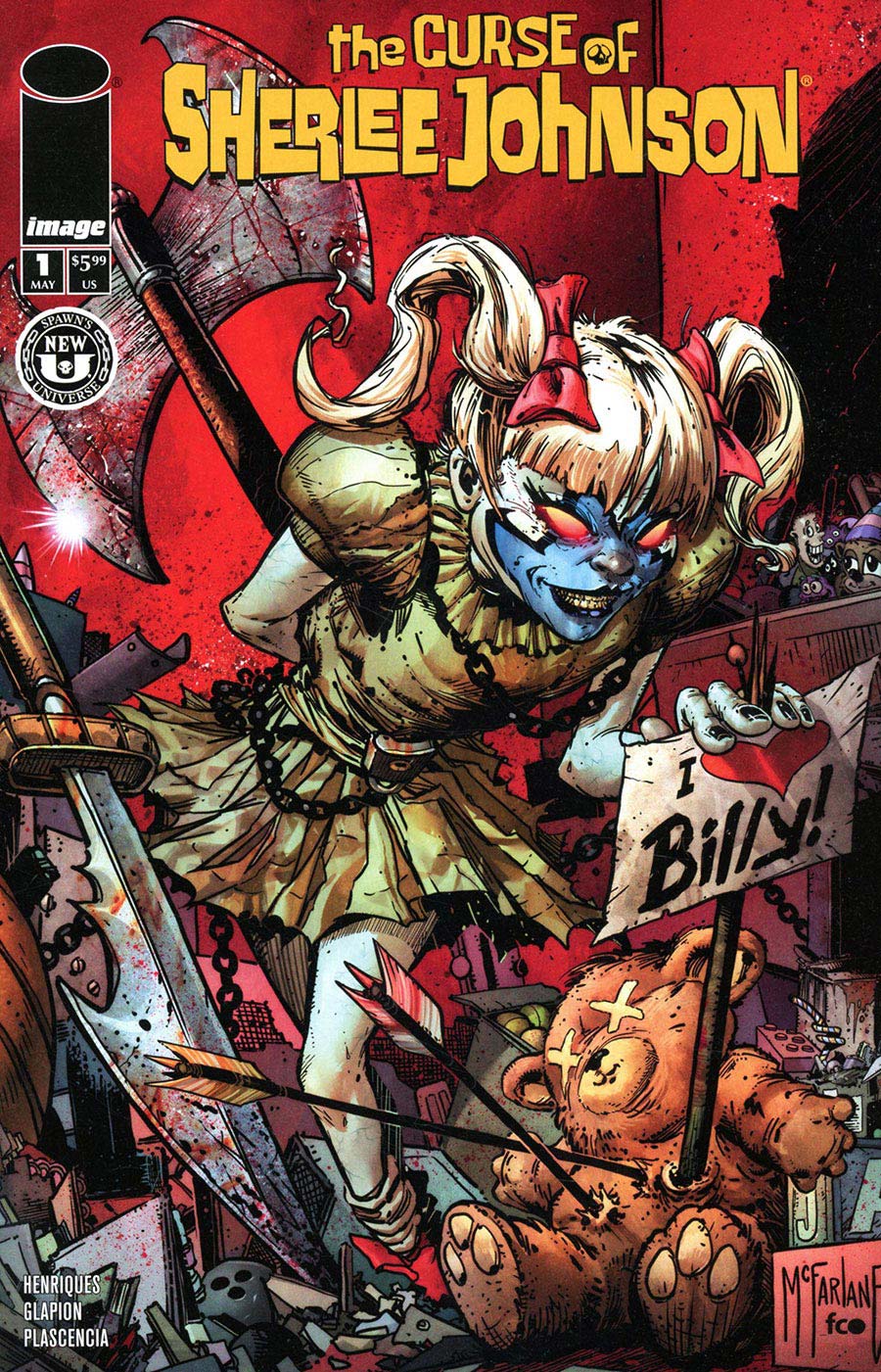
| The Curse of Sherlee Johnson | May 2025 · first TP collects #1–5 | A horror strand connected to Billy Kincaid’s victim, with Daniel Henriques and Jonathan Glapion. |
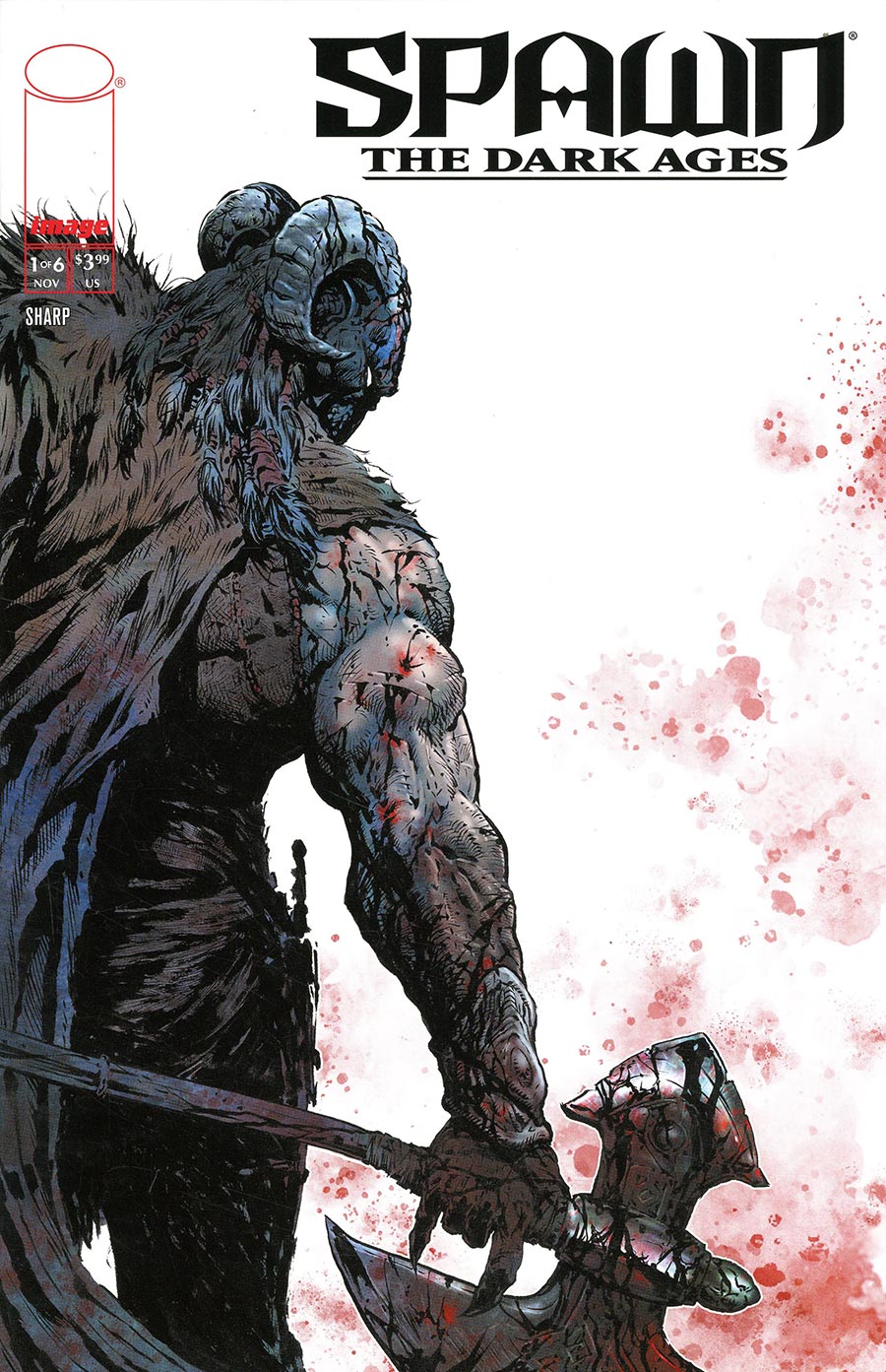
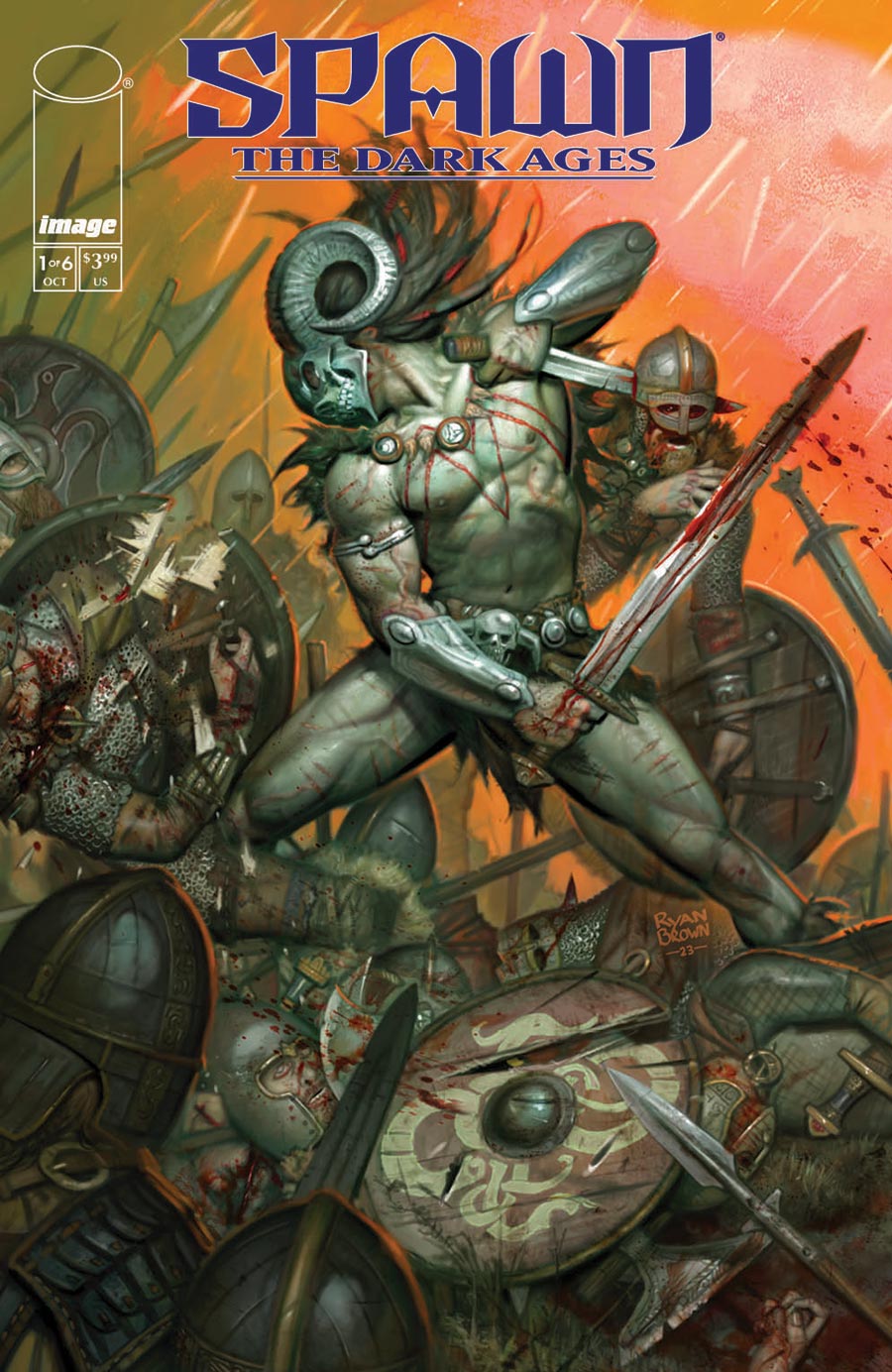
| Spawn: The Dark Ages | November 2025 · 6 issues | Liam Sharp’s new post-Roman-Britain story. Separate from both Lord Covenant’s run and Medieval Spawn. |
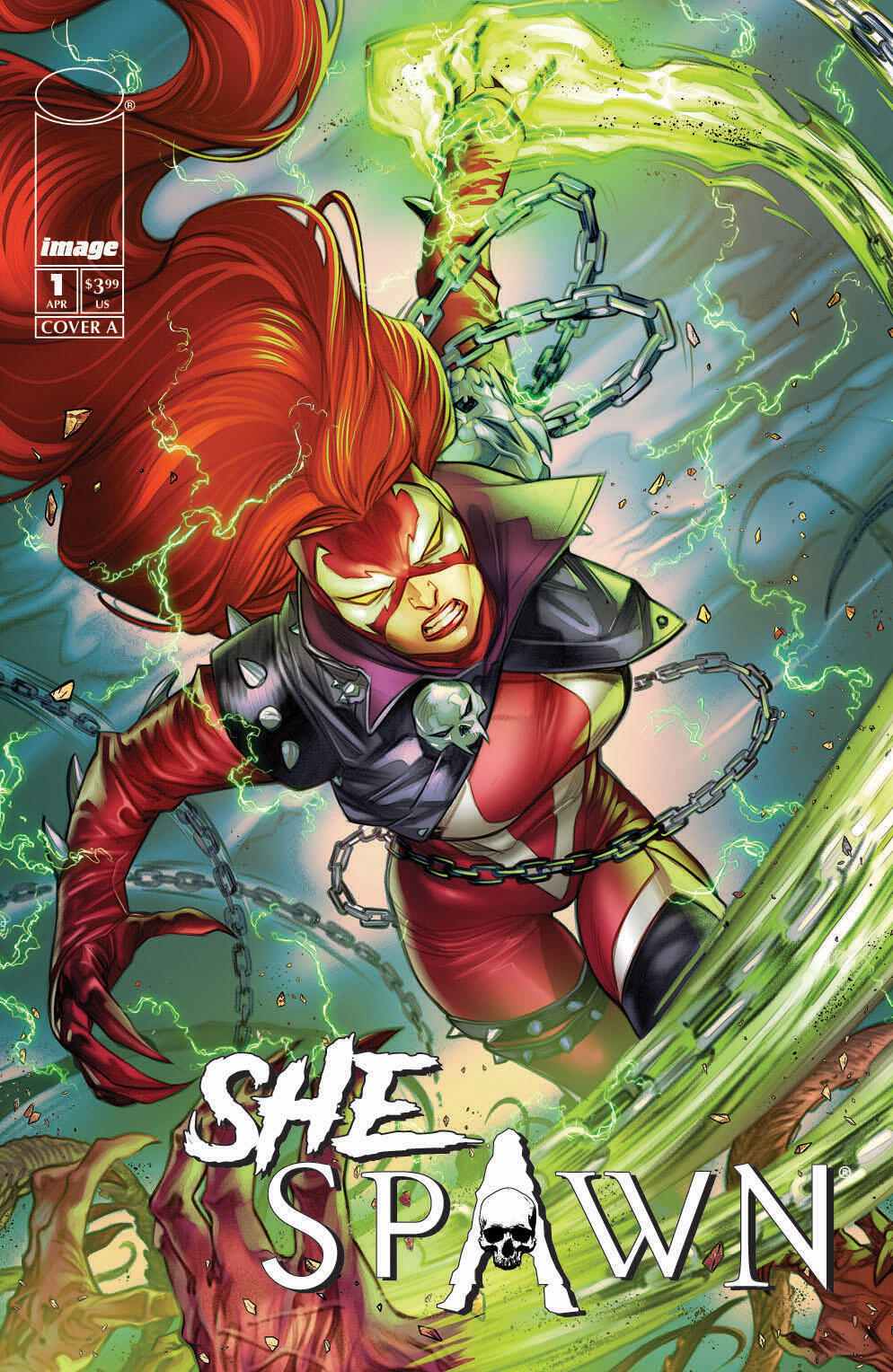
| She-Spawn | May 2026 · 5 issues | Gail Simone and Ig Guara focus on Jessica Priest. A modern solo series, not She-Spawn’s first appearance. |
| Spawn 77 | September 2026 · 3 issues | A new story and character rooted in McFarlane’s teenage design. See the edition guide below. |
A useful modern collecting rule: buy the regular cover you most want to own, read the series, and let interest survive beyond release week before chasing expensive incentives. A publisher announcing a second printing signals demand for more stock; it does not reveal an exact first-print quantity.
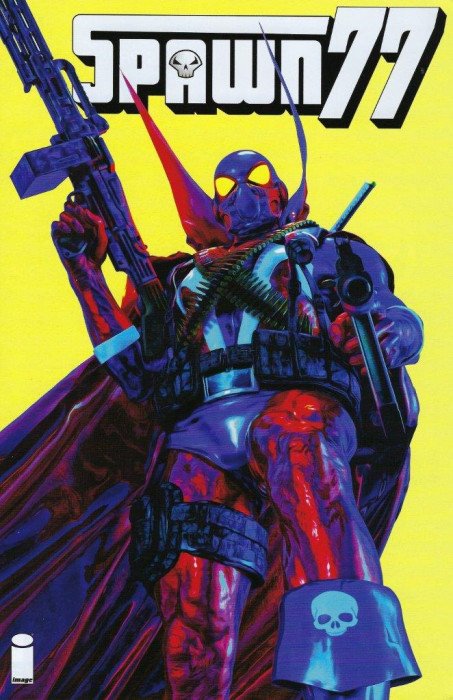
The teenage sketch returns as Spawn 77: a new three-issue story co-written by Todd McFarlane and Mark Spears, with fully painted artwork by Spears.
A new character carries the 1977 design into a three-part story. This is Spawn 77, not issue #77 of the ongoing title.
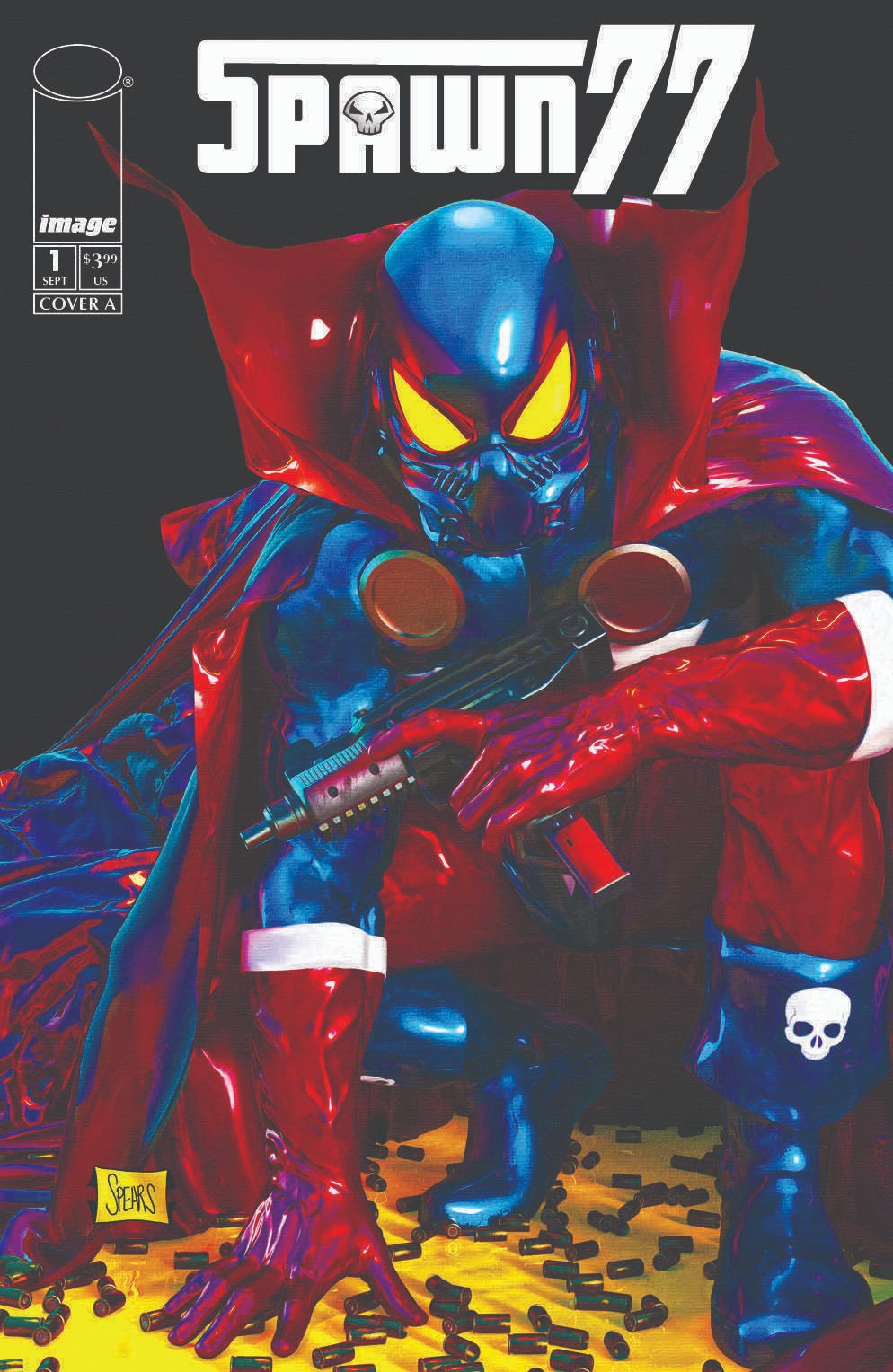
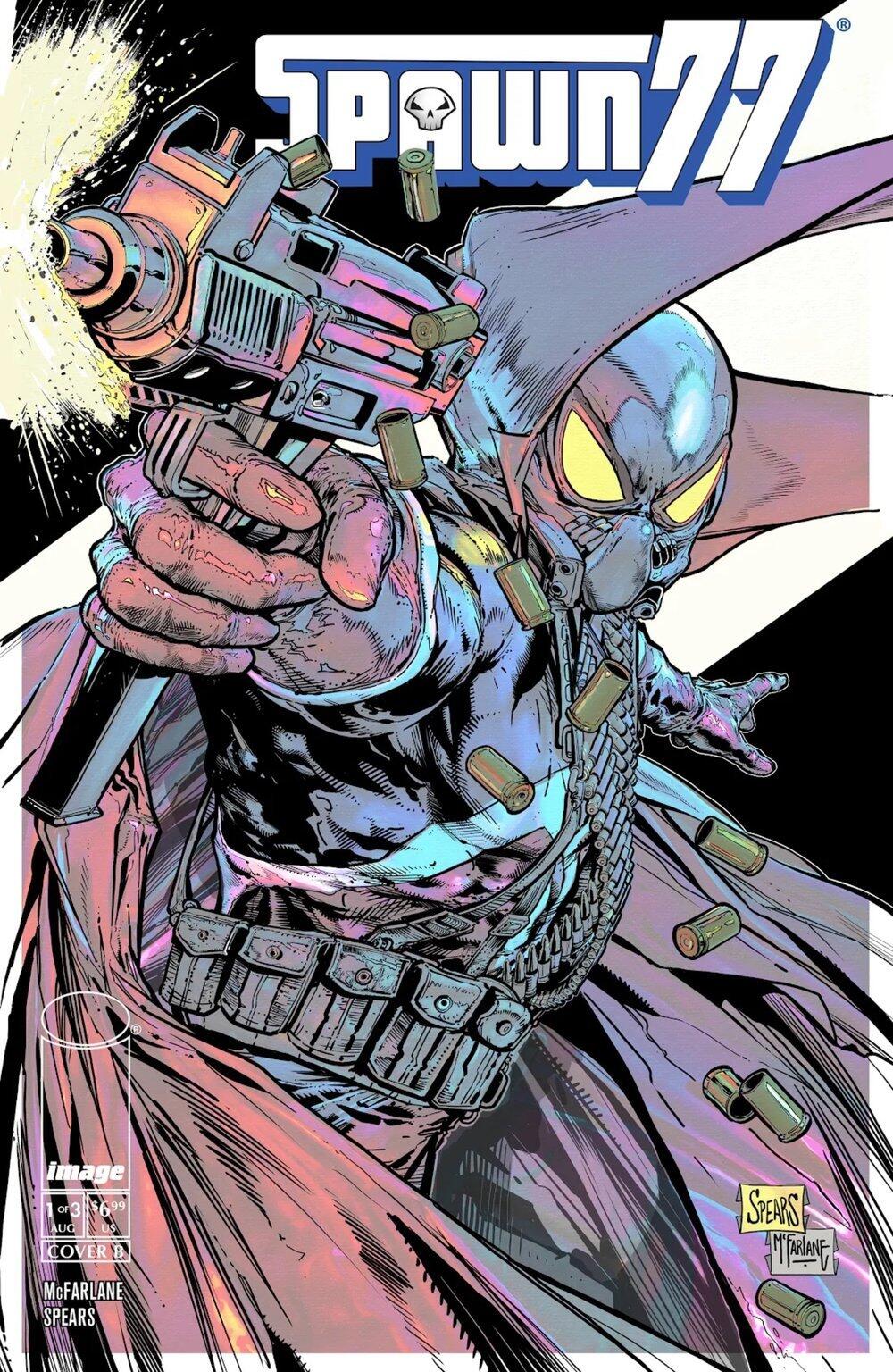
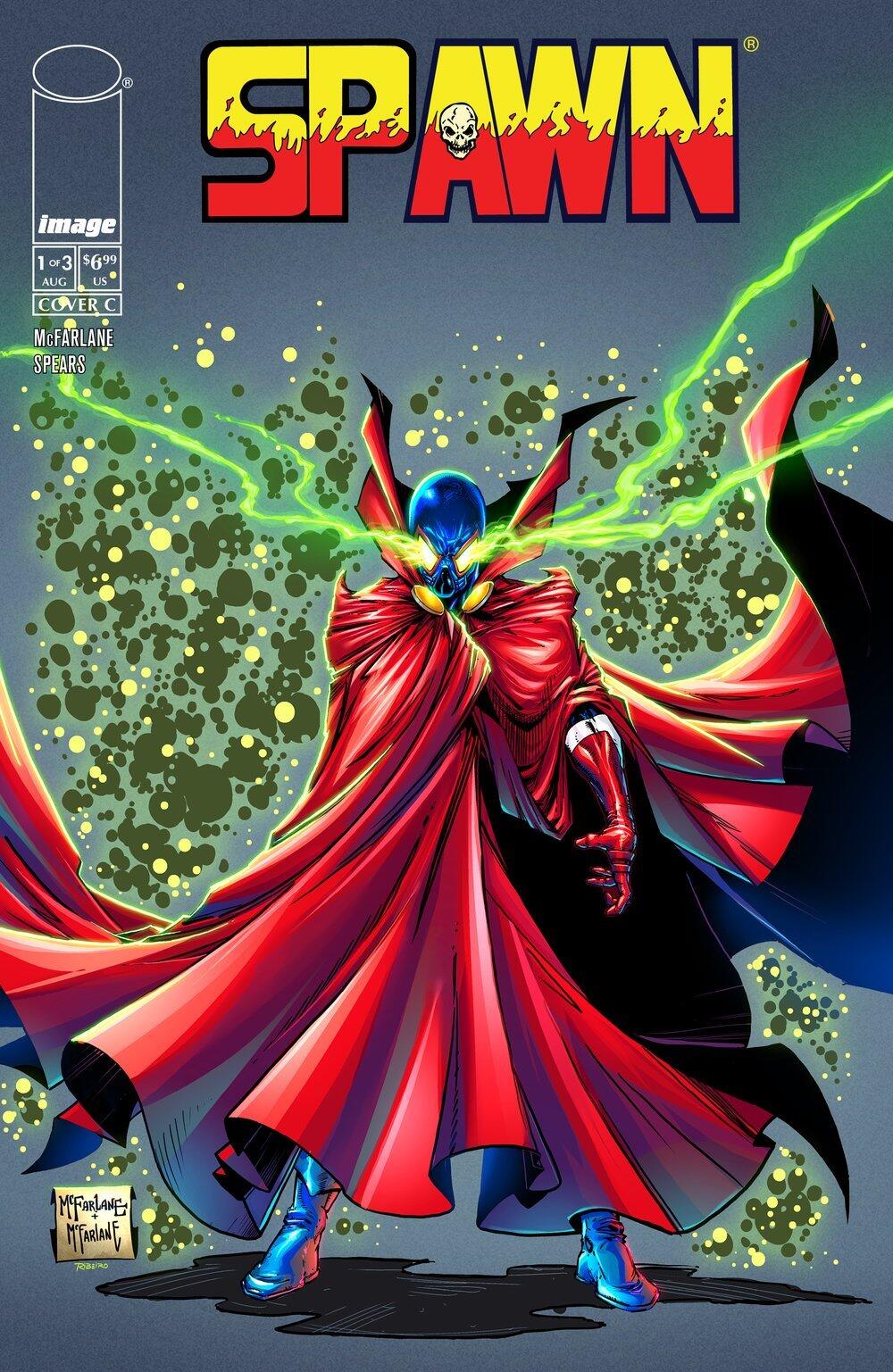
Cover A introduces Spears’ painted approach. Cover B combines Spears and McFarlane; Cover C revisits McFarlane’s original 1977 design. Those are clear aesthetic choices before any investment argument enters the room.
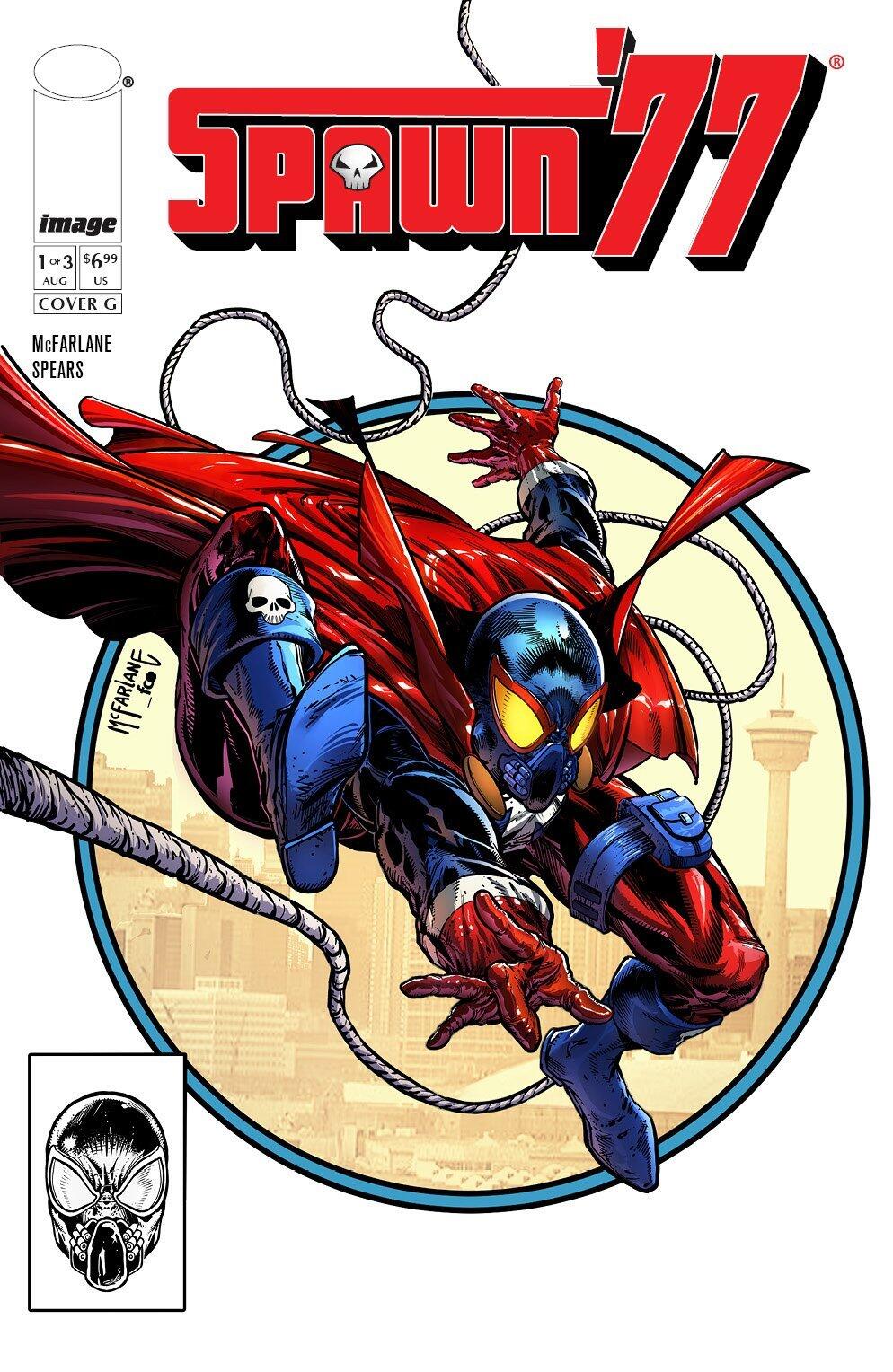
The illustrated Cover G is the 1:50 incentive. Cover H is the 1:100 original-design variant and is not pictured here. Do not let a seller substitute one letter, ratio or cover image for another.
There is too little trading history here to attach a convincing long-term investment case. Compare actual sales for the exact edition, include UK delivery or import costs, and resist paying a premium simply because a ratio sounds impressive.
The supplied A image is an early promotional reference showing $3.99; Image’s released #1 listing gives $6.99. Use the published release details when identifying a retail copy.
These supplied images visibly carry the Spawn ’77 title. One bears a 2025 NYCC/Walmart promotional badge; the other is the illustrated reference supplied as a Page Punchers edition.
Neither should be presented as the original 1992 Spawn #1. The exact issue, printing and distribution details should be checked against the actual comic and packaging before attaching a rarity claim or value.
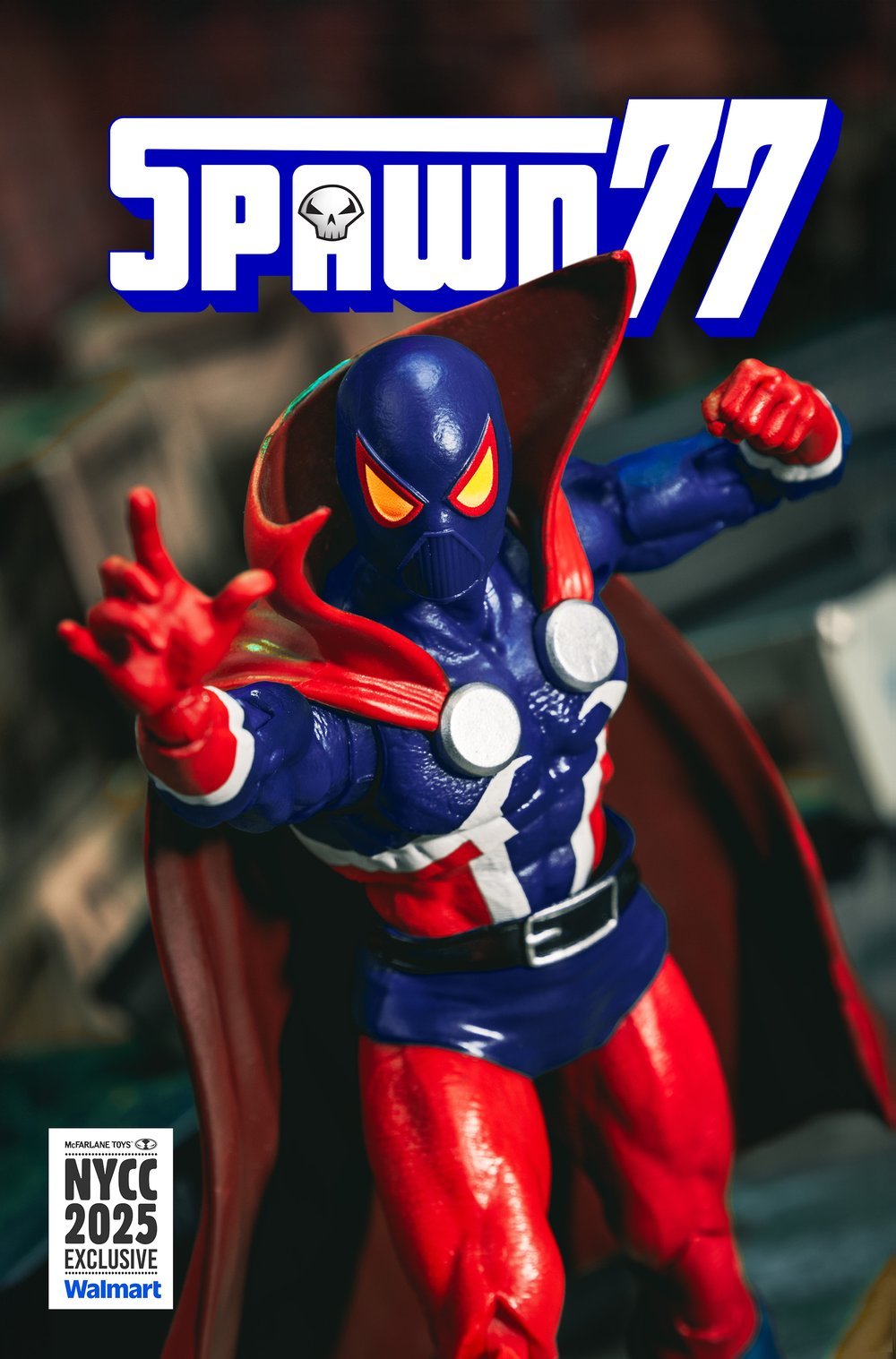
Official concept and variant announcementPublished #1 details
An original creator-owned icon, a recognisable visual identity, a long publication history and several distinct collecting audiences give Spawn depth. First appearances, admired artwork and well-defined runs can remain compelling after a release-week headline disappears.
Early supply is substantial. Specialist later issues can have a smaller pool of buyers. Condition, selling fees, inflation and import costs can erase a nominal gain. A rising asking price is not the same thing as a buyer paying it.
The strongest ten-year plan is a collection you can explain: why this issue, why this edition, why this copy, why this price. There is no dependable return percentage to attach to it.
Explore the complete illustrated selection. Every cover keeps its natural proportions; select an image to open it at full size.
Showing all 56 covers
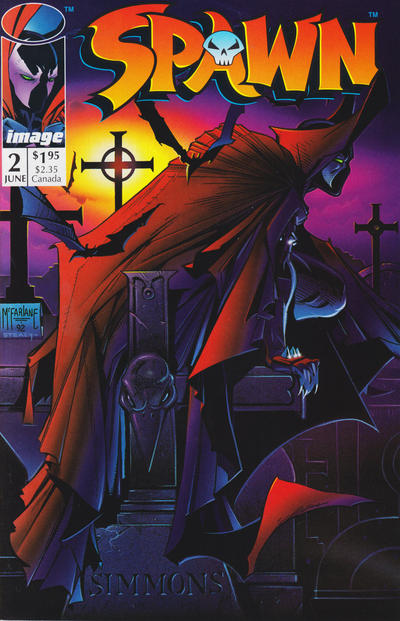
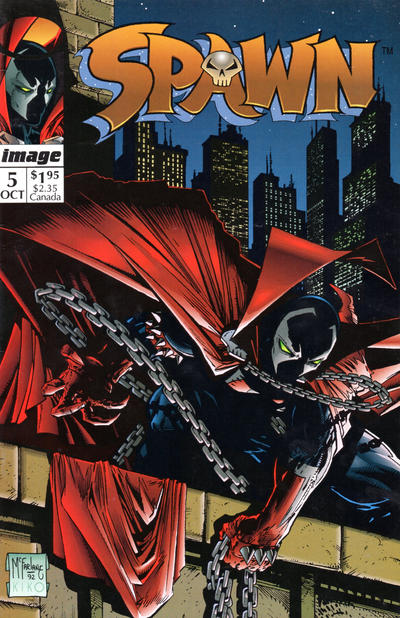
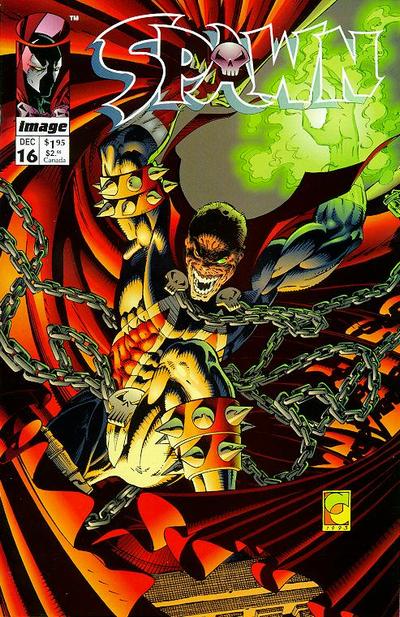
An original #1. A favourite artist. A Gunslinger pair. Three covers that speak to each other. Begin with something you want to keep.
Prepared 29 September 2026. Recommendations and buying bands are Comic Agent’s editorial judgement. Publication details come primarily from Image’s release and collected-edition pages. Order estimates, specialist edition research and market listings answer different questions and are identified separately below.
Cover imagery is reproduced for editorial identification and discussion. Spawn and associated characters and artwork belong to their respective rights holders. Comic Agent is an independent collecting guide.