
Spider-Man: Blue
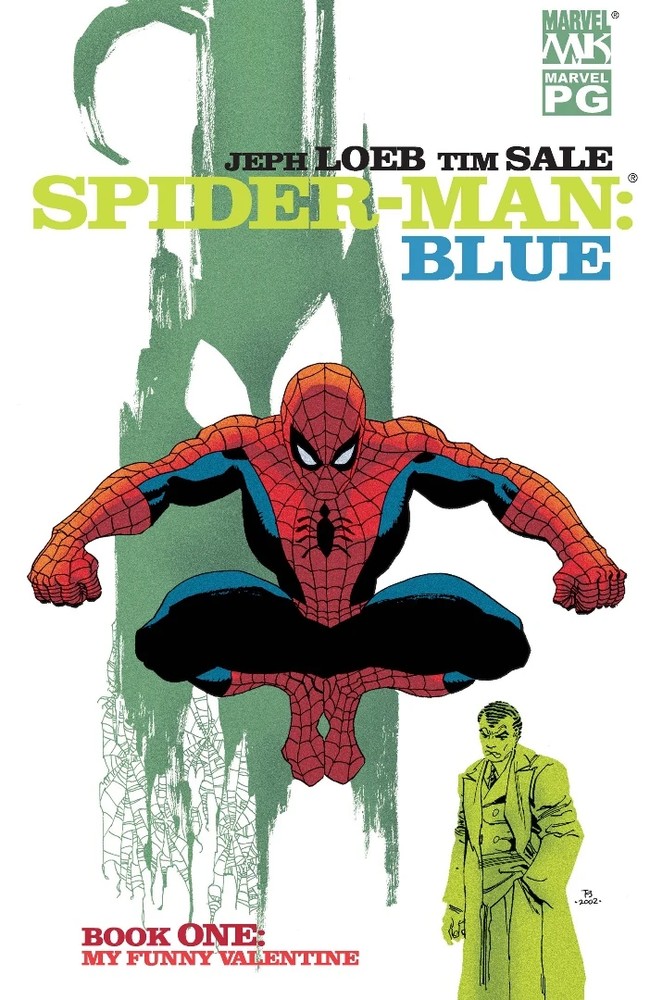
Jeph Loeb and Tim Sale revisit Peter’s early relationships through memory, affection and loss. Six issues give you a complete, beautifully drawn reading project.
Begin with the human story →Every collector
starts somewhere.
From pocket-money back issues to million-dollar history.
One bite. One terrible mistake. A lifetime of trying to do better. Discover the stories, villains, covers and collecting routes that make Spider-Man a universe you can build a shelf around.
Some collections begin with an important first appearance. Others begin with a cover you remember from childhood, a box of back issues or a story someone insists you have to read. Spider-Man makes room for all of those beginnings. You can follow his history through a celebrated Silver Age run, a complete six-part thriller or a small stack of comics whose artwork simply makes you happy.
That freedom matters. The wall of issue numbers can look intimidating from the outside: Amazing, Spectacular, Web, annuals, relaunches, variant covers and characters who share the name. You do not need to solve all of it before buying your first book. You need a starting point and enough information to understand what you are holding.
This file follows Peter Parker at its centre, then opens the door to Miles Morales, Gwen Stacy, Miguel O’Hara and Cindy Moon. It moves from the stories to the physical comics, because knowing why an issue matters makes collecting it more satisfying. The most expensive book in the room is only one possible destination.
Jeph Loeb and Tim Sale revisit Peter’s early relationships through memory, affection and loss. Six issues give you a complete, beautifully drawn reading project.
Begin with the human story →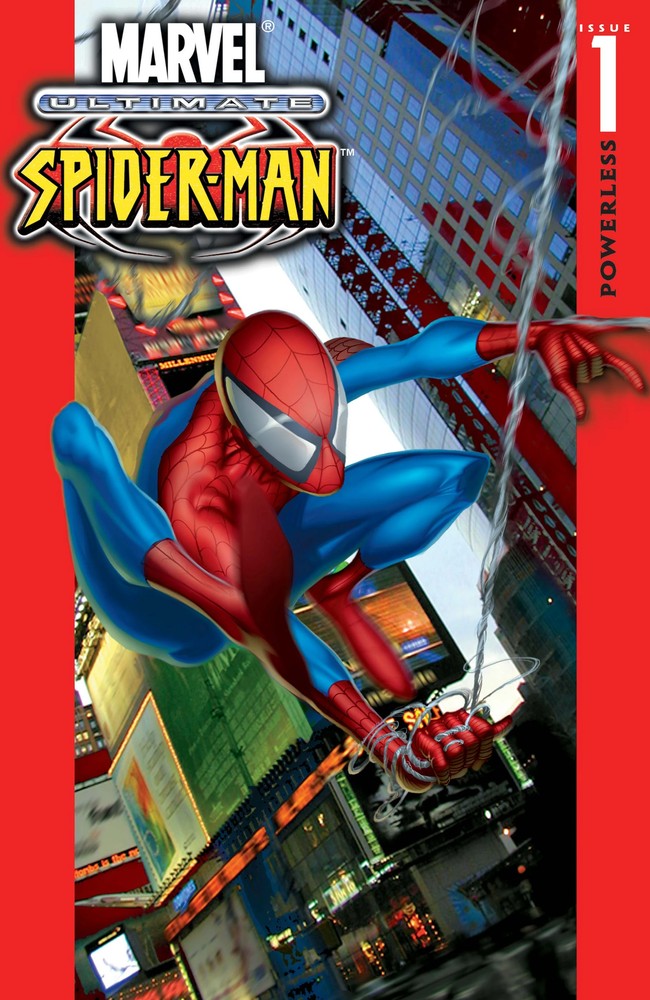
The original 2000 series retells the beginning for a different era. Brian Michael Bendis and Mark Bagley give the school, friendships and family room to breathe.
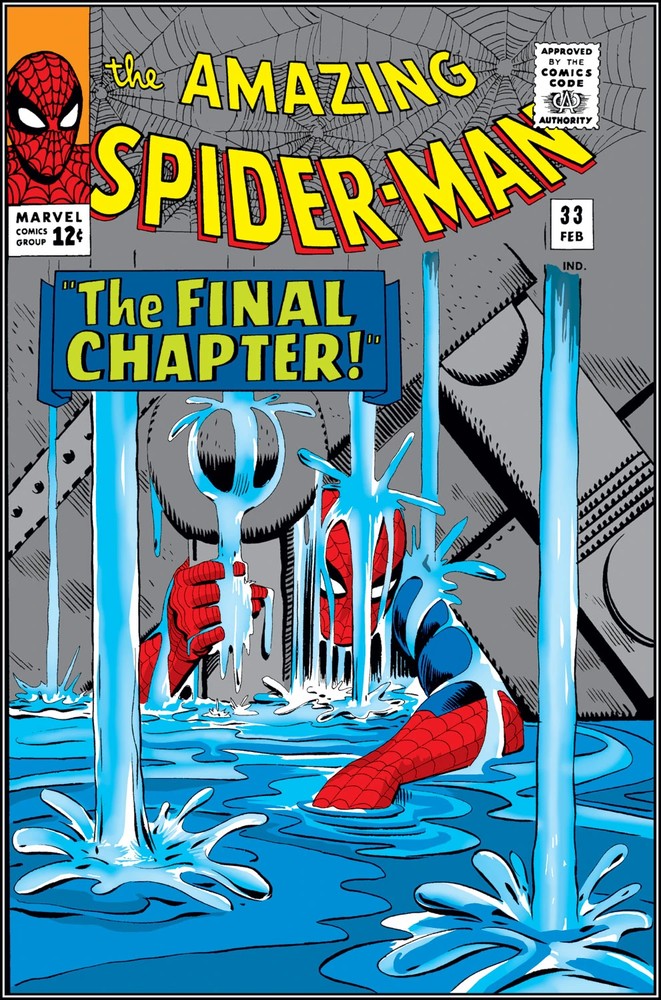
Take the modern starting point →Lee and Ditko’s three-issue Master Planner sequence shows why Peter’s inner struggle remains as important as the villain outside the window.
Go straight to a classic →Find a collection you can finish ↓Choose a budget and a purpose ↓
Peter begins as a clever, isolated teenager whose new powers initially look like an escape from the life he has. The death of Uncle Ben turns that escape into an obligation. The origin’s force comes from the connection between a decision and its consequences: Peter has to live with a moment when he could have acted differently.
Lee and Ditko’s early stories keep that lesson under pressure. Aunt May needs him. School and work require him to turn up. The city needs Spider-Man at precisely the wrong time. He can lift something impossibly heavy while remaining unable to pay a bill or explain an absence. The humour belongs inside that pressure; the jokes are often part of how he keeps moving.
Ditko gives Peter’s world angular tension, expressive hands, uneasy rooms and a physical vocabulary that makes the mask feel alive. Romita Sr.’s arrival later brings a different warmth and glamour to the supporting cast. Those changes help explain why collectors can feel strongly attached to particular eras without needing to declare one version the only valid Spider-Man.
The supporting cast turns a superhero title into a social world. Aunt May, J. Jonah Jameson, Gwen Stacy, Mary Jane Watson, Harry Osborn and Robbie Robertson create commitments and conflicts that persist after a fight ends. A villain can demolish a laboratory in an issue; a conversation in a kitchen can change the direction of several years.
Two beginnings worth separating. Amazing Fantasy #15 is Spider-Man’s first appearance and origin. The Amazing Spider-Man #1 launches his own title. A copy of #1 is a major early milestone, with a different historical role from the actual debut.
The responsibility maxim belongs to the original origin’s closing narration. Later retellings and adaptations have strongly associated it with Uncle Ben. When discussing the 1962 comic itself, preserve that distinction: the familiar lesson is present, while its presentation differs from the version many people remember from the screen.
This is useful throughout Spider-Man collecting. Films can lead you towards a character or a costume; the issue in front of you has its own publication history. Let each version tell you what it actually contains.
A map of the publishing landscape. Choose an era for its storytelling, artwork or collecting project, then explore at your own pace.
Dates describe publication periods. Cover dates and actual release dates can differ, and later stories frequently revisit earlier events.
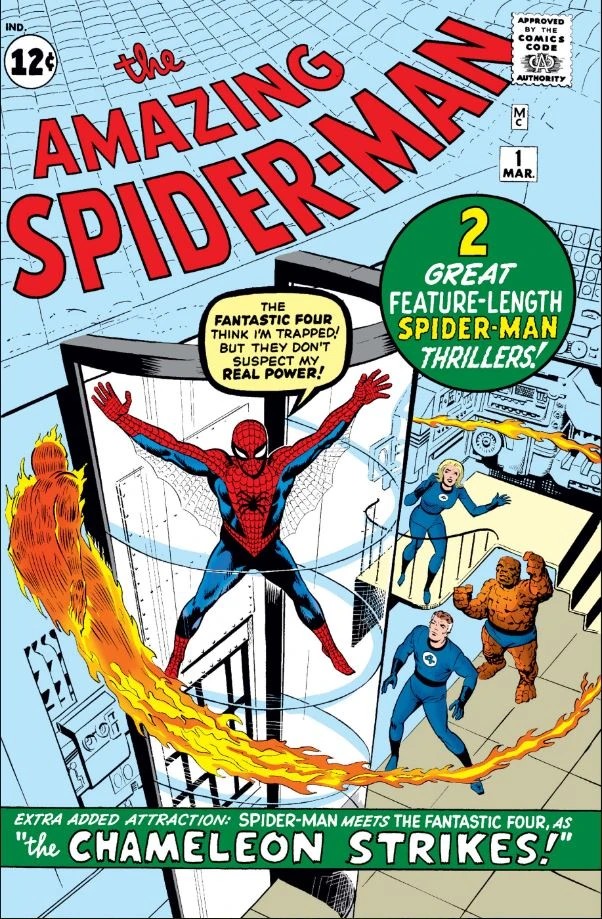
Amazing Fantasy #15 leads into The Amazing Spider-Man. School life, money worries and an extraordinary succession of villains establish the essential vocabulary. The first annual introduces the Sinister Six.
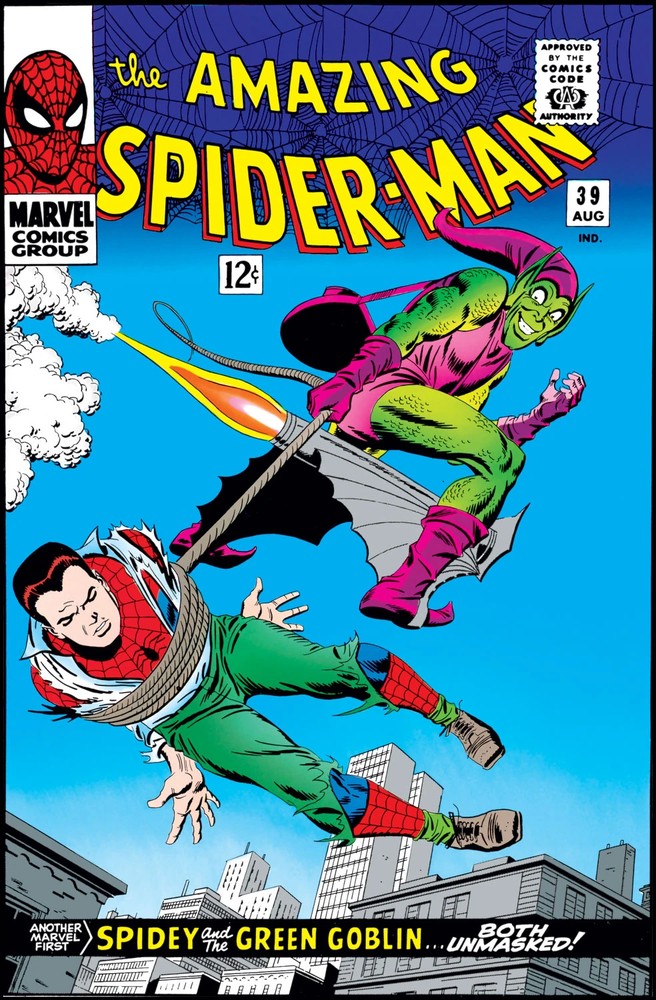
John Romita Sr.’s visual influence becomes central. College, romance, the Osborn family and the Kingpin expand the social and criminal landscape. The series increasingly feels like a place with lives continuing outside the panels.
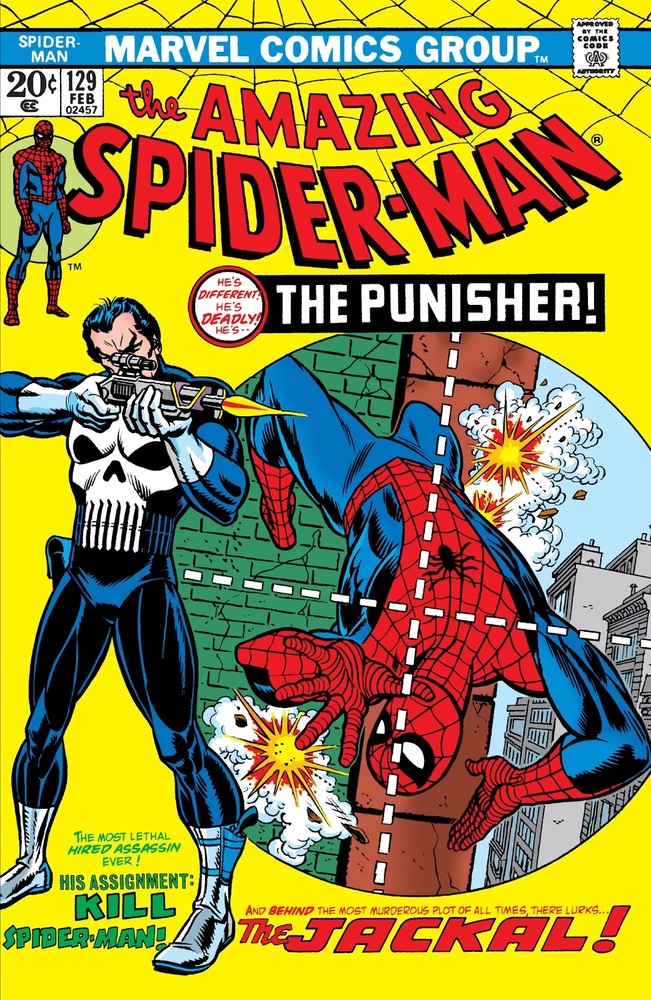
Gerry Conway’s period includes Gwen Stacy’s death and the introduction of the Punisher. Marvel Team-Up and the 1976-launched Peter Parker, The Spectacular Spider-Man widen the places collectors can follow Peter.
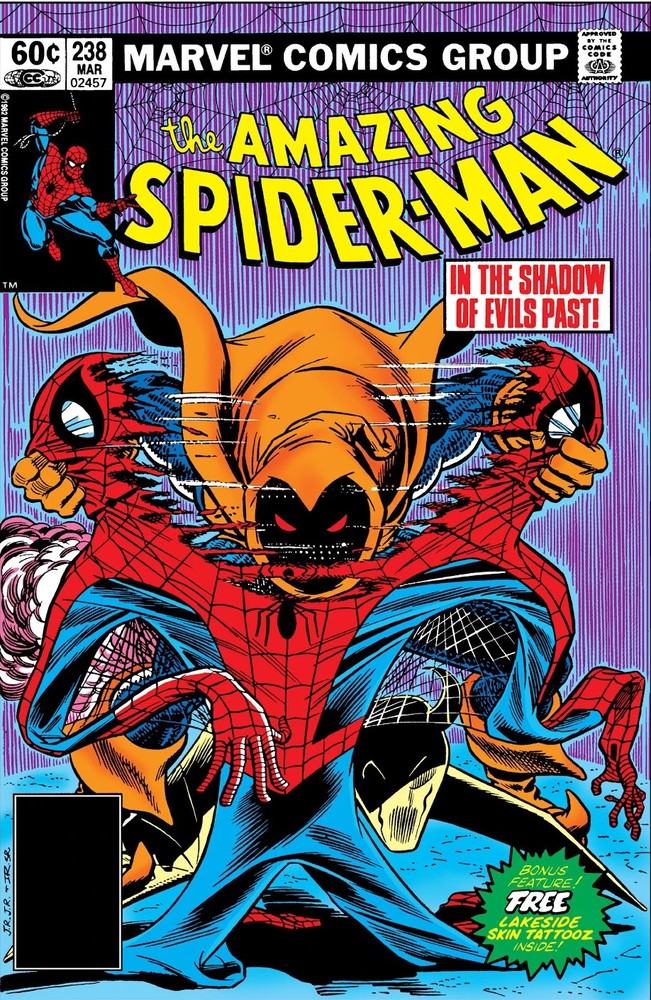
Roger Stern and John Romita Jr. give the ongoing a rich period of mystery and character work. The black costume, Hobgoblin, The Death of Jean DeWolff, Kraven’s Last Hunt and Venom create several overlapping collecting routes.
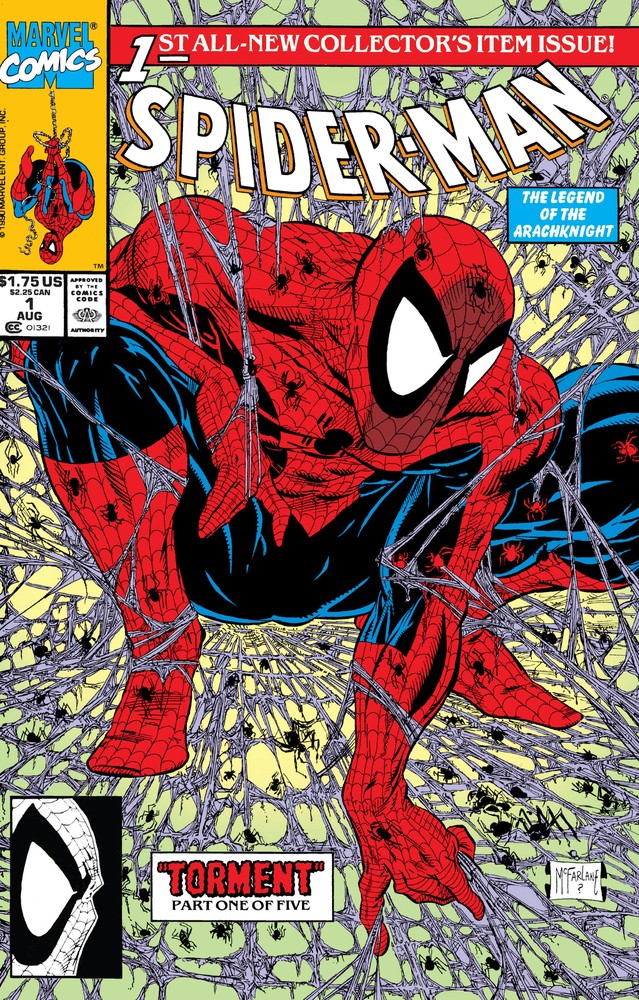
McFarlane’s Spider-Man launch, later symbiote stories, the Clone Saga and the arrival of Spider-Man 2099 broaden the range. Follow individual stories and creators to keep a large period manageable.
The original Ultimate Spider-Man offers a separate Peter Parker continuity. Coming Home and Spider-Man: Blue approach the established character from very different directions.
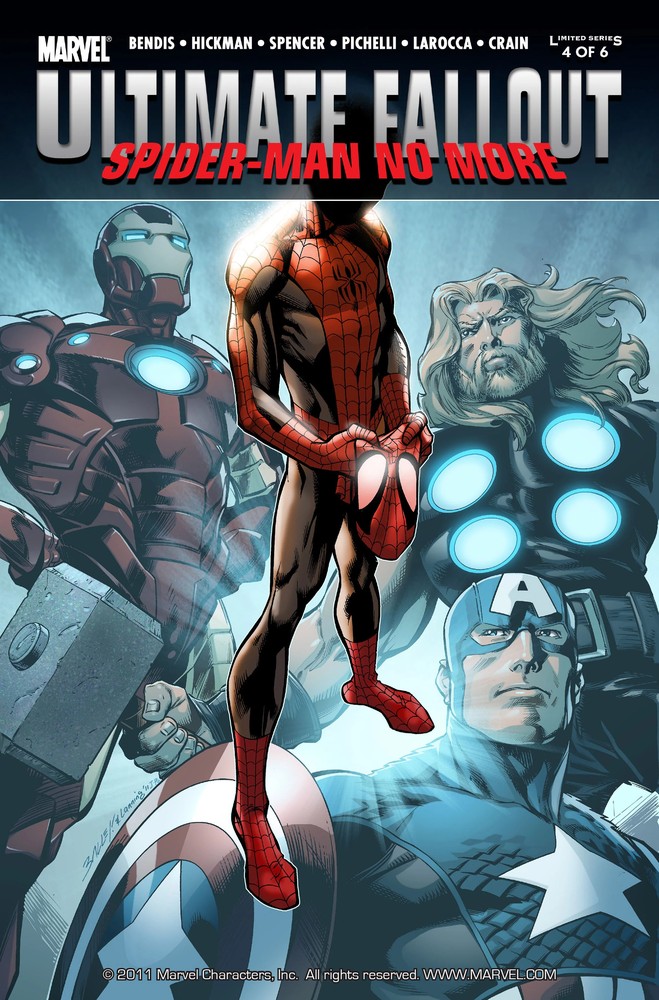
Miles Morales, the alternate Gwen Stacy, Silk and Spider-Verse develop distinct lives beneath related imagery. Relentless relaunch numbering makes the series year increasingly useful in a collector’s records.
Creator runs give a Spider-Man collection a strong shape. They also teach your eye to recognise how differently the same person can move. A crouch, a web pattern, the shape of a lens or the city beneath him can identify an interpretation before you read the credits.
The early stories combine personal pressure, expressive physicality and an uneasy city. Ditko’s visual storytelling is essential to the character’s creation and development.
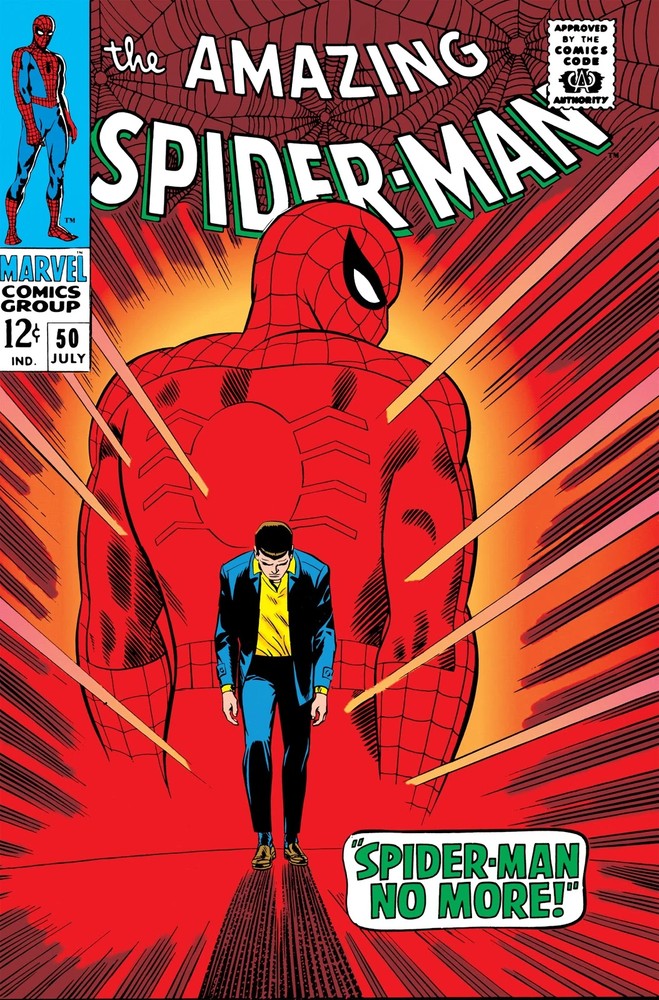
Romance, confidence and a memorable supporting cast take on a new visual presence. His editorial and artistic influence reaches beyond the issues he personally pencils.
The Juggernaut confrontation and the Hobgoblin period reward attention to pacing, ordinary lives and the difficult business of being useful.
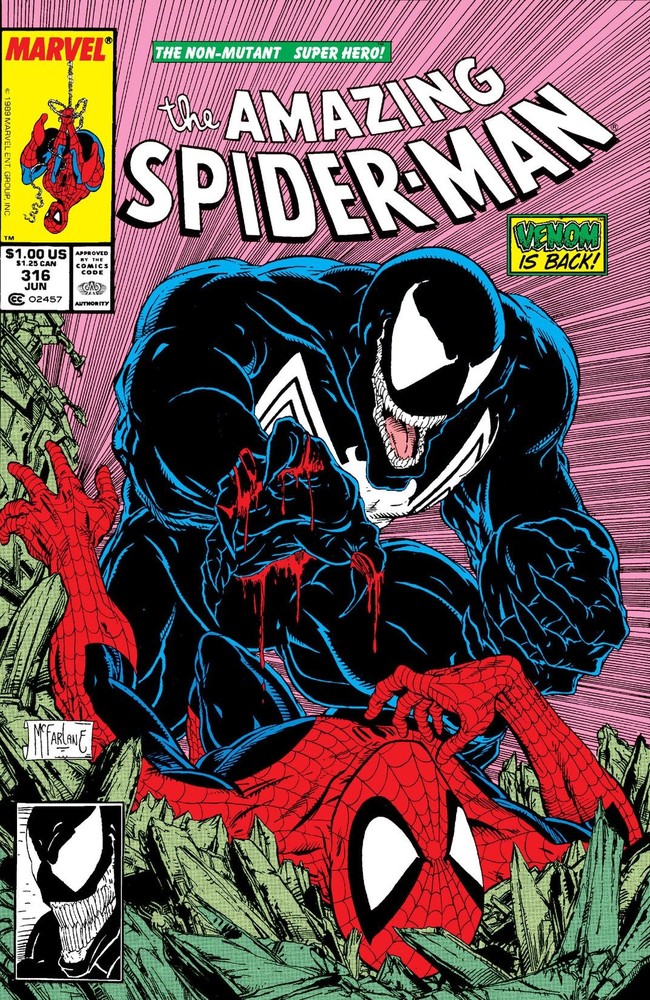
Large lenses, elaborate webs and elastic poses make the figure feel immediately different. His work offers an obvious artist-led project across Amazing and the 1990 solo launch.
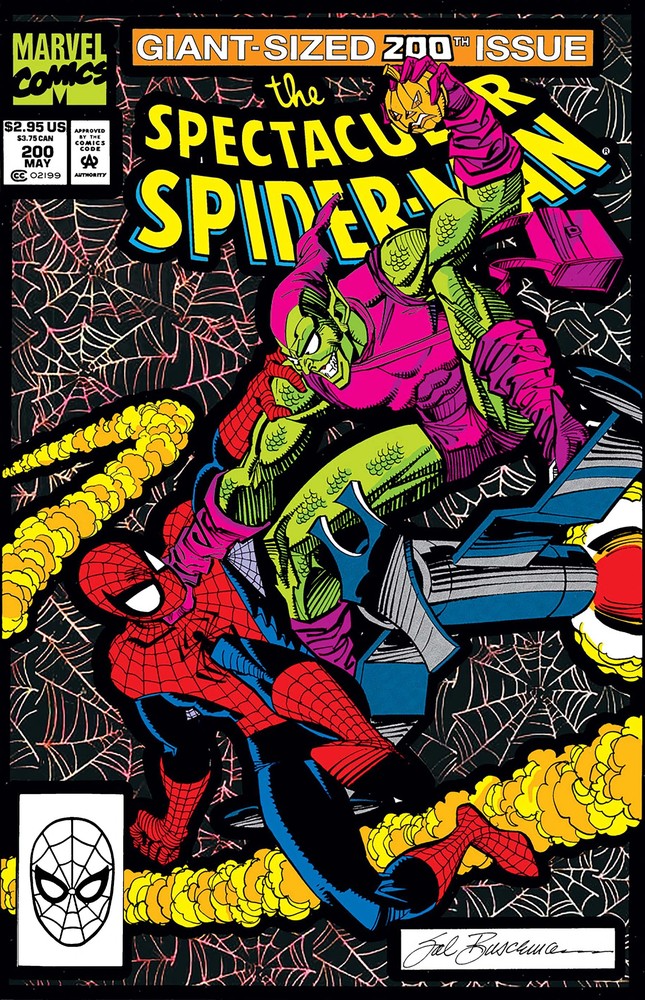
Their Spectacular work shows how rewarding the companion title can be for psychological storytelling and sustained relationships.
The original Ultimate Spider-Man gives a new Peter space to develop across school, family and superhero life.
Writers and artists rarely work alone. Inkers, colourists, letterers and editors shape the final page, while a striking cover may be by someone who does not draw the story inside. If the artwork is your reason for buying, record both the cover artist and the interior team.
Begin with a short, identifiable sequence. Compare a Ditko city scene, a Romita conversation and a McFarlane rooftop pose. You are learning the visual language of your collection, which is often more useful than memorising a list of expensive issues.
Green Goblin first appears in The Amazing Spider-Man #14. Norman Osborn’s connection to Peter’s social world turns the threat into something that can cross the boundary between costume and private life. Wealth, authority, family and a carefully maintained public image become part of the menace.
The Goblin history is larger than one revelation or one death. Early appearances, the identity material in #39–40 and the events of #121–122 each perform a different role. A thoughtful collection can trace the escalation rather than gathering green covers without context. Harry Osborn and later bearers of the identity add further branches; identify which Goblin a particular story features.
Otto Octavius arrives in Amazing Spider-Man #3. His design turns a scientist into a remarkably readable silhouette: the mechanical arms can threaten an entire panel while his human body barely moves. The conflict also puts Peter opposite another brilliant mind whose relationship with responsibility has gone somewhere very different.
Doc Ock’s history runs from early confrontations through the Sinister Six to Superior Spider-Man. That later premise changes the meaning of control so radically that it helps to know the established rivalry first. For a focused shelf, pair an early Ock reprint with the original Superior opening and see how a familiar antagonist becomes a question about identity.
Venom makes Spider-Man’s own visual language threatening. The white spider, the eyes and the relationship with Peter’s former alien costume turn recognition into unease. Eddie Brock and the symbiote together produce a character with a separate history, rather than a new colour scheme for Peter.
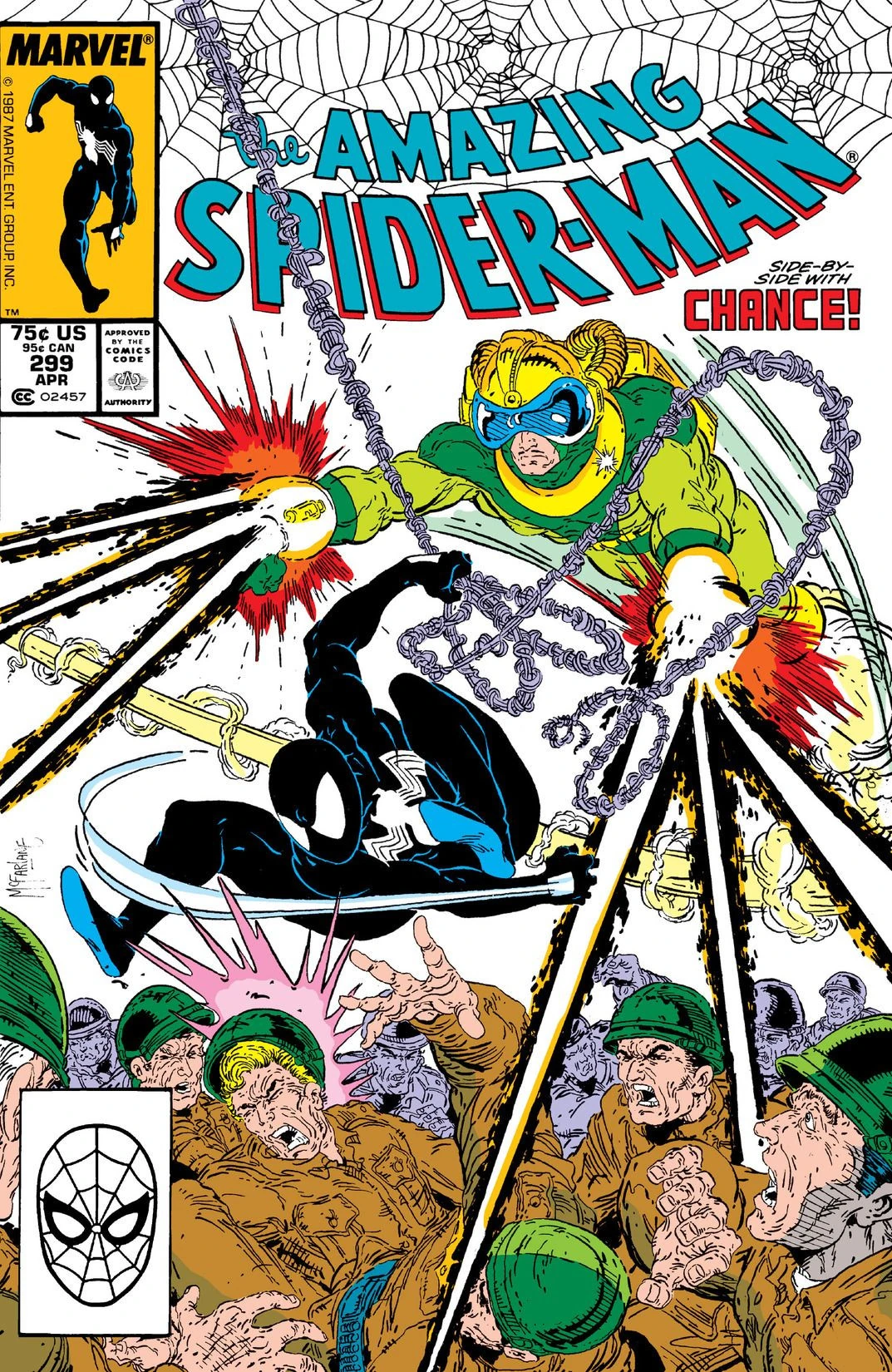
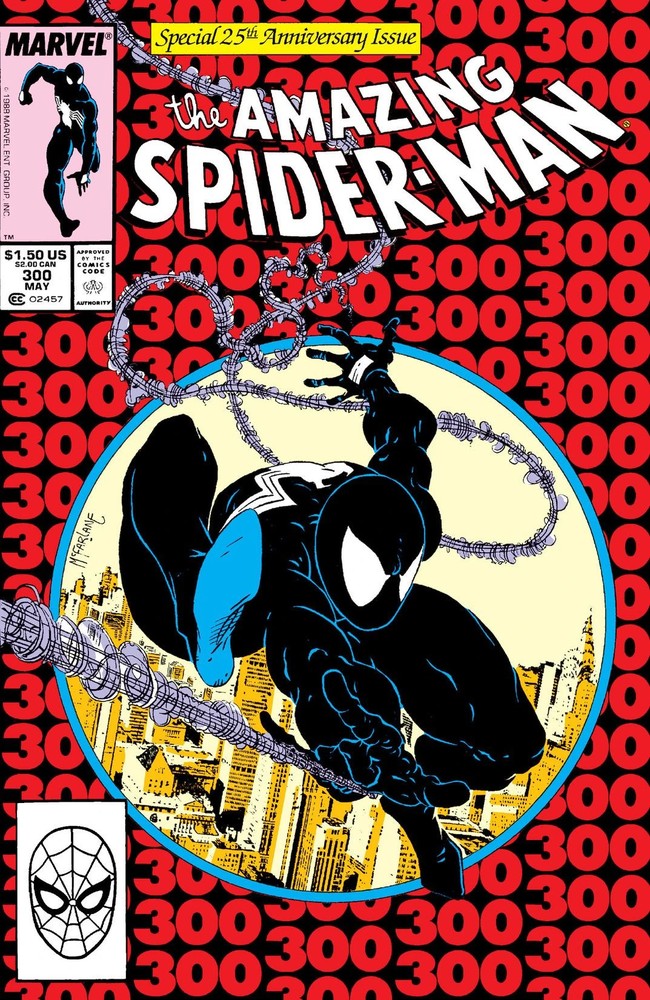
Amazing Spider-Man #299 contains Venom’s cameo reveal; #300 delivers the first full appearance. #298 belongs to the lead-in and begins McFarlane’s work on the title. All three can form a satisfying small sequence, with clear descriptions of their different collecting roles. The black suit’s earlier history deserves its own section below.
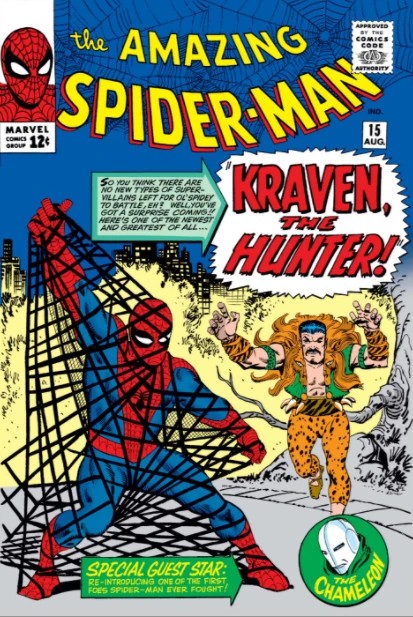
Kraven’s idea of victory makes Kraven’s Last Hunt deeply unsettling. It is a story about obsession, identity and what it means to prove superiority.
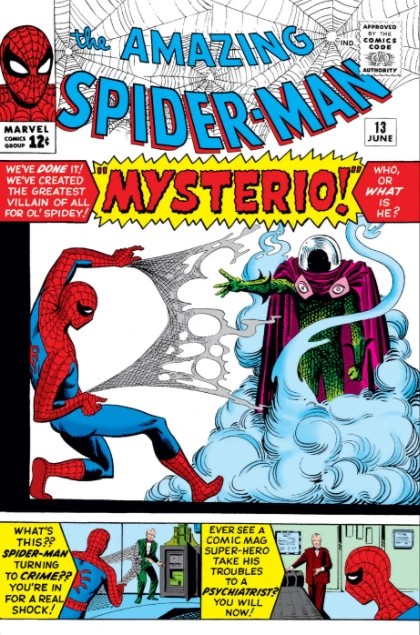
Illusion and theatricality let Spider-Man stories play with the reliability of their own images. Mysterio makes an especially colourful cover-led collecting route.
Kingpin, the Vulture, the Shocker and other grounded threats remind readers that Peter’s world includes neighbourhoods as well as cosmic events.
A debut establishes history; a later defining story explains character; a great cover offers a visual centre. You can choose one of each for a small collection that has depth without requiring every appearance. Black Cat adds another useful complication: Felicia Hardy moves through attraction, crime and heroism rather than settling comfortably into a permanent villain label.
| Character | Publication landmark | Useful distinction |
|---|---|---|
| Vulture | Amazing Spider-Man #2 | Adrian Toomes, the original Vulture. |
| Doctor Octopus | Amazing Spider-Man #3 | Otto Octavius’s debut. |
| Sandman | Amazing Spider-Man #4 | Flint Marko’s debut. |
| Lizard | Amazing Spider-Man #6 | Curt Connors and the Lizard. |
| Electro | Amazing Spider-Man #9 | Max Dillon’s debut. |
| Mysterio | Amazing Spider-Man #13 | Quentin Beck as Mysterio. |
| Green Goblin | Amazing Spider-Man #14 | The costumed identity arrives before the later Norman reveal. |
| Kraven | Amazing Spider-Man #15 | The hunter’s original appearance. |
| Scorpion | Amazing Spider-Man #20 | The costumed Scorpion; Mac Gargan appears earlier in #19. |
| Rhino | Amazing Spider-Man #41 | The original Rhino’s debut. |
| Kingpin | Amazing Spider-Man #50 | Wilson Fisk enters through Spider-Man before his defining Daredevil association. |
| Black Cat | Amazing Spider-Man #194 | Felicia Hardy’s debut. |
| Hobgoblin | Amazing Spider-Man #238 | Check the original copy’s insert and completeness. |
| Venom | Amazing Spider-Man #299 / #300 | Cameo reveal / first full appearance. |
The different titles give Peter more room to live. Their numbering runs separately, so the title is as important as the number on the cover.
The original solo title begins in 1963 and holds many of the major historical milestones. Later launches and legacy numbering mean “ASM #1” needs a series year attached.
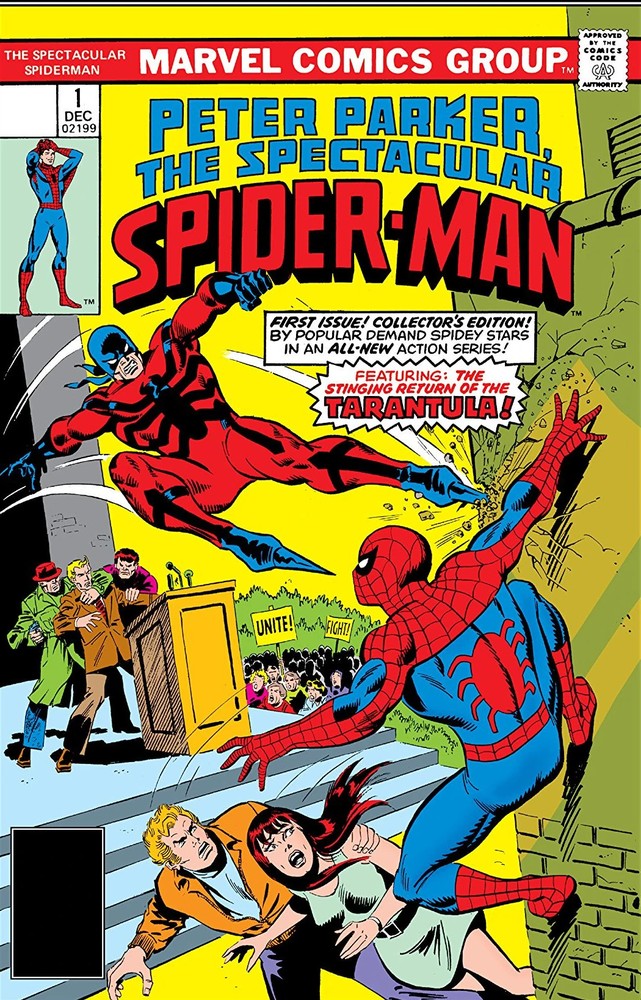
The monthly title begins in 1976 and provides important character work and complete stories. Do not confuse it with the separate two-issue 1968 magazine called The Spectacular Spider-Man.
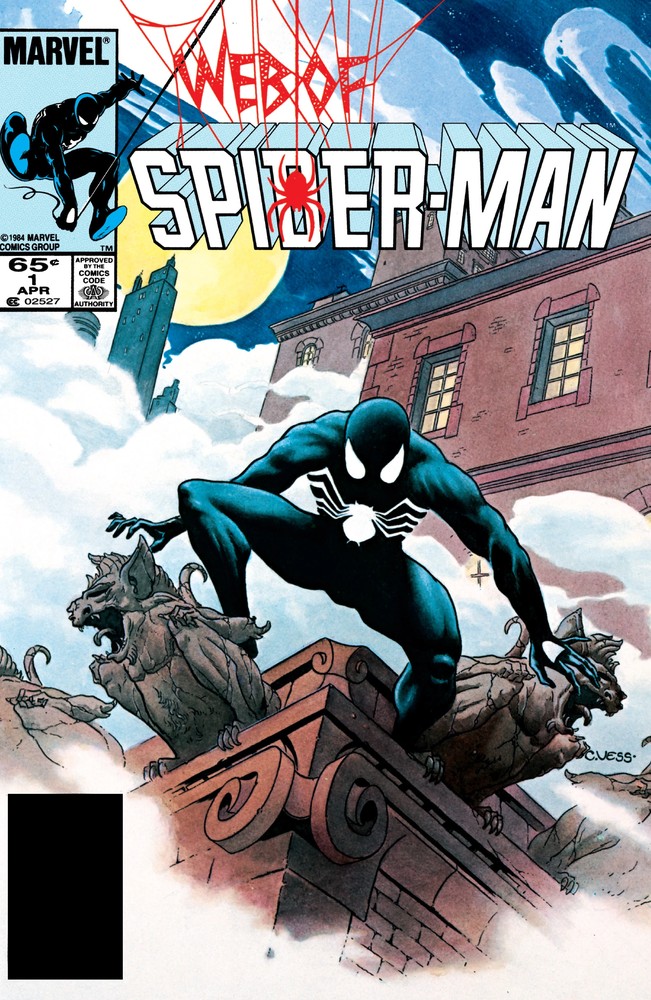
The 1985 series provides its own stories and significant crossover chapters. Its first issue belongs to the black-suit history and makes a striking display piece.
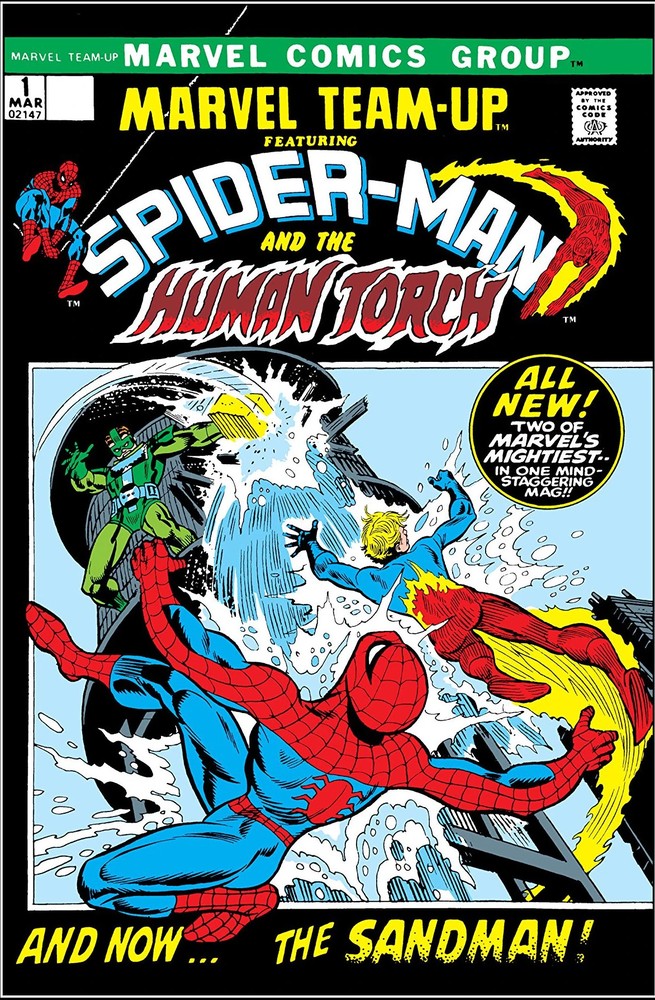
The original 1972 series frequently pairs Spider-Man with another Marvel character. It can connect a Peter collection with favourite heroes elsewhere in your boxes.
The adjectiveless 1990 title begins with McFarlane’s Torment. Later titles also use this simple name, so keep “1990 series” in searches and records.
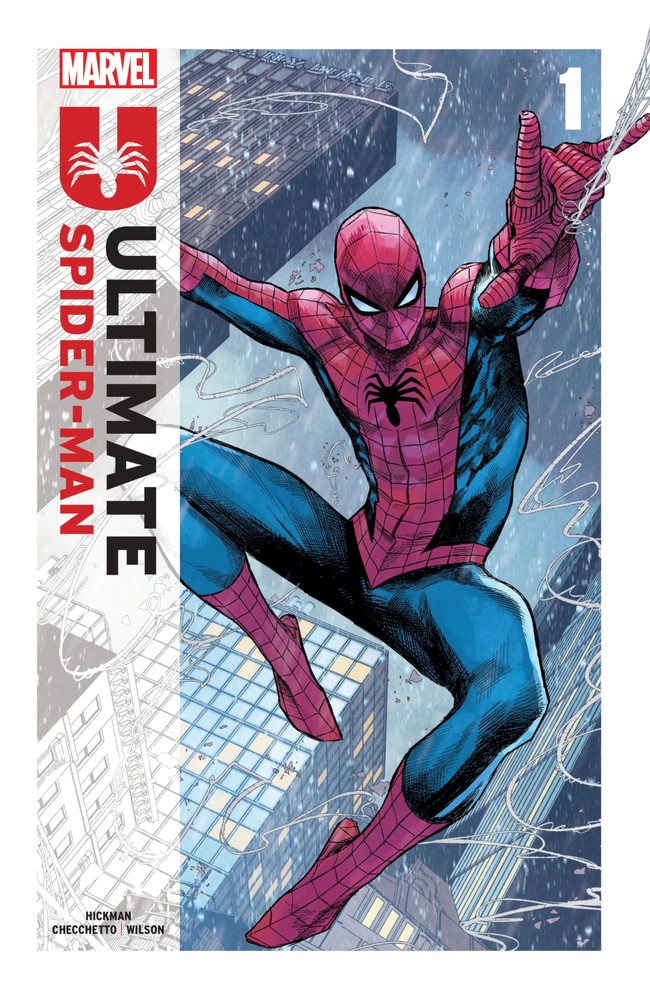
The 2000 Peter Parker series, the 2011 Miles series and the 2024 adult-Peter series belong to different publication contexts. A familiar title does not guarantee the same person or universe.
For a story such as Kraven’s Last Hunt, buying consecutive Amazing issues alone leaves gaps because the chapters move between titles. Write a checklist before shopping. A complete six-book story is often a clearer project than a vague instruction to “collect more Spider-Man”.
Record the exact title, series launch year, issue, printing, cover designation and condition. Add a short collecting reason: “Jean DeWolff chapter three”, “McFarlane interior art” or “first full Venom”. Keep annuals and variants identified separately. Your future self should be able to understand the book without reconstructing an auction description.
Collected editions deserve the same care. A paperback called Venom or Spider-Verse can contain different material from another book with a similar title. The contents page or publisher’s issue list tells you what you will actually be able to read.
The black costume is one of the best examples of why collecting benefits from precise language. The order readers received the comics and the order events happen inside the story are different. Several books matter for reasons you can explain without forcing them into a single first-place label.
The Amazing Spider-Man #252, Marvel Team-Up #141 and Peter Parker, The Spectacular Spider-Man #90 are the May 1984 cover-dated black-suit issues. Peter appears in the costume in these published stories before readers receive its Battleworld origin in Marvel Super Heroes Secret Wars #8 later that year.
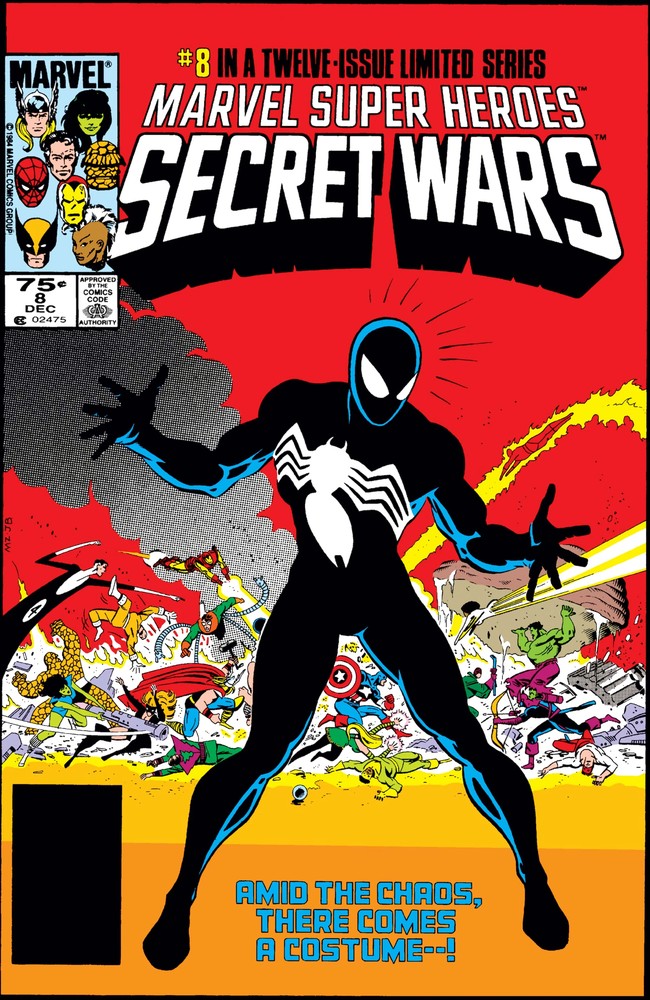
Secret Wars #8 shows Peter obtaining the alien costume. In story chronology, that acquisition precedes the homecoming material. In publication history, the earlier black-suit issues had already reached readers. Calling #8 the origin of the alien suit explains its importance accurately; calling it the first published black-costume appearance erases the books that came before it.
For a cover collector, #8 can still be the emotional centrepiece. Mike Zeck’s image communicates the transformation at a glance. Amazing #252, with its echo of the original debut cover, offers a different kind of visual milestone. You can prefer either image while keeping the publication facts intact.
Eight collecting landmarks, grouped by their role in the story. This is a visual map, rather than a complete bibliography or an issue-by-issue reading order.
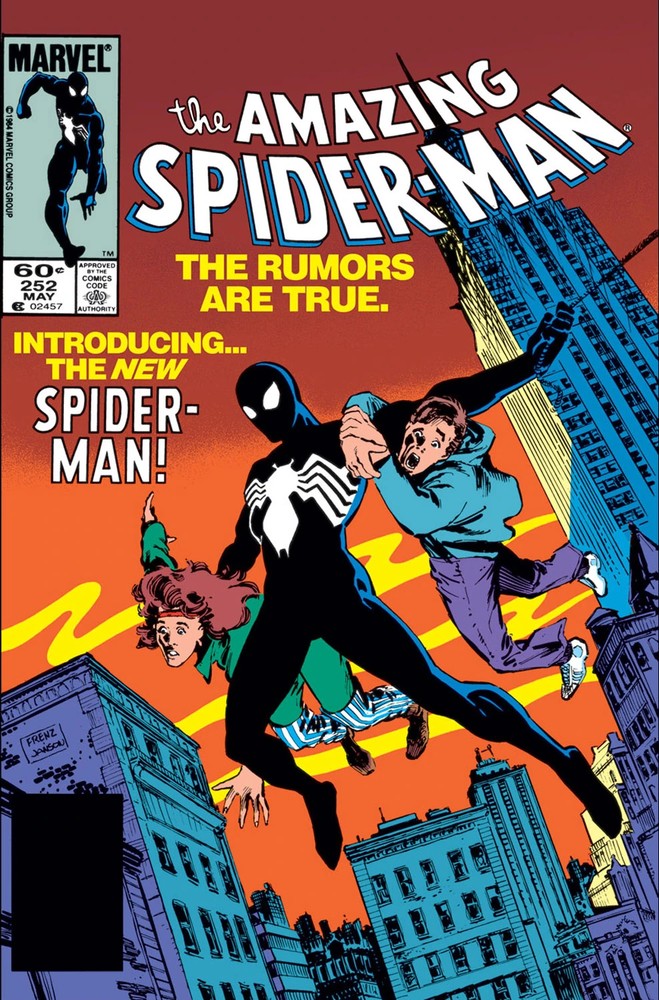
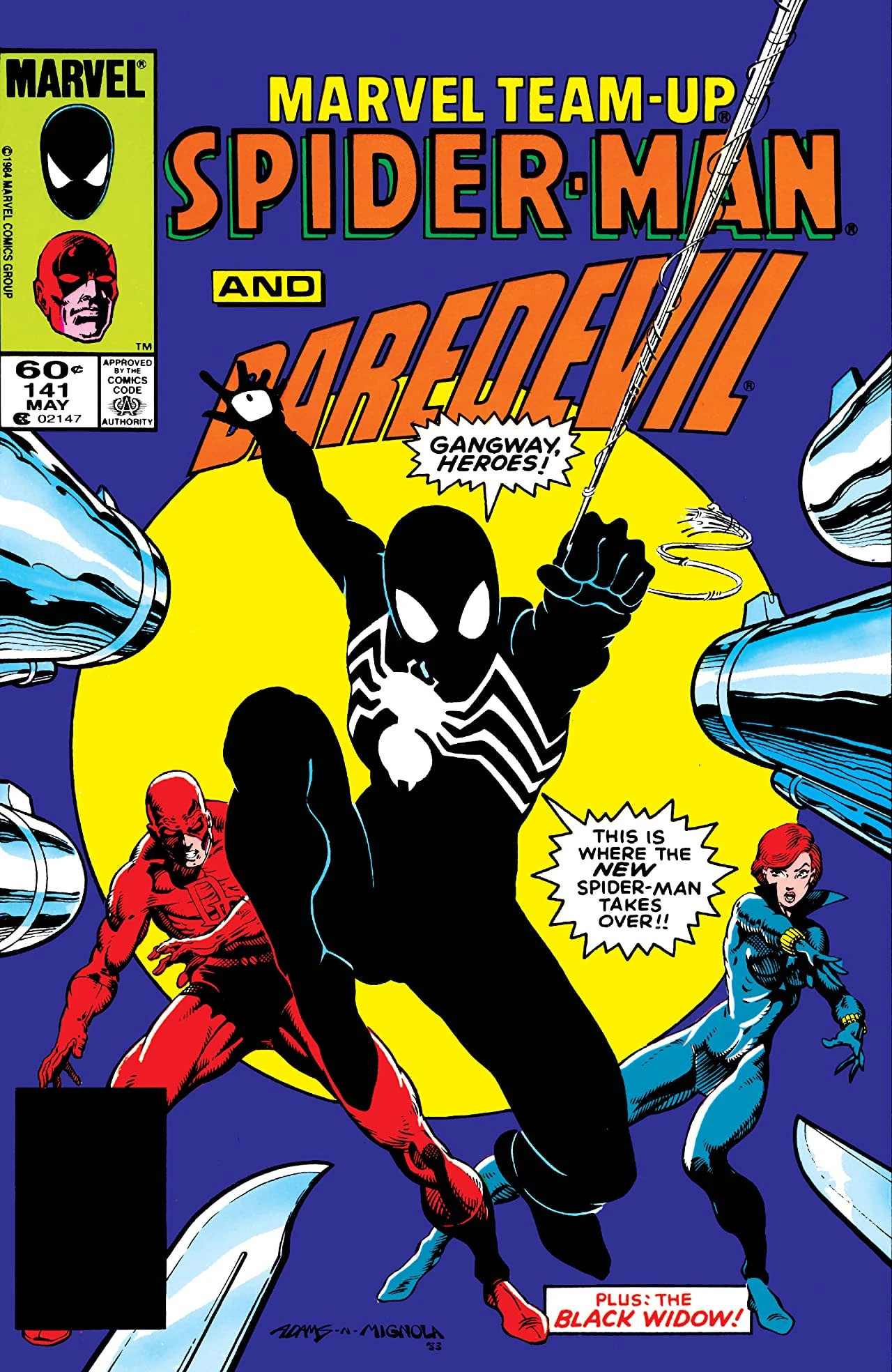
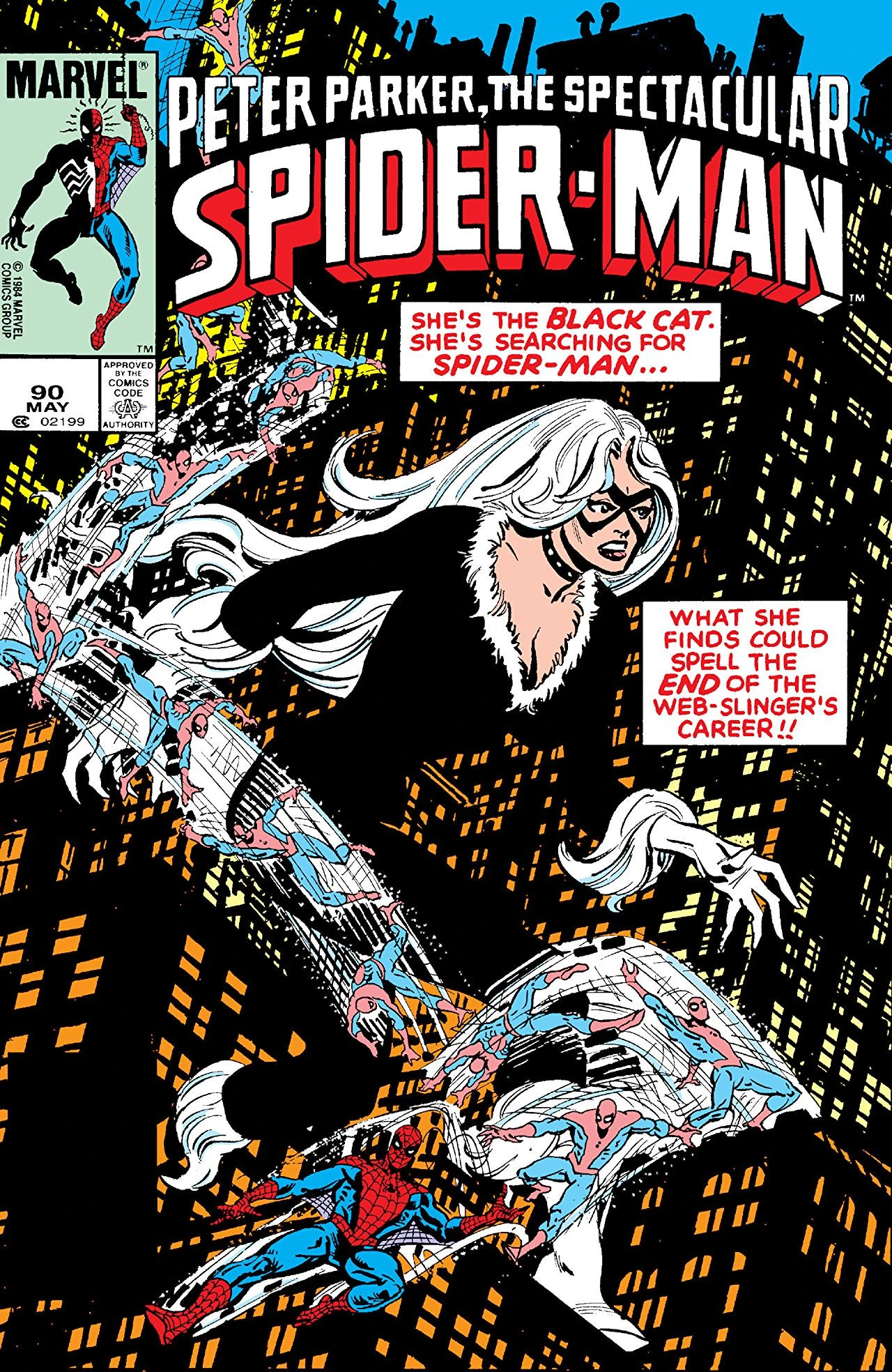
Amazing #252, Team-Up #141 and Spectacular #90 establish the black costume in the regular titles. Their shared cover month is useful; exact on-sale claims need separate evidence.
Peter obtains the alien costume on Battleworld. This is the origin chapter published after the regular titles had already shown him wearing it.
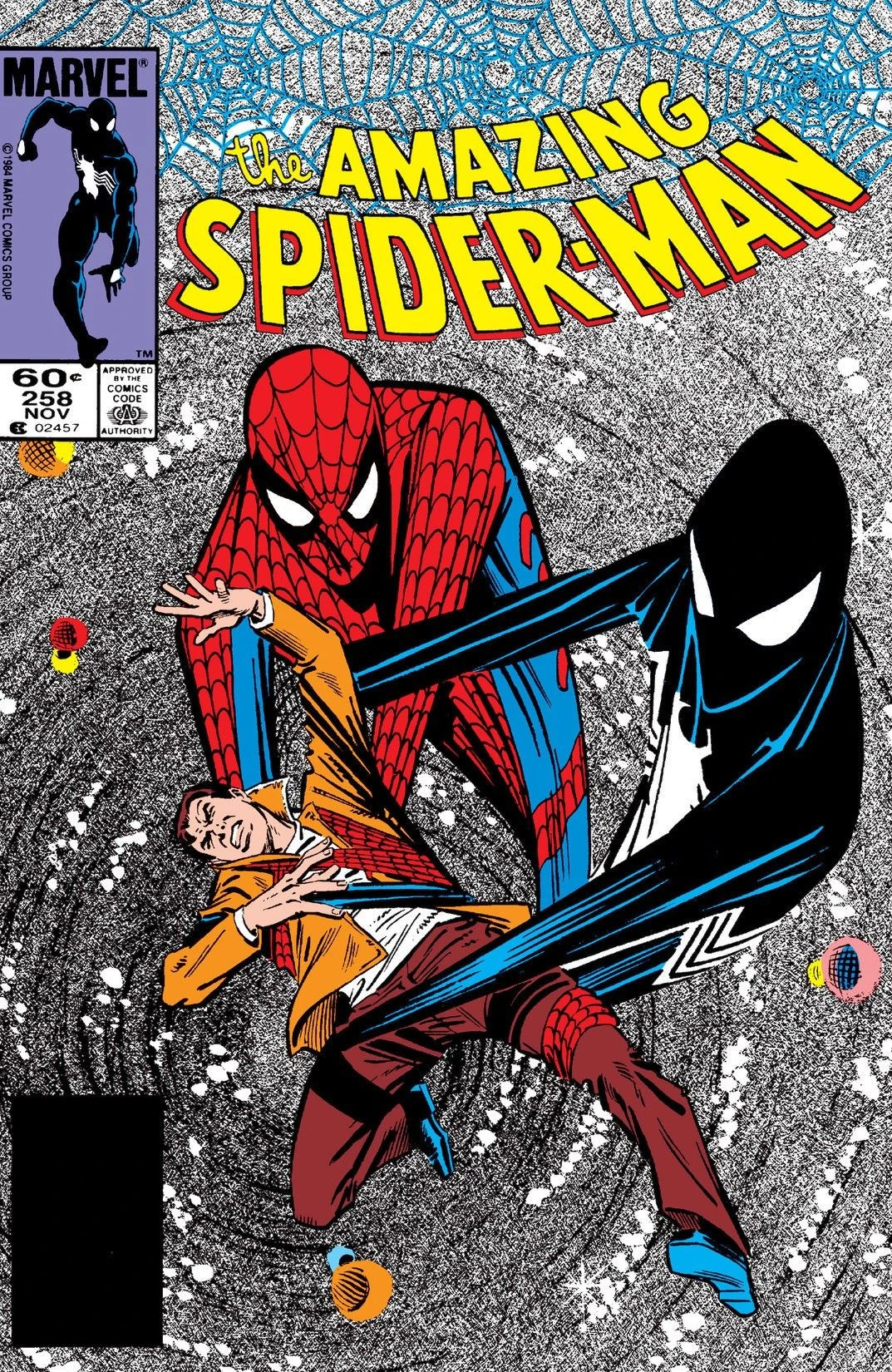
The revelation in Amazing #258 and later developments lead towards a separate character whose cameo and full introduction arrive in #299–300.
The fabric black costume and the living alien symbiote also need distinguishing. Peter can wear a black-and-white design without wearing the alien itself. A black suit on the cover tells you something about the image; the story establishes what is happening underneath it.
Continue through the alien’s separation and return, then the Brock partnership, for a collection with a narrative spine. Our Venom Character File follows that wider history.
The chase feels better with a finish line. Pick the story that speaks to you, see every cover and build the complete run. These are four different ways into Spider-Man, with 21 issues between them.
Covers below follow each story’s reading order. Tick the issues you have and copy a checklist for the next back-issue hunt. Your ticks stay in this browser.
6 chapters · 3 titles · 1987
J. M. DeMatteis · Mike Zeck · Bob McLeod
0 of 6 collected
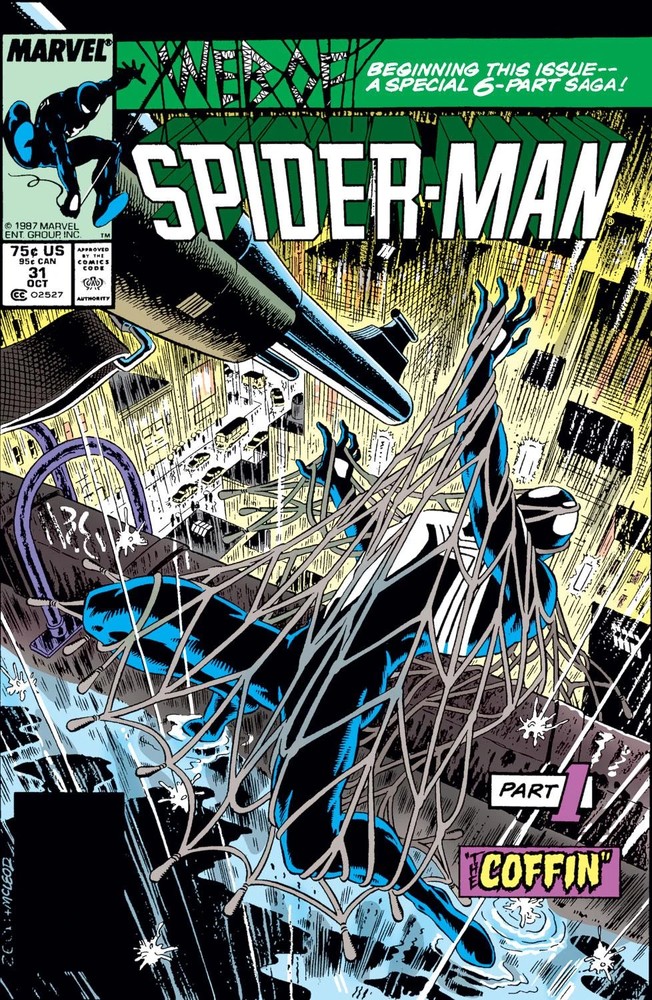
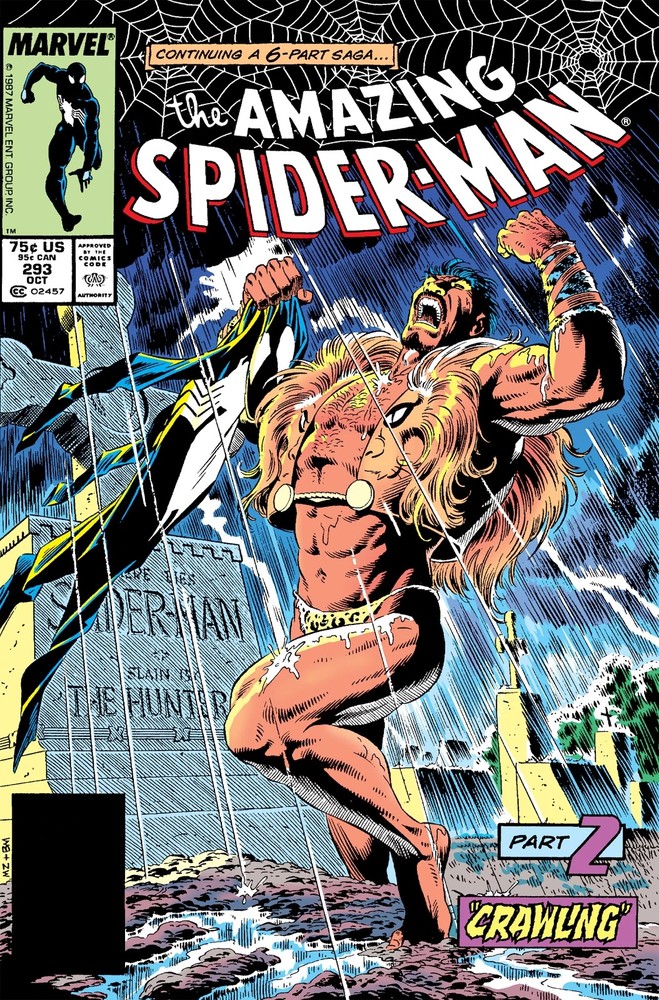
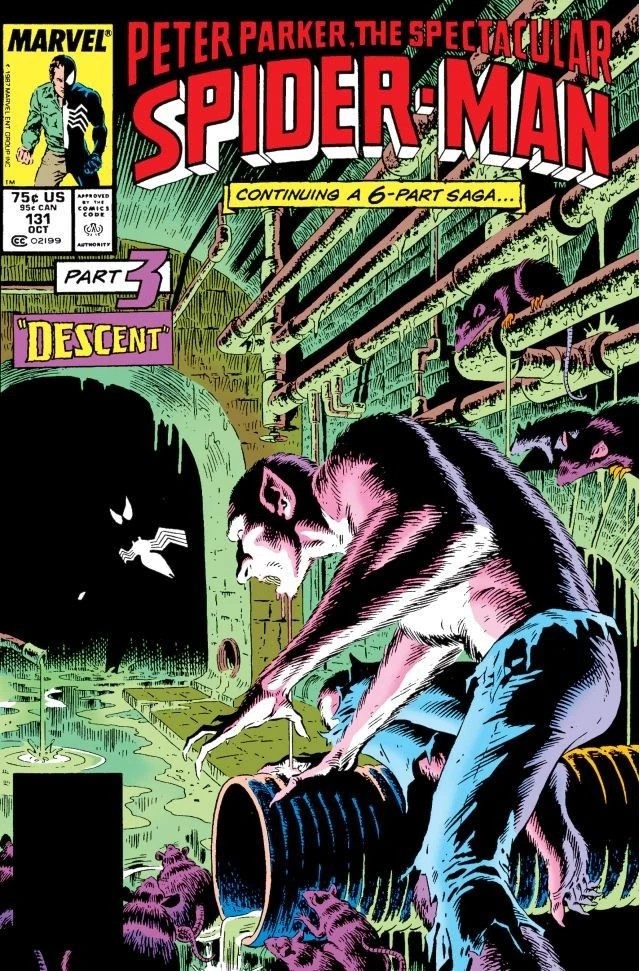
Six comics. Three titles. One relentlessly focused story. Kraven’s attempt to prove himself creates a collection with a beginning, an ending and a visual identity that carries across every chapter. The pleasure is in finding all six, then reading them in the order shown.
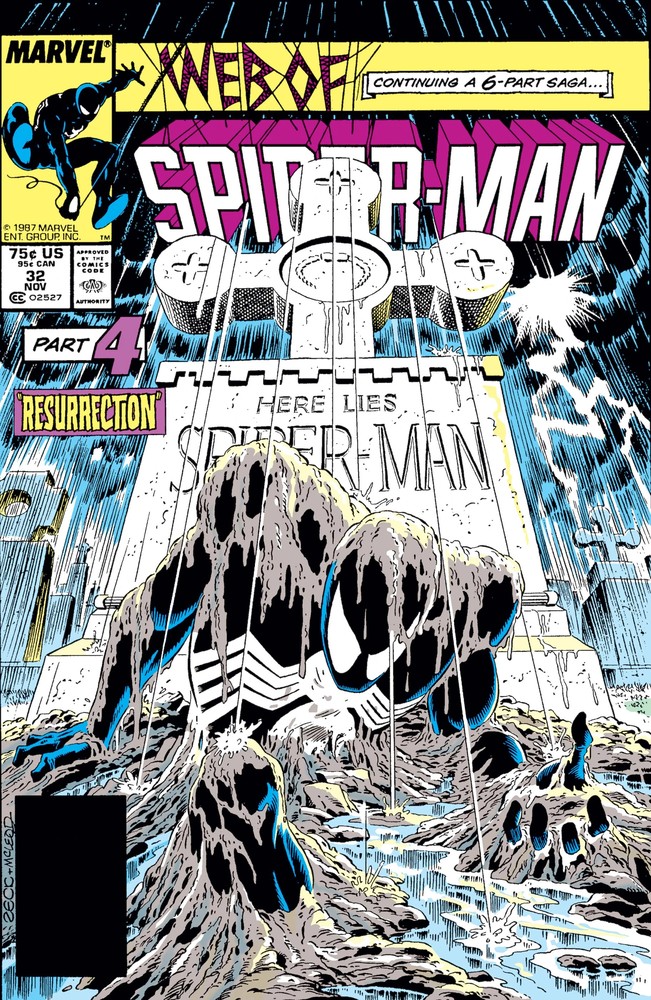
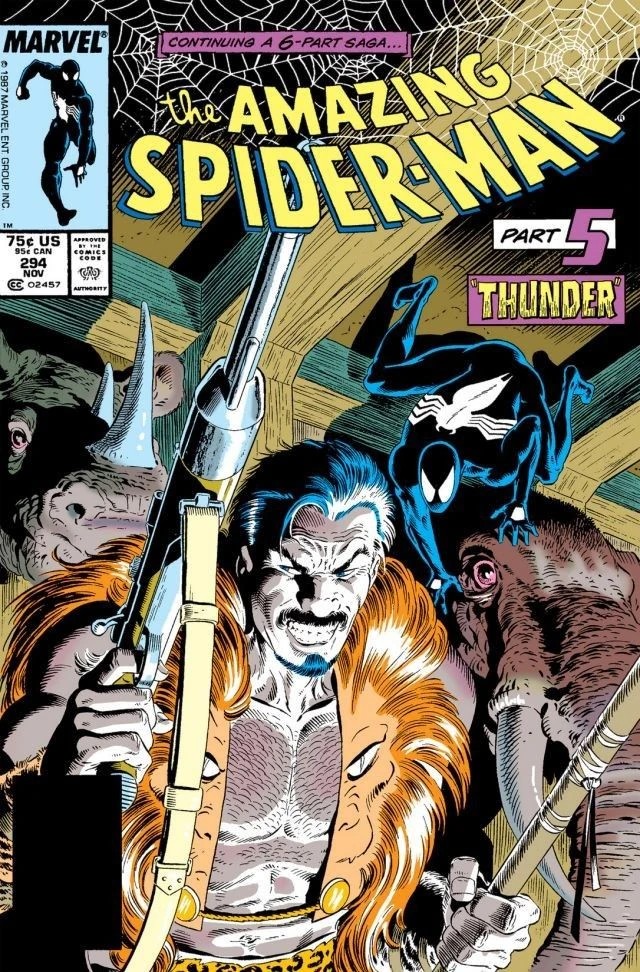
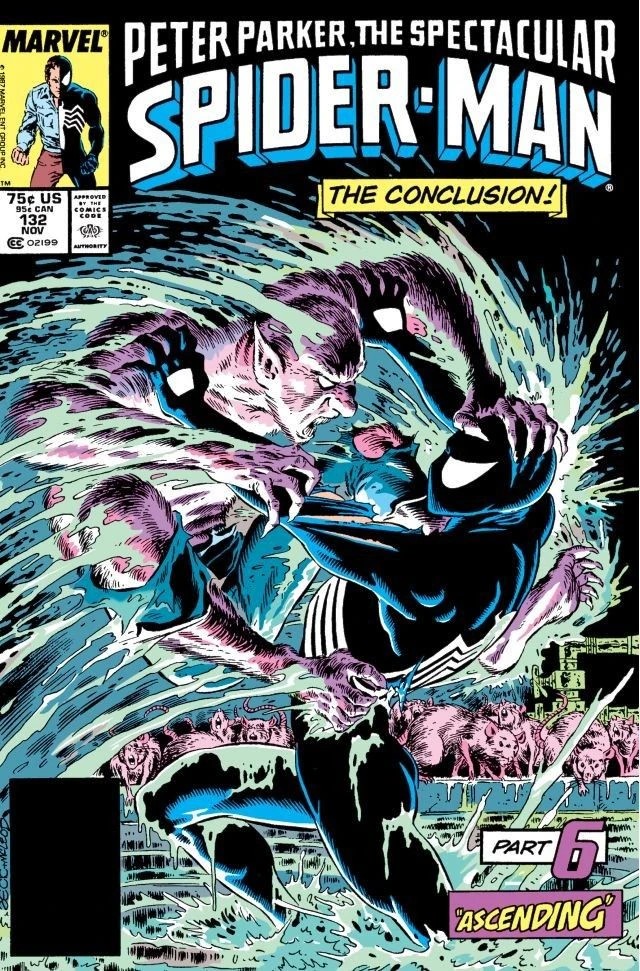
5 consecutive issues · 1990
Todd McFarlane
0 of 5 collected
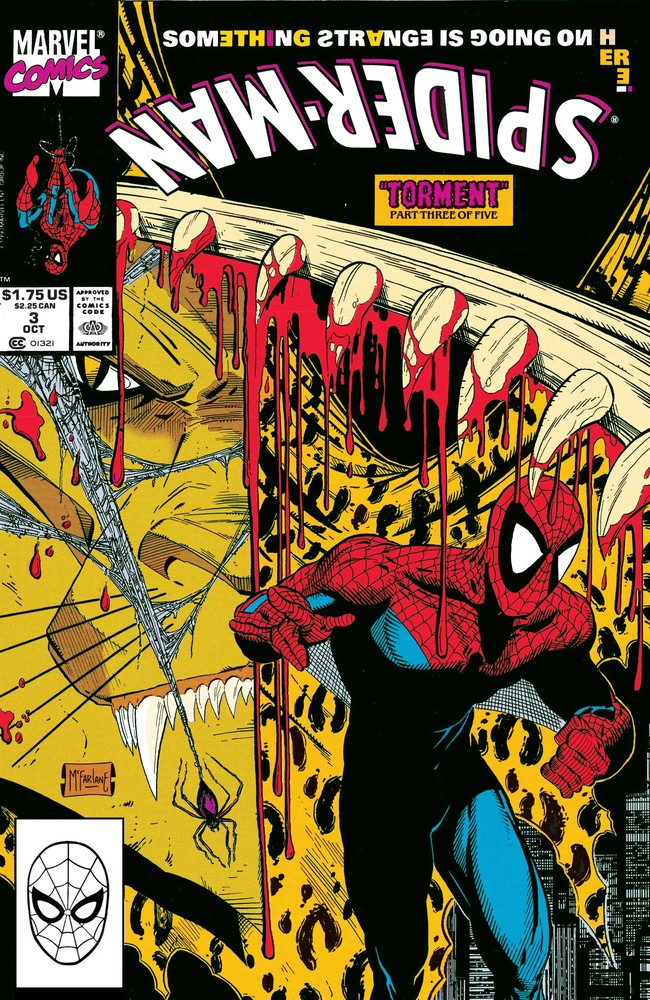
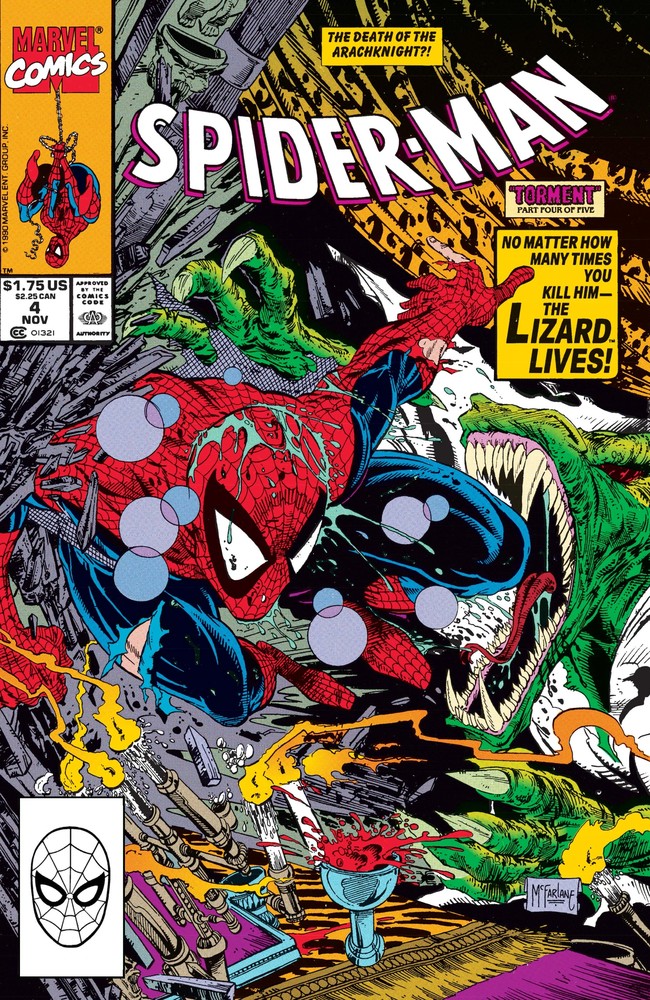
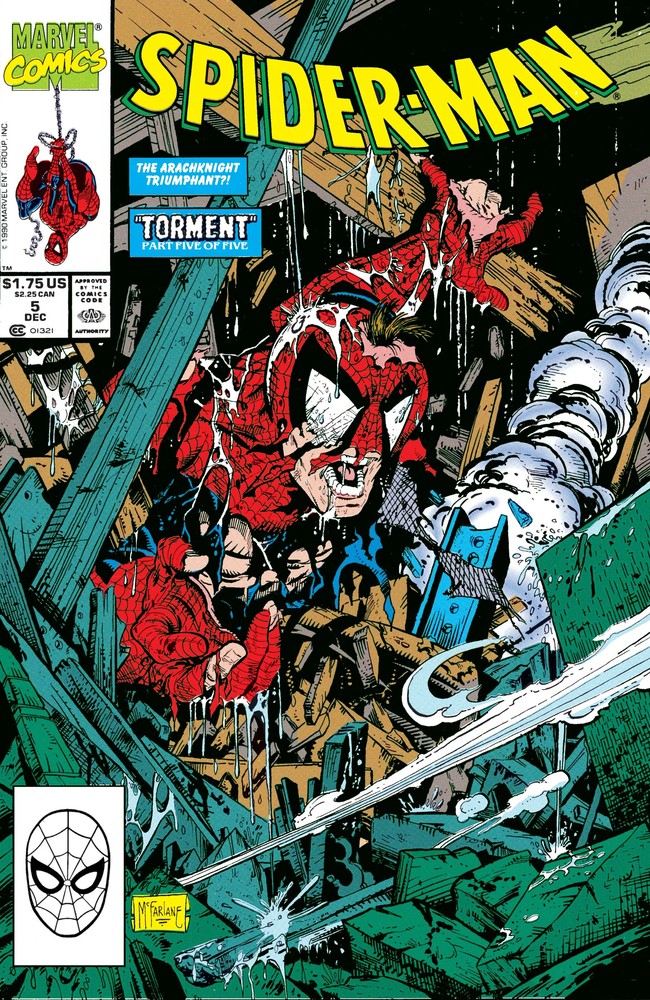
The famous launch cover is only the first step. Spider-Man (1990) #1–5 gives McFarlane’s dense webbing, heavy shadows and feverish Lizard story a complete five-book shape. Side by side, the covers make a display set; in order, they lead into the story that launched the title.
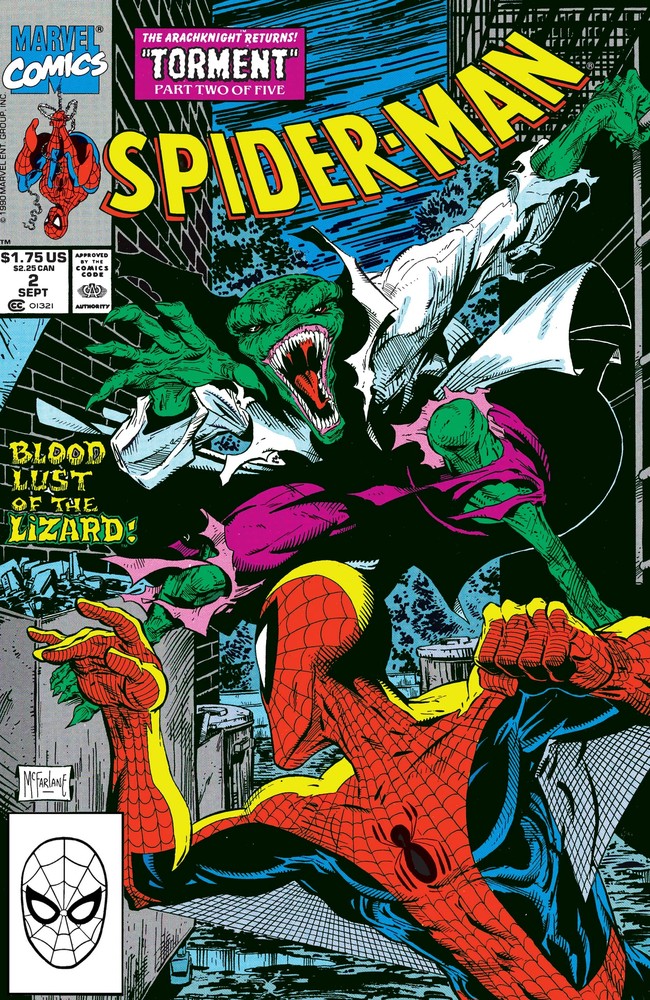
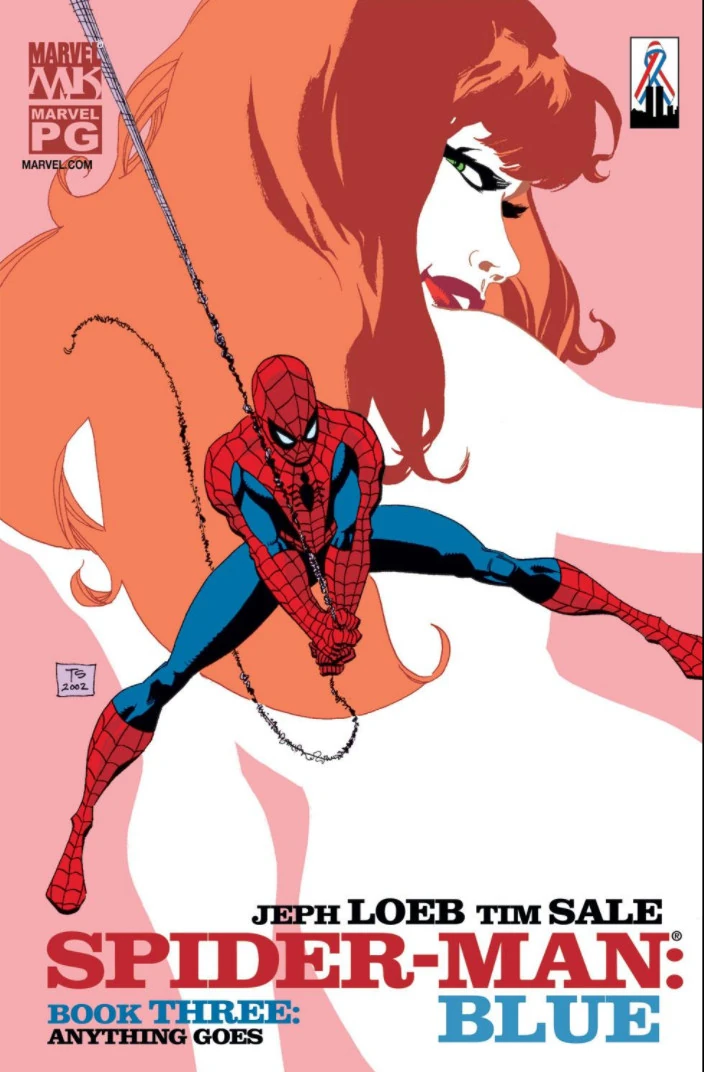
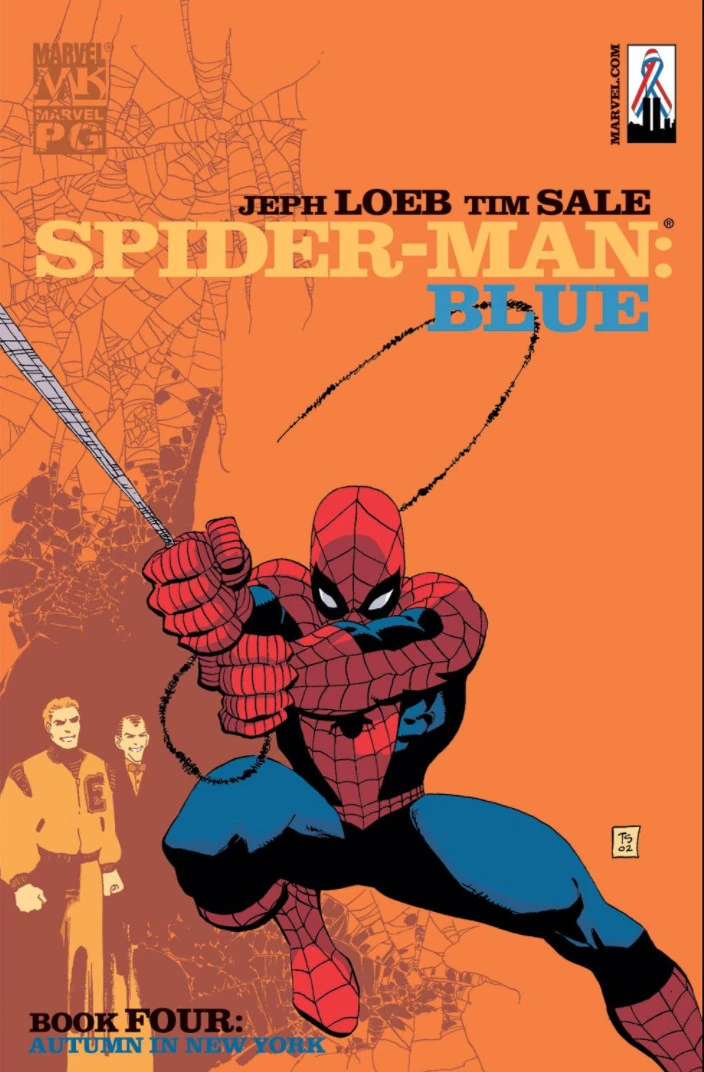
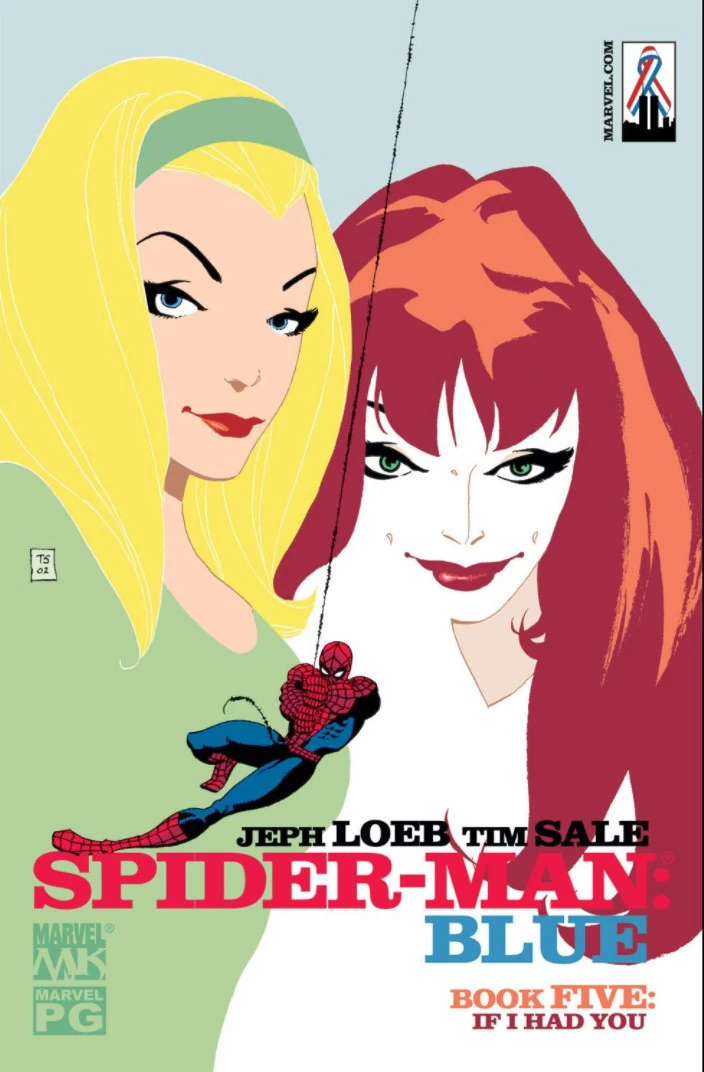
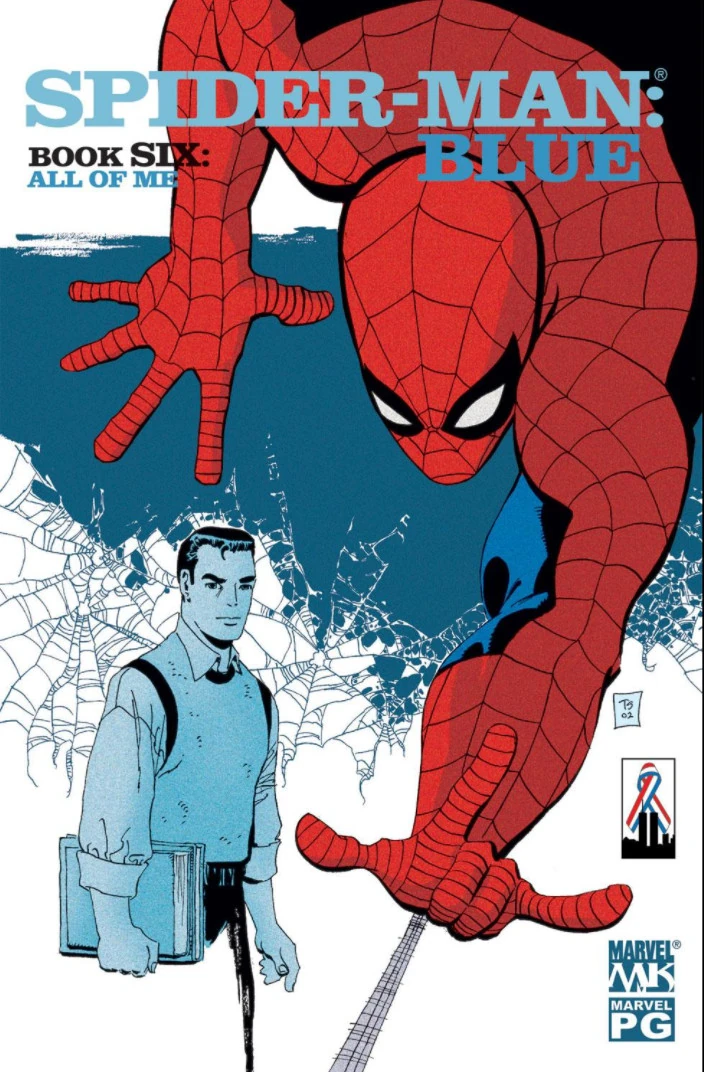
6-issue miniseries · 2002–2003
Jeph Loeb · Tim Sale
0 of 6 collected
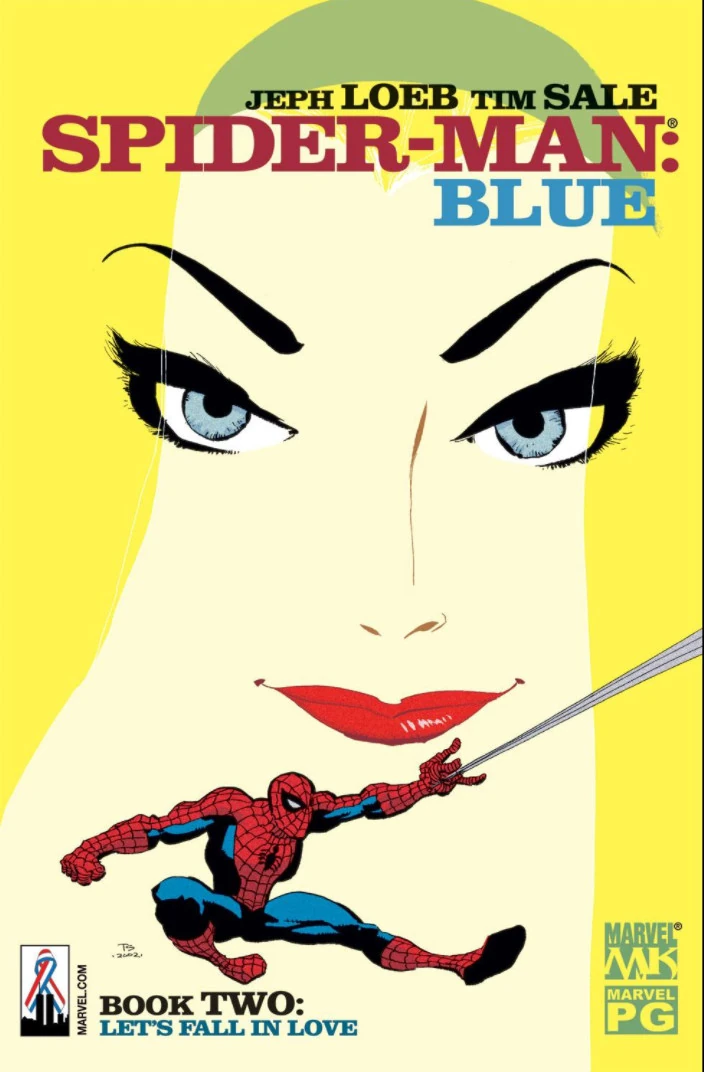
A complete miniseries with a very different rhythm: Peter remembers youth, friendship and the love that shaped his life. Tim Sale’s six covers give this project its own visual language. It is a welcoming route for a reader drawn to the person beneath the mask, and a satisfying small collection to assemble issue by issue.
4 consecutive chapters · 1985–1986
Peter David · Rich Buckler
0 of 4 collected
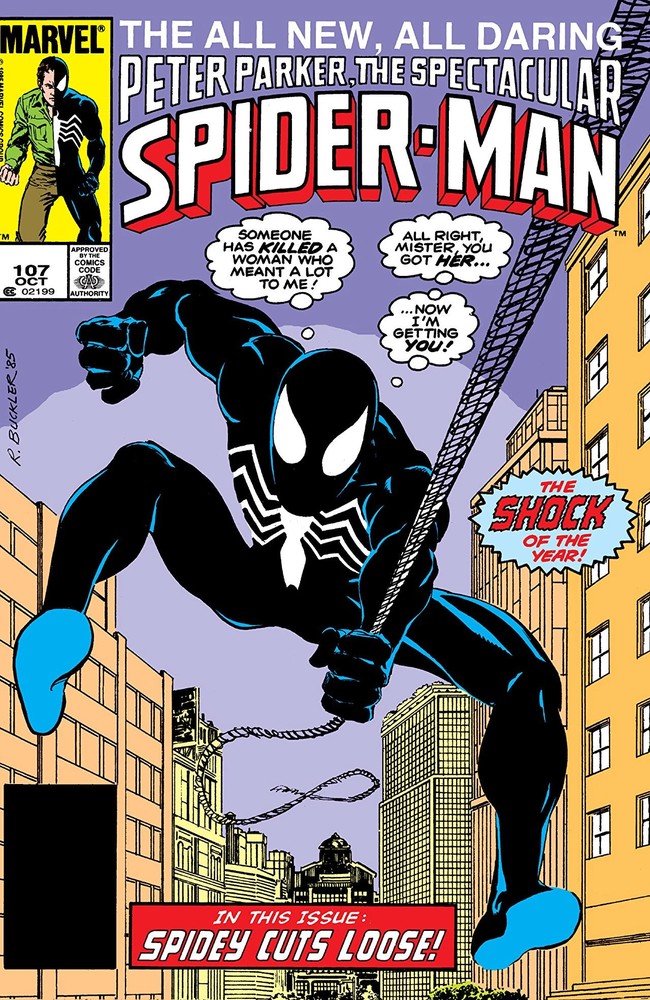
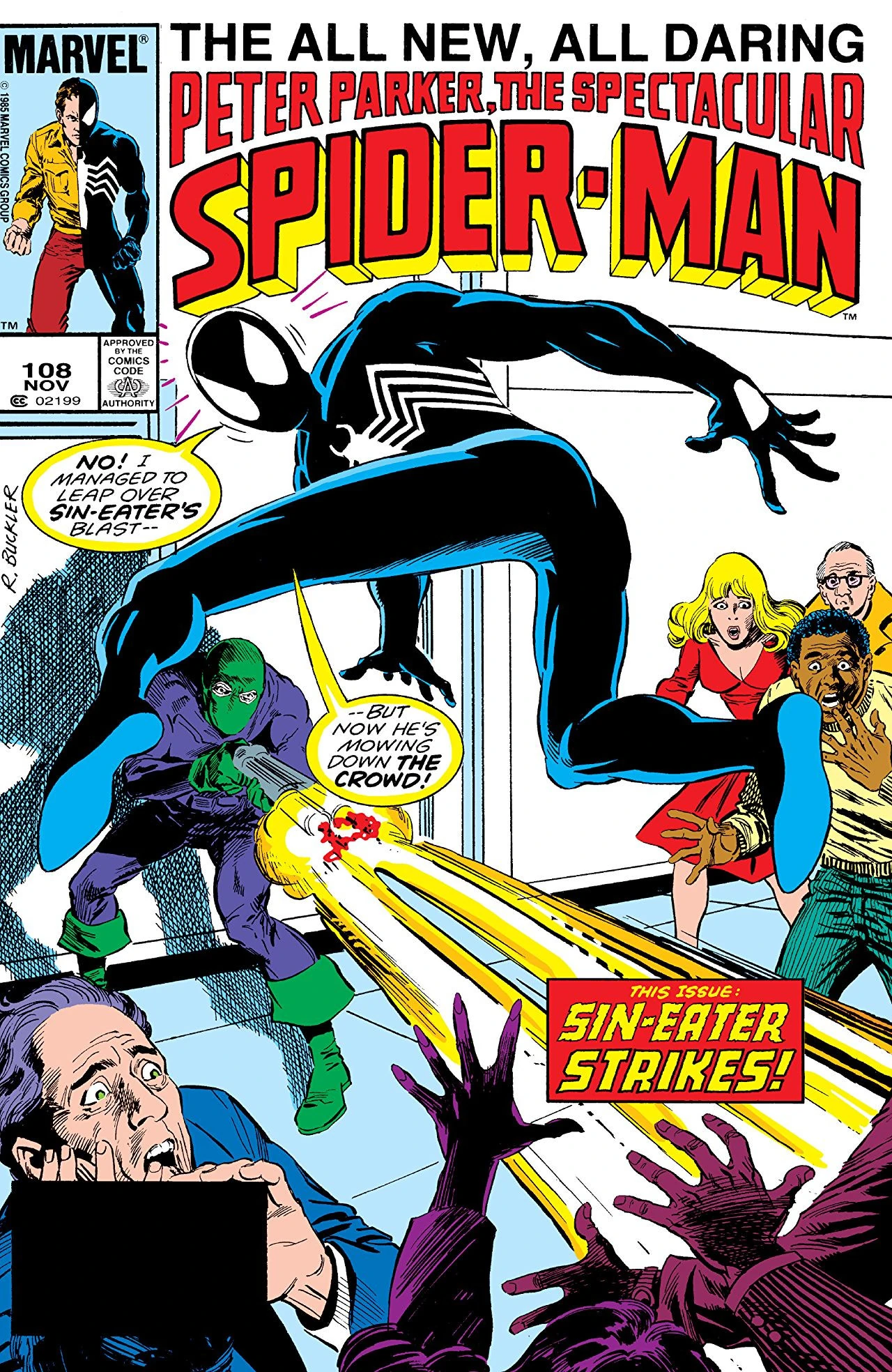
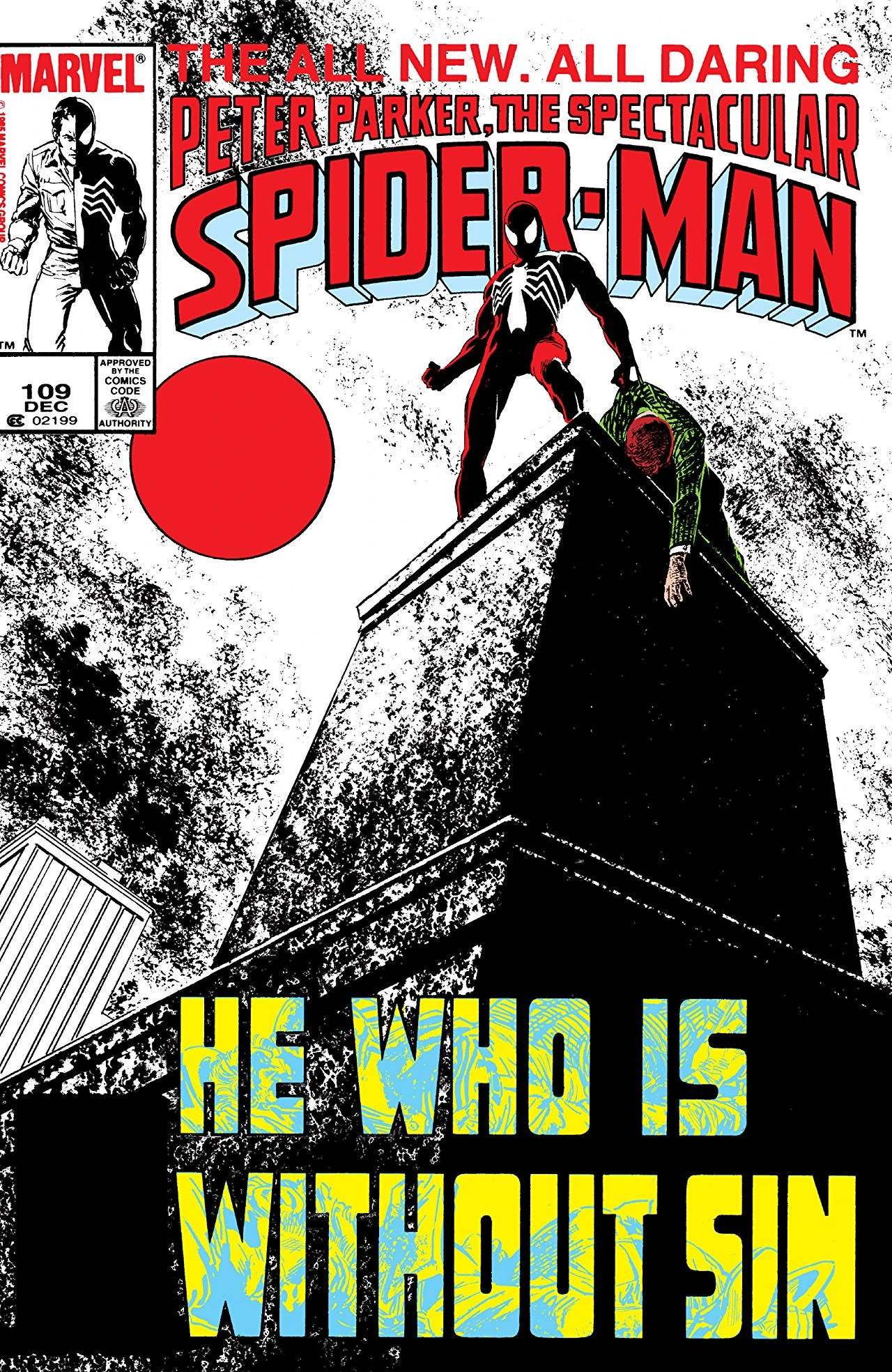
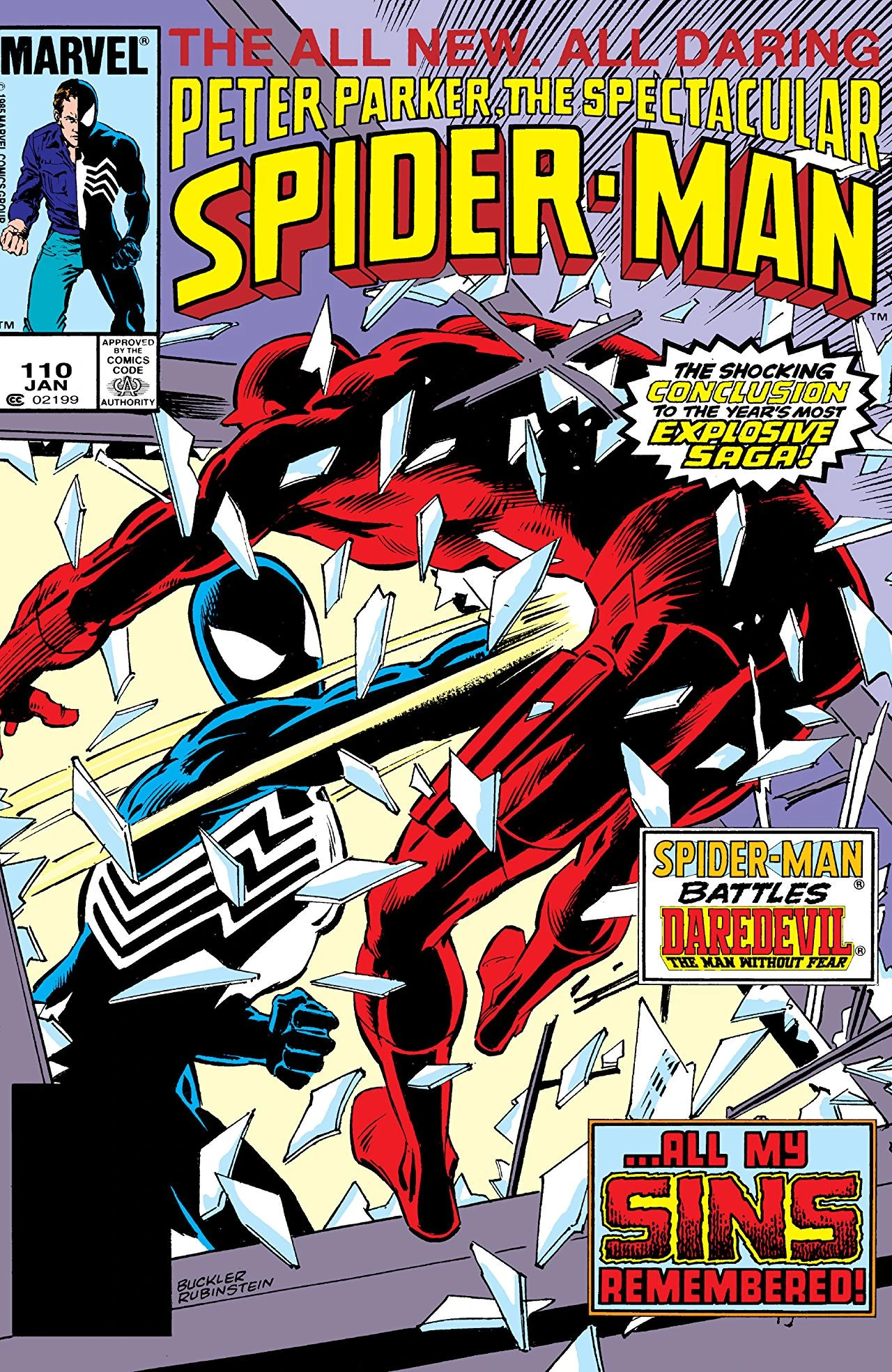
Four chapters from the companion title turn a murder investigation into a confrontation about anger and justice. Daredevil is central to the moral pressure on Peter. This is a focused way into Spectacular: a finite original-issue run whose darker tone sits naturally beside Kraven, while telling a separate story.
Set your scope before the first purchase. Choose original issues, a particular printing or a collected reading edition. Match the condition and edition to your own collection; a complete story is the goal.
A mix of foundations, single-issue character pieces, complete thrillers and later reinterpretations. Choose by mood as readily as by chronology. Some selections contain death, violence and mature themes.
Amazing Fantasy #15 · 1962
Stan Lee & Steve Ditko
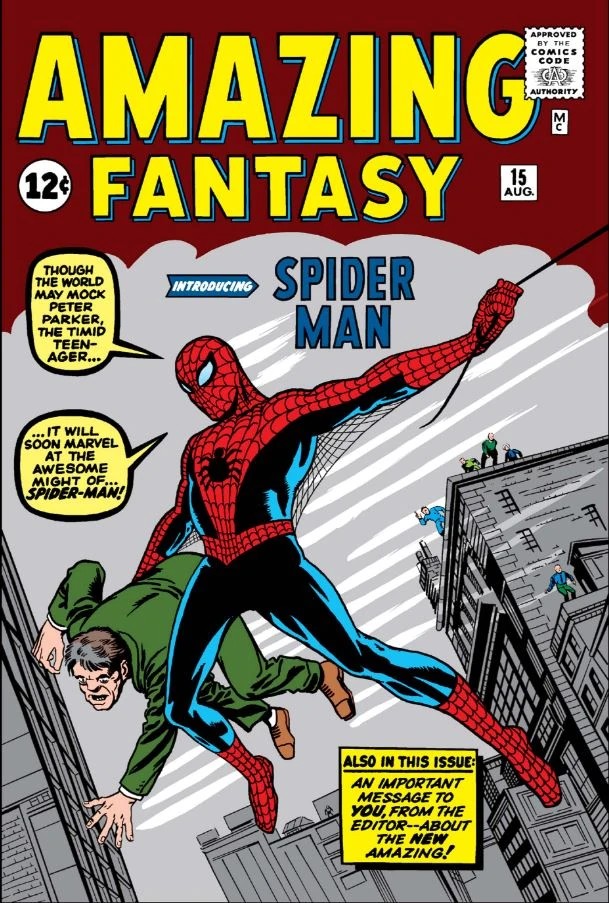
A teenager acquires extraordinary abilities and learns what a moment of selfishness can cost. The story’s brevity is part of its force: an entire moral framework emerges in a small number of pages. Read a clearly identified reprint or facsimile to appreciate the original storytelling before treating the issue as an auction object. The famous cover was drawn by Jack Kirby and inked by Ditko; the Spider-Man story inside is Ditko’s visual work.
The Amazing Spider-Man #31–33 · 1965–1966
Stan Lee & Steve Ditko
The Master Planner sequence connects Aunt May’s vulnerability with a confrontation that pushes Peter towards exhaustion. Ditko makes physical effort feel like thought: the body’s struggle and the person’s determination become the same dramatic event. Read the full three-issue progression so the celebrated imagery in #33 has its proper weight. This is an excellent foundation for understanding why Spider-Man’s quiet obligations can generate superhero-scale stakes.
The Amazing Spider-Man #50–52 · 1967
Stan Lee & John Romita Sr.
Issue #50’s “Spider-Man No More!” finds Peter questioning the place Spider-Man has in his life, while the Kingpin enters the series. The discarded costume image has become a visual shorthand for that conflict. Follow #51–52 to continue the Kingpin story. For collectors, #50 combines several attractions in one publication: a memorable cover, a defining Peter moment and the introduction of Wilson Fisk.
The Amazing Spider-Man #121–122 · 1973
Gerry Conway & Gil Kane
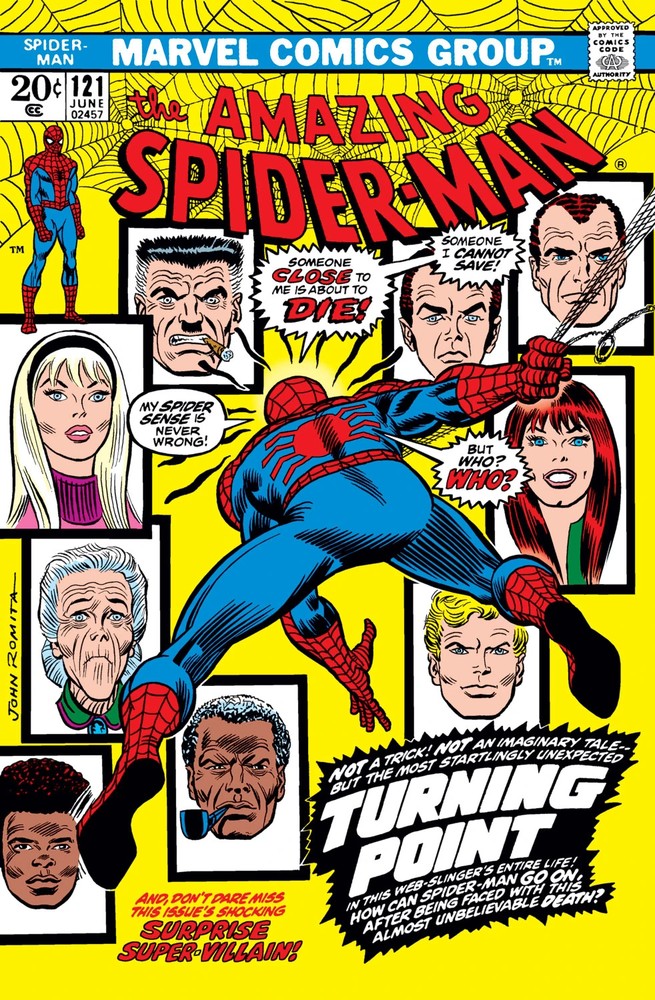
The Green Goblin conflict crosses an irreversible emotional boundary. These two issues are fundamental to the way subsequent Spider-Man stories understand loss, responsibility and the danger around Peter’s private life. Read them together and allow the aftermath its place; familiarity with the event from popular culture does not replace the experience of its original pacing. The story contains disturbing death and violence, and its importance reaches well beyond the debut-based language of collecting.
The Amazing Spider-Man #229–230 · 1982
Roger Stern & John Romita Jr.
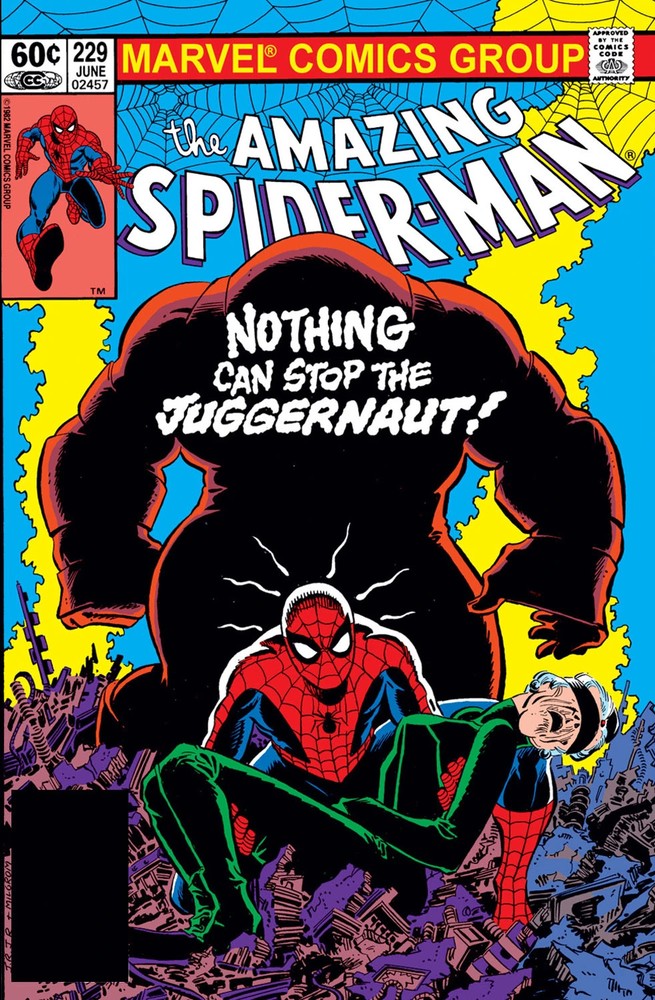
Peter faces an opponent whose power makes ordinary solutions look hopeless. The pleasure lies in watching him improvise, endure and keep trying. Stern and Romita Jr. make the city into part of the struggle, producing a compact two-issue adventure that explains the hero through action. It is a useful reminder that a defining Spider-Man story can come from how he handles a problem rather than a new costume or a major death.
The Amazing Spider-Man #248, backup story · 1984
Roger Stern & Ron Frenz
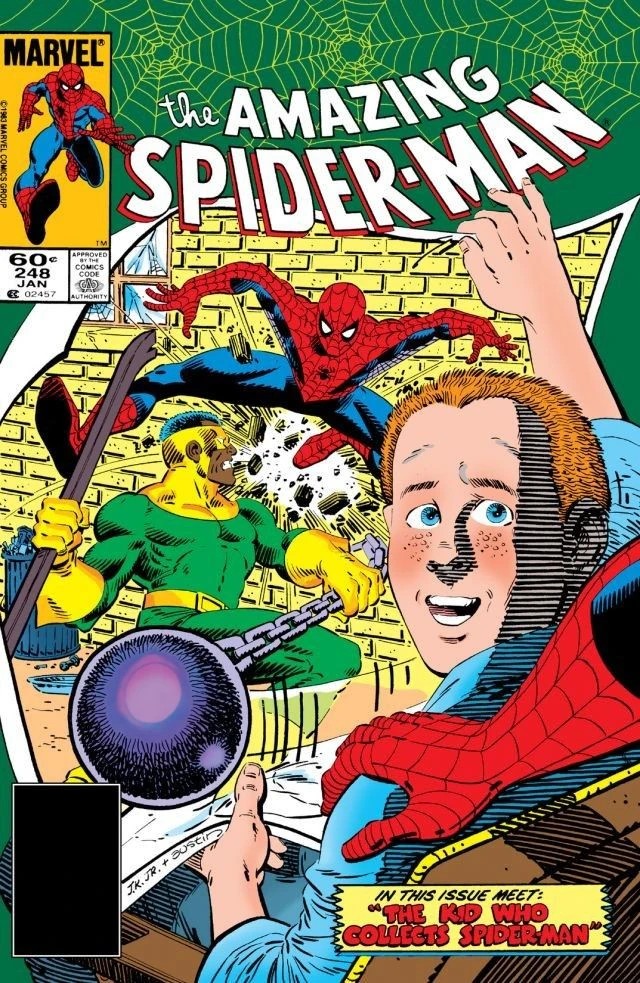
Spider-Man visits a young admirer in a short story built around conversation, trust and what a hero means to another person. Its scale makes an effective companion to the Juggernaut battle: the same character becomes compelling without a spectacular opponent. This is the backup feature in #248, rather than the issue’s whole contents. Read it with as little advance explanation as possible; the final emotional turn is worth discovering on the page.
Peter Parker, The Spectacular Spider-Man #107–110 · 1985–1986
Peter David & Rich Buckler
A murder investigation places Peter under intense emotional pressure and brings Daredevil into a conflict about anger, judgment and justice. David and Buckler give the street-level story a weight that makes it one of the companion title’s essential routes. Collect all four chapters or check the contents of a collected edition; later material may be included alongside the core story. Expect a darker reading experience than the cheerful mask might suggest.
Web #31–32; Amazing #293–294; Spectacular #131–132 · 1987
J. M. DeMatteis, Mike Zeck & Bob McLeod
Kraven attempts to define victory on his own terms, with Peter’s identity and sense of self caught inside the experiment. DeMatteis’s narration and Zeck’s oppressive atmosphere create a story that feels almost physically enclosed. Read the six chapters in the interleaved order above, rather than completing one title before moving to the next. Its themes include suicide and psychological trauma, so approach it as a mature thriller within Spider-Man’s world.
The Amazing Spider-Man #298–300 · 1988
David Michelinie & Todd McFarlane
McFarlane’s first issues on Amazing lead into the full introduction of Eddie Brock’s Venom. The sequence rewards readers who know something about the alien costume, while giving collectors three clearly differentiated books: the lead-in, the cameo reveal and the substantial first full appearance. The anniversary issue’s famous cover shows Spider-Man rather than a Venom portrait. Its collecting importance comes from the story inside as well as its place in a creator run.
Spider-Man (1990 series) #1–5 · 1990
Todd McFarlane
The Lizard becomes the centre of a feverish, visually dense five-part story. McFarlane writes and draws the opening of a new title, letting his webbing, shadows and contorted movement control the reading experience. It works especially well as an artist-led collection with a finite scope. Decide which edition of #1 you want, then keep the other four chapters in the plan; a famous launch cover is the doorway to the sequence.
Ultimate Spider-Man (2000 series) #1–7 · 2000–2001
Brian Michael Bendis & Mark Bagley
The original Ultimate Peter begins in a separate continuity, allowing the origin and supporting cast to be rebuilt for a new readership. Bendis gives conversations room to develop and Bagley makes the young characters immediately expressive. Start here if the length of the main continuity feels daunting. This seven-issue opening is a clear project; later comics with the Ultimate name can belong to a different launch and require their own identification.
The Amazing Spider-Man (1999 series) #30–35 · 2001
J. Michael Straczynski & John Romita Jr.
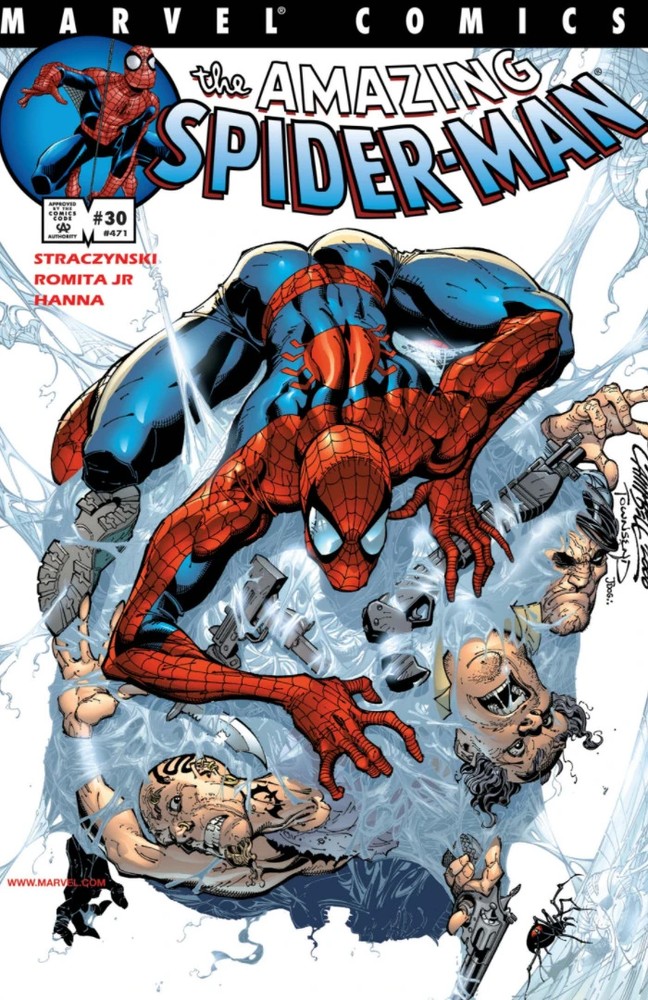
A mysterious encounter with Ezekiel raises questions about Peter’s powers, while Morlun introduces a formidable new danger. Straczynski and Romita Jr. bring an adult perspective to the tension between ordinary work and extraordinary responsibility. Read this as the beginning of a particular creative period, with later stories extending its ideas. The 1999-series numbering is essential when shopping: these are different publications from the original 1960s #30–35.
#1–6 · 2002–2003
Jeph Loeb & Tim Sale
Peter revisits a period when love, friendship and danger were becoming inseparable. Sale’s pages make the recollection visually inviting, while Loeb lets the reader feel the sadness within the nostalgia. This is one of the most welcoming routes into the human side of Spider-Man. Its six issues form a satisfying complete collection. Read it alongside the earlier Romita-era material to see a later creative team in conversation with the original stories.
Superior Spider-Man (2013 series) #1–5 · 2013
Dan Slott; Ryan Stegman & Giuseppe Camuncoli
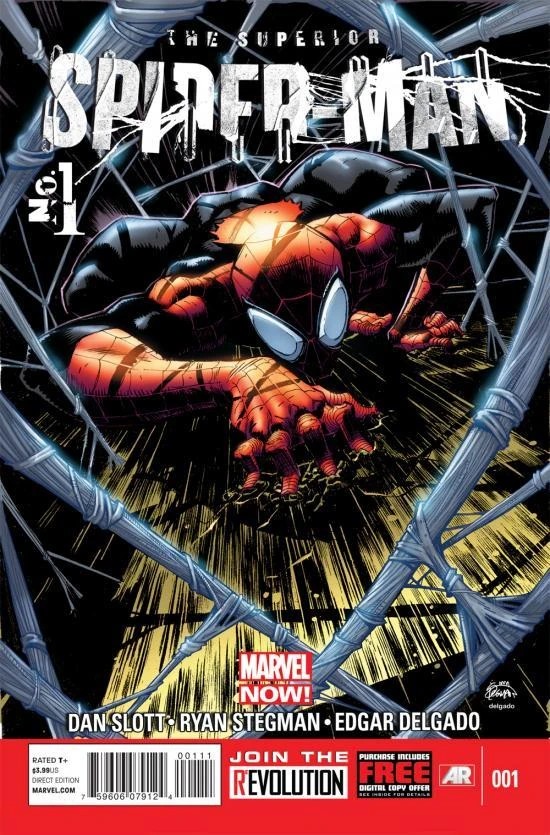
Otto Octavius occupies Peter’s body and decides he can perform the role more effectively. That premise makes every familiar relationship uneasy. It is a revealing read once you understand why Peter’s imperfect approach matters. The opening five issues introduce the project; they are the start of a longer run, rather than the complete Superior story. Amazing Spider-Man #698–700 supplies the preceding transition.
2011 series #1–5 · 2011–2012
Brian Michael Bendis & Sara Pichelli
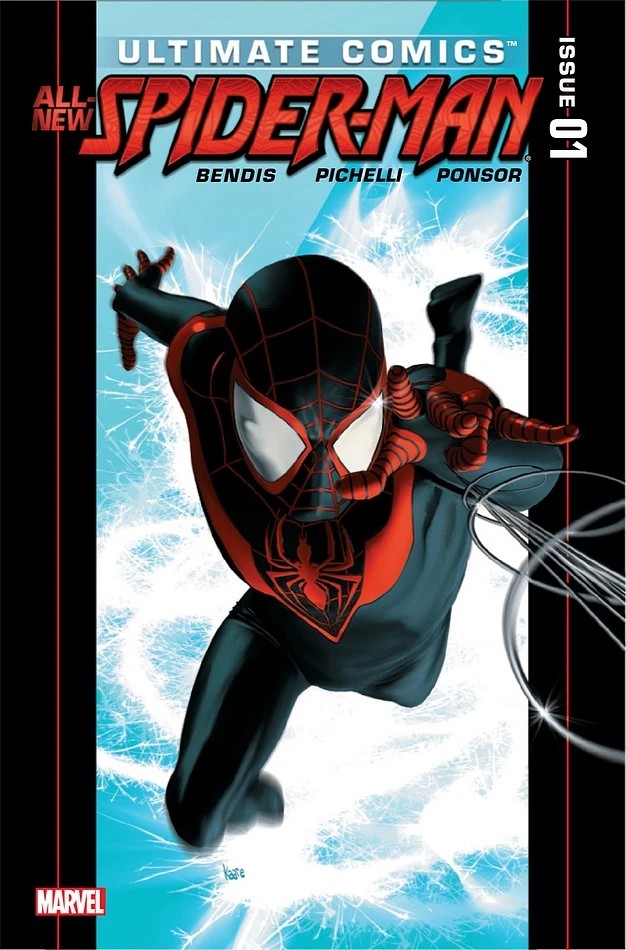
Miles Morales’s first solo-title opening follows his debut in Ultimate Fallout #4. Family, friendship and the meaning of inheriting a symbol become central to his own story. Read the opening as an introduction to Miles, with room for his personality to emerge. Pichelli’s character work is fundamental. Keep the exact title and launch year in your search, because Miles’s later series use several closely related names.
The Amazing Spider-Man (2014 series) #9–15, central sequence · 2014–2015
Dan Slott; Olivier Coipel & Giuseppe Camuncoli
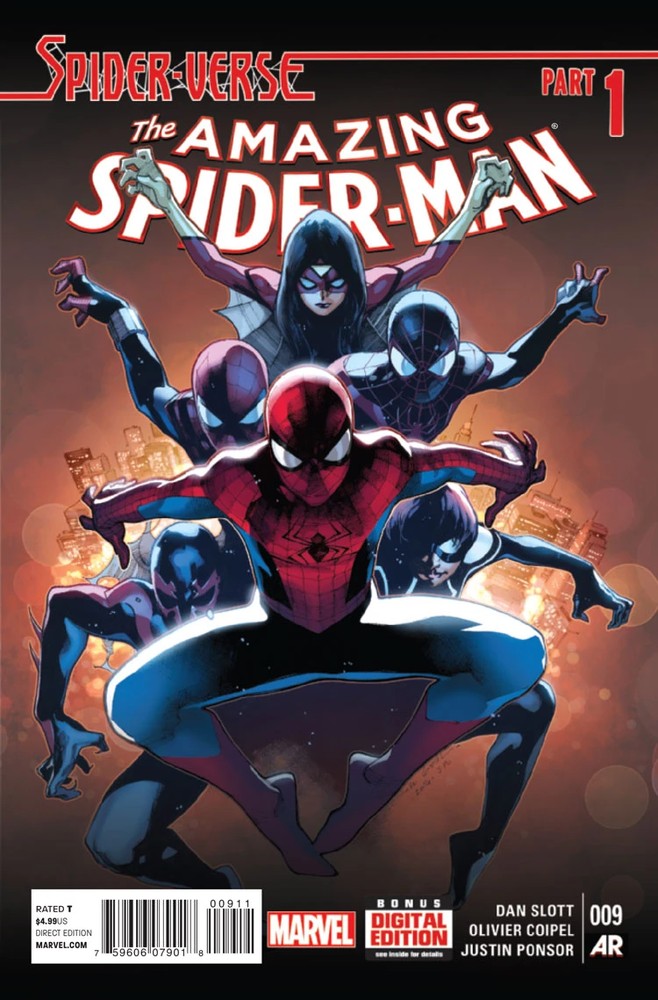
Different Spider-people are drawn into a shared threat, turning decades of alternate possibilities into a sprawling event. The main Amazing sequence provides the central route; prologues and tie-ins add other perspectives. Choose a collected edition with a published contents list if you want the broader event. This is a good destination after meeting a few individual characters, when the differences between their lives become part of the enjoyment.
Spider-Gwen (first 2015 series) #1–5 · 2015
Jason Latour & Robbi Rodriguez
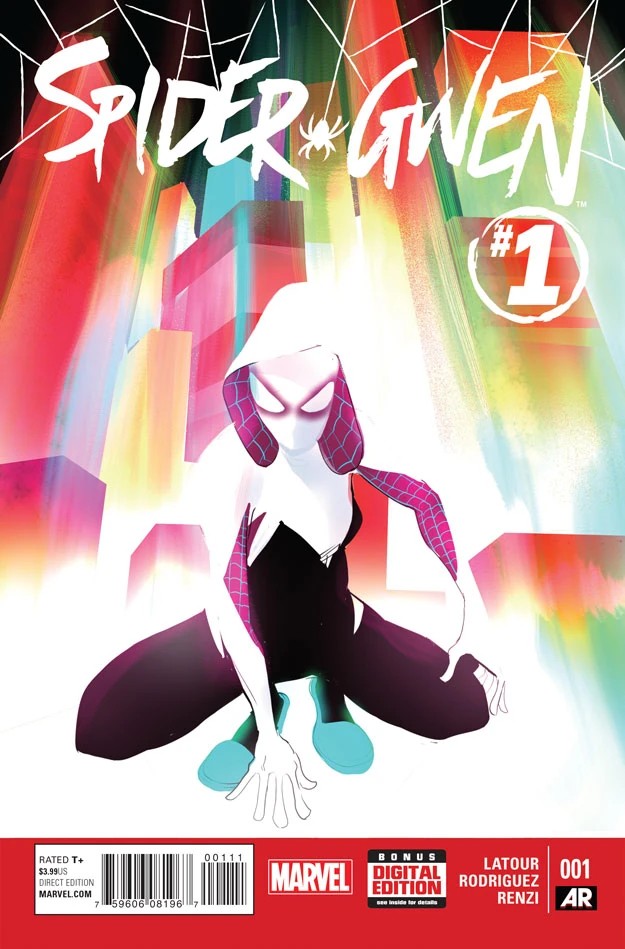
The alternate Gwen Stacy’s first solo series follows her introduction in Edge of Spider-Verse #2. Music, friendship, a troubled relationship with the police and a distinctive visual identity make this its own world. Rodriguez’s design is immediately recognisable, but the story gives the costume a person to contain. There are two Spider-Gwen launches in 2015; this recommendation concerns the first five-issue series, beginning earlier that year.
#1–6 · 2019
Chip Zdarsky & Mark Bagley
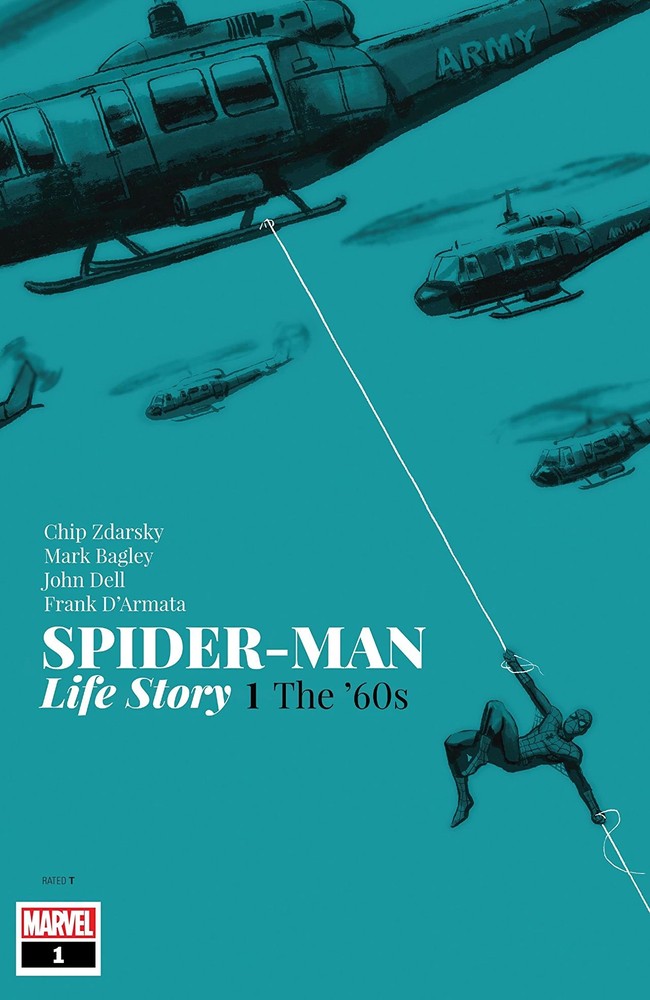
Peter ages through the decades in an alternate history that asks how a superhero life might accumulate real time. Familiar events acquire different consequences when youth cannot be indefinitely renewed. Read it once you recognise some of the milestones it revisits; the conversation with publishing history becomes richer. The original six-issue series forms the central project. The later annual is an additional publication, rather than a missing seventh chapter from the initial run.
Ultimate Spider-Man (2024 series) #1–6 · 2024
Jonathan Hickman; Marco Checchetto & David Messina
An adult Peter Parker, married to Mary Jane and raising children, becomes Spider-Man in a new Ultimate continuity. His existing family life gives the familiar transformation a different set of responsibilities. Hickman, Checchetto and Messina let the reader meet a person with a household and a history already in place. Begin with the first six issues, collected as Married with Children. This is a separate starting point from Bendis and Bagley’s 2000 Peter and the 2011 Miles launch. For collectors, keep “2024 series” beside every issue number and identify the exact printing and cover: the shared title alone cannot identify the book.
Build a reading shelf before a checklist takes over. A single favourite story gives you a reason to return to the collection. After reading it, you will know whether the next book should follow its writer, artist, villain, era or supporting character.
Miles first appears in Ultimate Fallout #4 (2011), before the launch of his Ultimate Comics Spider-Man series. His early stories belong to the original Ultimate universe. Later publishing developments bring him into a wider Marvel context, but his character deserves to be read through his family, friendships and decisions rather than treated as a substitute entry on Peter’s checklist.
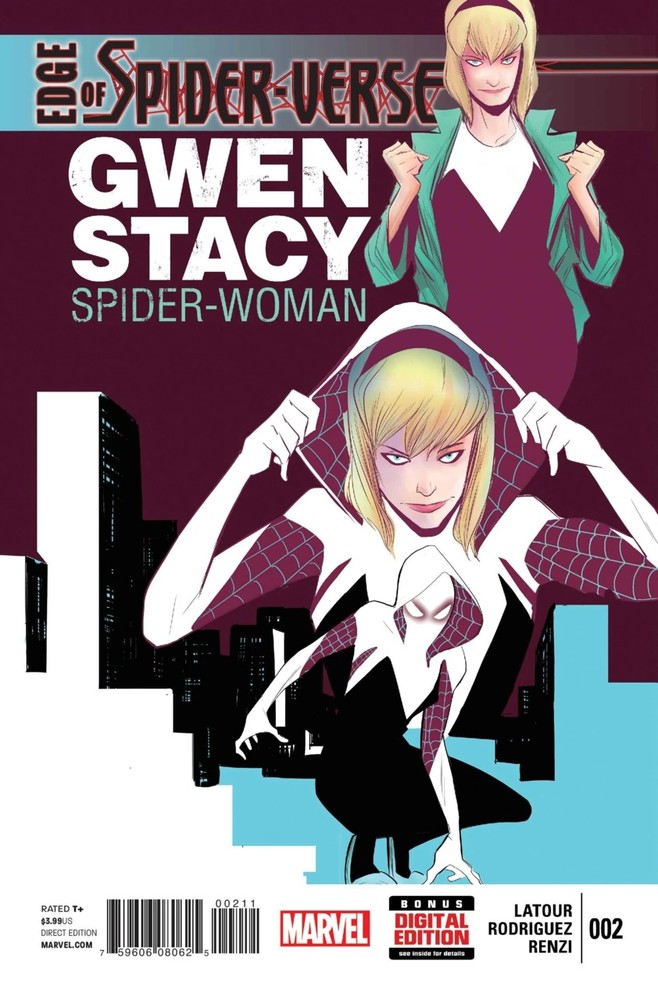
The alternate Gwen introduced in Edge of Spider-Verse #2 (2014) becomes the centre of Spider-Gwen stories and later uses the Ghost-Spider identity. She is distinct from the original Gwen whose relationship with Peter and death are part of the main continuity. The shared name is an invitation to compare different lives, rather than merge them.
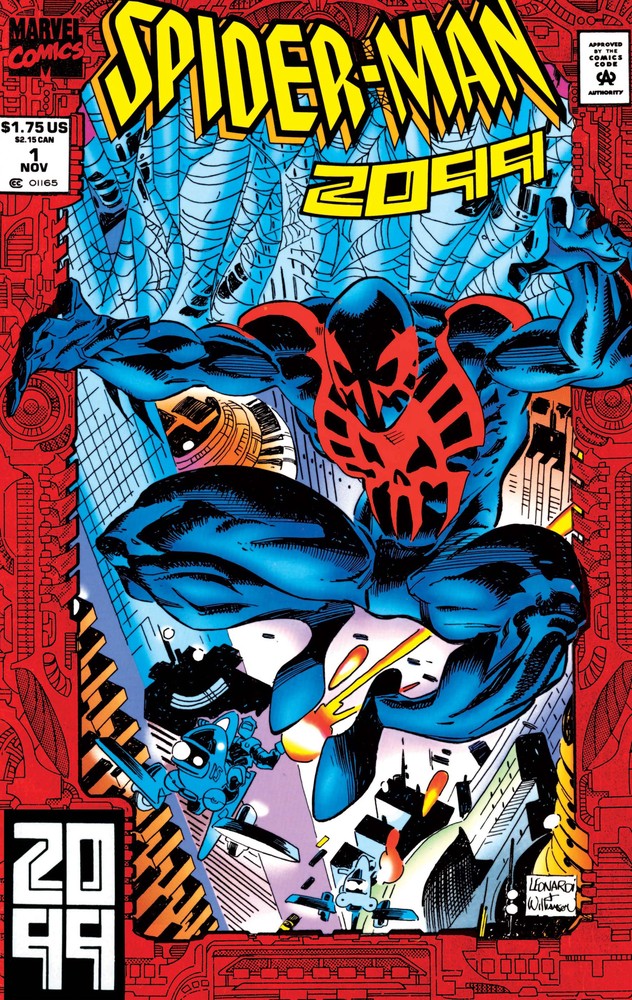
Miguel arrives through the 2099 publishing line, with preview material in Amazing Spider-Man #365 and his own Spider-Man 2099 #1 in 1992. His corporate future and personal circumstances create a different setting for the Spider-Man idea. Record whether a listing is for the preview-bearing anniversary issue or his solo launch.
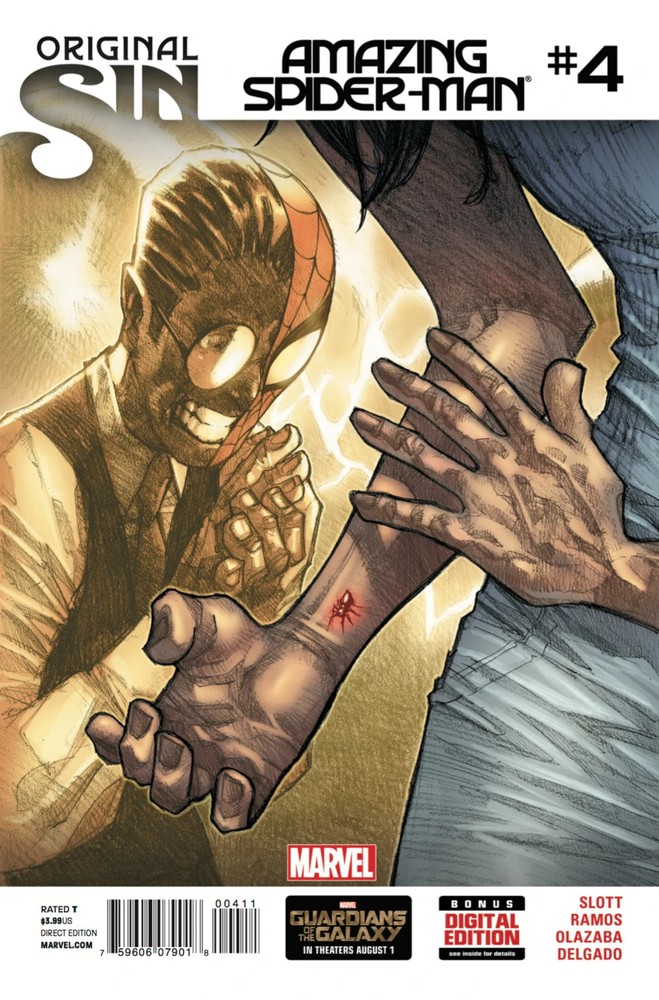
Cindy’s introduction in the 2014 Amazing Spider-Man launch leads to her emergence as Silk. Her experience of isolation and the life she has missed provide an identity that extends beyond the shared spider bite. Separate her early appearances, costumed introduction and solo series when building a collecting route.
These branches give newcomers more than one doorway. You can begin with Miles or Gwen, then explore Peter’s earlier comics when curiosity takes you there. A family collection works best when its labels preserve the individual character, universe and series.
Film versions can combine elements from several comics or invent their own. Use a screen appearance as a starting question, then check which book actually introduces the comic character or supplies the story you want to read.
A selected map of significant books. It separates a character’s debut from an origin chapter, a creator milestone and a later mantle.
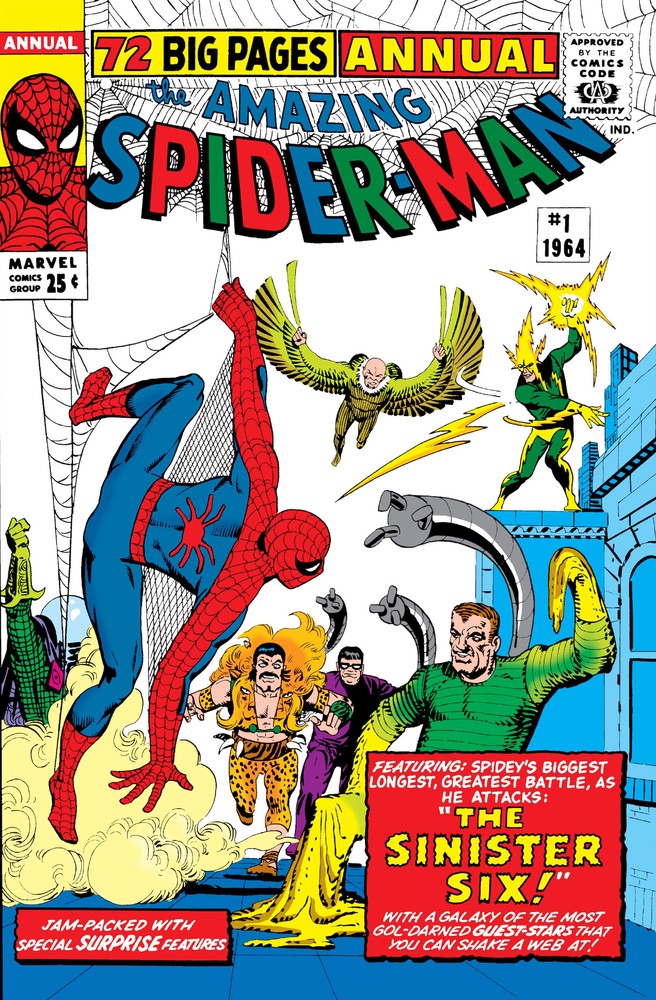
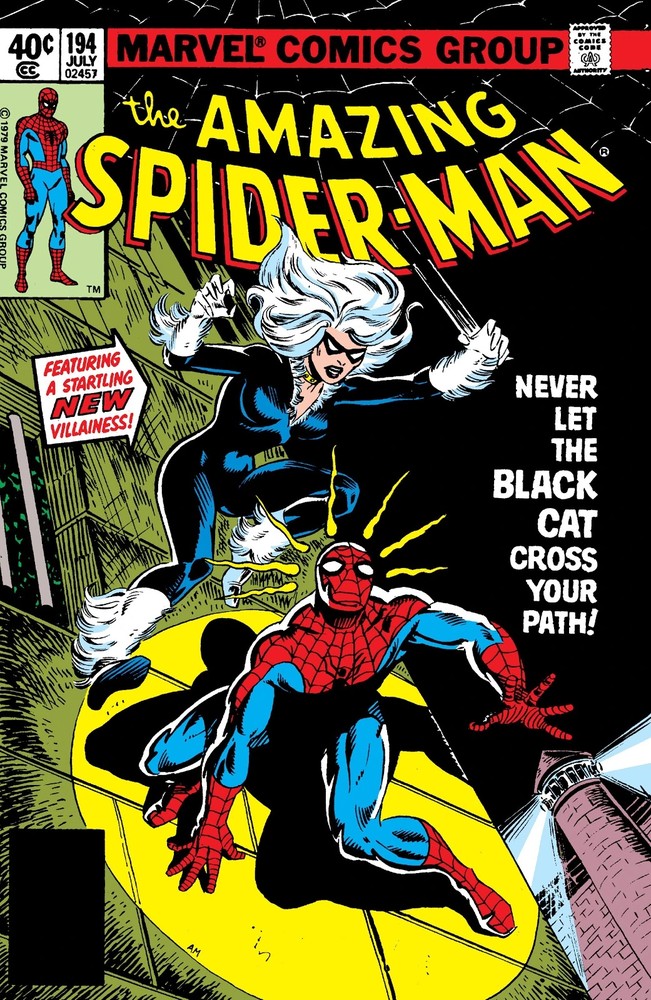
| Publication | Collecting role | A useful buying question |
|---|---|---|
| Amazing Fantasy #15 (1962) | Peter Parker’s debut and origin. | Is this an original, and what is its completeness/restoration status? |
| The Amazing Spider-Man #1 (1963) | The original solo title launches. | Which series and edition does “#1” mean? |
| Amazing Spider-Man Annual #1 (1964) | The Sinister Six debut. | Are the square-bound spine and interior complete? |
| Amazing Spider-Man #39–40 | A major Green Goblin identity sequence. | Would the complete pair serve the collection better? |
| Amazing Spider-Man #50 | Kingpin’s debut and a defining cover. | How does the actual cover present at the stated condition? |
| Amazing Spider-Man #121–122 | The Gwen Stacy / Green Goblin tragedy. | Are both original chapters included? |
| Amazing Spider-Man #129 | The Punisher’s debut, alongside the Jackal. | Which restoration and interior checks accompany the price? |
| Amazing Spider-Man #194 | Black Cat’s debut. | Original printing, later printing or reprint? |
| Amazing Spider-Man #238 | Hobgoblin’s debut. | Is the original insert present? |
| Amazing Spider-Man #252 | A foundational published black-costume issue. | Which edition and condition are being compared? |
| Secret Wars #8 (1984) | The alien-costume acquisition story. | Is the listing precise about its publication role? |
| Amazing Spider-Man #299 / #300 | Venom cameo / first full appearance. | Does the description preserve that distinction? |
| Spider-Man #1 (1990) | McFarlane’s solo-title launch. | Which cover treatment, printing and edition? |
| Ultimate Fallout #4 (2011) | Miles Morales’s debut. | Which printing and cover, with what condition evidence? |
| Edge of Spider-Verse #2 (2014) | The alternate Spider-Gwen’s debut. | Is the exact printing and cover designation recorded? |
A landmark’s significance can be stable while the price of a particular copy changes. Keep the historical reason separate from the seller’s asking price, and you can compare the copy more clearly.
These are illustrative spending budgets. Test a particular purchase against the dated price examples below, with its edition, condition and delivered cost attached.
Compare a collected story, a facsimile and ordinary back issues. Choose a complete reading experience or a small artist selection if the available copies fit.
Price a short original-issue run or personal cover set. Allow for postage and choose condition deliberately. A project can take several shopping sessions.
Compare a specifically researched issue with a broader run you would enjoy reading. Decide which use of the budget best serves your shelf.
Specify the target, acceptable condition, completeness and restoration preferences. Compare similar completed sales before deciding a maximum.
Record the title, series year, issue, printing and cover designation. Original US issues, UK pence-priced editions, UK reprints and facsimiles have different collecting roles. A pence price alone does not establish a reprint.
For variants, note the artist and retailer or incentive designation. An ordering ratio is different from a verified print run. Compare the exact edition, including postage and any applicable import charges.
Check the front, back, spine, corners, staples and pages. Ask about missing pieces, stains, writing, detached components and restoration. A sharp central image can distract from wear at the edges.
For an original Amazing Spider-Man #238, confirm the TATTOOZ insert and packet are present. For a graded copy, read the label and notes alongside the photographs. A population report counts that company’s recorded submissions, rather than every surviving copy.
A reading copy, a display cover and a major historical original ask different things of the budget. Choose the qualities you value, then compare the actual copy.
Keep the invoice, photographs and edition details. Distinguish dealer asks from achieved sales, and date your comparisons. A complete story or favourite artist can give a collection lasting appeal while prices move. Make the next purchase easy to explain in one sentence.
Selected GBP examples checked 18 October 2026. These are individual observations with their edition, condition and listing status attached.
A recorded completed sale provides different evidence from a current dealer ask. A sold-out page can preserve an old asking price without establishing what a buyer paid. Keep those differences visible when deciding what a similar book is worth to you.
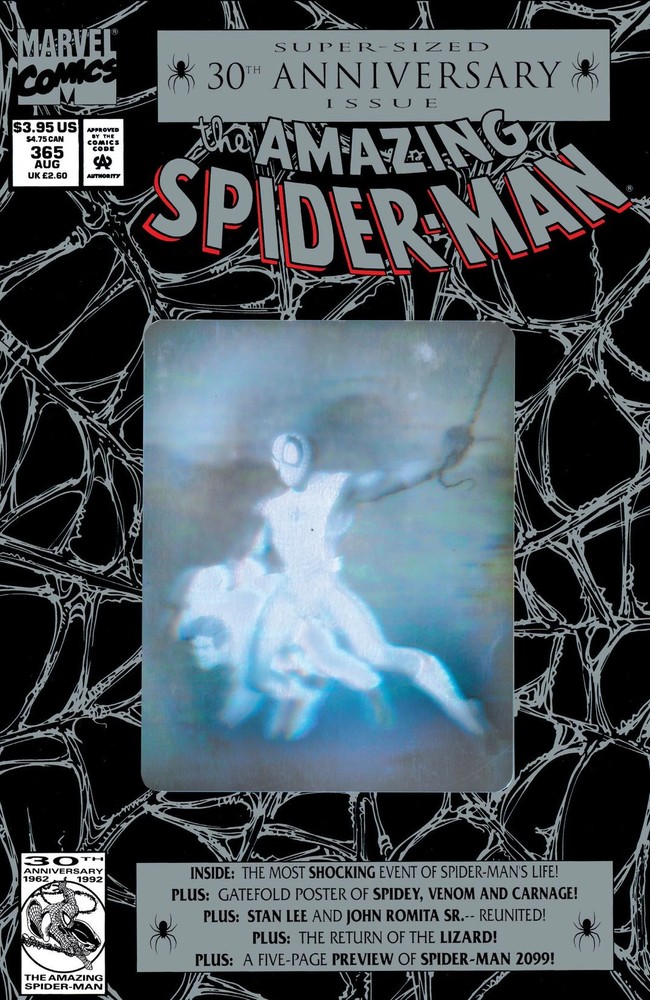
| Comic | Price reference | Copy & condition | Status & evidence |
|---|---|---|---|
| The Amazing Spider-Man #252 — 2024 facsimile | £5.00 | Raw; dealer-described NM | 2024 facsimile reprint, Near Mint. Active UK dealer ask; £3 postage. An affordable way to own and read the black-suit cover. View the price evidence ↗ |
| Ultimate Spider-Man #1 (2024) — fourth print, Marco Checchetto cover | £4.90 | Raw; dealer states new, unread and NM | Fourth printing, Near Mint. Archived UK dealer ask; sold out. Printing matters: keep this separate from the first-print edition. View the price evidence ↗ |
| Spider-Man 2099 #1 (1992) — foil-enhanced cover | £12.50 | Raw; dealer-described VFN, some spine creases | 1992 foil-cover issue, Very Fine with spine creases. Archived UK dealer ask; sold out. This launches Miguel O'Hara's original solo series. View the price evidence ↗ |
| Peter Parker, The Spectacular Spider-Man #1 (1976) | £24.00 | Raw; dealer-described FN-/FN 5.7; corner creasing and spine wear; complete | Original first printing, around Fine with visible corner and spine wear. Active UK dealer ask. A more approachable Bronze Age series launch. View the price evidence ↗ |
| Spider-Man #1 (1990) — Silver Edition, unbagged | £28.26 | Raw; seller-estimated NM- 9.2; unbagged | Silver Edition, out of its original bag; seller estimated Near Mint minus. UK sold listing displayed £28.26 including buyer fee on 27 September 2026; postage extra. View the price evidence ↗ |
| The Amazing Spider-Man #365 (1992) | £38.00 | Raw; dealer-described VFN+/NM 9.0; faint corner wear and back-cover discolouration; complete with central mini-poster | First printing, Very Fine/Near Mint, complete with mini-poster. Active UK dealer ask. Contains the Spider-Man 2099 preview. View the price evidence ↗ |
| The Amazing Spider-Man #361 (1992) | £52.25 | Raw/ungraded; eBay condition category Very Good is not a verified comic grade | Ungraded 1992 copy. UK sold listing displayed £52.25 including buyer fee on 4 September 2026; postage extra. Confirm printing and condition before using it as a close comparison. View the price evidence ↗ |
| Marvel Super Heroes Secret Wars #8 (1984) | £111.00 | Raw; auction title gives seller-estimated VF 8.0 | Original 1984 issue, seller-estimated Very Fine. UK charity auction sold for £111 after 34 bids on 1 July 2026; postage extra. View the price evidence ↗ |
| The Amazing Spider-Man #252 (May 1984) | £149.99 | Raw/ungraded; eBay condition category Good is not a verified comic grade | Original May 1984 copy; no reliable comic grade stated. Active UK dealer ask, with offers. Assess its scans and condition before comparing prices. View the price evidence ↗ |
| Ultimate Spider-Man (2000 series) #1–7 set | £341.07 for seven issues | Raw/ungraded; seller category Like New; no numerical comic grades verified | Seven-issue set from the original 2000 series; active UK ask. The #1 edition and printing need checking. This is a set price, not a valuation of #1 alone. View the price evidence ↗ |
| The Amazing Spider-Man #300 (1988) | £699.95 | Raw; UK dealer-described VF/NM | Original #300, dealer-described Very Fine/Near Mint. Active UK dealer ask with offers. A major Venom key; this single asking price does not establish market value. View the price evidence ↗ |
| The Amazing Spider-Man #129 (1974) | £2,500.00 | Raw; dealer-described VF+ | Original raw copy, dealer-described Very Fine plus. Current UK dealer catalogue ask. A major Punisher/Spider-Man key requiring careful condition comparison. View the price evidence ↗ |
Add postage and any applicable charges. Seller grades are descriptions to inspect. These examples are dated references, not a continuously updated valuation service. Different printings, restoration, completeness and exceptional presentation need their own comparisons.
Spider-Man history reaches into major auctions through printed comics and unique original artwork. The object being sold is the first fact to establish.
A graded copy of Amazing Fantasy #15 is one surviving example of a printed publication. The original artwork used to make a page or cover is a different asset, usually a unique physical work. A headline about a multimillion-dollar black-costume page therefore tells you nothing directly about the value of an ordinary printed Secret Wars #8.
$3.6m
CGC NM+ 9.6 · 1962
9 September 2021 · Heritage Auctions
Highest price listed by Heritage for Amazing Fantasy #15 at the checked date; an overall comic-book record when sold in 2021.
The original sale record ↗$1.38m
CGC NM/MT 9.8 · 1963
11 January 2024 · Heritage Auctions
Highest price listed by Heritage for the printed 1963 Amazing Spider-Man #1 at the checked date.
The original sale record ↗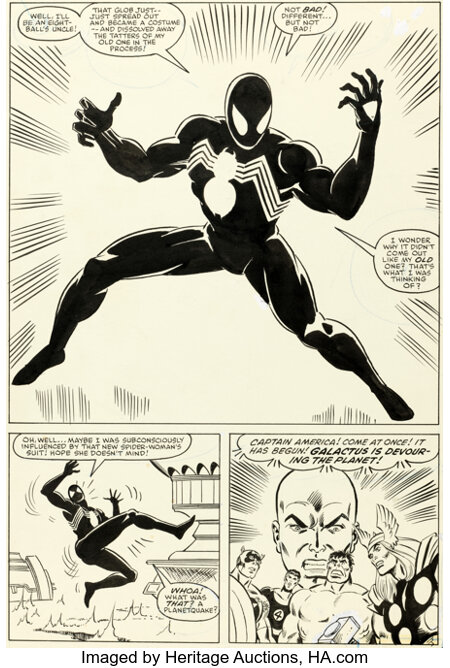
$3.36m
Mike Zeck and others · 1984
13 January 2022 · Heritage Auctions
Landmark record for a page of original interior comic artwork; Guinness’s record page still identifies this transaction at the checked date.
The original sale record ↗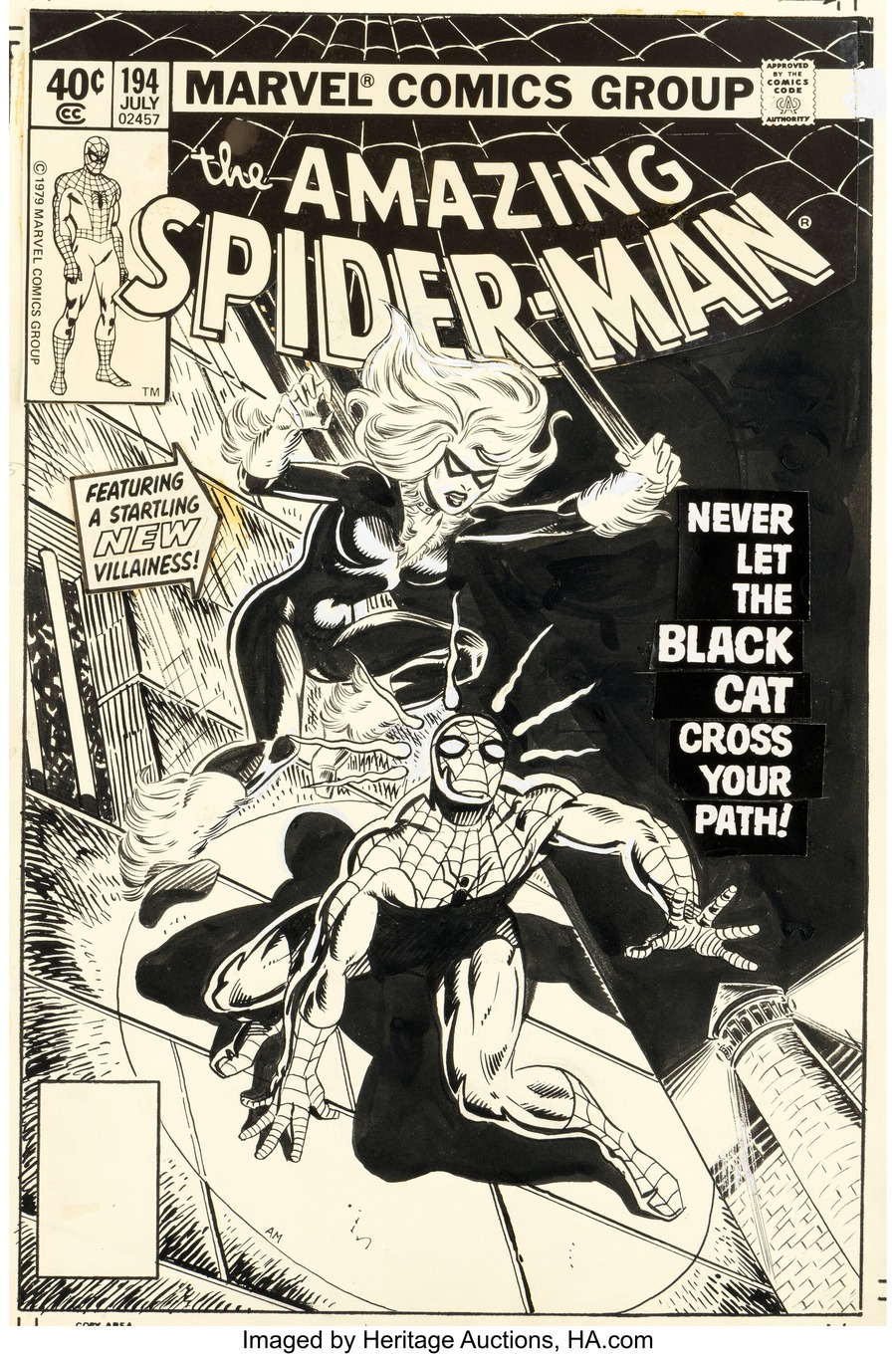
$1.02m
Al Milgrom · 1979
10 January 2025 · Heritage Auctions
Heritage announced this as the first million-dollar Spider-Man cover and the highest Spider-Man cover-art auction result at the time of the sale.
The original sale record ↗All four results are in US dollars and include the auction buyer’s premium. They describe particular exceptional copies or unique artwork, rather than current values for ordinary comics. The 2021 Amazing Fantasy result was an overall comic-book record when it sold; its record status is presented in that historical context.
These results demonstrate the reach of particular pieces of Spider-Man history. Their copy details, provenance, sale dates and price basis belong beside the numbers. They are historical transactions involving exceptional objects, rather than price targets for the raw comics in a typical collection.
A newcomer can appreciate that history while beginning with a readable reprint. The auction room and the back-issue box offer different ways of encountering the same publishing story.
New stories and adaptations can provide an enjoyable reason to explore an older character or run. Start with what has actually been announced, then identify the comic connection.
Spider-Man keeps acquiring new readers, new starting points and new versions of the mask. The useful question for a collector is which part of that expanding history deserves a place on their own shelf.
Status checked 18 October 2026. Screen dates below are the currently announced schedules; the linked sources retain the underlying announcements.
18 JUNE 2027
Sony Pictures Animation currently dates the next film for 18 June 2027. Miles Morales and Miguel O’Hara’s Spider Society remain central to its official premise. That makes this a useful moment to explore their comic histories: Ultimate Fallout #4 for Miles, the preview in Amazing Spider-Man #365 and the 1992 Spider-Man 2099 #1 for Miguel.
Sony’s current film page ↗13 JANUARY 2027
Marvel Studios’ 8 October 2026 announcement sets season two’s Disney+ premiere for 13 January 2027. Animation offers another doorway into the character’s everyday pressures, familiar imagery and relationships.
Marvel Studios’ dated announcement ↗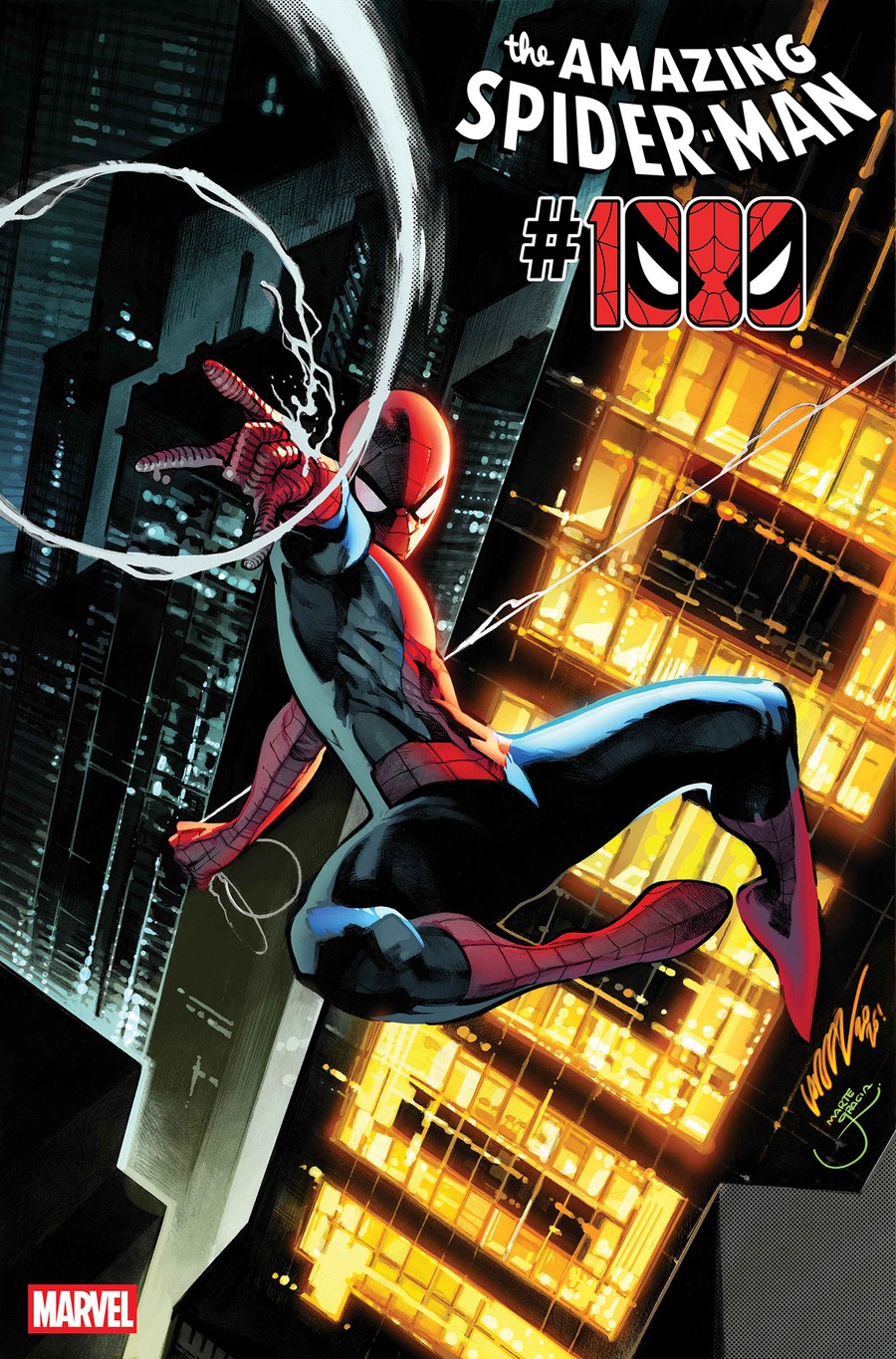
Marvel’s distributor catalogues Amazing Spider-Man #1000 for 30 September 2026, with Joe Kelly, Noah Hawley, Pepe Larraz and Patrick Gleason among the credited contributors. It is a recent anniversary marker in Peter’s publishing history.
Keep the cover designation and printing in your records: an anniversary number alone does not identify the edition.
The official #1000 catalogue record ↗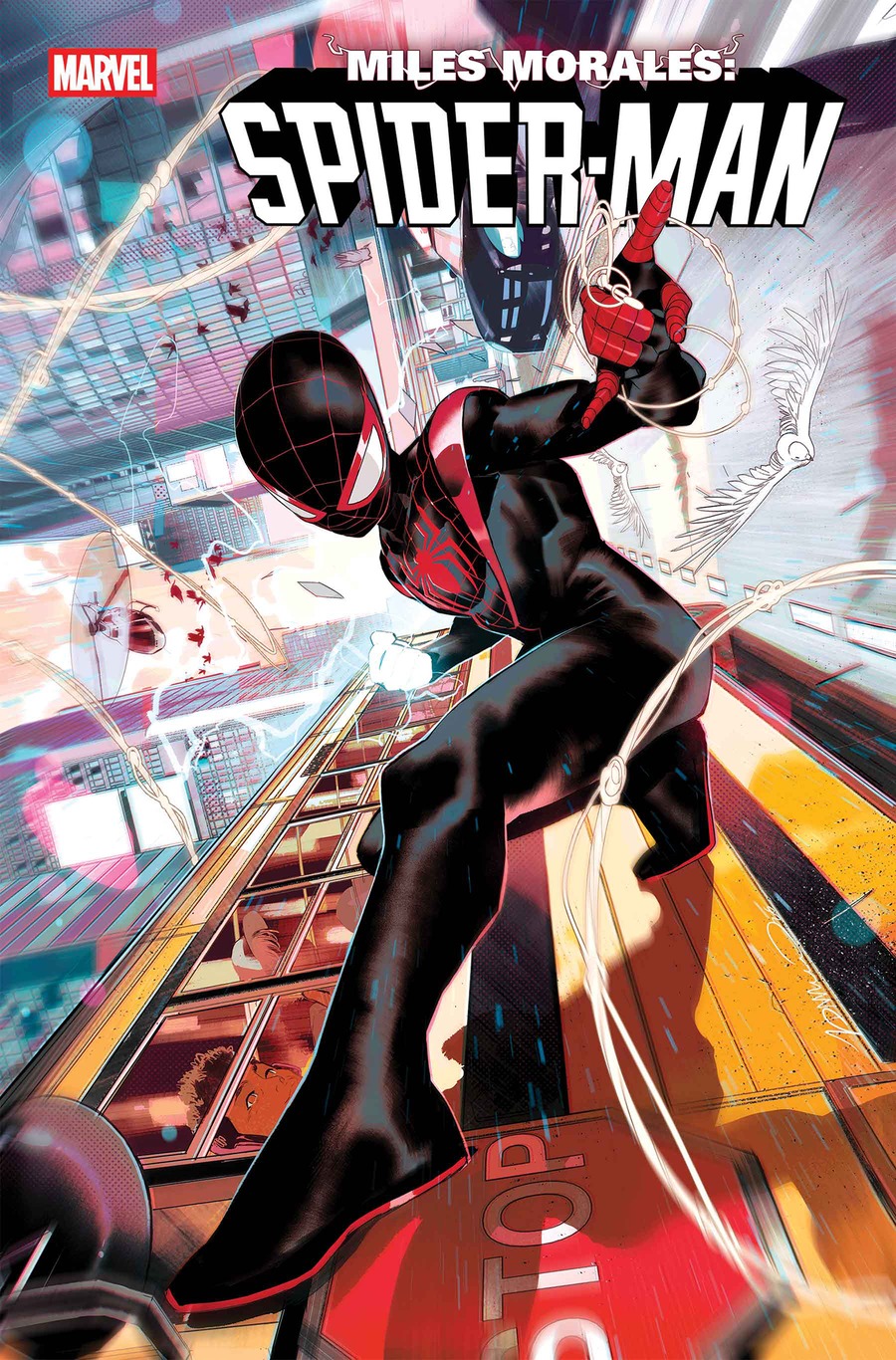
The 2026 Miles Morales: Spider-Man #1 brings Bryan Hill and Nico Leon to a new launch, catalogued for 12 August. Its official premise returns attention to Brooklyn and the Morales family.
His original debut remains Ultimate Fallout #4; this #1 opens a new series.
The official Miles #1 catalogue record ↗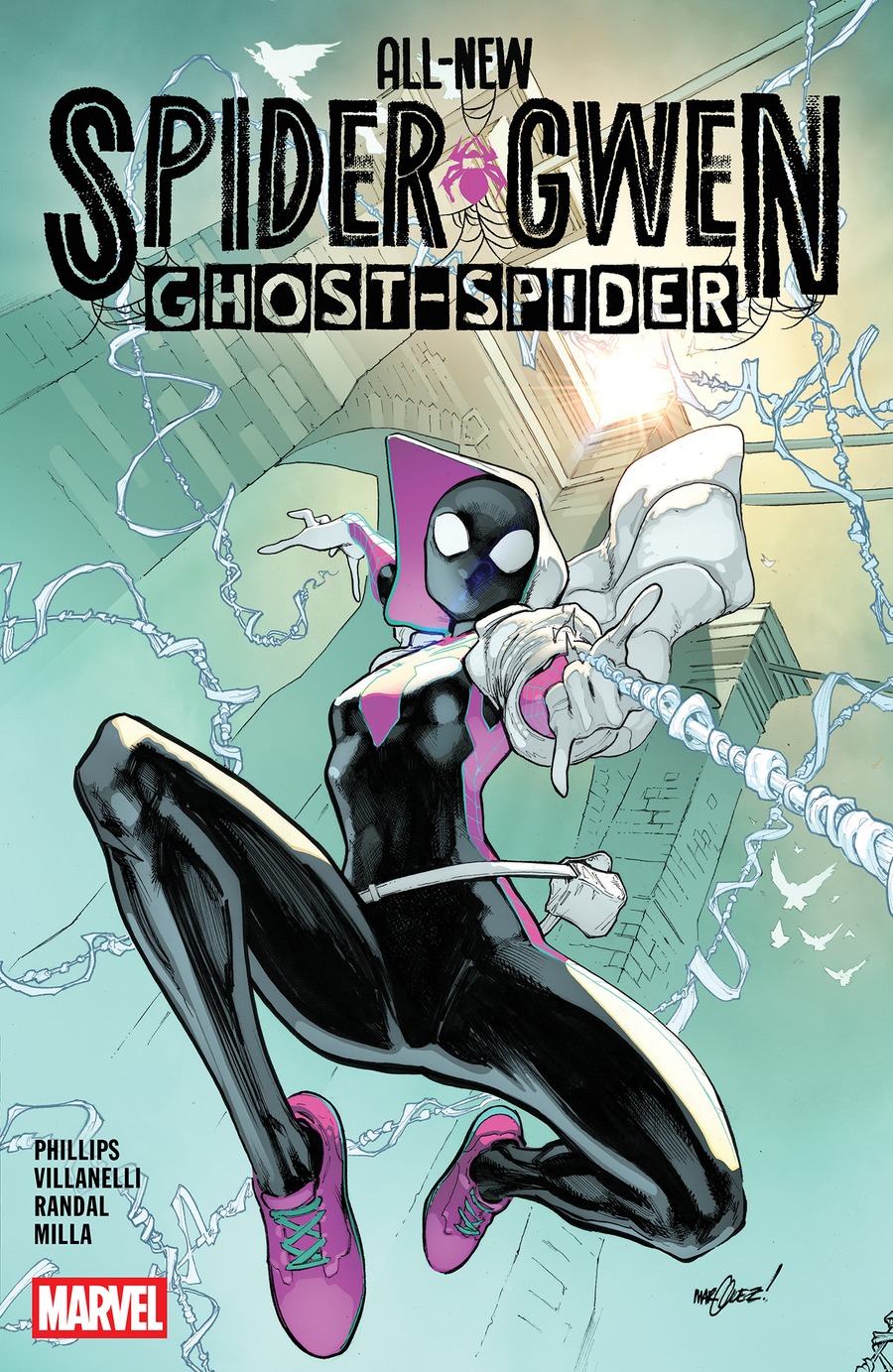
A September 2026 collection of All-New Spider-Gwen: The Ghost-Spider gathers the 2025 series’ #1–10 and the backup from Spider-Gwen: The Ghost-Spider (2024) #15. Stephanie Phillips’ stories give Gwen’s life on the main Marvel Earth a substantial collected route, with Miles and Silk among its connections.
The official Gwen collection contents ↗Sony now offers Spider-Man: Brand New Day for home viewing. The film belongs in the recent-release story at the time of this update.
For a first comic after the film, try one of the complete Peter Parker stories in the reading guide above.
Sony’s current home-viewing page ↗Our collecting outlook: follow confirmed developments and explore complete stories alongside debuts. Choose the edition and condition that suit your collection.
Watch which stories people recommend after a film or series. A welcoming collection can pair a modern paperback with original issues that show where the character began.
Follow creators, sustained stories and memorable artwork. A series that develops a clear identity gives a collection more substance than an isolated launch purchase.
Track the series year, printing, cover artist and edition. A first print, an attractive later printing and an original-art transaction can share an image while representing very different collecting decisions.
Publishing dates above are official distributor catalogue dates. The watch points are Comic Agent editorial judgments, with no price forecast attached.
Let an announcement suggest a reading route: a villain’s defining story, a costume’s publication history or a new character’s own series. Identify the comic connection, then choose the book for what it adds to your collection.
Explore 76 cover images, from the original debut through black-suit history and the wider Spider-family. Tap a cover for the full image at its natural proportions.
Showing all 76 covers
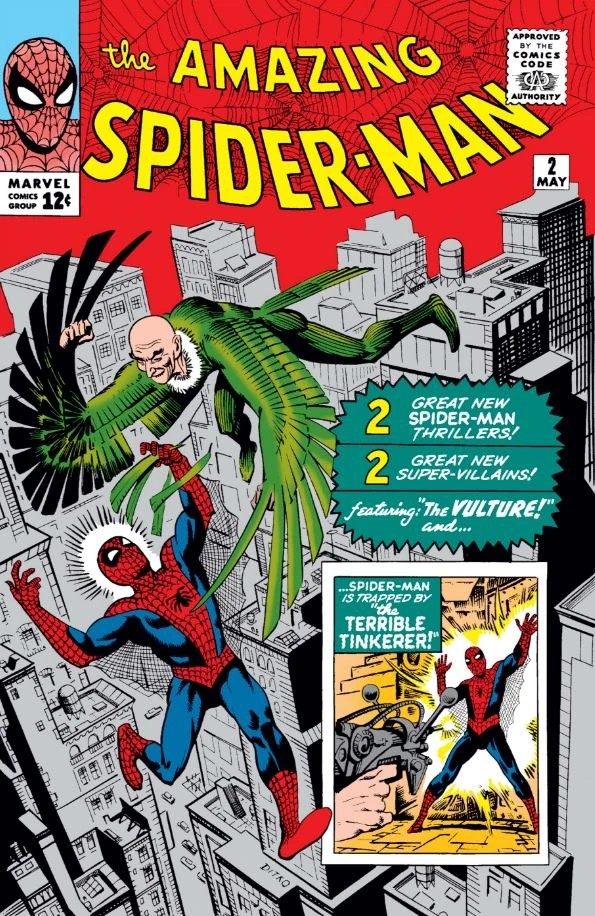
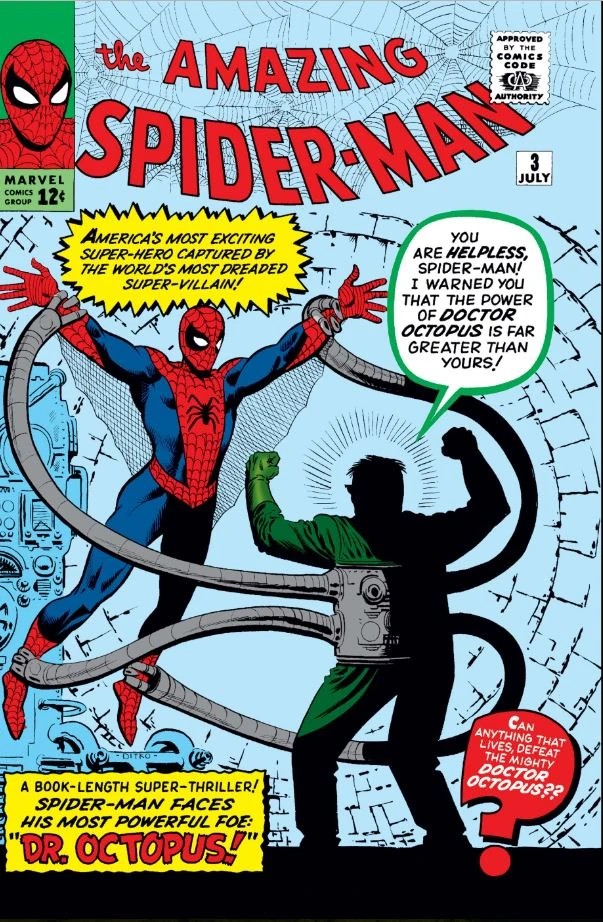
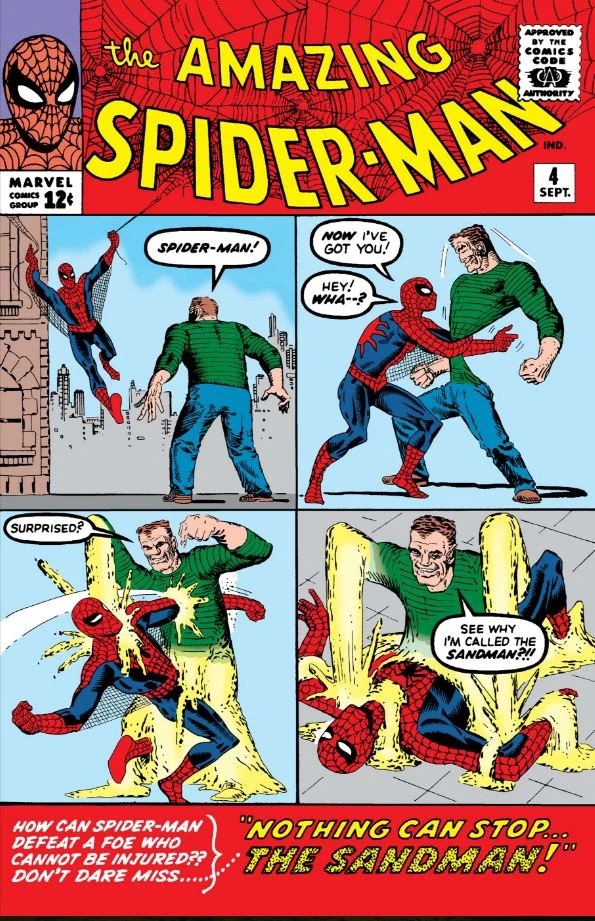
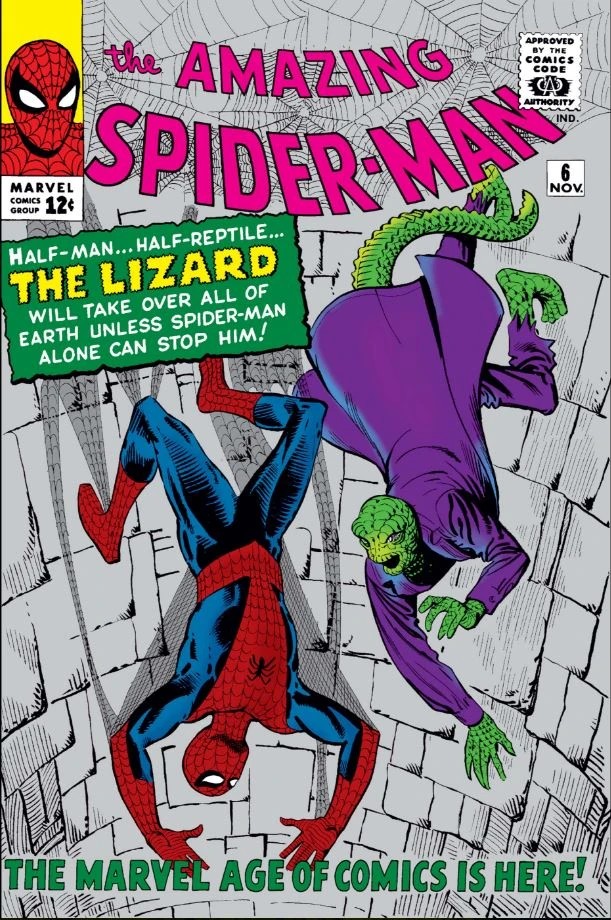
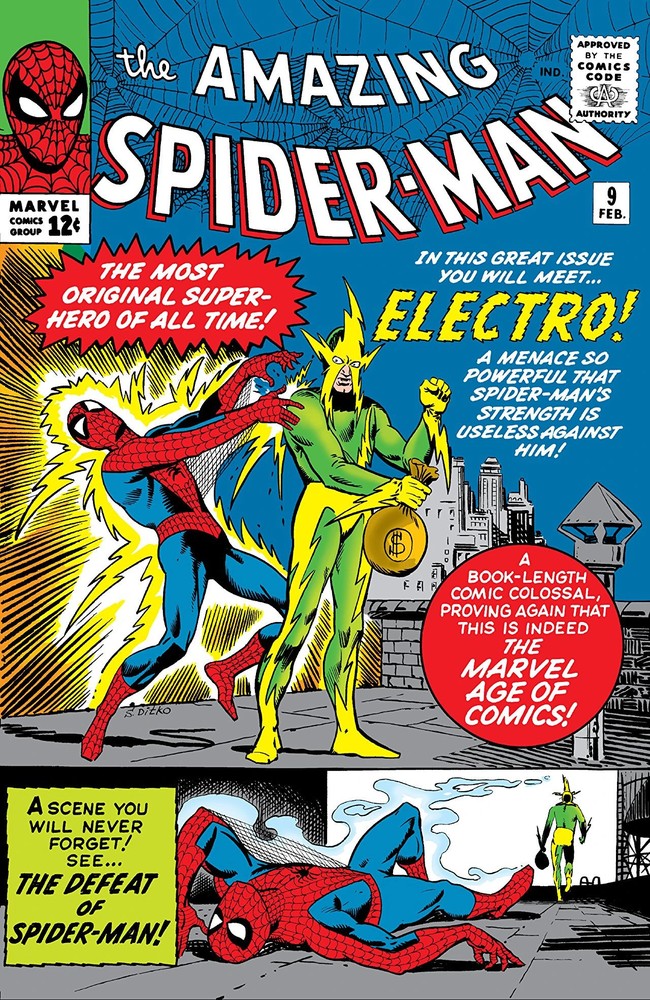
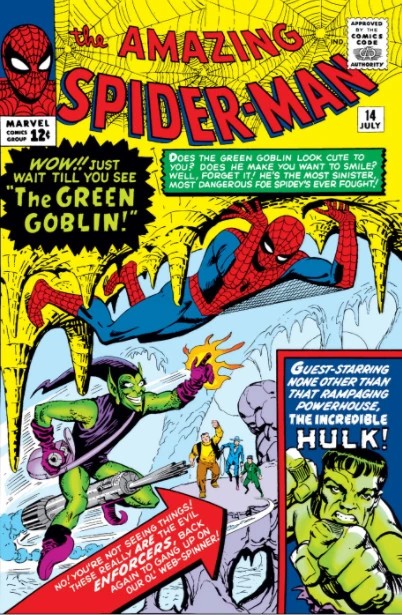
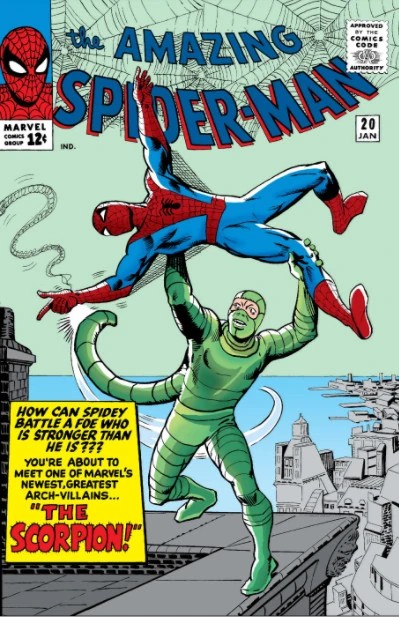
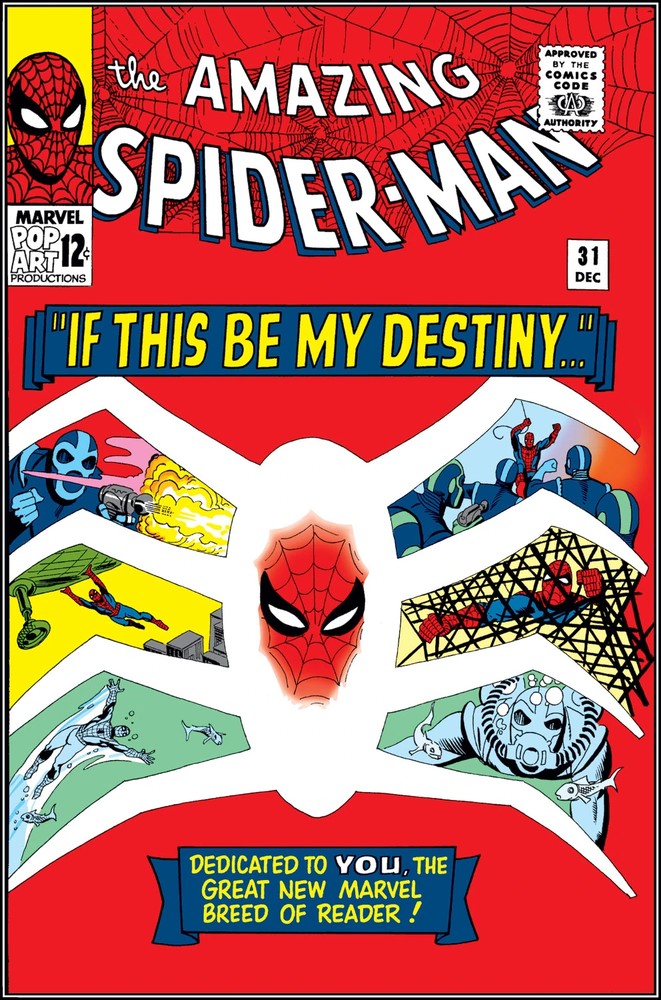
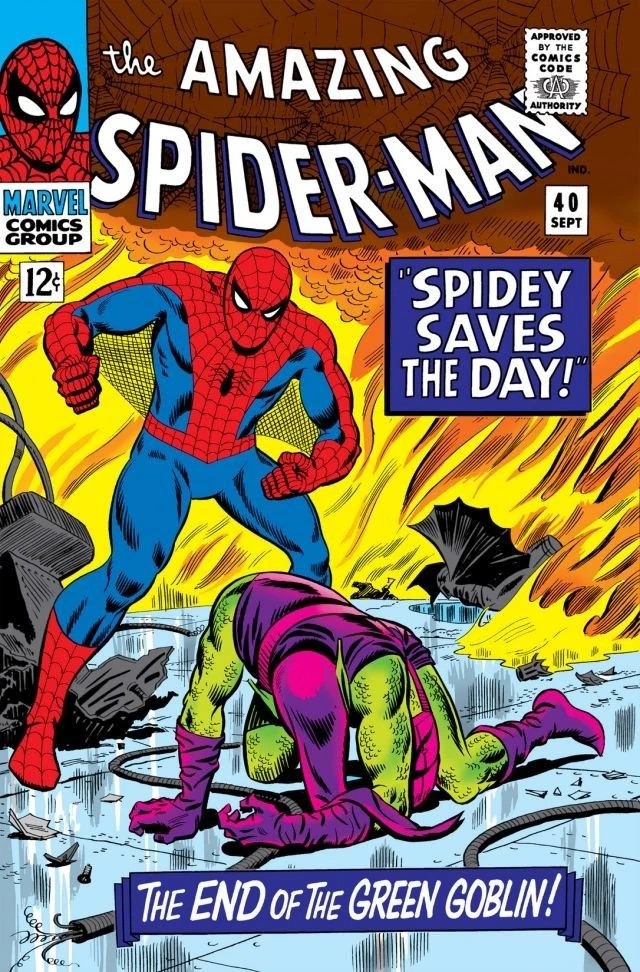
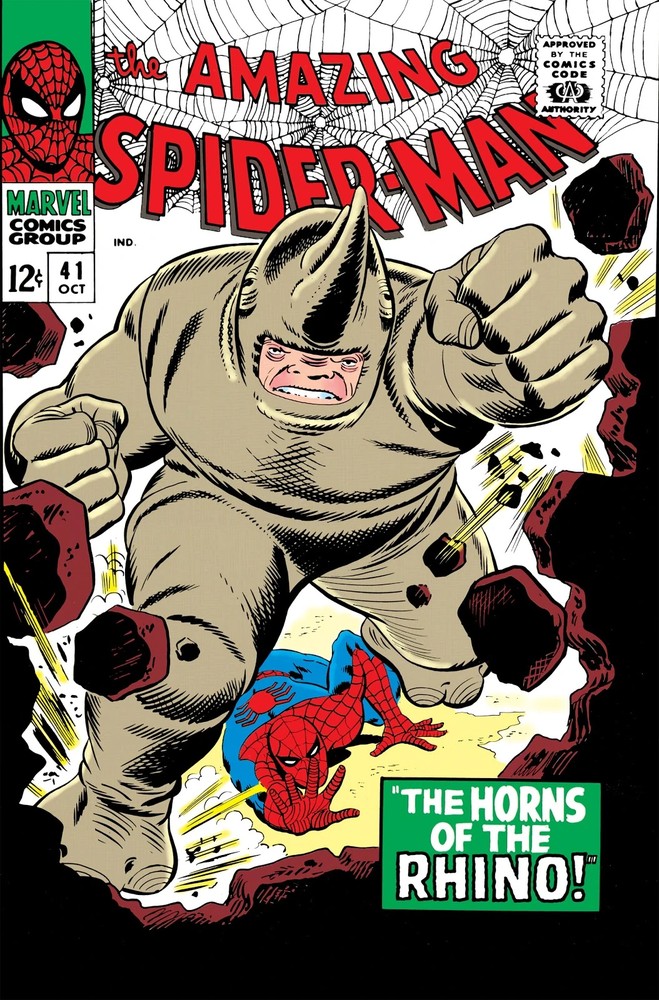
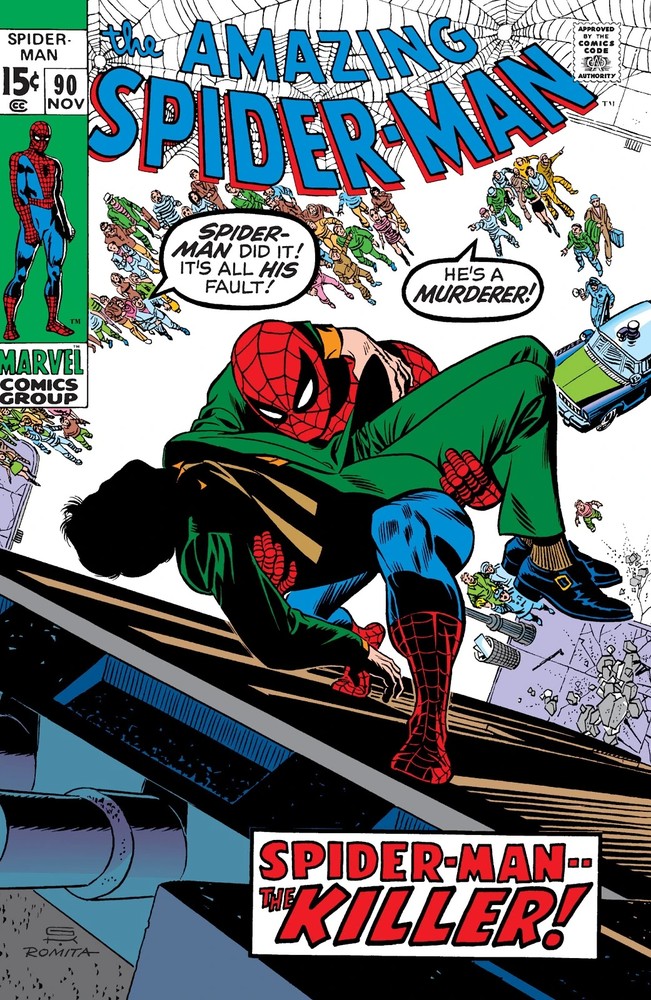
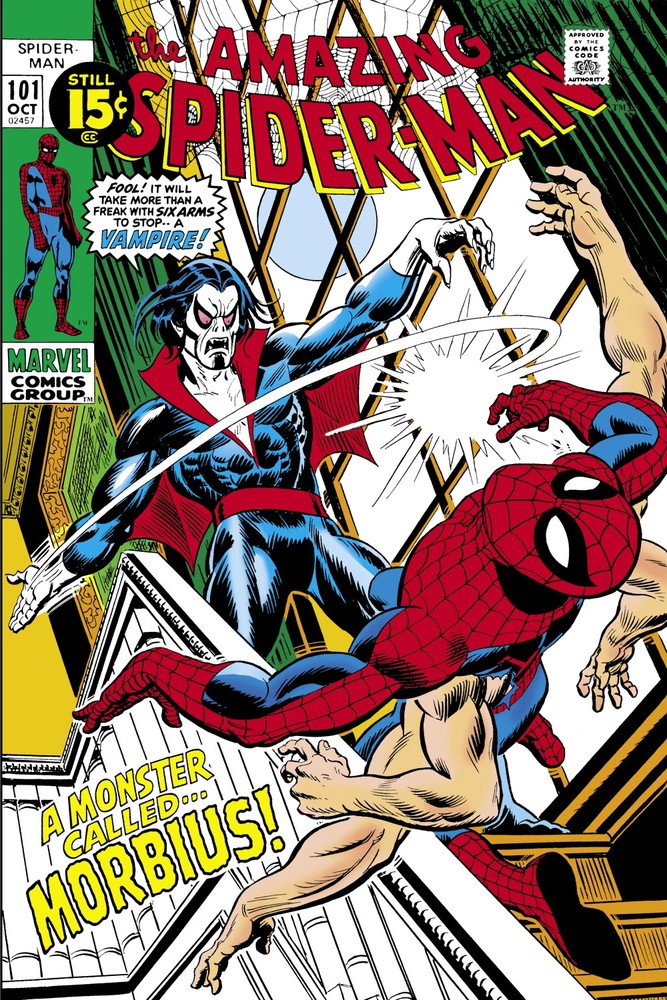
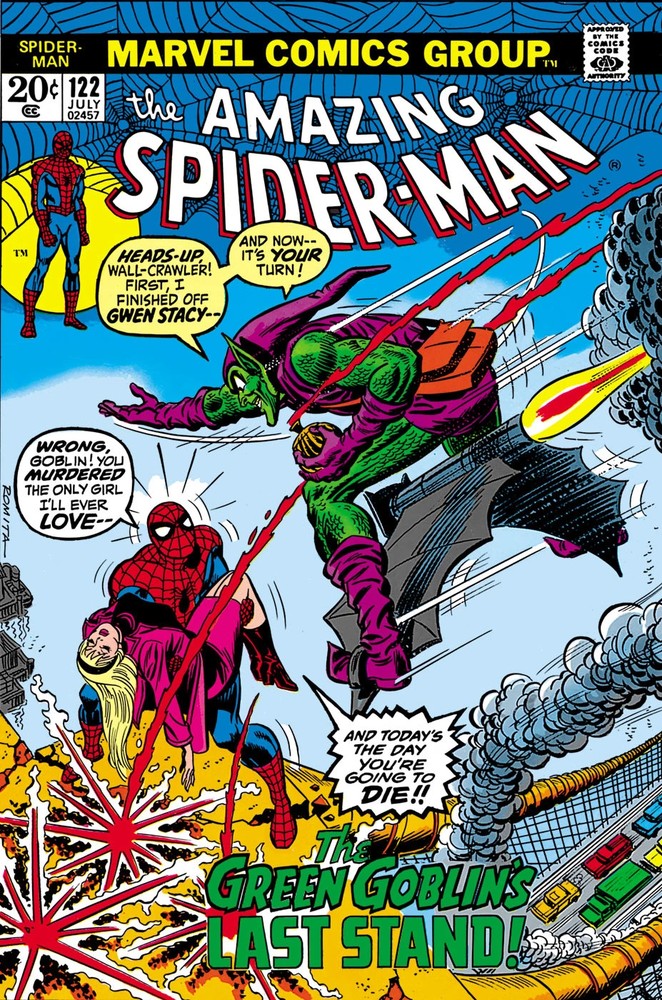
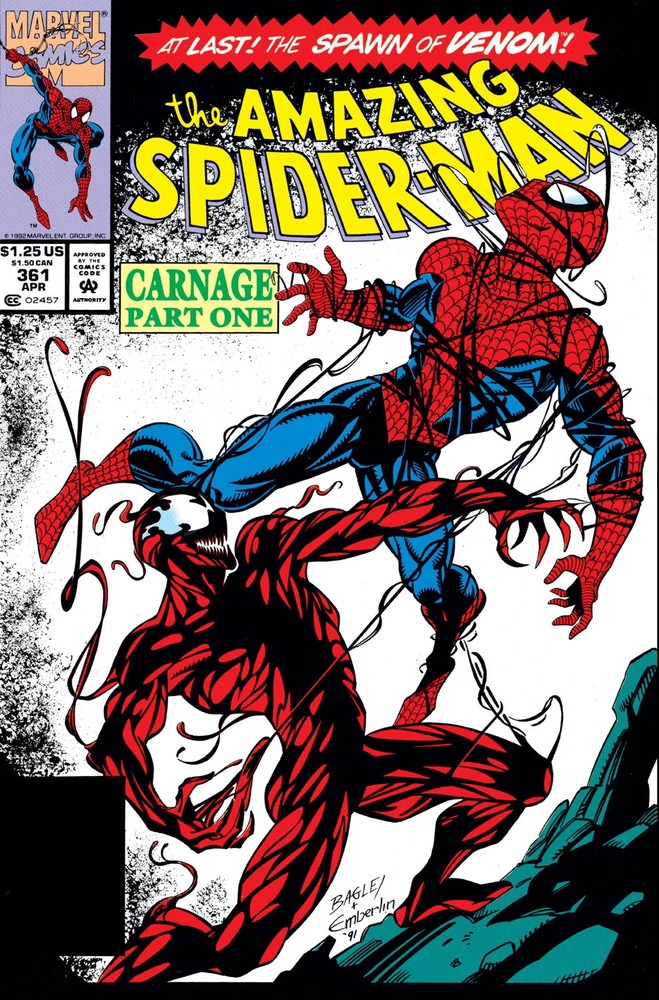
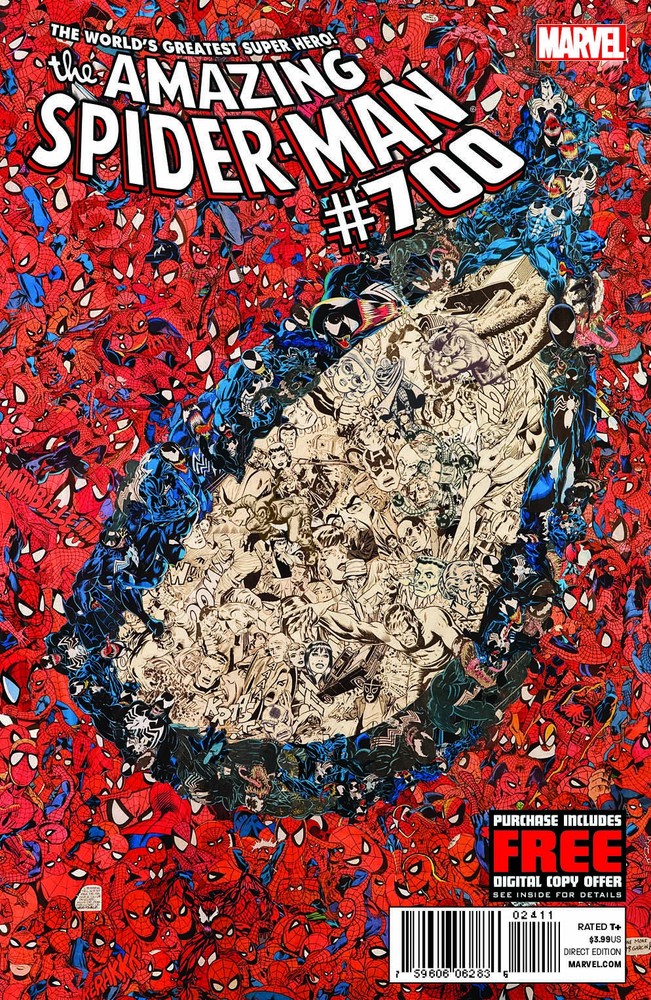
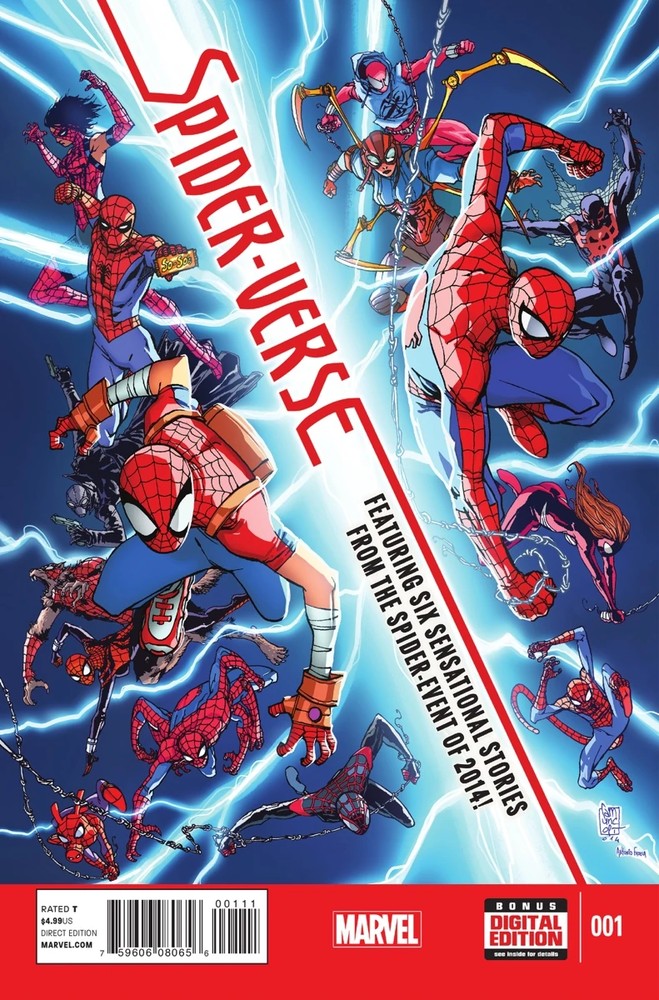
Artwork identifies the publication discussed. The image alone does not authenticate a first printing or show stock availability. Familiar covers may be reused on facsimiles, later printings and collected editions.
You can build towards a major debut, complete a six-part story or choose a cover that reminds you why comics caught your attention in the first place. Give every book a reason to be there, and the collection begins to tell a story of its own.
Start with Peter, follow a villain, discover Miles or take the black-suit route into Venom. There is enough room in this world to find a collecting project that feels like yours.
Comic Agent is based in the UK. Not every comic is listed on eBay; contact us if you are looking for something specific. The covers in this feature are editorial references. Check individual listings for available stock, edition and condition.
Publication details, creator credits and story contents are checked against Marvel’s records and publisher catalogues. Auction claims retain the precise object, transaction date and original currency. News carries a dated source. Reading routes and interpretations are Comic Agent editorial judgments.
Spider-Man, associated characters and cover artwork belong to Marvel and their respective rights holders. Comic Agent is an independent collector-run editorial and retail site.